
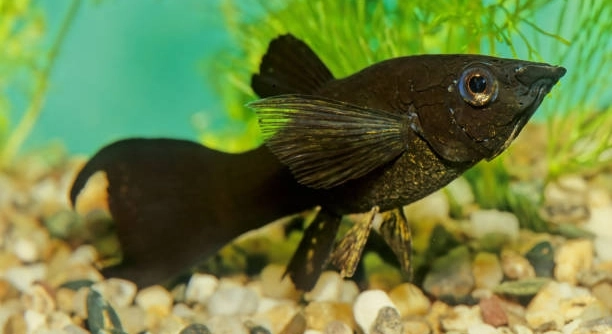
Do your black molly fish often swim closely together, nudging and bumping each other in the tank? These little interactions can catch your attention, making you wonder about their behavior and what it means for your aquarium.
Black mollies commonly nudge each other as a form of social interaction and territorial establishment. This behavior helps maintain hierarchy within the group, encourages movement within the tank, and can indicate mating readiness or minor disputes over space.
Observing these interactions closely can reveal patterns that help maintain a peaceful and healthy aquarium environment for your fish.
Understanding Molly Social Behavior
Black mollies are naturally social fish that thrive in groups. Nudging and gentle bumps are normal ways they communicate. It is their way of establishing social hierarchy, checking on each other, and sometimes even encouraging weaker or younger fish to move around the tank. This interaction is usually non-aggressive and helps the group maintain stability. Observing your mollies can reveal patterns, such as which fish are more dominant or which ones prefer specific areas of the tank. Some nudging is also linked to curiosity, especially when new decorations, plants, or changes in water conditions are introduced. Black mollies are sensitive to their environment, and small adjustments in tank layout or lighting can alter their behavior. By providing a spacious tank with enough hiding spots, you can reduce stress and ensure each fish feels secure. Regular monitoring ensures these social interactions stay healthy and do not escalate into aggression.
Social behavior like nudging is mostly harmless and can indicate a balanced, interactive group of mollies.
Watching closely, you may notice patterns in timing and frequency of nudging. Mollies often follow the same routine daily, nudging more during feeding or when exploring new areas. Understanding these patterns allows you to predict behavior and respond if issues arise. Tank setup plays a role, as overcrowding increases nudging and tension. Providing separate spaces or plants can help reduce unnecessary stress. Temperature, water quality, and diet also influence interactions. Mollies that are well-fed and in good health tend to show more playful nudging rather than aggressive shoving. Social interaction is part of their natural behavior, reflecting overall tank harmony.
Aggression vs. Playful Nudging
Minor nudging is generally harmless and part of their natural social habits.
Aggressive nudging can escalate if tank conditions are poor or overcrowded. Dominant fish may push smaller ones repeatedly, causing stress or injury. Signs of aggression include chasing, biting, and visible fin damage. To manage this, ensure proper tank size, adequate hiding spaces, and a balanced mix of males and females. Separating particularly aggressive individuals may be necessary. Monitoring food distribution is also important, as competition can trigger repeated nudges or shoves. Sometimes, aggression is temporary, occurring during mating periods or after introducing new fish. Providing enrichment, such as plants, rocks, and visual barriers, allows fish to establish territories safely. Maintaining optimal water parameters—temperature, pH, and cleanliness—reduces stress-induced aggression. Observing your black mollies daily helps differentiate between normal social behavior and early warning signs of conflict, keeping the tank a peaceful environment for all inhabitants.
Tank Conditions and Their Impact
Water quality directly affects black molly behavior. Poor filtration, high ammonia, or sudden temperature changes can increase nudging and minor fights. Keeping the water clean, stable, and properly oxygenated reduces stress and promotes calm interactions among your fish.
Maintaining stable tank conditions requires regular monitoring of water parameters. Temperature should stay consistent, ideally between 75–82°F, with pH around 7.0–8.5. Frequent partial water changes help remove toxins and keep ammonia and nitrite levels at zero. A reliable filter prevents debris buildup and ensures circulation. Overcrowding also worsens stress, leading to more nudging or aggressive behavior. Adding plants and hiding spots allows fish to retreat when needed. Proper lighting and tank maintenance routines support a healthier environment. Healthy fish are less likely to fight and more likely to engage in normal, playful nudging without causing harm.
Tank setup can influence social balance. Decorations, rocks, and plants create territories that reduce conflict. Each fish can claim a space, which minimizes competition. Observing how your mollies interact with these areas allows you to adjust their environment, ensuring smoother social interactions.
Feeding Behavior and Nudging
Feeding time often triggers nudging as mollies compete for food. Unequal distribution or slow feeding can increase shoving and minor aggression.
Providing a balanced diet helps reduce stress-related nudging. Feed small portions multiple times a day rather than one large meal to prevent competition. Include high-quality flake foods, frozen brine shrimp, and occasional vegetables for variety. Watch how fish approach feeding; dominant fish may push others aside, so spreading food across the tank ensures all fish eat. Overfeeding can lead to water pollution, worsening social tension. Adjust feeding routines to match your fish’s behavior. Proper nutrition and careful feeding reduce unnecessary nudging and promote a calmer, healthier tank environment.
Mating Behavior
Male black mollies often nudge females to signal readiness for mating. This behavior can look aggressive but is mostly a courtship display.
Females may respond by swimming away or gently nudging back. Observing these interactions helps distinguish mating behavior from actual aggression.
Signs of Stress
Excessive nudging or chasing can indicate stress in the tank. Stressors include poor water quality, overcrowding, or sudden changes in environment. Stress reduces immunity, making fish more vulnerable to disease. Regular observation and adjustments to tank conditions help prevent stress-related behavior and maintain a peaceful community.
Age and Hierarchy
Older or more dominant mollies tend to nudge younger fish to establish hierarchy. This is normal in mixed-age groups and helps maintain order within the tank.
Keeping track of interactions ensures that younger or weaker fish are not overly harassed, preserving overall health and balance in your aquarium.
Why are my black mollies constantly nudging each other?
Black mollies nudge each other as part of normal social behavior. It helps them establish hierarchy, interact with their tank mates, and explore their environment. Some nudging may also occur during feeding or mating periods, when fish are more active. Observing the intensity and frequency helps distinguish playful nudging from stress or aggression.
Is nudging harmful to my mollies?
In most cases, nudging is harmless. Gentle bumps or nudges allow fish to communicate without causing injury. However, if nudging escalates into chasing, biting, or constant harassment, it can stress the fish. Stress reduces immunity, making them more prone to disease. Ensuring enough space and hiding spots reduces potential conflicts.
How can I tell if nudging is aggressive?
Aggressive nudging often comes with chasing, fin damage, or repeated targeting of the same fish. Dominant fish may push others to assert control over territory or food. Watch for signs of fatigue or hiding from weaker fish. Separating particularly aggressive individuals can prevent injuries.
Does tank size affect nudging behavior?
Yes, smaller tanks increase nudging frequency. Overcrowding limits swimming space, heightening competition and stress. Providing a larger tank with at least 20 gallons for a small group helps mollies interact naturally while minimizing tension. More swimming space allows weaker fish to avoid constant nudges.
Do feeding habits influence nudging?
Yes, feeding can trigger nudging if food is concentrated in one area. Dominant fish may push others aside to get more food. Distributing food evenly across the tank or feeding smaller portions multiple times a day reduces competition and stress. Providing a varied diet also keeps fish healthier.
Does water quality impact nudging?
Poor water conditions can increase nudging as fish become stressed or agitated. Ammonia spikes, nitrite accumulation, or rapid temperature changes cause discomfort, making fish more likely to bump or chase each other. Maintaining stable parameters with clean, filtered water encourages calmer interactions.
Are certain mollies more prone to nudging?
Male mollies, especially during mating, tend to nudge females more frequently. Older or dominant fish may also assert hierarchy by nudging younger fish. Observing individual behavior helps identify which fish are more active in nudging and whether it is normal or excessive.
Can tank decorations reduce nudging?
Yes, adding plants, rocks, or hiding spots helps fish create territories and reduces direct competition. Fish can retreat when overwhelmed, which prevents constant nudging and stress. Rearranging the tank occasionally can also refresh territory boundaries and reduce repetitive aggressive interactions.
When should I intervene in nudging behavior?
Intervene if nudging turns into continuous chasing, biting, or causes visible injuries. Adjust tank size, provide hiding spots, separate aggressive individuals, or monitor water quality. Mild, occasional nudging is normal, but prolonged stress or harm requires intervention to protect fish health.
Does age or group size affect nudging?
Younger or weaker fish may be nudged more by older or dominant individuals. Larger groups allow natural social hierarchies to form but overcrowding increases stress. Observing interactions ensures all fish can coexist without harm and helps maintain a balanced, healthy community.
Can diet improve social behavior?
A balanced diet supports health and reduces stress-induced nudging. Nutrient-rich foods like flake, frozen shrimp, and occasional vegetables keep mollies active but calm. Overfeeding or poor-quality food can lead to irritability and more frequent nudging during meals, so proper feeding routines are key.
Are mollies more active at certain times?
Black mollies are generally more active during the day, especially around feeding time. Nudging can increase during these periods, but it usually decreases as the fish rest. Providing a consistent day-night cycle helps regulate activity levels and keeps social behavior predictable.
Does introducing new fish change nudging behavior?
Yes, new fish can trigger more nudging as existing mollies establish hierarchy. Temporary increased nudging is normal, but prolonged chasing or harassment indicates stress. Introducing fish gradually and monitoring interactions helps integrate newcomers smoothly into the group.
How can I maintain peaceful interactions?
Provide ample space, maintain water quality, distribute food evenly, and add hiding spots. Monitor fish closely for signs of aggression or stress. Adjust tank conditions or separate aggressive individuals if necessary. A stable, enriched environment encourages healthy social interactions and reduces harmful nudging.
This FAQ covers the most common concerns about black molly nudging behavior, offering practical ways to manage interactions and keep your fish healthy, calm, and thriving.
Black mollies are naturally social fish, and their nudging behavior is a normal part of how they interact with each other. These gentle bumps and nudges are a way for them to communicate, establish hierarchy, and explore their environment. Most of the time, nudging is harmless and reflects a healthy, active group. Observing your fish closely will help you understand their behavior better, and it can be quite interesting to see how each fish interacts with others. Noticing patterns, such as when nudging happens more often during feeding or near certain areas of the tank, can give you insight into their needs and preferences. By recognizing these social cues, you can create a more balanced and harmonious environment for your mollies.
Tank conditions play a large role in how mollies behave. Poor water quality, overcrowding, or sudden changes in temperature and pH can make nudging more frequent and sometimes turn it into aggressive behavior. Keeping the tank clean, maintaining proper filtration, and monitoring water parameters regularly are important steps in reducing stress for your fish. Adding decorations, plants, and hiding spots allows each molly to claim its own space and retreat when needed, which helps reduce unnecessary conflict. A spacious and well-maintained tank encourages natural social interactions, letting mollies display their playful nudging without harming one another. Feeding routines and diet also influence behavior. Providing balanced meals in multiple areas of the tank helps avoid competition and ensures every fish gets enough food.
It is also important to consider age, sex, and hierarchy within your group. Older or dominant fish may nudge younger ones more often, and males may display more nudging behavior during mating periods. Observing these dynamics allows you to separate stress-related aggression from normal social behavior. When nudging is excessive, it can be managed through environmental adjustments, diet, or temporarily separating aggressive fish. Paying attention to how your mollies interact, combined with consistent care, creates a healthier, calmer, and more predictable environment for them. Understanding these behaviors helps ensure that your black mollies remain active, healthy, and engaged, making your aquarium a peaceful and enjoyable space for both you and your fish.

Hello,
If you enjoy the content that we create, please consider saying a "Thank You!" by leaving a tip.
Every little bit helps us continue crafting quality advice that supports the health, happiness, and well-being of pets around the world, for pets of all shapes, sizes, and species.
We really appreciate the kindness and support that you show us!