
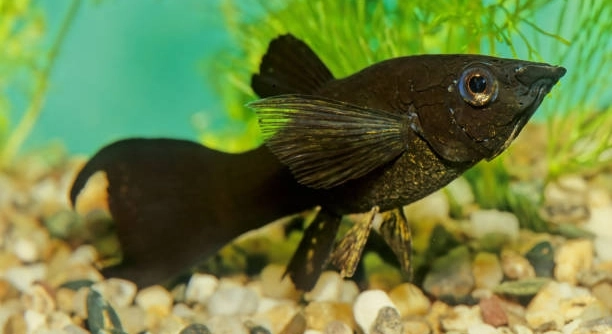
Are your Black Mollies behaving differently or showing unusual signs in the tank? Observing subtle changes early can prevent serious health issues. Paying attention to their activity, appearance, and appetite helps maintain a safe and healthy aquarium environment.
Black Mollies require quarantine when they exhibit signs of illness, stress, or injury. Common indicators include rapid gill movement, discoloration, fin damage, lethargy, unusual swimming patterns, loss of appetite, and visible parasites. Prompt isolation prevents disease spread and supports recovery.
Monitoring your Black Mollies closely ensures their well-being. Recognizing these indicators early allows you to act quickly and protect the health of your entire aquarium community.
Rapid Gill Movement
When your Black Molly’s gills are moving faster than usual, it is often a sign of stress or poor water quality. I noticed this once in my tank after adding a new decoration, and the change was immediate. Rapid gill movement can indicate low oxygen levels, high ammonia, or an infection. Mollies rely heavily on clean, well-oxygenated water, and even small changes can affect their breathing. Observing their gills daily helps catch problems early. Regular water testing and maintenance, including partial water changes, can prevent these issues.
This symptom alone is enough to consider quarantine to avoid exposing other fish.
Keeping a quarantine tank ready has been essential in my experience. It allows for monitoring and treatment without risking the rest of the aquarium. By isolating the affected Molly, I could address the underlying issue and see recovery faster. This practice ensures both the sick fish and the healthy ones remain safe, avoiding more complicated problems down the line.
Discoloration
Discoloration in a Black Molly’s scales or fins is often a sign of stress, infection, or injury. Even subtle changes should not be ignored.
I once noticed one of my Mollies developing pale patches after an aggressive tank mate nipped its fins. Discoloration can indicate bacterial or fungal infections, internal illness, or poor nutrition. Quarantining the affected fish allows for targeted treatment and prevents disease spread. Observing their behavior during quarantine helps determine if medication or water adjustments are needed. Treatment is more effective in a controlled environment, and the fish can recover without interference. Maintaining stable water parameters and providing a nutrient-rich diet reduces the risk of recurring discoloration, keeping the entire tank healthier.
Lethargy
Lethargy in a Black Molly often signals illness, stress, or poor water conditions. Fish that linger at the bottom or avoid swimming normally need immediate observation and possibly isolation to prevent further complications.
I once noticed one of my Mollies barely moving near the tank floor for hours. Lethargy can result from parasites, bacterial infections, or sudden changes in temperature and water quality. In my experience, placing the fish in a quarantine tank allowed for careful monitoring and treatment. Providing clean water, appropriate food, and stable temperature helped the fish regain energy. Observing subtle changes in activity daily is crucial for early detection.
Quarantine also reduces stress from tank mates. Lethargic fish often struggle when competing for food or avoiding more active fish. Separating them ensures they receive proper nutrition and treatment, increasing recovery chances. Regularly checking water parameters and maintaining a clean environment prevents lethargy from becoming a persistent problem.
Unusual Swimming Patterns
Unusual swimming patterns such as darting, spiraling, or floating sideways often indicate internal issues or external irritation. Mollies showing these behaviors require immediate attention to prevent worsening conditions.
I observed one of my Black Mollies swimming in circles after introducing new plants. This behavior can stem from parasites, swim bladder problems, or sudden stressors in the tank. Quarantining the affected fish allows focused observation and treatment without disrupting others. Adjusting water temperature, checking for toxins, and providing gentle handling helped stabilize the fish in my experience. Monitoring feeding behavior alongside swimming patterns gives insight into recovery progress and identifies additional underlying issues.
Isolating fish with abnormal swimming patterns also prevents potential aggression from tank mates, which could worsen injuries or stress. In quarantine, treatments such as mild salt baths, anti-parasitic medication, or dietary adjustments are easier to administer. Maintaining a calm, consistent environment aids recovery, while frequent observation ensures any changes are addressed quickly, improving overall survival and health.
Loss of Appetite
Loss of appetite in a Black Molly can signal stress, illness, or poor water conditions. Mollies refusing food for more than a day should be observed closely and considered for quarantine to prevent further health decline.
In my tank, one Molly stopped eating after a minor water change. Loss of appetite can result from parasites, infections, or sudden changes in water chemistry. Quarantining the fish allows for careful monitoring and targeted treatment. Offering a variety of foods and maintaining clean, stable water helped my fish regain normal feeding habits.
Visible Parasites
Visible parasites on a Black Molly’s body or fins are a clear indicator of infection. Immediate quarantine is necessary to prevent spreading these external threats to other fish.
I noticed tiny white spots on one of my Mollies’ fins, a sign of external parasites like ich. In quarantine, treatment was straightforward with medicated baths and water adjustments. Observing the fish daily ensured the medication was effective and prevented secondary infections. Quarantine also reduced stress, allowing the fish to recover faster. Maintaining proper hygiene in the main tank and checking new additions regularly helped prevent future infestations.
Fin Damage
Fin damage, including tears or fraying, often results from aggression, injury, or infection. Isolating the affected fish allows for proper healing and prevents worsening conditions.
How long should I quarantine a Black Molly?
Quarantining a Black Molly typically lasts two to four weeks. This period allows time to monitor for illnesses, parasites, or abnormal behavior that might not be immediately visible. I usually keep the quarantine tank under observation daily, checking water parameters and noting any changes in appearance or activity. Clean water, stable temperature, and proper nutrition are essential during this time to support recovery and prevent stress.
What signs indicate a Black Molly is sick?
Sick Black Mollies often show rapid gill movement, discoloration, lethargy, unusual swimming patterns, loss of appetite, visible parasites, or fin damage. I noticed these signs early in one of my fish and immediately moved it to a quarantine tank. Observing these symptoms promptly helps prevent disease spread and ensures timely treatment. Combining visual checks with daily water testing improves overall health management.
Can stress cause quarantine symptoms?
Yes, stress can mimic illness symptoms. Sudden changes in water chemistry, temperature fluctuations, overcrowding, or aggressive tank mates can cause gill movement, fading color, or lethargy. In my experience, isolating a stressed Molly in a calm quarantine tank and maintaining stable conditions allows recovery without medical intervention. Stress management is as important as treating illness.
What is the best way to treat parasites in a Black Molly?
Parasites like ich or external worms require isolation and targeted treatment. I use medicated baths, salt treatments, or approved anti-parasitic medications in a quarantine tank. Daily observation ensures the fish responds to treatment, and water parameters remain safe. Treating parasites in the main tank risks infecting healthy fish, so quarantine is always safer.
How can I prevent illness before it spreads?
Maintaining clean water, stable temperature, and a balanced diet reduces the risk of illness. Introducing new fish only after quarantine helps prevent introducing diseases to the main tank. In my experience, regular observation and early isolation of affected Mollies prevent outbreaks. This proactive approach keeps all tank inhabitants healthier.
What should I feed a quarantined Black Molly?
High-quality, easily digestible foods are best. I alternate between flake food, frozen brine shrimp, and occasional vegetable matter to ensure nutrition. Feeding small portions multiple times a day prevents leftover food from polluting the quarantine tank, which is crucial for recovery. Observing appetite helps track health progress.
Can fin damage heal in quarantine?
Yes, fin damage can improve with isolation, clean water, and gentle care. I noticed frayed fins on a Molly after aggressive tank interactions. Quarantine prevents further injury and allows natural healing. Adding a mild salt solution or medicated water can reduce infection risk and accelerate fin recovery.
When should I seek professional help?
If symptoms persist despite quarantine and proper care, professional guidance from a vet or aquatic specialist is necessary. I once had a Molly with persistent lethargy and discoloration that required expert advice. Early intervention prevents complications and ensures the fish receives the correct treatment.
Is quarantine stressful for a Black Molly?
Quarantine can be slightly stressful, but the benefits outweigh the temporary discomfort. I minimize stress by keeping the tank quiet, maintaining stable conditions, and avoiding sudden changes. Most Mollies adapt quickly and recover faster when isolated from potential threats in the main tank.
How often should I monitor a quarantined fish?
Daily observation is essential. I check for changes in behavior, appearance, appetite, and water quality every day. Keeping detailed notes helps track progress and identify issues early. This routine ensures treatment is effective and the fish recovers safely without risking other tank members.
What are the most common mistakes during quarantine?
Overcrowding the quarantine tank, inconsistent water changes, neglecting temperature control, or improper feeding can harm recovery. I learned that keeping a quarantine tank simple, clean, and stable is more effective than frequent handling. Avoiding these mistakes ensures the fish heals faster and remains healthy.
Can quarantine prevent future outbreaks?
Yes, using quarantine consistently for new or sick fish prevents introducing diseases to the main tank. In my experience, this practice significantly reduces the risk of widespread infection, making the main tank safer for all inhabitants. Proper quarantine protocols are a key part of long-term aquarium care.
How do I know when the fish is ready to return?
A Black Molly is ready to return once it shows normal behavior, healthy appetite, healed fins, and no visible signs of disease. I observe fish for several days post-treatment before reintroducing them. Slowly acclimating the fish back to the main tank reduces stress and ensures a smooth transition.
What equipment is necessary for an effective quarantine tank?
A simple tank with a filter, heater, and adequate hiding spots is sufficient. I add a thermometer, water test kit, and gentle aeration to maintain stable conditions. The quarantine tank does not need elaborate decorations but should allow for easy observation and easy cleaning during treatment periods.
How do I prevent recurring issues after quarantine?
Maintaining regular tank maintenance, proper nutrition, and careful monitoring of water parameters reduces recurring problems. I also isolate any new fish and continue observing all tank members. Consistency and attention to small changes prevent health issues from becoming serious.
Black Mollies are generally hardy fish, but even healthy fish can develop issues if conditions are not optimal. Observing their behavior and physical appearance is crucial for maintaining their well-being. Rapid gill movement, discoloration, lethargy, unusual swimming, loss of appetite, visible parasites, and fin damage are clear signs that a Molly may need quarantine. Acting promptly when these signs appear protects both the affected fish and the rest of the aquarium. In my experience, isolating a sick or stressed fish allows for careful monitoring and treatment without causing additional stress to the tank community.
Quarantine is not only a method for treating illness but also a preventative measure. Keeping a separate tank ready for new or sick fish ensures diseases do not spread through the main aquarium. I found that maintaining stable water parameters, clean conditions, and providing proper nutrition in quarantine supports recovery and reduces stress. Small adjustments, like controlling temperature, avoiding overcrowding, and observing feeding habits, can make a significant difference. Even minor injuries or behavioral changes can become serious if left unchecked, so proactive care is always better than reactive treatment.
The process of monitoring, isolating, and treating a Black Molly may seem time-consuming, but it is essential for long-term health and stability in the aquarium. Watching for subtle changes and responding quickly builds confidence in maintaining a healthy environment. In my experience, consistent observation, proper quarantine procedures, and attention to detail prevent most common problems from escalating. Ultimately, the goal is to provide a safe and stable home where Mollies can thrive, recover, and enjoy normal activity. This careful approach ensures that both the individual fish and the larger tank community remain healthy and balanced, reducing the risk of repeated health issues and maintaining a harmonious aquarium.

Hello,
If you enjoy the content that we create, please consider saying a "Thank You!" by leaving a tip.
Every little bit helps us continue crafting quality advice that supports the health, happiness, and well-being of pets around the world, for pets of all shapes, sizes, and species.
We really appreciate the kindness and support that you show us!