
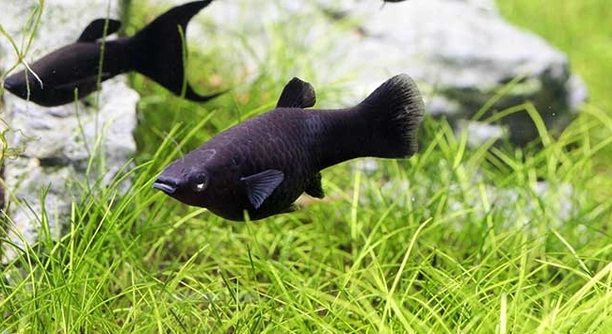
Black mollies are lively and social fish, but observing their behavior closely is essential, especially when expecting fry. Recognizing the subtle signs of readiness helps you provide a safe and stress-free environment for both mother and offspring.
A black molly ready to drop fry often shows clear physical and behavioral indicators. Common signs include a swollen belly, darkening of the gravid spot, reduced activity, hiding, frequent rest near surfaces, and changes in feeding habits, all pointing to imminent birthing.
Monitoring these signs ensures you are prepared for the fry’s arrival, protecting their early development and the mother’s well-being in your aquarium.
Swollen Belly and Gravid Spot
One of the first signs your black molly is ready to drop fry is a noticeably swollen belly. The abdomen becomes rounder and heavier as the fry develop inside. Along with this swelling, the gravid spot, located near the anal fin, darkens significantly. This spot changes color because of the developing fry and can turn a deep brown or black. Observing these changes over several days helps confirm that birth is imminent. Some mollies may also show slower movements due to the added weight, and they often rest near the bottom or mid-levels of the tank. Providing hiding spots like plants or decorations can make the mother feel more secure. Avoid stressing her with frequent handling or sudden changes. Feeding smaller, more frequent meals supports her energy without overloading her digestive system. This period requires patience and careful observation.
The swollen belly and dark gravid spot are reliable, visible signs of imminent birthing in black mollies.
Creating a calm environment with gentle lighting, stable water parameters, and plentiful hiding spaces helps ensure both mother and fry remain safe and healthy. Observing feeding behavior and movement patterns also gives insight into the molly’s comfort level.
Reduced Activity and Hiding
As fry develop, black mollies often become less active and spend more time hiding.
Reduced activity is a natural protective behavior. Mollies instinctively seek quiet spaces, often staying near plants or corners of the tank. Hiding reduces stress and conserves energy for birthing. Avoid disturbing the tank during this time to maintain a safe environment. Consistent water conditions, moderate lighting, and minimal handling all support her well-being. Even minor changes in temperature or sudden movements can startle her, which may impact the birthing process. Observing from a distance allows you to track signs without adding stress. Providing dense vegetation or dedicated breeding boxes can give her extra security. Watching her behavior carefully can help you anticipate when fry will appear. Timing feeding to small portions can keep her nourished without overfeeding. These adjustments help create an environment where the mother can focus entirely on preparing for delivery, giving the fry the best chance for survival.
Changes in Feeding Habits
Black mollies ready to drop fry often eat less or show selective feeding.
A sudden reduction in appetite is common as the molly’s body focuses on preparing for birth. She may nibble at food occasionally but won’t eat as much as usual. Offering smaller, softer foods can encourage gentle feeding without causing stress or digestive issues. Observing these changes ensures you recognize when she is nearing delivery.
Some mollies may become picky, accepting only live or finely crushed foods. This selective feeding helps her conserve energy while still receiving necessary nutrients. Adjusting feeding routines and monitoring leftovers ensures she is healthy, supporting both her well-being and the development of the fry.
Frequent Rest Near Surfaces
Mollies nearing birthing often rest near the tank’s surface more than usual.
Spending time near the surface allows easier access to oxygen and reduces strain from swimming. This behavior indicates she is preparing for labor and needs stable, calm conditions. Avoid sudden movements or aggressive tank mates to prevent stress. Consistent water temperature and quality are crucial at this stage.
Providing floating plants or gentle water flow can make resting near the surface more comfortable. Monitoring how long she stays there and her breathing rate gives clues about her progress. Supporting her during this time ensures both mother and fry are safe and ready for delivery.
Restlessness and Darting
Black mollies may become restless, moving quickly around the tank.
This sudden activity is a response to the discomfort and pressure from developing fry. She may dart from one area to another, exploring hiding spots or adjusting her position frequently.
These movements are natural and indicate she is preparing for delivery. Observing her patterns helps predict the timing of fry appearance and ensures the environment remains calm.
Increased Gill Movement
As birth approaches, gill movement may become more noticeable.
Faster or heavier breathing is a response to physical strain and preparation for labor. Monitor water quality to ensure oxygen levels remain adequate, as poor conditions can add stress.
Seeking Privacy
Mollies often isolate themselves before dropping fry.
She may move away from other fish, hiding among plants or decorations to feel secure during birthing.
FAQ
How long does it take for a black molly to drop fry after showing signs?
Once the signs appear, birth can occur within a few days to a week. Timing varies depending on the molly’s health, age, and environmental conditions. Keeping water stable and providing hiding spots ensures she can deliver safely. Observing her behavior closely helps you anticipate the exact moment.
Should I separate the mother from other fish before she gives birth?
Yes, separating the mother is recommended. Other fish may harass her or eat the fry immediately after birth. A dedicated breeding tank or safe, densely planted area protects both the mother and fry, allowing them to remain calm and stress-free.
What water conditions are ideal during birthing?
Stable temperature, around 76–80°F, and clean water with regular filtration are essential. Avoid sudden changes in temperature or pH. Moderate lighting helps the mother feel secure. Clean water reduces stress and prevents infections for both the mother and fry. Frequent small water changes can maintain quality.
How can I recognize the fry after birth?
Fry are tiny and often hide among plants or substrate. They are translucent at first, making spotting them challenging. Providing dense plant cover or spawning mops helps them remain safe. Observing the mother’s behavior can also guide you to areas where fry are hiding.
What should I feed the mother after birthing?
After delivery, the mother benefits from high-quality, protein-rich foods like baby brine shrimp or finely crushed flakes. Feeding smaller amounts frequently supports recovery without overloading her system. Maintaining clean water during this period is important to prevent leftover food from polluting the tank.
Do black mollies give birth more than once in a season?
Yes, black mollies are livebearers and can produce multiple batches of fry in a single season. Once recovered, the mother can become gravid again quickly. Ensuring she has proper nutrition and low-stress conditions supports repeated, healthy births.
How can I increase fry survival rates?
Providing hiding spots and separating the fry from adults increases survival rates. Dense plants, breeding boxes, or fine mesh barriers prevent predation. Feeding the fry small, frequent meals of infusoria, liquid fry food, or baby brine shrimp helps them grow strong. Clean water and consistent conditions are critical.
What behavior indicates the fry are doing well?
Active swimming, responsive movement, and consistent feeding are good signs. Healthy fry explore the tank and interact with their environment. Slow growth or lethargy may indicate water quality or feeding issues. Monitoring both water conditions and feeding schedules ensures fry remain healthy.
Can stress affect the birthing process?
Yes, stress can delay or complicate birthing. Loud noises, aggressive tank mates, or sudden changes in water conditions increase stress. Keeping the environment calm and secure is essential to allow the mother to give birth without complications.
Is it necessary to count fry after birth?
Counting fry is helpful but not always precise. Some may hide, and others may be missed. Instead, focus on providing a safe environment and proper nutrition. Over time, regular monitoring will give you a good estimate of survival and growth rates.
How often should I check on the mother during birthing?
Observe from a distance to avoid causing stress. Frequent visual checks are enough. Intervening only if complications arise, such as a stuck fry or abnormal behavior, ensures the mother remains calm and can deliver naturally.
When should I consult a vet or experienced aquarist?
Seek help if the mother shows signs of distress, prolonged inactivity, unusual breathing, or difficulty giving birth. Professional advice helps prevent loss of both the mother and fry. Early intervention can address health issues and improve outcomes for future births.
What are common mistakes to avoid during this time?
Avoid overhandling, sudden water changes, aggressive tank mates, and overfeeding. These factors increase stress, which can harm both mother and fry. Preparing the tank ahead of birthing and maintaining consistent care reduces risks and promotes successful hatching and growth.
How soon can fry be fed after birth?
Fry can start feeding within a few hours if appropriate foods are available. Infusoria or liquid fry food is ideal for their first meals. Gradually introduce finely crushed flakes or baby brine shrimp as they grow. Consistent feeding schedules support healthy development.
Can black mollies skip showing signs before giving birth?
Some mollies may hide symptoms, making it harder to predict birth. Observing subtle changes in belly size, behavior, and appetite helps detect readiness. Providing a prepared environment ensures safety even if the signs are less obvious.
How long does it take for fry to become independent?
Fry gradually become independent over a few weeks. As they grow, they swim more confidently and feed on their own. Continuing to maintain clean water, proper nutrition, and secure hiding areas ensures they survive and thrive during this critical stage.
Is it safe to keep multiple mothers together?
Keeping multiple mothers together is possible with sufficient space and hiding spots. However, competition for resources and stress may increase. Separating mothers during birthing reduces stress and ensures higher survival rates for fry. Monitoring interactions is key to a calm environment.
What signs indicate a mother is recovering well?
Post-birth recovery includes returning appetite, normal activity, and gradual reduction in swelling. She may resume swimming more actively and interact with the tank naturally. Maintaining consistent feeding and water conditions supports continued health and prepares her for future fry.
How can I prevent fry from being eaten by adults?
Separate fry immediately using breeding boxes, nets, or a dedicated tank. Dense plants also provide refuge. Avoid adding aggressive or hungry fish to the same tank. Proper planning before birthing significantly increases fry survival and reduces stress for all fish.
Are there any special considerations for black mollies compared to other livebearers?
Black mollies prefer stable, slightly brackish water and warm temperatures. Their fry are small and require dense cover or fine foods. Observing both water conditions and maternal behavior is especially important to ensure successful birthing and early development. Proper care minimizes stress and promotes healthy offspring.
Black mollies are fascinating and delicate fish, especially when it comes to birthing. Observing a molly preparing to drop fry requires patience and attention to detail. There are several physical and behavioral cues that indicate she is nearing the right time. A swollen belly, darkened gravid spot, reduced activity, and changes in feeding habits are all important signs. Mollies may hide or rest near the surface, and some show faster gill movement or restlessness. Recognizing these signals helps ensure the mother can give birth safely and reduces stress for both her and the fry. Preparing the tank with secure hiding places, stable water parameters, and consistent care is essential during this stage.
Once the fry arrive, their safety and development depend largely on the environment and the care provided. Separation from adult fish, dense vegetation, or breeding boxes can protect them from being eaten. Feeding small, frequent meals of appropriate food supports growth and health. The mother also needs attention during this period, as she recovers from birthing and may need additional nutrition. Monitoring both the fry and the mother closely allows you to detect any issues early, such as stress, illness, or feeding problems. Maintaining clean water, stable temperatures, and a calm environment benefits all fish in the tank. Observing interactions between fry and other tank mates is also important to ensure no aggression or accidental harm occurs.
Caring for black mollies during this time requires patience and consistency. While it can feel delicate and sometimes unpredictable, providing a structured and calm environment allows both mother and fry to thrive. Understanding the signs and behaviors of a molly ready to drop fry helps in planning and preparation. Being attentive without disturbing the fish is key. Over time, regular observation and learning from each birthing experience improve care and outcomes. The process reinforces the importance of creating a safe, stress-free habitat for livebearers and ensures healthy development of the fry. Consistent care, attention to detail, and a calm approach make the experience manageable and rewarding for both the fish and the caretaker.

Hello,
If you enjoy the content that we create, please consider saying a "Thank You!" by leaving a tip.
Every little bit helps us continue crafting quality advice that supports the health, happiness, and well-being of pets around the world, for pets of all shapes, sizes, and species.
We really appreciate the kindness and support that you show us!