
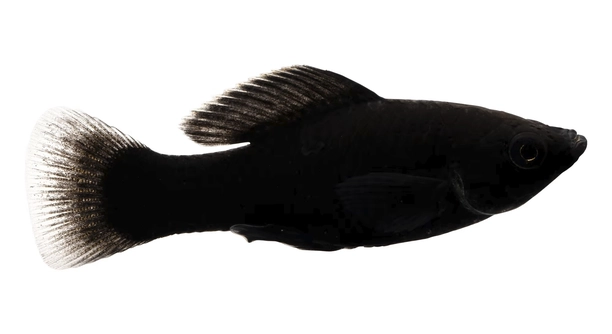
Do you enjoy keeping a lively aquarium but notice some fish behaving differently around others? Black Mollies are popular for their calm appearance, yet their interactions with certain tank mates can sometimes be surprising and unpredictable.
Black Mollies generally prefer peaceful tank mates and may display aggression or stress when housed with overly aggressive, fin-nipping, or much larger fish. Proper selection of compatible species helps maintain a stable and harmonious aquarium environment.
Learning about their social behavior and preferences ensures a balanced tank. Small adjustments in tank composition can greatly enhance your Black Mollies’ overall health and well-being.
Understanding Black Molly Behavior
Black Mollies are generally peaceful, but their behavior can shift depending on the tank environment and the fish they share space with. They prefer calm, non-aggressive species and tend to avoid conflict when they feel safe. Aggressive or overly active tank mates can stress them, resulting in hiding, fin nipping, or irregular swimming patterns. They also appreciate spaces with plants and decorations, which allow them to retreat if needed. Tank size plays a role as well; overcrowding increases stress levels, making Black Mollies more reactive to other fish. Feeding patterns matter, too, since competition for food can trigger minor aggression, especially if the fish are not all getting enough nutrition. Water quality and temperature should remain stable, as fluctuations can make them irritable and sensitive to neighbors. Observing their behavior closely over time helps in identifying which tank mates are compatible and which might disturb their calm nature. Proper planning ensures harmony and reduces stress-related problems in the aquarium.
Regular observation helps prevent conflicts before they escalate. Paying attention to small signs keeps the tank peaceful.
Providing a well-planned environment with compatible species and adequate space allows Black Mollies to thrive. Combining plant cover, consistent feeding, and careful selection of tank mates reduces stress and encourages natural behaviors. Monitoring interactions regularly ensures harmony.
Choosing Compatible Tank Mates
Peaceful species like guppies, tetras, and platies generally coexist well with Black Mollies. Avoid aggressive, fin-nipping, or overly large fish.
Selecting compatible fish is essential for a stable tank. Aggressive species or those with different activity levels can disrupt the social balance of Black Mollies. Overcrowding or mismatched behaviors often lead to stress, injury, or reduced health. Fish that dart rapidly or chase others frequently may intimidate Black Mollies, causing them to hide and eat less. Slow-moving, calm species reduce tension and allow all fish to feed and swim comfortably. Consider water temperature and pH preferences, as mismatched conditions can weaken immune systems and increase susceptibility to disease. Planning tank composition in advance, introducing new fish gradually, and monitoring interactions ensures that all species adapt well. Small adjustments, like adding extra hiding spots or rearranging decorations, can minimize conflicts. By prioritizing compatible behavior and environmental needs, the aquarium remains a peaceful and balanced space, promoting long-term health and reducing the likelihood of aggression or stress-induced problems.
Signs of Stress in Black Mollies
Stress in Black Mollies often shows as hiding, erratic swimming, or loss of appetite. Fin damage or sudden color changes are also common indicators that their environment or tank mates may be causing tension.
When Black Mollies feel threatened or uncomfortable, their behavior shifts noticeably. They may dart around the tank or cling to corners, avoiding interaction with other fish. Appetite loss can lead to weight reduction, making them more vulnerable to illness. Stress may also appear as frayed fins or unusual coloration, which are physical responses to prolonged tension. Observing these signs early allows adjustments to tank conditions, such as rearranging decorations, reducing overcrowding, or separating aggressive fish. Maintaining consistent water parameters and providing hiding spots helps reduce stress and supports healthier behavior.
Social stress arises when tank mates are incompatible or the tank environment is unstable. Black Mollies may become defensive or aggressive themselves if continuously harassed. Incompatible species that chase, nip fins, or compete too aggressively for food can make them withdraw from normal swimming and feeding patterns. Even minor disturbances, such as sudden loud movements near the tank or rapid water changes, can elevate stress levels. Regular observation, gradual introduction of new fish, and providing plant cover or structures for retreat are effective ways to manage social stress. Ensuring adequate nutrition and maintaining stable water conditions further reduce stress and encourage natural behavior.
Preventing Aggression in Mixed Tanks
Preventing aggression starts with selecting calm, compatible species and avoiding overcrowding. Balanced feeding schedules also help minimize competition.
Aggression often emerges when tank mates are mismatched or resources are scarce. Overcrowded tanks force fish into close proximity, increasing tension and provoking fin nipping or chasing. Aggressive species, like some cichlids, should never be housed with Black Mollies, as conflicts can escalate quickly and cause injury. Even subtle differences in swimming speed or feeding habits can create a stressful dynamic, leading to minor skirmishes or dominance displays. Providing evenly distributed food, extra hiding spots, and maintaining stable water conditions reduces triggers for aggression. Introducing new fish gradually and monitoring their behavior ensures any signs of conflict are addressed early, preserving harmony.
Environmental adjustments significantly reduce aggression in a mixed tank. Using plants, rocks, or decorations creates visual barriers and breaks up lines of sight, limiting direct confrontations. Black Mollies respond positively to this, as they can retreat or establish territory without constant harassment. Feeding should be spread evenly to ensure all fish access nutrients without competition. Tank size is crucial; larger spaces allow active swimming and reduce stress from overcrowding. Monitoring interactions daily helps identify potential problems before escalation, and separating aggressive individuals if needed maintains safety. Consistency in water parameters and temperature also prevents irritability. By combining compatible species, careful tank planning, and environmental management, aggression can be minimized effectively.
Ideal Tank Setup for Black Mollies
A suitable tank should offer plenty of swimming space, hiding spots, and stable water conditions. Plants, rocks, and decorations help Black Mollies feel secure and reduce stress from other fish.
Maintaining clean water with regular changes and a proper filtration system is essential. Water temperature, pH, and hardness should match the needs of Black Mollies to keep them healthy and active.
Foods That Reduce Aggression
Providing a balanced diet helps minimize competition and aggression. High-quality flakes, frozen, and live foods keep Black Mollies satisfied and less likely to fight over resources.
Introducing New Fish
Introduce new fish slowly and monitor interactions closely. Quarantine new arrivals to prevent disease and reduce stress on existing Black Mollies.
Common Mistakes to Avoid
Overcrowding, mismatched tank mates, and inconsistent water parameters often lead to stress and aggression. Careful planning prevents these problems.
FAQ
Do Black Mollies attack other fish?
Black Mollies are mostly peaceful but can become aggressive if stressed or housed with incompatible tank mates. They may chase smaller or slower fish if crowded, or nip fins when competing for food. Proper tank planning and compatible species selection help prevent these behaviors.
Which fish should not be kept with Black Mollies?
Avoid aggressive species like cichlids, large barbs, or fin-nipping tetras. Fish that are highly territorial or much larger than Black Mollies can intimidate or injure them. Selecting calm, similarly sized species ensures a stable and peaceful tank environment.
Can Black Mollies live with guppies or platys?
Yes, these species are compatible due to similar temperament and size. They share comparable water requirements, making them ideal tank mates. Still, observe interactions initially to confirm all fish coexist without signs of stress or minor skirmishes.
How do I know if my Black Mollies are stressed?
Stress shows through hiding, erratic swimming, loss of appetite, or color fading. Frayed fins or frequent darting indicate tension. Monitoring their behavior closely allows for timely interventions, like rearranging decorations or separating aggressive fish.
Does tank size affect their behavior?
Yes, a cramped tank increases stress and aggression. Black Mollies need enough space to swim and establish territory. Overcrowding often triggers chasing, fin nipping, and general irritability. A larger tank reduces tension and promotes healthy social interaction.
How important are hiding spots in the tank?
Hiding spots are crucial. Plants, rocks, and decorations allow Black Mollies to retreat when threatened, reducing stress. This setup helps them feel secure, especially in a mixed-species tank, and encourages natural swimming and feeding behavior without constant conflict.
Will they eat the same food as other fish?
Black Mollies accept a variety of foods, including flakes, pellets, frozen, and live options. A well-balanced diet reduces competition and aggression. Feeding in multiple spots ensures all fish receive proper nutrition without stress or dominance issues.
How do I introduce new fish without causing problems?
Quarantine new fish first to prevent disease. Introduce them slowly, ideally using a divider initially, to allow Black Mollies to adjust. Observe interactions closely for a few days, separating any fish that show persistent aggression until harmony is established.
Do water conditions impact their behavior?
Absolutely. Stable water temperature, pH, and hardness are essential. Fluctuations make Black Mollies irritable and more prone to aggression. Regular water changes and proper filtration maintain a healthy environment and reduce stress for all tank inhabitants.
What signs show my tank mates are incompatible?
Frequent chasing, fin nipping, or hiding indicate poor compatibility. Unequal feeding access or constant stress behaviors suggest adjustments are needed. Separating aggressive fish or rearranging the tank can restore balance and improve overall fish health.
Can Black Mollies live with shrimp or snails?
Yes, peaceful invertebrates like snails or larger shrimp can coexist. They generally don’t compete for food or territory, but avoid very small shrimp that might be seen as prey. Proper tank setup ensures safe interaction for both fish and invertebrates.
How often should I check on their interactions?
Daily observation is ideal. Watching behavior during feeding and active swimming periods helps detect early signs of stress or aggression. Immediate adjustments, like moving aggressive fish or adding hiding spots, prevent minor issues from escalating.
Can stress affect their health?
Yes, prolonged stress weakens immunity, leading to disease susceptibility. Stress can also reduce appetite, stunt growth, and cause fin damage. Maintaining a calm, stable environment with compatible species is critical for their long-term health and well-being.
Is it okay to mix males and females in the same tank?
Yes, but males can sometimes chase females, especially in smaller tanks. Adequate space, hiding spots, and group balance reduce this behavior, keeping interactions calm and preventing injury or stress to females.
How can I reduce aggression during feeding?
Feed multiple areas simultaneously and provide sufficient food. High-quality, balanced diet prevents competition and fin nipping. Feeding at consistent times also establishes routine, minimizing sudden bursts of aggression linked to hunger or territorial behavior.
Do Black Mollies change behavior as they age?
Yes, young Black Mollies are generally more active and social, while older fish may become territorial or less tolerant of certain tank mates. Observing these changes helps in adjusting tank composition or environment to maintain harmony.
What is the best way to maintain peace in a community tank?
Combine compatible species, provide ample space, hiding spots, and consistent water conditions. Monitor feeding and daily interactions. Gradual introduction of new fish and careful observation ensure long-term stability and reduce stress-related conflicts.
Can poor water quality increase aggression?
Yes, poor water quality causes stress, irritability, and health issues. Ammonia spikes, high nitrites, or extreme pH shifts can make Black Mollies more prone to chasing or nipping. Regular maintenance and water testing prevent these problems and keep behavior stable.
How do I correct minor aggression issues?
Rearranging decorations, adding plants, or separating aggressive individuals temporarily can reduce conflicts. Ensuring adequate space, proper feeding, and compatible species selection prevents escalation and helps restore balance in the tank.
Are there signs that a fish should be permanently separated?
Persistent chasing, fin damage, or constant hiding indicates severe incompatibility. In such cases, moving aggressive or stressed fish to a separate tank ensures safety and reduces long-term stress for all inhabitants.
Can Black Mollies thrive alone?
They can survive alone, but they are social fish. Keeping at least three together allows natural schooling behavior, reduces stress, and promotes overall well-being. A solitary Black Molly may become shy or inactive over time.
Do lighting and tank placement affect behavior?
Yes, sudden changes in light or constant bright lighting can stress Black Mollies. Gradual light cycles and stable tank placement away from high-traffic areas reduce irritability and create a calm environment conducive to peaceful interactions.
How can I tell if aggression is temporary or serious?
Short-term chasing or minor fin nipping often resolves once fish establish hierarchy. Persistent attacks, injury, or stress behaviors indicate serious issues that require intervention, such as separating incompatible fish or adjusting tank conditions.
Are certain plants better for reducing stress?
Dense plants like java fern, hornwort, or floating species provide hiding spots and visual barriers. These plants allow Black Mollies to retreat and feel secure, reducing stress and helping them coexist peacefully with other tank mates.
Is tank filtration important for behavior?
Yes, efficient filtration keeps water clean and stable. Poor filtration leads to waste accumulation, fluctuating water parameters, and stress. Clean, well-filtered water supports calm behavior and overall health for Black Mollies and their tank mates.
Do Black Mollies interact differently with male and female tank mates?
Males can be more territorial, especially toward other males. Balanced male-to-female ratios reduce dominance disputes and create a more peaceful environment, encouraging healthy social interactions and feeding behavior.
How long does it take for Black Mollies to adjust to new tank mates?
Adjustment varies by individual and species. Most fish settle within a few days to two weeks if the tank is spacious, well-planted, and water conditions are stable. Observing behavior daily ensures early detection of conflicts.
Can rearranging the tank reduce aggression?
Yes, changing plant positions or adding decorations creates new territories and visual barriers. This disrupts established dominance patterns temporarily and allows Black Mollies and other fish to coexist more peacefully.
Is monitoring temperature crucial for behavior?
Absolutely. Sudden temperature changes make Black Mollies irritable and more likely to engage in aggressive interactions. Maintaining consistent temperature suitable for their species reduces stress and supports natural, calm behavior in the tank.
How does overcrowding affect their social behavior?
Overcrowding increases competition for space and food, triggering chasing, fin nipping, and hiding. Adequate tank size and proper stocking density ensure all fish have enough space to swim, feed, and establish territories, promoting harmony.
Can changing water too frequently stress Black Mollies?
Sudden or large water changes can shock fish, making them defensive or irritable. Gradual partial water changes maintain water quality without causing stress or triggering aggression in Black Mollies.
How do I balance aggressive and peaceful species?
Introduce peaceful species first, provide hiding spots, and ensure adequate space. Monitor interactions closely. Aggressive fish may require temporary separation until all fish acclimate to the tank environment. Proper planning maintains long-term stability.
Are there signs that tank mates are happy together?
Peaceful swimming, shared feeding, and minimal chasing indicate compatibility. Black Mollies and their companions moving freely without hiding or displaying stress behaviors show a balanced, harmonious environment.
Does the number of Black Mollies in a tank affect aggression?
Yes, keeping at least three reduces stress and bullying by distributing social interactions. A single Black Molly may feel threatened or shy, while a small group supports natural schooling and reduces overall tension.
Can introducing new decorations help with aggression?
Yes, decorations create visual barriers and territories. Rearranging them disrupts established dominance and reduces chasing or nipping, promoting a calmer environment for Black Mollies and other tank mates.
Do Black Mollies interact differently during feeding?
They may compete for food, especially in crowded tanks. Spreading food across multiple areas and providing adequate portions reduces conflicts and ensures all fish are fed without stress or aggression.
Can stress from tank mates lead to illness?
Yes, prolonged stress weakens immune systems, making Black Mollies more susceptible to disease. Reducing aggression through compatible species, proper space, and stable water conditions supports health and longevity.
How long does it take to see improvement after adjusting tank mates?
Positive changes often appear within a few days to a week. Stress behaviors, chasing, and fin nipping should decrease if adjustments in tank setup, species compatibility, or environment are effective.
Are certain times of day better for observing behavior?
Observing during feeding or peak activity hours provides the clearest picture of social dynamics. Morning or early evening usually shows natural interactions and helps detect early signs of stress or aggression.
Does tank decoration density matter?
Yes, too few hiding spots increase stress, while excessive clutter limits swimming space. Balanced decoration provides refuge and territory while allowing free movement and social interaction.
Can changing tank lighting affect aggression?
Sudden bright light can provoke stress and irritability. Gradual lighting transitions and stable daily cycles help Black Mollies remain calm and reduce conflict with tank mates.
Is it normal for Black Mollies to chase other fish occasionally?
Yes, minor chasing occurs as part of social hierarchy or feeding competition. Consistent, aggressive, or injurious behavior indicates incompatibility or stress requiring intervention.
How do I handle persistent fin nipping?
Separate aggressive fish or provide additional hiding spaces. Reducing overcrowding and monitoring feeding ensures all fish are less likely to engage in harmful behavior. Regular observation is key to resolving persistent conflicts.
Can water hardness affect behavior?
Yes, Black Mollies prefer moderately hard water. Extreme softness or hardness stresses them, potentially causing aggression, hiding, or irregular swimming patterns. Maintaining appropriate water conditions supports peaceful interactions and overall health.
Does tank temperature influence feeding behavior?
Yes, cooler water slows metabolism and appetite, potentially increasing competition during feeding. Stable temperatures within their preferred range promote calm, predictable behavior and reduce stress-related aggression.
How long should new fish be quarantined?
At least two weeks in a separate tank prevents disease transmission and allows observation of behavior before introducing them to the main tank, reducing stress and aggression risks.
Can Black Mollies live with aggressive tetras?
No, aggressive tetras may nip fins and chase Black Mollies. Choosing calm, similarly sized species is essential to maintain harmony and prevent stress-induced illness or injury.
Do seasonal changes affect behavior?
Yes, fluctuations in room temperature, lighting, or water conditions can temporarily stress Black Mollies. Maintaining consistent environmental conditions helps prevent irritability and aggressive interactions.
Are floating plants beneficial?
Yes, floating plants provide shade and visual cover, giving Black Mollies retreat areas and reducing stress from active or curious tank mates.
How do I maintain a balanced community tank?
Combine compatible species, provide adequate space, hiding spots, stable water conditions, and monitor daily. Gradual introductions and consistent care ensure peaceful coexistence and reduce aggression.
Can Black Mollies adapt to aggressive neighbors over time?
Some adaptation may occur, but persistent aggression typically requires intervention. Separation, hiding spots, and environmental adjustments are more reliable for long-term peace.
Is it okay to keep them with other livebearers?
Yes, species like guppies, platies, and swordtails share similar temperaments and water needs, making them suitable tank mates for Black Mollies. Observation is still necessary to ensure harmony.
How does overcrowding impact health?
Overcrowding increases stress, disease risk, and aggressive encounters. Providing adequate tank size and maintaining proper stocking levels prevents these issues and supports overall well-being.
Are there signs of permanent stress damage?
Persistent fin damage, chronic hiding, weight loss, or faded colors indicate long-term stress. Addressing tank composition, environment, and water quality promptly prevents permanent health effects.
Does regular maintenance reduce aggression?
Yes, clean water, proper filtration, and stable conditions minimize stress, reduce irritability, and promote peaceful behavior among Black Mollies and tank mates.
Can rearranging plants help shy fish?
Yes, new plant arrangements provide safe spaces for retreat and exploration, encouraging shy Black Mollies to be more active while reducing stress from dominant fish.
How do I handle mixed temperaments in a tank?
Provide enough space, hiding spots, and monitor interactions. Separate aggressive or overly timid fish if necessary to ensure all fish coexist comfortably.
Is monitoring feeding behavior important?
Yes, observing who eats first, any chasing, or blocked access helps identify stress or aggression. Adjusting feeding strategies ensures all fish are nourished and reduces competition.
Do Black Mollies need company of their own kind?
Yes, they are social and thrive in small groups. A group of three or more encourages natural schooling, reduces stress, and promotes balanced interactions with other tank mates.
Can water pH swings cause aggression?
Yes, sudden pH changes stress Black Mollies, making them irritable and prone to chasing or nipping other fish. Maintaining stable pH prevents these behavioral issues.
Are live plants better than artificial for stress reduction?
Live plants provide oxygen, natural hiding spots, and filtration benefits, reducing stress. They encourage natural behavior, improve water quality, and enhance the tank’s overall harmony.
Do Black Mollies react to reflections?
Yes, they may chase reflections thinking they are rivals. Minimizing reflective surfaces or placing the tank away from bright windows reduces unnecessary stress and aggression.
Can temperature drops trigger aggression?
Yes, cooler water can make them irritable and more likely to chase or nip tank mates. Stable, appropriate temperatures support calm and natural behavior.
How do I know if my tank is peaceful enough?
Fish swim freely, feed without competition, and show minimal chasing. Calm social interactions, absence of hiding, and healthy coloration indicate a harmonious environment.
Does tank size influence social hierarchy?
Yes, larger tanks allow Black Mollies to establish territories without constant conflict. Small tanks force interactions and dominance disputes, increasing stress and aggression.
Are male Black Mollies more aggressive than females?
Males can display chasing behavior toward other males or females, especially during breeding. Proper ratios and space minimize aggression and maintain peace.
Is partial water change better than full change?
Yes, gradual partial changes maintain water quality without shocking fish, reducing stress and preventing temporary aggression from sudden environmental shifts.
Can Black Mollies adapt to new tank mates gradually?
Yes, slow introductions, dividers, and observation allow acclimation. Sudden additions often lead to chasing or hiding, while gradual adaptation promotes harmony.
Do they prefer planted or bare tanks?
Planted tanks offer hiding spots and reduce stress. Bare tanks may increase exposure and vulnerability, leading to defensive behavior or aggression toward other fish.
How important is daily observation?
Daily checks catch early signs of stress, aggression, or illness. Timely action prevents escalation and ensures Black Mollies remain healthy and peaceful.
Can rearranging tank decorations reduce fights?
Yes, changing territory markers and barriers disrupts dominance patterns and allows fish to reestablish peaceful social structures.
Does feeding order matter?
Yes, ensuring all fish access food simultaneously prevents dominance-based aggression. Spreading food throughout the tank reduces competition and stress.
Are community tanks suitable for Black Mollies?
Yes, with careful species selection, adequate space, and environmental management, community tanks provide social stimulation while minimizing stress and aggression.
Can stress make them hide constantly?
Yes, prolonged hiding signals stress from tank mates, overcrowding, or poor water conditions. Providing retreat areas and compatible species helps them feel secure.
Does tank noise affect behavior?
Sudden vibrations, tapping, or loud noises can startle Black Mollies, increasing irritability and occasional chasing. Stable, quiet surroundings encourage calm behavior.
How do I identify compatible species quickly?
Look for calm, similarly sized fish with comparable water requirements. Avoid aggressive, fin-nipping, or overly active species to maintain peace and reduce stress in the tank.
Can poor diet trigger aggression?
Yes, insufficient or uneven feeding causes competition, chasing, and nipping. A balanced, abundant diet reduces stress-related conflicts.
Is group size important for social stability?
Yes, at least three Black Mollies establish social balance. Too few may lead to stress, while too many can increase competition. Appropriate group size promotes calm interactions.
Do they respond to tank rearrangement positively?
Often, yes. It provides new territories, reduces bullying, and allows shy fish to explore safely, improving overall harmony.
Can constant monitoring prevent long-term issues?
Yes, observing daily helps catch minor aggression, stress, or environmental problems early. Quick interventions maintain health and peace in the tank.
Are they compatible with bottom dwellers?
Yes, peaceful bottom dwellers like Corydoras or small loaches coexist well. They occupy different tank levels, reducing competition and stress.
Do Black Mollies ever fight among themselves?
Occasional minor chasing occurs, especially among males, but serious aggression is rare if the tank is spacious and well-planted.
How long do aggressive phases last?
Usually a few days to a week as hierarchy establishes. Persistent aggression indicates incompatibility or stress that requires intervention.
Can hiding spots reduce stress permanently?
Yes, constant access to safe spaces allows Black Mollies to retreat when threatened, reducing stress-related behaviors over time.
Is temperature stability more important than tank size?
Both matter, but temperature stability directly affects metabolism and behavior. Maintaining suitable water conditions prevents stress, while
Black Mollies are peaceful fish, but their behavior can be influenced by their tank environment and the species they share it with. When housed with aggressive or fin-nipping fish, they may display stress, hiding, or chasing behaviors. Maintaining compatible tank mates is essential to keep their interactions calm and stable. A well-planned community tank ensures that all fish have enough space to swim, feed, and establish territories without conflict. Overcrowding, mismatched species, or sudden changes in tank conditions can quickly create tension, making Black Mollies more likely to act defensively. Observing their behavior closely allows for timely adjustments and helps prevent stress from becoming a health issue.
Providing adequate hiding spots and decorations is also important. Plants, rocks, and other structures allow Black Mollies to retreat when they feel threatened or overwhelmed. These spaces reduce stress and give them a sense of security, especially in tanks with multiple species. Even in peaceful communities, fish may occasionally chase or dart around, and having visual barriers helps prevent minor interactions from escalating into aggressive behavior. Balanced tank decorations also help establish natural territories, making it easier for Black Mollies to coexist with their neighbors. Additionally, ensuring consistent water parameters, including temperature, pH, and hardness, supports calm behavior and overall well-being.
Feeding routines and diet play a key role in maintaining harmony. Providing enough food in multiple locations reduces competition and minimizes chasing or fin nipping. A balanced diet with high-quality flakes, pellets, or occasional live and frozen foods keeps Black Mollies healthy and satisfied. Introducing new fish gradually and monitoring their interactions is another important step. Quarantining newcomers, observing behavior, and adding extra hiding spots can prevent stress and aggression from developing. By combining proper tank setup, compatible species selection, stable water conditions, and attentive care, Black Mollies can thrive in a peaceful, healthy environment. Careful planning and daily observation ensure their long-term happiness and help maintain a balanced and harmonious aquarium for all its inhabitants.

Hello,
If you enjoy the content that we create, please consider saying a "Thank You!" by leaving a tip.
Every little bit helps us continue crafting quality advice that supports the health, happiness, and well-being of pets around the world, for pets of all shapes, sizes, and species.
We really appreciate the kindness and support that you show us!