
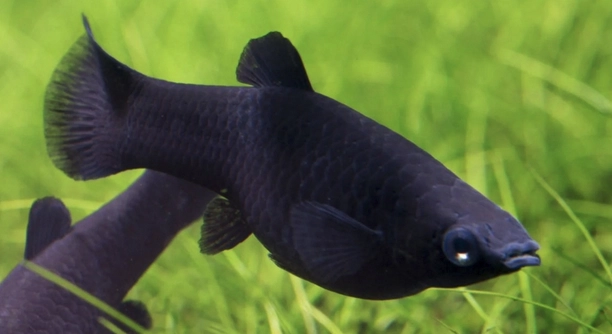
Have you ever noticed how vibrant a black molly looks in a well-planted aquarium? The presence of live plants can transform a simple tank into a lively, balanced environment that benefits both fish and the ecosystem around them.
Live plants provide numerous advantages for black mollies, including improved water quality, natural shelter, enhanced breeding conditions, oxygenation, stress reduction, algae control, and the promotion of natural behaviors, all of which contribute to their overall health and longevity.
Understanding the impact of live plants on black mollies goes beyond aesthetics and can greatly improve their daily life and well-being in the tank.
Improved Water Quality
Live plants naturally filter the water in a black molly tank by absorbing nitrates and other waste products. Over time, fish produce ammonia, which transforms into nitrites and then nitrates. High nitrate levels can stress fish and lead to health problems. Plants act as natural biofilters, using these compounds as nutrients, which helps maintain a more stable and cleaner environment. Unlike artificial filters, plants continuously work to balance the tank chemistry while adding beauty. Fast-growing species like hornwort or water wisteria are especially effective at reducing nitrate buildup. In addition, the roots and leaves of plants provide surfaces for beneficial bacteria to grow, further aiding in the breakdown of waste. This combination of natural filtration and bacterial support keeps the water healthier, reduces the frequency of water changes, and contributes to a calmer, more stable habitat for black mollies. Over time, a planted tank requires less intervention and creates a more self-sustaining ecosystem.
Regularly incorporating live plants makes maintaining clean water easier and less time-consuming for fishkeepers.
The presence of live plants significantly reduces nitrate spikes, which can otherwise harm black mollies. Nitrate levels affect growth, coloration, and overall immunity, making the tank environment more secure. Plants not only consume waste but also reduce organic debris buildup. By stabilizing pH levels and oxygen content, they prevent sudden chemical changes that could stress the fish. Additionally, plants create microhabitats within the tank, allowing black mollies to explore and retreat, which supports natural behaviors. Maintaining live plants alongside proper filtration and feeding practices ensures that water quality remains consistently safe. For black mollies, this translates into longer lifespan, brighter colors, and a more active disposition. Using a combination of fast-growing plants and slower-growing species creates a balanced ecosystem where waste is continuously managed. With time, the tank becomes a self-regulating environment, making the care routine less demanding while offering a more comfortable and natural habitat for the fish to thrive.
Natural Shelter and Hiding Spots
Live plants offer essential cover for black mollies, giving them places to hide and feel secure.
Dense foliage and tall stems mimic their natural habitat, providing safety from stress and aggression. Black mollies can rest, explore, or escape during territorial disputes without constant interference, which promotes a healthier, more relaxed environment.
Plants also serve as hiding areas for fry, reducing predation risk and increasing survival rates. This natural shelter supports social behaviors while preventing dominance struggles, making the tank experience calmer. By arranging a variety of plant species, you can create layers of cover and open swimming space. Additionally, the movement of leaves and stems encourages natural swimming patterns and play. A well-planted tank allows black mollies to interact with their surroundings in a way that simulates their native environment, promoting mental stimulation. Over time, these plants become part of the daily life of the fish, helping reduce stress-related illnesses. Incorporating both rooted and floating plants adds complexity, giving fish multiple areas for retreat and exploration. Careful selection of species like Java moss, Amazon sword, and duckweed provides structure and enriches the habitat. This not only benefits the fish physically but also creates an aesthetically pleasing aquarium that supports natural behaviors consistently.
Enhanced Breeding Conditions
Plants create ideal spawning areas for black mollies, allowing them to lay eggs among leaves and roots safely. Fry can hide immediately after hatching, improving survival rates and reducing stress from adult fish.
The dense foliage of live plants mimics the natural environment needed for successful breeding. Black mollies are livebearers, and the presence of plants provides cover for both pregnant females and fry. Floating plants like duckweed or water lettuce soften water currents, allowing fry to swim safely while avoiding predators. Rooted plants offer surfaces for hiding, which reduces aggression and territorial disputes among adults. By incorporating a mix of tall, bushy plants and low-growing ground cover, the tank becomes a multi-layered environment that promotes reproductive behavior. This setup supports natural interactions and ensures that offspring have a better chance of reaching maturity. The combination of hiding spots, gentle water flow, and visual cover makes the tank more secure for breeding and encourages healthier fry development.
Providing plants specifically for breeding encourages black mollies to exhibit natural behaviors and reduces stress during the reproductive period.
Oxygenation and Water Circulation
Live plants produce oxygen through photosynthesis, which directly benefits black mollies, especially during the day. Proper oxygen levels support activity, feeding, and metabolism.
During daylight, plants release oxygen into the water, increasing dissolved oxygen levels that fish rely on for respiration. This oxygen production is especially important in crowded tanks or warmer water, where oxygen can drop quickly. Plants also contribute to gentle water movement as leaves sway, preventing stagnant areas. Adequate oxygen enhances gill function and overall energy, allowing black mollies to swim actively and feed efficiently. Plants work alongside filtration systems to maintain consistent oxygen levels, creating a healthier environment that reduces disease risk. Over time, tanks with live plants demonstrate fewer stress-related behaviors and improved fish vitality.
The movement of water caused by plants helps circulate nutrients and prevents dead zones in the tank. Combined with oxygenation, this circulation supports a stable aquatic environment. Plants contribute to overall water quality while encouraging fish to explore and interact naturally. By arranging plants strategically, you can create pathways and open areas for swimming while maintaining oxygen-rich pockets. This balance between open space and plant cover enhances tank dynamics, supporting both the physical and mental well-being of black mollies. Proper circulation also aids in distributing heat and dissolved gases evenly, reducing localized stress. When plants are healthy and thriving, they act as a self-regulating component of the aquarium, keeping oxygen levels steady and encouraging natural fish behaviors throughout the day.
Stress Reduction
Live plants create a calm environment for black mollies, giving them places to hide and feel secure. This reduces aggressive interactions and prevents stress-related illnesses.
The presence of plants softens bright lights and reduces sudden movements in the tank, making black mollies feel safer.
Algae Control
Live plants compete with algae for nutrients, reducing algae growth naturally. They absorb excess nitrates and phosphates, limiting resources algae need to thrive. Regular pruning and plant care maintain this balance, keeping the tank cleaner without harsh chemicals.
Promotion of Natural Behaviors
Black mollies use plants for exploring, grazing, and interacting with their environment. Dense plant arrangements encourage swimming patterns, foraging, and hiding, supporting their instincts. Plants allow the fish to establish territories and reduce dominance conflicts, promoting healthier social behavior in the tank.
Aesthetic Appeal
Live plants enhance the beauty of a black molly tank while providing functional benefits. Their presence creates a natural, dynamic environment that is both pleasing to the eye and supportive of fish health.
FAQ
What types of plants are best for black mollies?
Black mollies thrive in hardy plants that tolerate a range of water conditions. Java moss, hornwort, Amazon sword, and water wisteria are excellent choices. Floating plants like duckweed and water lettuce provide shade and reduce stress while rooted plants offer hiding spots and shelter for fry.
How many plants should I keep in the tank?
A balanced approach works best. Cover about 50-70% of the tank with plants to provide hiding areas while leaving open swimming space. Overcrowding can limit swimming and reduce oxygen circulation, but too few plants remove natural benefits like filtration and shelter.
Do black mollies eat live plants?
Black mollies may nibble on soft-leaved plants like hornwort or duckweed, but they usually don’t destroy healthy, established plants. Nibbling can actually supplement their diet, providing small amounts of plant matter alongside their regular feeding.
How often should I trim the plants?
Trimming is essential to prevent overgrowth and maintain water flow. Fast-growing plants may need weekly attention, while slower-growing species can be trimmed monthly. Remove decaying leaves promptly to avoid water quality issues and maintain a healthy, attractive tank.
Can live plants improve water quality on their own?
While live plants absorb nitrates and other waste, they don’t replace filtration entirely. A combination of live plants and a proper filter ensures stable water chemistry, reduced toxin buildup, and a healthier environment for black mollies.
Are some plants better for breeding black mollies?
Yes. Dense plants with fine leaves or moss provide ideal hiding spots for fry, increasing survival rates. Floating plants reduce water movement near the surface, protecting newborns. Plants also reduce stress for pregnant females, supporting successful reproduction.
Do black mollies need special lighting for live plants?
Most hardy plants do well under standard aquarium lighting. Moderate light for 8-10 hours daily supports photosynthesis. Avoid excessive lighting, which can lead to algae growth, and supplement with plant fertilizers only if necessary.
Can live plants help reduce stress in black mollies?
Absolutely. Plants provide hiding spots and visual barriers, reducing aggression and territorial disputes. Stress reduction contributes to better immunity, brighter coloration, and longer lifespan. Both floating and rooted plants are effective at creating calm microhabitats.
Do live plants require special water parameters?
Most commonly used plants tolerate a broad range of pH, hardness, and temperature suitable for black mollies. However, certain species like Amazon sword prefer slightly acidic water, while others like Java moss are more adaptable. Choosing compatible plants simplifies tank maintenance.
How do I prevent algae while keeping live plants?
Maintain a balance of light, nutrients, and plant coverage. Fast-growing plants outcompete algae for nutrients, while regular pruning and partial water changes reduce excess waste. Avoid overfeeding fish, as leftover food can fuel algae growth.
Is CO2 supplementation necessary for live plants?
For hardy plants suitable for black mollies, CO2 is usually not required. While supplemental CO2 encourages faster growth, it is optional. Focus on proper lighting, fertilization, and water care to maintain healthy plants without complicating the tank setup.
Can live plants help with oxygen levels at night?
Plants produce oxygen during the day but consume it at night. In well-planted tanks, this effect is minimal, especially with proper aeration and filtration. Adequate water movement prevents low oxygen pockets and keeps black mollies safe.
How do I introduce live plants to an established tank?
Rinse plants thoroughly to remove debris and potential pests. Plant them carefully in the substrate or allow floating plants to settle. Monitor water parameters for the first few days, as new plants may slightly alter chemistry. Proper placement ensures fry and adult mollies benefit from coverage.
Can live plants survive in a community tank with black mollies?
Yes. Black mollies are generally gentle grazers and won’t uproot plants. Fast-growing and hardy species can withstand occasional nibbling while providing shelter for other species. Select plants that tolerate similar water conditions for all tank inhabitants.
Do live plants reduce maintenance time?
While they require care like trimming and monitoring, plants naturally filter water and stabilize the environment, reducing frequent water changes and chemical treatments. Over time, a planted tank becomes easier to maintain than a bare aquarium.
What is the best way to arrange plants for black mollies?
Mix tall background plants with medium and low foreground plants to create layers. Floating plants provide cover at the surface, while dense clusters near the substrate offer hiding spots. Open areas allow free swimming and natural exploration. The arrangement encourages natural behaviors and reduces stress.
Are live plants safe for black molly fry?
Yes. Fine-leaved plants and moss give fry places to hide from adult fish. Floating plants shield fry from surface currents, while rooted plants create sheltered zones. A planted tank increases survival rates and encourages natural growth patterns.
How do I deal with decaying plant matter?
Remove dead or dying leaves promptly. Decaying plant matter can release toxins and reduce water quality. Regular inspection and maintenance prevent nutrient spikes that could harm black mollies or encourage algae growth.
Can live plants help black mollies display their natural colors?
Yes. A planted environment reduces stress, improves water quality, and provides natural shading, all of which contribute to brighter, more vibrant coloration. Healthier fish show more active and natural behavior in a supportive habitat.
Do I need fertilizer for live plants in a black molly tank?
Optional. Many hardy species thrive on fish waste alone. Fertilizers can support slower-growing or demanding plants but should be used carefully to avoid over-enrichment, which can lead to algae problems and water quality issues.
Live plants offer many benefits for black mollies, making them more than just decorative additions to an aquarium. They improve water quality by naturally absorbing waste products and providing surfaces for beneficial bacteria. This creates a more stable environment, reduces harmful chemical buildup, and helps prevent stress-related health issues in fish. For anyone keeping black mollies, incorporating live plants can reduce the frequency of water changes and support a cleaner, more balanced tank. The combination of filtration, plants, and careful feeding makes maintaining a healthy aquatic environment simpler and more effective, benefiting both the fish and the overall ecosystem in the tank.
In addition to their functional benefits, live plants provide essential shelter and hiding spots. Black mollies feel safer when they have places to retreat from bright light or aggressive tank mates. Plants also serve as breeding areas for fry, giving young fish the protection they need to survive. Floating plants create shaded areas, while rooted plants offer dense cover at the bottom and mid-levels of the tank. This layering encourages natural swimming, exploring, and foraging behaviors, supporting both physical and mental well-being. Over time, black mollies in planted tanks display more natural behavior, are less stressed, and often exhibit brighter coloration. Plants create a more dynamic and engaging environment, which is closer to the conditions black mollies would experience in their natural habitat.
Maintaining a planted tank requires some care, but the benefits far outweigh the effort. Plants need occasional trimming, monitoring for decay, and attention to water parameters, but they contribute to a self-sustaining ecosystem that supports fish health. Choosing the right species for the tank, arranging them thoughtfully, and combining fast-growing and hardy plants ensures the best results. Over time, the tank becomes easier to manage, and black mollies thrive in a healthier, more stimulating environment. By including live plants, aquarists create a space that not only looks natural and appealing but also promotes longevity, natural behavior, and overall well-being for their fish. A planted tank is a long-term investment in both the health of the fish and the enjoyment of keeping an aquarium.

Hello,
If you enjoy the content that we create, please consider saying a "Thank You!" by leaving a tip.
Every little bit helps us continue crafting quality advice that supports the health, happiness, and well-being of pets around the world, for pets of all shapes, sizes, and species.
We really appreciate the kindness and support that you show us!