
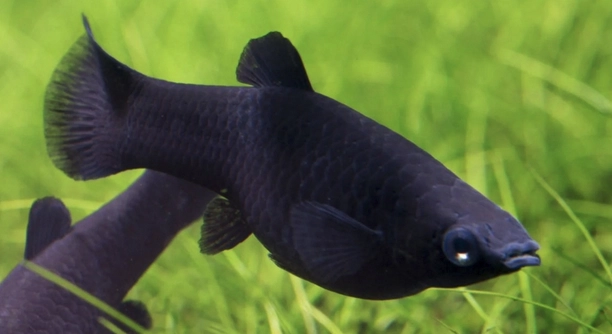
Do you enjoy keeping black mollies but sometimes notice they suddenly stop interacting with you? Observing these small fish can be rewarding, yet their behavior may change unexpectedly. Understanding why this happens helps you care for them better.
Black mollies may stop interacting due to stress, illness, poor water quality, sudden changes in environment, lack of proper nutrition, incompatible tank mates, or natural behavioral patterns. Recognizing these factors is essential for maintaining their health and activity.
Knowing the causes behind sudden changes in behavior can improve your fish-keeping experience. Learning these details ensures your mollies remain active, healthy, and engaged in their environment.
Stress and Sudden Environmental Changes
Black mollies are sensitive to changes in their environment, and even small shifts can make them withdrawn. Sudden temperature fluctuations, strong water currents, or moving decorations can cause stress. Stress may lead to hiding, reduced swimming, and less interaction with tank mates or humans. Mollies prefer a stable environment with consistent conditions. Maintaining water temperature between 75-82°F and keeping pH around 7.0 can reduce stress. Even minor disturbances like tapping the glass or changing their location can make them cautious. Stress can also weaken their immune system, making them more prone to illness. Observing their behavior daily helps spot early signs of discomfort. Adding hiding spots, plants, and gentle filtration can create a calm habitat. Gradual changes, such as slowly adjusting water temperature or rearranging decorations in stages, help mollies adapt without anxiety. Keeping the tank quiet and peaceful encourages them to explore and interact naturally.
Stress can reduce activity and make mollies hide, but consistent conditions and gentle care restore normal behavior.
Providing a stable environment and limiting sudden changes is essential. Observing their reactions carefully allows you to address stress before it affects health. Introducing new tank mates gradually, maintaining proper filtration, and avoiding sudden lighting changes are simple steps that significantly reduce anxiety. Even minor adjustments in water chemistry should be done slowly. Stress management also involves routine feeding and creating comfortable hiding spaces. Over time, mollies will regain confidence and become more interactive once their environment feels safe. Consistency is key, and careful attention ensures their well-being and active presence in the tank.
Poor Water Quality
Dirty water or high ammonia and nitrate levels can make mollies stop interacting. Regular water tests and partial changes maintain a healthy environment. Clean, balanced water supports their immune system and natural behavior.
Improper water conditions can lead to lethargy, hiding, and loss of appetite. Mollies need stable pH, temperature, and low toxins to thrive.
Water quality is one of the most important factors for black mollies’ health and behavior. Accumulation of ammonia, nitrites, and nitrates from waste can irritate their gills and stress them. Hard or soft water shifts may affect their overall comfort. Performing weekly partial water changes and using a reliable filter ensures cleaner water and balanced parameters. Testing the water regularly allows for early detection of harmful chemicals. Avoid overfeeding as excess food increases waste and pollution. Including live plants helps absorb some toxins and provides shelter. Proper circulation, aeration, and maintaining consistent temperature all contribute to a healthier habitat. Healthy water encourages mollies to swim actively, explore, and interact with other fish. By monitoring and improving water quality, you create a supportive environment that keeps them engaged and thriving.
Illness and Health Issues
Illness can make black mollies stop interacting. Symptoms like clamped fins, lethargy, and loss of appetite often appear before behavioral changes. Prompt attention and treatment are necessary to restore their health.
Common health issues include fin rot, ich, and internal parasites. Fin rot causes torn, ragged fins and reduces activity. Ich presents as white spots on the body and gills, making mollies hide more often. Internal parasites can lead to bloating and sluggish swimming. Observing these signs early allows for treatment with medication or adjusting tank conditions. Quarantining sick fish prevents spread, and maintaining clean water reduces risks. Healthy mollies are active, responsive, and interact naturally.
A balanced diet and stable environment support recovery. Feeding high-quality flakes or live foods strengthens their immune system. Regular observation ensures early detection of recurring problems. Treating health issues promptly helps mollies regain confidence, swim freely, and interact again, reducing stress and preventing long-term complications.
Incompatible Tank Mates
Aggressive or overly active tank mates can stress black mollies. They may hide or stop interacting to avoid conflict, especially if outnumbered or bullied.
Even calm fish may intimidate mollies if space is limited. Aggressive species like cichlids or fin-nipping tetras can chase or harass them. Overcrowding increases competition for food and territory, making mollies more withdrawn. Providing ample space, hiding spots, and compatible companions allows mollies to feel safe. Observing interactions ensures peaceful cohabitation. Adjusting stocking levels or separating aggressive fish improves overall tank harmony.
Compatibility goes beyond size and species. Personality, energy levels, and social hierarchy play roles in behavior. Mollies thrive with similar, peaceful species, such as guppies or platies. Grouping them with calm, mid-level swimmers reduces stress and encourages exploration. Proper planning and careful selection of tank mates prevent bullying and isolation. Ensuring enough space, plants, and shelters allows each fish to establish territory, minimizing conflict. Monitoring feeding routines and interactions helps maintain balance. When mollies feel secure, they become more social, swim confidently, and regain regular interaction patterns within the tank community.
Sudden Changes in Diet
A sudden switch in food can make black mollies stop interacting. They may refuse new flakes or frozen foods and become less active. Gradual changes help them adjust without stress.
Consistency is important. Mixing small amounts of new food with familiar options encourages eating and maintains energy levels, supporting natural behavior and activity.
Overcrowding
Too many fish in one tank can overwhelm black mollies. Limited space increases stress, reduces swimming freedom, and encourages hiding. Overcrowding also raises waste levels, affecting water quality and overall health. Providing adequate space for each fish is essential to maintain calm and interactive behavior.
Lack of Stimulation
Black mollies need mental and physical activity. A bare tank with few decorations or hiding spots can cause boredom. Enriching their environment with plants, rocks, and gentle currents encourages exploration and interaction, keeping them active and healthy.
Natural Behavioral Patterns
Some black mollies naturally spend time alone or hide for periods. This behavior is not always a sign of illness or stress. Respecting their natural rhythms helps maintain a calm and balanced tank environment.
Why has my black molly suddenly stopped interacting?
Black mollies often withdraw due to stress, illness, or environmental changes. Sudden temperature shifts, poor water quality, or aggressive tank mates can make them hide. Observing daily behavior and maintaining stable conditions helps identify causes and restore normal activity.
How can I tell if my molly is sick?
Signs of illness include clamped fins, lethargy, loss of appetite, white spots, or bloating. Monitoring water quality and their activity levels allows early detection. Sick mollies benefit from clean water, proper nutrition, and, if necessary, medication. Quarantining affected fish prevents spread to others.
Can water quality affect my molly’s behavior?
Yes, poor water quality is a common reason mollies stop interacting. High ammonia, nitrites, or nitrates stress them and weaken their immune system. Regular water testing, partial changes, and using a reliable filter keep the tank healthy and the fish active.
Do mollies get stressed from tank mates?
Aggressive or overly active tank mates can cause mollies to hide or avoid interaction. Fin-nippers or territorial species create fear and reduce swimming space. Ensuring compatible companions and providing hiding spots helps mollies feel safe and encourages normal behavior.
Does diet impact interaction?
Yes, sudden changes in diet may make mollies refuse food and become less active. Consistent feeding and gradually introducing new foods help maintain energy levels and promote engagement in the tank. A balanced diet with flakes, live, or frozen foods keeps them healthy.
Can boredom affect my mollies?
A bare tank or lack of stimulation can lead to reduced activity and hiding. Mollies enjoy exploring plants, rocks, and gentle currents. Adding decorations and rearranging the tank occasionally encourages natural behavior, exploration, and social interaction.
Are black mollies naturally shy sometimes?
Some mollies have periods of solitary behavior as part of their natural rhythm. Hiding for a few hours or staying in one area doesn’t always indicate a problem. Respecting their patterns and providing a calm, safe environment helps them feel secure and interact on their own terms.
How do I reduce stress in my tank?
Maintaining stable water parameters, avoiding sudden changes in temperature or decorations, and keeping compatible tank mates are key. Providing plants, hiding spots, and gentle filtration supports a calm environment where mollies feel safe and remain active.
When should I consult a veterinarian or expert?
If mollies show persistent hiding, rapid weight loss, unusual swimming, or visible physical symptoms, consult a fish health specialist. Prompt professional advice ensures correct diagnosis and treatment, preventing long-term health issues and encouraging recovery.
How can I encourage my mollies to interact again?
Gradual acclimation to food, consistent care, clean water, and reducing stressors helps mollies regain confidence. Adding enrichment like plants or gentle currents encourages movement. Observing their behavior closely and making small adjustments allows them to slowly resume normal activity and social interaction in the tank.
This FAQ addresses common reasons black mollies stop interacting and provides practical solutions for maintaining a healthy, active, and stress-free environment. By monitoring behavior, ensuring water quality, and providing proper care, mollies can thrive and display natural social patterns again.
Black mollies are sensitive fish, and changes in their behavior often reflect their environment, health, or social dynamics. Understanding the reasons behind sudden withdrawal is important for keeping them healthy and active. Stress from environmental changes, such as temperature fluctuations, strong water currents, or rearranged decorations, can make mollies hide or stop interacting. Even small disturbances like tapping on the glass or introducing new tank mates can create anxiety. Observing your fish daily allows you to notice early signs of stress, which can be addressed by creating a calm, stable environment. Providing hiding spots, plants, and gentle filtration helps mollies feel safe and encourages them to explore and interact naturally. Gradual changes are better than sudden ones, whether it is adjusting water temperature, moving decorations, or introducing new foods. Keeping routines consistent helps mollies regain confidence and maintain regular activity levels.
Health issues also play a major role in sudden behavioral changes. Illnesses like fin rot, ich, or internal parasites can reduce interaction and make mollies hide. Physical signs such as clamped fins, white spots, bloating, or loss of appetite should be taken seriously. Promptly treating sick fish, maintaining clean water, and providing a balanced diet are essential for recovery. Regular observation allows for early detection of potential problems, reducing the risk of long-term complications. Even if a fish appears healthy, minor issues in water quality, overcrowding, or diet can cause stress that affects behavior. Ensuring proper filtration, performing routine water changes, and maintaining balanced nutrition support their immune system and overall well-being. By paying attention to these details, black mollies are more likely to stay active, explore their tank, and interact with other fish.
Creating the right environment is equally important. Tank size, compatible companions, and mental stimulation all influence mollies’ behavior. Overcrowding or pairing them with aggressive fish can lead to hiding and reduced activity. Providing ample space, plants, rocks, and gentle currents encourages exploration and natural behavior. Diet and enrichment matter too; consistent feeding and gradually introducing new foods help maintain energy levels. Black mollies also have natural behavioral patterns that may involve periods of solitude or hiding, which is normal. Respecting these patterns while ensuring a safe, stable environment allows them to feel secure and regain interaction on their own terms. By understanding their needs and responding with proper care, you create a thriving tank where black mollies remain healthy, active, and engaged. Regular attention to water quality, diet, tank mates, and environmental enrichment ensures their long-term well-being and encourages natural, interactive behavior.

Hello,
If you enjoy the content that we create, please consider saying a "Thank You!" by leaving a tip.
Every little bit helps us continue crafting quality advice that supports the health, happiness, and well-being of pets around the world, for pets of all shapes, sizes, and species.
We really appreciate the kindness and support that you show us!