
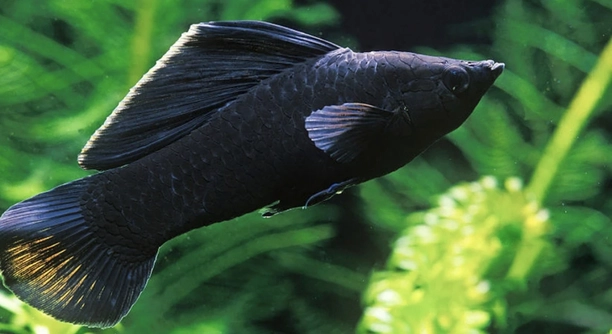
Black mollies are popular freshwater fish known for their shiny black scales and peaceful nature. Many aquarium enthusiasts enjoy keeping them because they are hardy, adaptable, and can thrive in various tank environments with minimal care.
Black mollies can breed year round under proper conditions, including stable water temperature, clean environment, and adequate nutrition. Consistent care ensures frequent reproduction, as these livebearers do not rely on seasonal changes to trigger spawning.
Understanding the factors that influence their breeding can help you maintain a healthy, thriving aquarium and support successful reproduction throughout the year.
Ideal Breeding Conditions
Maintaining stable water conditions is essential for black mollies to breed successfully throughout the year. They thrive in temperatures between 75°F and 82°F, with a pH level ranging from 7.0 to 8.5. Regular water changes help remove toxins and keep the environment healthy. Providing a spacious tank with hiding spots and plants reduces stress, encouraging mating behavior. Proper filtration is necessary to maintain water clarity without creating strong currents that could disturb fry. Lighting should mimic natural day and night cycles, giving the fish a sense of routine. Balanced nutrition, including high-quality flakes, frozen foods, and occasional live foods, supports reproductive health. Observing their behavior can also indicate readiness to breed; males often display more vibrant colors, and females may appear fuller when pregnant. Ensuring all these factors are consistent allows black mollies to reproduce steadily without relying on seasonal cues, making breeding more predictable and manageable in a home aquarium setting.
Black mollies breed best when water remains consistent, and their tank environment supports both comfort and safety.
Providing proper care ensures healthy fry survival and encourages continuous breeding cycles in your aquarium, helping maintain a vibrant population.
Gestation and Fry Care
Gestation for black mollies lasts around 60 to 65 days, depending on water conditions and the female’s health.
After giving birth, females release live fry that are immediately independent. Separating them from adult fish prevents predation and increases survival rates. A breeding box or densely planted area works well. Feeding the fry finely crushed flakes or baby brine shrimp helps them grow quickly. Maintaining clean water is especially important for fry health. Regular observation ensures they are active and developing properly. Overcrowding can lead to stunted growth or stress, so monitoring population density is necessary. Temperature stability and proper nutrition influence growth rate and overall vitality. By providing a safe environment and appropriate care, black molly fry can mature into healthy adults capable of continuing year-round breeding. This approach allows you to manage your tank effectively while supporting the species’ natural reproductive habits.
Tank Setup for Breeding
A spacious tank with plants and hiding spots improves black molly breeding success. Males display brighter colors, and females need areas to release fry safely.
Providing a gentle filtration system and stable water temperature is crucial. Plants like java moss and floating greenery give fry protection and reduce stress. Adequate space prevents overcrowding, which can cause aggression and stunt growth. Lighting should mimic natural cycles to maintain regular feeding and breeding behaviors. Regular water checks keep ammonia and nitrate levels safe. Maintaining this setup encourages continuous reproduction and healthy fry development. Monitoring fish interactions ensures dominant males do not overly harass females, supporting a balanced tank environment.
Regular cleaning and maintenance of the tank prevent diseases and support the health of both adults and fry. Fry survival rates improve significantly when their environment is stable, well-planted, and free from strong water currents.
Ensuring each fish has enough space and hiding options minimizes stress. Stress can delay breeding or lead to aggressive behavior. Plants also serve as natural filters, improving water quality and giving fry a safe area to explore. A well-arranged tank reduces the risk of injury, allows natural movement, and promotes overall health, supporting year-round breeding efficiently.
Feeding and Nutrition
High-quality food is essential for black mollies to breed consistently. A balanced diet improves fertility and fry health.
Adult mollies require a mix of flakes, frozen, and occasional live food. Fry need finely crushed flakes or baby brine shrimp. Feeding multiple small meals daily ensures proper growth and supports reproductive readiness. Nutrient-rich diets enhance color, energy, and overall well-being. Lack of proper nutrition can delay breeding cycles and reduce fry survival. Supplements like spirulina or vegetable matter can boost vitality and reproductive health. Monitoring feeding habits ensures all fish receive adequate portions without polluting the tank.
Consistency in feeding routines directly impacts breeding success. Overfeeding can lead to poor water quality, while underfeeding reduces reproductive efficiency. Proper nutrition supports gestation in females and strengthens fry once born. Balanced feeding schedules, combined with varied food types, maintain adult fish health and prepare them for frequent reproduction. Careful observation of fish appetite and adjusting portions as needed ensures energy levels remain high, promoting year-round breeding. Nutritional support also helps prevent deformities in fry and contributes to a robust, thriving population in your tank.
Water Quality Management
Regular water changes are critical for black molly breeding. Keeping ammonia, nitrite, and nitrate levels low prevents stress and supports healthy reproduction.
Testing water weekly ensures stable pH and temperature. Clean water encourages fry survival and reduces disease risk. Maintaining a gentle filter keeps water clear without disturbing fry or adult fish.
Controlling Tank Population
Overcrowding can cause stress and aggression, reducing breeding frequency. Monitoring the number of adults and separating excess fish is important to maintain balance. Proper population control ensures females are not harassed, fry have space to grow, and the tank environment remains healthy.
Identifying Pregnancy
Female black mollies develop a rounded belly when pregnant. Observing this helps predict when fry will be born.
Monitoring physical changes ensures timely preparation, such as providing hiding spaces or a breeding box. Early identification supports fry survival and prevents stress-related issues for the female.
Fry Growth
Fry need protected spaces to avoid predation. Plants and breeding boxes help keep them safe.
FAQ
How often can black mollies breed?
Black mollies can breed year round if conditions are stable. Females can give birth approximately every 6 to 8 weeks. Maintaining proper water temperature, clean conditions, and good nutrition ensures frequent reproductive cycles. Overcrowding or stress can slow breeding, so monitoring the tank is important.
What is the ideal tank size for breeding?
A tank of at least 20 gallons is recommended for a small group of black mollies. Providing plants and hiding spots helps females release fry safely. A larger tank reduces stress, prevents aggression, and improves fry survival rates. Regular maintenance is crucial in any tank size.
How can I tell when a female is pregnant?
Pregnant females develop a noticeably rounded belly. The gravid spot near the anal fin darkens as birth approaches. Observing these changes allows timely preparation, such as adding a breeding box or extra hiding spaces for fry. Early detection increases fry survival.
Do black mollies need special food to breed?
Balanced nutrition supports breeding success. Adult mollies benefit from high-quality flakes, frozen foods, and occasional live foods. Fry need finely crushed flakes or baby brine shrimp. Supplements like spirulina or vegetable matter enhance energy, coloration, and reproductive readiness. Consistent feeding encourages regular spawning.
How long is the gestation period?
Gestation usually lasts 60 to 65 days. Water temperature and female health can slightly influence the timing. Observing the female’s belly and behavior helps predict birth. Preparing a safe area in advance ensures fry survival and reduces stress for the female.
How can I protect fry from adult fish?
Fry are at risk of being eaten by adults. Using a breeding box, dense plants, or a separate nursery tank keeps them safe. Providing ample cover allows fry to feed, grow, and develop without threat. Regular monitoring ensures their environment remains clean and safe.
What water conditions are best for breeding?
Black mollies thrive in temperatures between 75°F and 82°F with a pH of 7.0 to 8.5. Weekly water tests and regular changes keep levels of ammonia, nitrite, and nitrate safe. Stable, clean water reduces stress and promotes consistent breeding.
Can black mollies breed in small tanks?
Small tanks can support breeding but require careful management. Overcrowding increases aggression and reduces fry survival. Providing plants, hiding spots, and regular water changes is essential. A smaller population and attentive care can still result in successful reproduction.
Do black mollies need a male to breed continuously?
Yes, males are necessary for reproduction. A ratio of one male to two or three females reduces stress on females and encourages successful mating. Excess males can harass females, so monitoring behavior is important to maintain a healthy breeding environment.
How do I care for newborn fry?
Fry need protection, gentle water flow, and high-quality food. Frequent small feedings of finely crushed flakes or baby brine shrimp help them grow. Removing uneaten food prevents water contamination. Clean water and plants for hiding spots ensure fry develop safely into healthy adults.
Can black mollies breed without seasonal changes?
Yes, black mollies are livebearers that do not rely on seasonal changes to spawn. Consistent temperature, nutrition, and clean water allow them to breed year round. Maintaining stable conditions ensures regular reproduction and healthy fry development.
What are signs of stress that affect breeding?
Stress can be caused by poor water quality, overcrowding, or aggressive tankmates. Signs include hiding, reduced appetite, or erratic swimming. Addressing these issues immediately by adjusting tank conditions and providing hiding spots helps maintain consistent breeding cycles.
Is it necessary to separate pregnant females?
Separating pregnant females is not always required but can increase fry survival. Breeding boxes or heavily planted areas allow females to give birth safely. This reduces predation risk from adults and helps fry grow in a stress-free environment.
How long until fry reach maturity?
Fry typically reach sexual maturity at 4 to 6 months. Growth depends on water quality, food, and space. Providing a consistent environment and proper nutrition ensures healthy development and prepares them for eventual breeding.
What common mistakes reduce breeding success?
Overcrowding, poor water quality, inconsistent feeding, and lack of hiding spaces are the main issues. Stress and disease can also affect reproduction. Regular monitoring, proper tank setup, and attentive care support successful year-round breeding.
This FAQ provides practical solutions and tips for managing black molly breeding, supporting healthy adult fish and fry while maintaining a balanced aquarium environment.
Black mollies are a popular choice for aquariums because they are hardy, adaptable, and capable of breeding year round when conditions are stable. Their ability to reproduce without seasonal triggers makes them convenient for hobbyists looking to maintain a consistent population. Successful breeding requires careful attention to water quality, temperature, and nutrition. Maintaining temperatures between 75°F and 82°F and a pH of 7.0 to 8.5 creates an ideal environment for both adults and fry. Clean water is critical, so regular water changes and monitoring of ammonia, nitrite, and nitrate levels help prevent stress and disease. Providing a well-structured tank with plants, hiding spots, and gentle filtration reduces aggression and gives fry safe areas to grow. When all these factors are consistent, black mollies can reproduce steadily, creating a healthy and vibrant aquarium population.
Nutrition plays a significant role in breeding success. Adult mollies benefit from a balanced diet that includes high-quality flakes, frozen foods, and occasional live foods. Proper feeding supports reproductive health and ensures females have enough energy for gestation. Fry require finely crushed flakes or baby brine shrimp to grow quickly and develop properly. Supplements like spirulina or vegetable matter can further improve health and color, which indirectly supports breeding. Feeding multiple small meals throughout the day ensures that all fish receive enough food without polluting the water. Consistency in feeding routines, combined with attention to water quality, creates a stable environment where black mollies can breed successfully. Observing the fish closely also helps identify pregnancy in females, allowing for the preparation of safe areas such as breeding boxes or planted sections of the tank for fry survival.
Maintaining a healthy population requires managing both adults and fry carefully. Overcrowding can lead to stress, aggression, and reduced breeding frequency. Monitoring tank population, providing hiding spots, and using breeding boxes can help protect fry while maintaining harmony among adult fish. Separation of pregnant females is optional but often improves fry survival rates. Fry grow quickly under proper care, reaching sexual maturity around four to six months, allowing for a sustainable breeding cycle. By combining attention to water conditions, nutrition, and tank management, you can support continuous year-round breeding of black mollies. These practices help ensure both adult fish and fry remain healthy, creating a balanced, thriving aquarium ecosystem that maintains long-term reproductive success.

Hello,
If you enjoy the content that we create, please consider saying a "Thank You!" by leaving a tip.
Every little bit helps us continue crafting quality advice that supports the health, happiness, and well-being of pets around the world, for pets of all shapes, sizes, and species.
We really appreciate the kindness and support that you show us!