
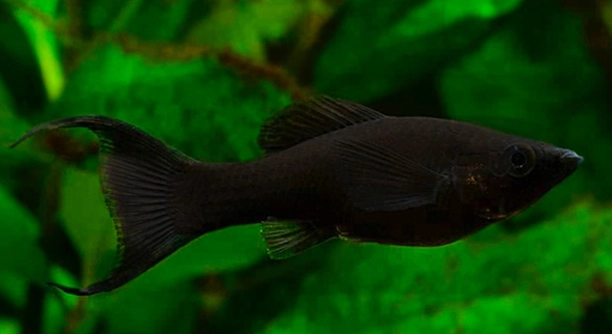
Have you ever noticed your black molly behaving oddly and wondered what might be causing its unusual posture in the water? Sometimes small changes in behavior can hint at underlying issues that deserve closer look.
The primary reason a black molly floats at an angle relates to stress or internal imbalance caused by environmental factors. Poor water quality, digestive issues and swim bladder complications often disrupt its buoyancy and lead to noticeable changes in orientation.
Learning what influences your mollys balance helps you understand its needs better, guiding you toward a healthier aquarium overall setting.
Understanding the Causes
When a black molly floats at an angle, several conditions may be affecting its comfort and stability in the tank. Many cases connect to water quality that has shifted from what the fish normally tolerates. Sudden changes in temperature, pH or hardness can place stress on its body and weaken its ability to maintain steady movement. Another common factor relates to digestive strain from overeating or irregular feeding habits, which can put pressure on internal organs. Swim bladder irritation may also disrupt balance and create a tilted posture that becomes more noticeable over time. Even small fluctuations in ammonia or nitrite levels can influence oxygen intake and make the fish feel unsettled. Observing these patterns early helps you understand what might be affecting your molly. Simple adjustments often support recovery and reduce discomfort, allowing the fish to regain a healthier and more natural position in the water each passing day.
Noticing small shifts in your mollys behavior can help you respond before the issue grows more serious. Quick checks of water parameters, feeding habits and tank conditions give you better insight into what needs attention, helping your fish stay steady and comfortable during daily activity in its usual routine everyday.
Maintaining a stable environment is the most reliable way to keep your black molly from tilting in the water. Regular testing helps you identify problems early, reducing stress that could affect buoyancy. Adjusting temperature and pH slowly prevents shock that may disturb internal balance. Feeding smaller portions lowers the chance of digestive strain, allowing the swim bladder to function more smoothly. Gentle cleaning practices keep the tank free of harmful substances without disrupting beneficial bacteria. Monitoring behavior over time strengthens your understanding of what is normal, helping you respond quickly when something feels off for your fish each day overall.
How to Help Your Black Molly
Simple steps can make a noticeable difference in how your black molly moves in the tank. Start by checking water parameters and adjusting them within safe ranges. Provide consistent feeding routines and keep the environment calm to support steady movement and better overall balance throughout the entire day for stability.
Improving your mollys well being begins with steady care that focuses on water quality and routine maintenance. Start by testing for ammonia, nitrite and nitrate since irregular levels can make the fish feel stressed or unbalanced. Perform partial water changes on a consistent schedule to keep conditions stable without causing sudden shifts that might overwhelm its system. Keep the temperature within a safe range and avoid fluctuations that could interfere with normal buoyancy control. Offer small meals that are easy to digest, reducing pressure on internal organs and lowering the chance of swim bladder irritation that leads to tilted posture. Limit overcrowding so your molly has space to move comfortably, which encourages natural swimming patterns. Add gentle filtration to maintain circulation without creating strong currents that force the fish to struggle. Observe your molly daily, noting small changes in movement or appetite that may indicate a developing concern. Paying attention to these signs helps you act promptly and protect the fish from prolonged discomfort, supporting a calm and healthy environment in the tank. Regular habits make improvement easier and keep your molly steady as it adapts to better conditions each week in your aquarium setup for ongoing comfort and health.
Common Mistakes to Avoid
Many issues begin when the tank is maintained inconsistently or changes are made too quickly. Sudden shifts in temperature or pH create stress that affects buoyancy, making your molly uncomfortable. Overfeeding also adds pressure on internal organs, which often leads to irregular floating and noticeable imbalance in daily movement.
Feeding more than your molly needs often leads to digestive strain that affects its ability to stay upright. Large meals that are hard to digest can push against the swim bladder, making balance harder to maintain. Uneaten food sinks, increasing waste that disrupts water quality. This combination can create a cycle of stress that affects posture. Offering small, manageable portions reduces pressure on your mollys system and helps it move with ease. Consistency matters, and keeping meals simple supports a stable and calmer tank environment that benefits your fish over time.
Rushing tank adjustments can cause long lasting discomfort for your molly. Rapid temperature changes shock its system, making it harder for the fish to swim normally. Adjustments in pH or hardness that happen too fast can irritate internal organs and create imbalance. Cleaning the tank too thoroughly removes good bacteria that support a healthy environment, forcing your molly to adapt to sudden shifts that it may not tolerate well. Making all changes slowly gives your fish time to adjust without added stress, allowing it to regain steadier movement and reducing the risk of angled floating.
When to Seek Additional Help
If your mollys posture does not improve even after adjusting water quality and feeding routines, a deeper issue may be developing. Long lasting imbalance, unusual swimming patterns or appetite changes can signal stress that requires attention. Early support helps you prevent further decline in your fishs comfort.
Persistent imbalance may be linked to infection or internal swelling that affects normal buoyancy. If your molly continues to tilt despite clean water and careful feeding, consider isolating it in a quiet tank to reduce stress while monitoring changes. Look for signs such as bloating, rapid breathing or darkened coloration, which may indicate infection. In these situations, seeking guidance from an aquatic specialist can help you find suitable treatments that support recovery. Prompt action improves the chance of restoring balance and protecting your molly from worsening discomfort. Regular observation ensures you notice early signals and respond with proper care, helping your fish return to steady swimming with gentle support.
Useful Tank Adjustments
Raising the overall stability of the tank helps your molly stay balanced. Keeping temperature changes slow and steady prevents stress that affects movement. Regular checks of ammonia, nitrite and nitrate levels reduce discomfort and support healthier swimming patterns throughout the day.
Adding gentle aeration helps maintain oxygen levels that keep your molly comfortable. Strong currents should be avoided since they force the fish to work harder to stay upright. Keeping filtration calm and consistent encourages smoother swimming and reduces the chance of angled floating caused by unnecessary strain.
Simple Preventive Habits
Maintaining a stable feeding routine and offering small meals helps prevent digestive pressure that affects buoyancy. Consistent water testing reduces the chance of sudden shifts that disturb your mollys balance. Routine partial water changes keep the tank clean without overwhelming the fish, giving it a comfortable space to swim naturally every day.
Final Checks
Watching how your molly behaves each day helps you notice early signs of discomfort before the issue worsens. Tracking appetite, posture and energy levels guides you toward quick adjustments that support steady movement and keep your fish comfortable in its usual environment.
FAQ
Why is my black molly floating at an angle all the time?
This behavior usually indicates a problem with buoyancy. Common causes include swim bladder issues, digestive strain from overfeeding, or stress due to sudden changes in water temperature, pH, or hardness. Long-term imbalance can also point to infection or internal swelling that affects its ability to swim normally. Consistently monitoring water quality and feeding routines often helps correct the problem.
Can poor water quality make my molly float strangely?
Yes, unstable water conditions are a frequent reason for angled floating. Elevated ammonia or nitrite levels can irritate gills, stress the fish, and make it hard for the molly to maintain a normal position. Keeping a regular water testing schedule and performing partial water changes can improve its balance and overall health.
Could overfeeding be causing this behavior?
Overfeeding is a common factor that pressures the swim bladder. Large meals or food that is difficult to digest may create bloating or internal strain. Feeding smaller, manageable portions and removing uneaten food promptly can reduce digestive issues and help your molly swim normally again.
How can temperature changes affect my black molly’s swimming?
Black mollies are sensitive to temperature fluctuations. Sudden increases or decreases in water temperature can shock their system, disrupting buoyancy control. Maintaining a consistent temperature and adjusting it slowly when needed helps prevent stress-related angled floating. A heater with a thermostat can maintain stability.
Should I be worried about swim bladder disease?
Swim bladder problems are a common reason for tilted floating. Symptoms include difficulty staying upright, floating sideways, or struggling to swim. Causes can be digestive issues, bacterial infection, or genetic predisposition. Adjusting feeding habits and water conditions often improves mild cases, but persistent symptoms may require veterinary advice.
Can tank size or overcrowding affect my molly?
Yes, a crowded tank increases stress and restricts natural swimming. Limited space forces the molly to compensate constantly, which can result in angled floating. Providing adequate space and limiting the number of fish per tank improves movement and overall comfort.
Are there signs I should watch for that indicate a serious problem?
Persistent tilting, loss of appetite, rapid gill movement, or sudden color changes are indicators that something deeper may be affecting your molly. These signs often signal infection, internal swelling, or prolonged stress. Promptly isolating the affected fish and seeking professional advice can prevent worsening of the condition.
How do partial water changes help my molly?
Partial water changes help remove waste and balance chemical levels without shocking the fish. Frequent small changes are better than large, infrequent ones, as they maintain stability and reduce stress. This supports proper buoyancy and keeps your molly active and healthy.
Can I treat swim bladder issues at home?
Mild cases caused by diet or minor stress can often improve at home by adjusting feeding and maintaining optimal tank conditions. Avoid overfeeding, provide high-quality food, and keep the water clean and stable. Persistent issues may require professional evaluation or medication.
Is it normal for black mollies to tilt occasionally?
Occasional tilting can happen if the fish is adjusting after a meal or exploring different water levels. However, consistent angled floating is not normal and usually indicates a problem that should be addressed through water quality, feeding routines, or medical evaluation if needed.
How long does it take for a molly to recover from floating at an angle?
Recovery time depends on the cause. Minor digestive or stress-related issues can improve within a few days if proper adjustments are made. Swim bladder disease or infection may take longer, and professional treatment might be necessary. Patience and careful monitoring are key to supporting recovery.
Are there foods that help prevent buoyancy issues?
Easily digestible foods such as high-quality flake food, frozen brine shrimp, or blanched vegetables can help reduce digestive strain. Avoid overfeeding and vary the diet to maintain overall health. Feeding smaller portions at regular intervals supports normal swim bladder function.
Can stress from tank decorations or strong currents cause angled floating?
Yes, strong currents or abrupt changes in the tank environment can stress your molly, affecting its balance. Keep filtration gentle and provide calm areas in the tank where the fish can rest and swim comfortably. Avoid frequent rearrangement of decorations.
How often should I check water parameters to prevent floating issues?
Regular monitoring is essential. Checking temperature, pH, ammonia, nitrite, and nitrate levels at least once a week helps detect problems early. Quick action in response to changes prevents stress and maintains proper buoyancy for your molly.
Is it safe to isolate my molly if it continues floating at an angle?
Isolating a struggling molly in a quiet, stable tank can reduce stress and allow closer monitoring. Make sure the water parameters match the main tank and maintain regular feeding routines. This approach can help your molly recover more quickly while minimizing risks from other fish.
Can water hardness affect my black molly’s swimming?
Yes, water hardness influences buoyancy and overall comfort. Sudden changes in hardness can stress the fish, affecting its ability to swim upright. Gradual adjustments and maintaining consistent levels ensure your molly remains balanced and active.
Should I consider veterinary care for persistent floating?
Persistent angled floating despite water and feeding adjustments may indicate infection, internal swelling, or swim bladder disease. Consulting an aquatic veterinarian ensures proper diagnosis and treatment, increasing the chances of full recovery and preventing long-term discomfort.
Can I prevent angled floating from occurring in the first place?
Preventive care focuses on stable water conditions, consistent feeding routines, adequate tank space, and gentle filtration. Regular observation for small behavior changes allows early intervention, reducing the risk of buoyancy problems and keeping your black molly healthy and steady over time.
What is the most important factor in correcting angled floating?
Maintaining consistent water quality, proper feeding, and observing your molly daily are key. Immediate response to any changes in posture, appetite, or energy supports faster recovery. Stability in the tank environment ensures the fish can regain balance without additional stress.
How do I know if my molly is improving?
Signs of improvement include more consistent swimming, normal posture, renewed energy, and regular feeding behavior. Gradual correction of angled floating and reduced stress levels indicate that your adjustments are working and that your molly is returning to a healthier state.
Are certain black mollies more prone to floating issues?
Genetic predisposition and age can affect susceptibility. Young or older fish, or those with prior health issues, may experience swim bladder problems more frequently. Careful monitoring and consistent maintenance can reduce the likelihood of recurring balance issues for all fish in the tank.
How can I support long-term health to prevent floating?
Consistent feeding, stable water parameters, gentle filtration, and observation of behavior are essential. Avoid overfeeding, overcrowding, and sudden changes. Providing a calm, clean, and steady environment ensures your black molly remains balanced and comfortable, reducing the risk of recurring angled floating.
What role does observation play in maintaining buoyancy?
Daily monitoring of posture, swimming patterns, and appetite allows you to detect early signs of imbalance. Timely adjustments in feeding, water quality, or tank conditions prevent minor issues from becoming serious, supporting a healthier and steadier molly over time.
How long should I isolate my molly if it has swim bladder issues?
Isolation should continue until the fish shows consistent improvement in swimming and posture. Monitor water parameters and behavior daily. Gradually reintroduce the molly to the main tank once it demonstrates normal balance and energy to prevent relapse or stress.
Can diet alone fix angled floating?
Diet helps in mild cases, especially when digestive strain is involved. High-quality, easily digestible food and small, consistent meals can relieve pressure on the swim bladder. However, if underlying water quality or infection issues exist, dietary changes alone may not fully correct the problem.
Is it common for black mollies to have swim bladder problems?
Swim bladder issues are relatively common among black mollies, especially when environmental or dietary conditions are inconsistent. Regular care, feeding control, and stable water parameters significantly reduce the risk of these problems developing in your tank.
How can I prevent infection-related floating?
Maintain clean water, avoid overcrowding, and quarantine new fish before introducing them to the tank. Prompt attention to early signs like bloating or lethargy reduces the chance of infections affecting buoyancy. Keeping the environment stable supports overall immunity and healthy swimming.
What should I do if my molly tilts after every meal?
This often indicates digestive strain. Offer smaller portions, soak dry food before feeding, and remove uneaten food. Providing a varied diet with easily digestible items helps prevent swim bladder pressure and allows the molly to maintain normal posture more consistently.
Can tank lighting or stress affect swimming posture?
Excessively bright or irregular lighting can stress mollies, leading to erratic swimming or angled floating. Keep lighting consistent and avoid abrupt changes. A calm environment with proper hiding spots allows the fish to swim naturally and reduces stress-related tilt.
Are there any medications that help with swim bladder issues?
Some mild cases respond to antibiotics or probiotics if an infection or gut imbalance is present. Always consult an aquatic specialist before using medication to ensure proper dosing and treatment. Incorrect use may harm the fish or worsen symptoms.
How often should I observe my molly for early signs of problems?
Daily observation is ideal. Watching swimming patterns, posture, energy levels, and appetite allows you to catch problems early, adjust care, and prevent minor issues from developing into serious buoyancy problems. Consistent monitoring keeps your molly steady and comfortable.
Is tilting more serious in older mollies?
Older mollies may have weaker swim bladders or slower recovery from stress and digestive issues. Pay close attention to posture, diet, and water quality. Supportive care and slow adjustments help maintain balance and comfort as the fish ages.
Can tankmates cause stress leading to angled floating?
Aggressive or overly active tankmates can stress a black molly, forcing it to swim awkwardly to avoid conflict. Providing space, hiding spots, and calm companions reduces stress and supports normal swimming behavior.
Are there environmental changes that help my molly regain balance?
Adding gentle currents, maintaining stable water parameters, and creating resting areas support natural swimming. Avoid sudden decoration changes or strong filtration that can challenge balance. Consistent conditions give your molly a chance to regain proper posture over time.
How long should I wait to see improvements after adjusting water and feeding?
Minor adjustments often show results within a few days. Digestive or mild stress-related issues may resolve quickly, but swim bladder or infection-related problems can take weeks. Monitor daily and adjust care gradually to support recovery.
What is the best way to reduce stress in my tank?
Maintain stable water conditions, provide hiding spots, avoid overcrowding, and keep lighting consistent. Gentle filtration and calm tankmates reduce stress, allowing your molly to swim steadily and maintain a healthy posture.
Are there long-term effects of untreated angled floating?
Untreated floating can lead to prolonged stress, difficulty feeding, and reduced mobility. Over time, this can weaken the immune system and make the fish more susceptible to infections or organ problems. Early care prevents lasting health issues.
Should I change the diet if my molly is tilted frequently?
Yes, providing smaller, more digestible meals can relieve pressure on the swim bladder. Incorporate high-quality flake food, frozen or blanched options, and avoid overfeeding. Adjustments in diet often improve posture when paired with proper water maintenance.
Can I use home remedies to help with buoyancy issues?
Some mild digestive-related problems respond to fasting or feeding peas to relieve pressure. However, home remedies are only effective for minor cases. Persistent or severe floating requires professional guidance to ensure safety and effective treatment.
Does fasting help improve swim bladder function?
A short fasting period of one to two days can allow the digestive system to clear and reduce pressure on the swim bladder. Follow with easily digestible food in small portions. This method helps restore proper posture and smoother swimming for your molly.
Can water flow patterns in the tank affect swimming posture?
Strong or uneven currents force the molly to work harder to stay upright, leading to angled floating. Adjust filtration to produce gentle, consistent water movement and provide calm areas to encourage natural swimming and comfort.
Is it normal for a molly to float at different angles occasionally?
Occasional tilting after eating or exploring water layers can happen. Consistent angled floating, however, indicates a problem. Observing the frequency and context helps determine if intervention is needed to prevent stress or health issues.
How can I keep my molly active while recovering?
Ensure stable water conditions, provide gentle currents, and maintain small feeding portions. Creating calm spaces allows swimming without overexertion, supporting gradual recovery and encouraging movement that strengthens balance and overall well-being.
Should I change tank mates if my molly floats at an angle?
Aggressive or dominant tankmates may worsen stress and floating. If behavior persists, consider more compatible companions or isolated recovery until balance returns. This ensures a calmer environment for your molly to regain normal posture.
Are black mollies more prone to buoyancy problems than other fish?
They can be more sensitive due to their body structure and active nature. Maintaining careful feeding, stable water parameters, and observing behavior regularly helps prevent issues more effectively than in less sensitive species.
What is the easiest way to support swim bladder recovery?
Keep water stable, feed small digestible meals, monitor behavior, and reduce stressors. Gentle filtration and calm tankmates create a supportive environment. Consistency and patience are key, allowing your molly to regain balance naturally over time.
How do I track improvement over time?
Observe posture, swimming patterns, appetite, and energy daily. Keep notes on any changes to compare over days or weeks. Gradual improvement shows your adjustments are working, while persistent issues signal the need for further intervention.
Can swim bladder issues recur?
Yes, without consistent care, poor feeding habits, or sudden environmental changes, buoyancy problems can return. Maintaining a steady routine, stable water, and proper diet reduces the risk of recurrence and supports long-term health.
How long should I monitor my molly after recovery?
Continue observing daily for at least a few weeks after recovery. Monitoring ensures stability, detects early signs of stress or imbalance, and helps maintain steady swimming behavior for long-term health.
Are there warning signs that immediate action is needed?
Sudden tilting, severe bloating, rapid gill movement, or refusal to eat indicate urgent issues. Quick response, including isolation and professional consultation if necessary, can prevent serious health problems and support recovery.
What equipment is most helpful for maintaining stability?
A reliable heater, thermometer, gentle filter, and water testing kit allow you to keep conditions stable. Regular use of this equipment ensures consistent temperature, proper filtration, and safe chemical levels, supporting your molly’s comfort and balance.
How important is tank maintenance in preventing angled floating?
Consistent cleaning, partial water changes, and careful monitoring prevent fluctuations in water quality that cause stress or digestive problems. Routine maintenance supports a stable environment, reducing the likelihood of buoyancy issues and keeping your black molly healthy over time.
What role does observation play in long-term prevention?
Daily attention to swimming patterns, posture, appetite, and energy helps detect minor problems early. Quick response to changes ensures steady buoyancy, reduces stress, and prevents more serious health issues from developing in your molly over time.
Can stress from handling affect my molly?
Yes, frequent or rough handling can cause stress that impacts buoyancy. Avoid unnecessary contact and disturbances to allow your molly to swim naturally and maintain a proper posture in the tank. Gentle care supports long-term balance and well-being.
Is it possible to fully correct angled floating in most cases?
Yes, many cases caused by digestive strain, stress, or minor swim bladder issues can be corrected with consistent care, proper feeding, and stable water conditions. Persistent or severe cases may require professional treatment to restore full balance and normal swimming behavior.
Are there signs of permanent swim bladder damage?
Continuous tilted floating, inability to maintain normal posture, and poor response to environmental adjustments may indicate lasting damage. Early intervention is essential to prevent long-term discomfort or compromised mobility.
How does feeding schedule affect swim bladder health?
Regular, small meals reduce digestive strain and pressure on the swim bladder. Irregular feeding or large meals increase the risk of buoyancy problems. Consistent schedules support proper digestion and steady swimming behavior.
Can water additives improve buoyancy issues?
Some aquarium salts or probiotics may support mild digestive or stress-related buoyancy problems. Always use recommended doses and consult guidelines for your species. Incorrect use can worsen the situation rather than help.
Is it normal for black mollies to swim at angles occasionally while exploring?
Occasional tilting is natural when maneuvering through different water levels or navigating tank features. Persistent or frequent angled floating outside of exploration signals a problem that should be addressed with water quality, feeding, or medical care.
How can I support my molly’s recovery without medications?
Maintain stable water conditions, provide small digestible meals, limit stress from tankmates or strong currents, and observe behavior daily. These actions often allow natural recovery, especially in cases caused by diet or minor environmental stress.
What is the relationship between digestion and swim bladder function?
Overfeeding or feeding difficult-to-digest foods can press against the swim bladder, making it harder for the fish to maintain normal posture. Supporting healthy digestion through smaller, balanced meals reduces pressure and encourages proper buoyancy.
Should I change the tank setup if my molly floats at an angle?
Major changes should be avoided during recovery. Gentle adjustments like calm areas or resting spots can help, but sudden changes in layout, decorations, or filtration may increase stress and delay improvement. Gradual changes are safest.
How long does it take for dietary changes to affect swimming posture?
Improvement may be visible within a few days to a week. Digestive relief allows the swim bladder to function normally, but persistent underlying problems may take longer to correct or require additional intervention.
Are some foods more likely to cause buoyancy problems?
Dry, hard-to-digest pellets, excessive frozen or live food, or irregular feeding amounts can create digestive strain. High-quality flake food, soaked pellets, and small, consistent portions reduce pressure on the swim bladder and support steady swimming.
Is fasting alone enough to fix angled floating?
Fasting helps with digestive-related tilt but does not address stress, infection, or water quality issues. Combine fasting with stable tank conditions and small, digestible meals afterward for better recovery results.
Can tank decorations cause stress that leads to floating issues?
Sharp or densely packed decorations may increase stress or limit swimming space. Calm, open areas with gentle hiding spots reduce stress, allowing your molly to swim naturally and regain balance.
How do I know if my molly is stressed from its environment?
Signs include rapid gill movement, hiding excessively, erratic swimming, or frequent angled
Final Thoughts
Maintaining a healthy black molly requires attention to several factors, with water quality and feeding routines being the most important. Stable water conditions, including temperature, pH, and hardness, help prevent stress that can cause angled floating. Regular testing of these parameters allows you to notice small changes early, reducing the chance of buoyancy problems. Partial water changes done consistently keep the tank free from harmful chemicals and waste, supporting a comfortable environment for your molly. Even small shifts in water quality can affect how the fish moves, so maintaining a steady routine is essential. Overfeeding is another common factor that puts pressure on the swim bladder and can lead to floating at an angle. Providing smaller, easily digestible meals reduces strain on internal organs and improves balance. Monitoring feeding habits and adjusting portion sizes as needed helps prevent digestive issues that can interfere with normal swimming. Careful attention to both diet and water creates a foundation for overall health and steady movement.
Observing your black molly daily is equally important. Watching posture, swimming patterns, and energy levels allows you to spot early warning signs of potential problems. Tilted floating, changes in appetite, or unusual behavior can indicate stress, digestive strain, or even illness. Responding quickly to these signs often resolves minor issues before they develop into more serious concerns. If problems persist, isolating the affected fish in a quiet environment can reduce stress and provide an opportunity to address water quality or feeding adjustments. In some cases, professional guidance may be necessary to treat swim bladder disease or infections. Keeping detailed notes on behavior and water conditions helps you identify patterns and make better decisions for your molly’s care. Over time, these observations become valuable tools for maintaining long-term health. The more you understand your fish’s habits, the easier it is to respond to changes and prevent floating problems from recurring.
Creating a calm and stable environment supports both recovery and overall well-being. Gentle filtration, appropriate tank size, and compatible tankmates reduce stress and allow your molly to swim comfortably. Providing resting areas or hiding spots gives the fish space to relax, which can improve balance and reduce the likelihood of angled floating. Dietary adjustments, consistent feeding schedules, and water monitoring all work together to maintain proper buoyancy. Recovery from floating issues often takes patience, as improvement may be gradual depending on the cause. Minor problems related to digestion or stress may resolve in days, while swim bladder disease or infections may require weeks of care. The key is maintaining stability and paying attention to changes, which helps your molly regain normal posture safely. Long-term success depends on combining careful observation with consistent maintenance, creating an environment where your black molly can thrive, swim naturally, and remain healthy over time.

Hello,
If you enjoy the content that we create, please consider saying a "Thank You!" by leaving a tip.
Every little bit helps us continue crafting quality advice that supports the health, happiness, and well-being of pets around the world, for pets of all shapes, sizes, and species.
We really appreciate the kindness and support that you show us!