
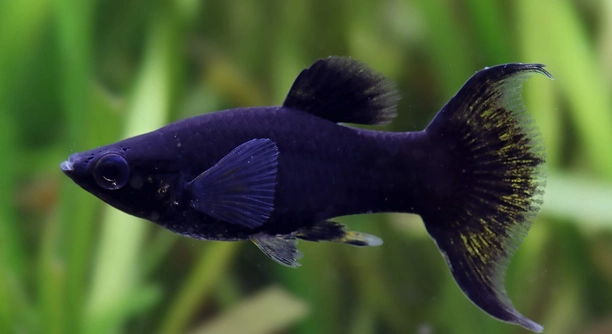
Are your black molly fry staying small despite your careful care and attention? Watching them swim around but not grow can be frustrating for any aquarist. Understanding the factors affecting their development is essential.
The most common reasons black molly fry fail to grow include inadequate nutrition, overcrowded tanks, unstable water conditions, and insufficient temperature. Ensuring proper diet, clean water, and appropriate space significantly improves growth rates and overall health in young mollies.
Proper care and small adjustments can make a noticeable difference in your fry’s growth and vitality. Following the right steps ensures healthier, more active fish.
Common Feeding Mistakes
Many black molly fry struggle to grow due to improper feeding practices. Overfeeding or underfeeding can both lead to stunted growth. Fry require tiny, frequent meals with high-quality food that is easily digestible. Using large flakes intended for adult fish can cause digestive issues or leave fry unable to consume enough nutrients. Live foods like baby brine shrimp or finely crushed flakes are ideal for promoting healthy development. Consistency is key—skipping meals or providing irregular feeding schedules can disrupt growth patterns and weaken their immune systems. Additionally, leftover food can quickly decay, affecting water quality and further impacting fry health. Observing their behavior during feeding helps determine if all fry are receiving sufficient nutrition. Adjusting portions and ensuring even distribution of food in the tank allows all fry to thrive. Over time, proper feeding improves both size and vitality, ensuring a stronger, healthier population.
Monitoring your fry while feeding helps ensure no fish is left behind. Small adjustments can make a big difference.
Providing the right food consistently also strengthens immune responses, reduces susceptibility to disease, and encourages active swimming. A proper feeding plan tailored to fry size and developmental stage is critical. Combining live, frozen, and specially formulated fry foods supports balanced growth. Monitoring growth patterns and adjusting portions ensures each fish is receiving enough nutrients without overloading the tank. Maintaining clean water by removing uneaten food prevents harmful bacteria and ammonia spikes, which can slow growth.
Tank Conditions and Space
Overcrowding and poor water quality greatly affect fry growth. A spacious, well-maintained tank encourages healthy development.
Maintaining stable water temperature and regular partial water changes keeps fry comfortable and reduces stress. Proper filtration prevents buildup of waste and harmful chemicals, which can stunt growth or increase susceptibility to disease. Adequate hiding spots, plants, or decorations provide fry with secure areas to explore and reduce aggression from older fish. Tracking water parameters like pH, hardness, and nitrate levels ensures optimal conditions. Small, consistent adjustments are preferable to sudden changes, which can shock delicate fry. Tank size also plays a significant role; crowded tanks limit swimming space and reduce oxygen levels, slowing development. By providing a clean, stable environment and sufficient room, fry are more likely to grow evenly and reach healthy adult size. Regular observation helps detect early issues, allowing timely interventions and adjustments. Healthy tank conditions, combined with proper feeding, create an environment that promotes steady growth and resilience in black molly fry.
Temperature and Water Quality
Black molly fry are sensitive to sudden temperature changes. Maintaining a stable water temperature around 78–80°F supports metabolism and growth. Sudden drops or spikes can stress fry and slow development. Regular monitoring is essential to prevent issues that affect growth.
Consistent water quality is critical for healthy fry. High ammonia, nitrite, or nitrate levels can stunt growth and increase vulnerability to disease. Regular water changes, gentle filtration, and avoiding overfeeding help maintain a clean environment. Using a water testing kit ensures parameters stay within safe ranges. Temperature fluctuations or dirty water can reduce appetite, weaken the immune system, and slow development over time.
Proper care involves not only feeding but also creating a stable, clean environment. A steady temperature, clean water, and careful observation of behavior ensure fry are comfortable and growing steadily. These small steps prevent stress-related growth delays and promote stronger, healthier fish overall.
Genetics and Growth Variations
Genetics play a significant role in the growth rate of black molly fry. Some fry naturally grow faster, while others develop more slowly. Differences in size and appearance are normal and expected.
Even with ideal conditions, fry from different parents may show varied growth rates. Inherited traits, such as metabolism, body structure, and resilience, influence how quickly each fry reaches maturity. Observing growth patterns helps identify consistently slow growers, but minor variations are natural. Selective breeding can improve growth traits over generations, but some fry will always grow at their own pace. Genetics also affect coloration, body shape, and overall health, making each fry unique despite similar care routines.
Environmental factors interact with genetics to influence growth. Proper nutrition, clean water, and sufficient space allow genetic potential to be realized. While some fry remain smaller due to inherited traits, most thrive under stable, consistent care. Accepting natural differences ensures patience and realistic expectations, reducing frustration while supporting overall tank health. By monitoring conditions and providing optimal care, you can maximize growth potential for the majority of your black molly fry.
Overcrowding
Overcrowding slows fry growth by limiting swimming space and increasing stress. Too many fish in one tank can lead to competition for food, lower oxygen levels, and higher waste accumulation. Keeping fry in appropriately sized tanks supports healthier, faster growth.
Providing enough room allows each fry to swim freely and access food without stress. Crowding often causes weaker fry to fall behind in growth and development, so spacing is essential for overall tank health.
Disease and Parasites
Diseases and parasites can stunt growth in black molly fry. Infections may reduce appetite, weaken the immune system, or cause developmental delays. Early detection and treatment are critical to prevent long-term effects and maintain healthy growth rates.
Light and Activity
Proper lighting encourages normal activity and feeding patterns. Insufficient or excessive light can stress fry, reducing growth and vitality.
FAQ
Why are my black molly fry not growing as fast as expected?
Fry growth depends on multiple factors, including water quality, temperature, nutrition, and tank space. Even when all conditions are ideal, genetics can cause variations in size. Ensuring proper feeding, stable water parameters, and enough swimming space helps most fry grow at a healthy rate.
How often should I feed black molly fry?
Fry need small, frequent meals throughout the day, usually 3–5 times depending on age and size. Overfeeding can foul the water, while underfeeding can stunt growth. Live foods like baby brine shrimp or finely crushed flakes provide necessary nutrients for proper development.
Can overcrowding affect growth?
Yes, overcrowding increases stress, reduces available food, and lowers oxygen levels. Crowded conditions also raise waste levels, impacting water quality. Keeping fry in tanks with proper space ensures better growth rates and reduces stress-related issues.
What water parameters are best for black molly fry?
Stable temperature around 78–80°F, pH 7–8, and low ammonia, nitrite, and nitrate levels are ideal. Regular water changes and monitoring prevent harmful fluctuations that can slow growth or cause disease. A gentle filter ensures circulation without stressing fry.
Do black molly fry need special food?
Yes, fry require finely crushed flakes, specialized fry food, or live foods. Adult fish food is often too large or nutrient-poor. Feeding a mix of high-quality options ensures balanced nutrition and supports strong growth and immune system development.
How long does it take for black molly fry to grow?
Growth varies with genetics, diet, and tank conditions. Typically, fry show noticeable growth within 4–6 weeks. Consistently providing optimal conditions allows fry to reach juvenile size faster, though some variation among individual fry is normal.
Can disease slow down growth?
Yes, parasites, bacterial infections, or fungal issues can reduce appetite, weaken immunity, and slow growth. Early detection and proper treatment are essential. Maintaining clean water and avoiding overcrowding helps prevent disease-related growth delays.
Does temperature affect fry growth?
Stable temperatures around 78–80°F promote metabolism and growth. Sudden drops or spikes stress fry, lowering appetite and slowing development. Using a reliable heater and monitoring with a thermometer ensures optimal conditions.
Is it normal for some fry to grow slower than others?
Yes, genetics play a role in growth differences. Even with perfect care, some fry naturally develop more slowly. Proper feeding and tank conditions ensure they remain healthy while reaching their genetic potential over time.
How can I improve growth in slow-developing fry?
Focus on consistent feeding, clean water, stable temperature, and enough space. Isolating very small fry in a separate tank with targeted feeding can help them catch up without competition from larger siblings. Regular observation allows you to address minor issues before they impact development.
Can tank decorations affect fry growth?
Decorations and plants can provide hiding spots and reduce stress, which indirectly supports growth. However, too many decorations can reduce swimming space, which may slow development. Balance hiding places with open areas for active swimming and feeding.
Should I use a separate tank for fry?
Using a fry tank prevents competition from adult fish, reduces stress, and allows precise control over feeding and water conditions. This environment supports faster growth and increases survival rates for delicate young fry.
How do I know if fry are healthy?
Healthy fry are active, swim steadily, and show good appetite. Clear eyes, vibrant coloration, and consistent growth indicate proper care. Dull color, lethargy, or stunted growth may signal water quality issues, disease, or nutritional deficiencies.
Can I accelerate growth naturally?
Providing consistent high-quality food, clean water, stable temperature, and adequate space encourages fry to reach their growth potential. Avoid shortcuts like excessive feeding or chemical growth enhancers, which can harm health and stunt development.
What signs indicate water problems affecting growth?
Cloudy water, high ammonia or nitrite levels, foul odor, and increased fry mortality indicate water issues. Regular testing, partial water changes, and gentle filtration maintain safe conditions and support steady growth.
Is it normal for fry to stop growing temporarily?
Yes, temporary pauses can occur due to stress, water changes, or illness. Observing behavior, feeding response, and water parameters helps determine if intervention is needed. Proper care usually resumes normal growth patterns.
How long until fry reach adult size?
Depending on genetics and conditions, black molly fry typically reach adult size in 4–6 months. Consistent care throughout this period ensures they grow healthily and develop proper body structure, coloration, and resilience.
Can adding live plants improve growth?
Live plants improve water quality by absorbing nitrates and providing shelter. Reduced stress and better oxygenation contribute to healthier fry growth. Plants also create a natural environment where fry feel secure and swim actively, promoting development.
What is the best way to monitor growth?
Observe fry daily for activity, appetite, and size. Taking notes or photos weekly helps track growth trends. Monitoring ensures early detection of problems like slow development, stress, or disease, allowing timely adjustments to care routines.
Do fry need supplemental vitamins?
A balanced diet with quality fry food typically provides necessary nutrients. Some aquarists use vitamin-enriched foods occasionally to support health, but over-supplementation can be harmful. Prioritize natural, high-quality food sources first.
How important is water flow for fry?
Gentle water flow improves oxygenation without stressing fry. Strong currents can tire small fry and slow growth. Positioning filters to create mild circulation ensures fry remain active and healthy while maintaining clean water conditions.
Can stress affect growth rates?
Yes, stress from overcrowding, sudden changes, or aggressive tankmates reduces appetite and slows metabolism. Minimizing stress through proper tank setup, feeding, and stable conditions supports consistent growth.
Are there differences in growth between male and female fry?
Males may grow slightly slower or develop differently in body shape and coloration compared to females. Proper care supports both genders reaching healthy adult size, though minor differences are normal and expected.
What should I do if some fry are not growing despite proper care?
Evaluate water quality, diet, tank space, and temperature. Consider isolating smaller fry for targeted feeding and observation. Genetics may also play a role, meaning some fry grow slower despite optimal conditions, which is normal.
How often should I check water parameters for fry tanks?
Daily or every other day for temperature and ammonia is recommended, with weekly checks for pH, nitrite, and nitrate. Regular monitoring ensures stable conditions and prevents growth issues caused by poor water quality.
Can changing tanks frequently affect growth?
Frequent moves cause stress, which can slow appetite and growth. Minimize tank transfers and acclimate fry gradually when moving to avoid setbacks in development. Stable, consistent conditions are key to steady growth.
What role does light play in fry growth?
Moderate lighting encourages normal activity and feeding patterns. Excessive or insufficient light can stress fry and reduce growth. Providing a stable day-night cycle supports healthy metabolism and behavior.
How can I tell if fry are underfed?
Underfed fry may appear smaller, less active, and show slower development compared to siblings. Observing feeding behavior and growth trends helps determine if portions or frequency need adjustment. Ensuring all fry receive enough food supports even growth across the group.
Is it normal for fry to hide a lot?
Some hiding is natural, especially for shy or smaller fry. Excessive hiding can indicate stress, overcrowding, or illness, which may indirectly affect growth. Providing secure spots while ensuring open swimming areas balances comfort with activity.
Can water hardness affect growth?
Yes, black molly fry thrive in moderately hard water. Soft or extremely hard water can stress fry and impact growth rates. Monitoring hardness and adjusting with appropriate minerals helps maintain healthy development.
What is the most common mistake slowing fry growth?
Inconsistent feeding and poor water quality are the most frequent causes. Regular feeding with proper food, stable temperature, and clean water ensures fry develop at their expected rate and stay healthy.
How can I prevent stunted growth in the future?
Maintain stable conditions, proper nutrition, and adequate space from the start. Regular observation and timely adjustments prevent issues, ensuring fry reach their full growth potential. Planning tank setup with these factors in mind reduces long-term problems.
How do I handle aggressive tankmates?
Keep fry separated from adults or aggressive species. Aggression reduces feeding opportunities and increases stress, which slows growth. Using a dedicated fry tank ensures safety, better nutrition access, and steady development.
Can water changes speed up growth?
Regular partial water changes maintain clean conditions, remove waste, and prevent harmful chemical buildup. Healthy water promotes appetite, reduces stress, and supports faster, consistent growth without shocking fry with sudden large changes.
Is temperature the same for all fry stages?
Slight variations may be acceptable, but generally keeping fry at 78–80°F throughout early development ensures stable metabolism and growth. Gradual changes can be made as fry mature into juveniles without stressing them.
Do fry need hiding spots?
Yes, hiding spots reduce stress, provide safety from siblings or currents, and encourage normal behavior. Stress-free fry eat better and grow faster, making decorations and plants an important part of tank design.
How can I balance feeding and water quality?
Feed small amounts multiple times a day, removing uneaten food promptly. This ensures fry get nutrients without fouling water, maintaining both growth and a healthy tank environment.
Should I separate fry by size?
Separating very small fry from larger ones prevents competition for food. Targeted feeding allows slower growers to catch up without stress, leading to more even development across the tank.
Can I mix live and frozen foods?
Yes, combining live and frozen foods provides variety and essential nutrients. This encourages feeding activity, supports digestion, and ensures balanced growth for black molly fry.
What is the role of minerals in growth?
Essential minerals like calcium and magnesium support bone and scale development. Maintaining moderate hardness and supplementing if needed helps fry grow properly and remain healthy throughout development.
How do I prevent fungus or infections?
Keep water clean, avoid overfeeding, quarantine sick fish, and maintain stable temperature. Healthy water conditions and proper nutrition reduce susceptibility to infections that can stunt growth.
Can fry recover from slow growth?
Yes, with proper care, consistent feeding, and stable conditions, fry can catch up. Early intervention and monitoring are key to helping underdeveloped fry reach normal size.
How often should I observe fry behavior?
Daily observation is ideal to monitor activity, feeding, and signs of stress or disease. Early detection of problems ensures timely adjustments and supports consistent growth.
Are growth rates different in males and females?
Yes, males may grow slower or smaller initially, while females often develop slightly faster. Providing optimal care ensures both reach healthy adult size despite natural differences.
Can tank mates stunt growth indirectly?
Aggressive or competitive tank mates limit feeding access and increase stress. Fry in tanks with peaceful companions or separated from adults experience better growth rates.
What is the best temperature fluctuation range?
Keep temperature variations minimal, ideally within 1–2°F. Sudden swings can stress fry, reduce appetite, and slow development. Stable heating ensures consistent growth and stronger fry.
How important is oxygenation for fry?
Oxygen-rich water supports metabolism, activity, and digestion, all critical for growth. Gentle aeration or well-planned filtration ensures fry receive enough oxygen without stress.
Can stress from water changes affect growth?
Yes, abrupt changes can shock fry, slowing appetite and development. Gradual, small partial changes maintain water quality while minimizing stress and supporting consistent growth.
How do I know if fry are thriving?
Active swimming, good appetite, bright coloration, and steady growth indicate thriving fry. Monitoring these signs regularly ensures conditions remain optimal and issues are addressed promptly.
Are there supplements that help fry growth?
High-quality, vitamin-enriched fry foods can support health. Avoid excessive supplementation; focus on balanced nutrition, clean water, and stable conditions to promote natural growth.
Do fry need a day-night cycle?
Yes, consistent light and dark periods regulate activity and feeding. A stable cycle reduces stress and encourages steady growth by maintaining natural behavior patterns.
How can I improve fry survival rates?
Maintain clean water, stable temperature, proper feeding, and sufficient space. Separating fry from adults and monitoring for disease increases survival and supports healthy, consistent growth.
What are signs of stunted fry?
Small size, slow swimming, dull color, poor appetite, and uneven development compared to siblings indicate stunted growth. Identifying causes early allows corrective action to help fry catch up.
Can changing diet improve growth?
Yes, introducing nutrient-rich, appropriately sized food helps fry grow faster. Mixing live, frozen, and specialized fry food ensures balanced nutrition and prevents deficiencies that slow development.
How can I track growth effectively?
Measure or photograph fry weekly to monitor size and behavior. Comparing data over time helps identify growth issues, feeding problems, or environmental stressors that need correction.
Are some fry naturally smaller?
Yes, genetics cause variation. Some fry grow slower even under ideal conditions. Proper care ensures they stay healthy and reach their genetic growth potential over time.
How do I reduce competition for food?
Feed multiple small portions, provide even distribution, and separate smaller fry if needed. Reducing competition ensures all fry get adequate nutrition and supports uniform growth.
Is water hardness important for fry growth?
Moderate hardness supports bone and scale development. Very soft or extremely hard water can stress fry and slow growth. Adjusting minerals if necessary promotes healthy development.
Can fry growth be uneven?
Yes, genetics, feeding habits, and micro-environment differences cause uneven growth. Observing and adjusting care allows smaller fry to catch up while maintaining overall tank health.
What is the ideal tank setup for fry growth?
A fry tank should provide clean water, moderate flow, hiding spots, ample swimming space, and stable temperature. This combination encourages healthy feeding, reduces stress, and promotes consistent growth.
Can water pH affect growth?
Yes, pH outside 7–8 can stress fry and slow metabolism. Regular monitoring and adjustments maintain optimal growth conditions.
Are live foods better than flakes?
Live foods improve activity, stimulate appetite, and provide nutrients. High-quality crushed flakes or specialized fry food also work well when live foods are unavailable. A mix often yields the best results.
How often should I remove uneaten food?
Remove uneaten food promptly after feeding. Decaying food pollutes water, increases ammonia, and negatively affects growth and health.
Do fry need gentle filtration?
Yes, strong currents stress fry and hinder feeding. Gentle filtration keeps water clean while allowing fry to swim and feed comfortably.
Can slow growth indicate disease?
Yes, stunted growth may signal infections, parasites, or poor water quality. Early intervention prevents long-term effects and supports healthy development.
Is it normal for fry to have growth spurts?
Yes, fry may grow in bursts followed by slower periods. Regular feeding, clean water, and stable conditions ensure these spurts lead to healthy, overall growth.
How can I prevent stunted fry in the future?
Start with proper tank size, clean water, balanced diet, and temperature stability. Consistent care from the beginning minimizes future growth issues.
Are smaller fry more vulnerable?
Yes, smaller fry are more prone to stress, disease, and competition. Extra attention, targeted feeding, and safe environments help them catch up and grow strong.
Can lighting duration impact growth?
Moderate light for 10–12 hours daily encourages activity and feeding. Too long or too short periods increase stress and reduce appetite, slowing growth.
Should I quarantine new fry?
Yes, quarantining prevents introduction of disease or parasites that can affect growth. It also allows monitoring for health issues before adding them to the main tank.
Is gradual growth normal?
Yes, fry may grow slowly at first and accelerate later. Consistent care and optimal conditions ensure eventual healthy size and development.
Do fry need hiding places from adults?
Yes, hiding places protect fry from aggression, reduce stress, and allow them to feed without interruption, supporting steady growth and survival.
Can I use water conditioners to improve growth?
Water conditioners remove chlorine and heavy metals, making water safer for fry. Safer water reduces stress and supports healthy growth.
How often should I feed live foods?
Live foods can be offered once or twice daily alongside flakes or fry-specific food. This variety encourages active feeding and balanced growth.
Do fry need frequent observation?
Yes, daily checks for activity, appetite, and water quality allow early detection of problems that could slow growth, ensuring timely adjustments.
Can high nitrate levels affect fry?
Yes, elevated nitrates stress fry, reduce appetite, and stunt growth. Regular water changes and monitoring keep levels safe and support healthy development.
Is it okay to mix fry from different parents?
Yes, but observe for size and behavior differences. Larger fry may outcompete smaller ones for food, so extra care is needed to ensure even growth.
Can small fry catch up in size?
Yes, with proper feeding, stable water, and reduced competition, smaller fry can catch up to their siblings over time. Patience and careful care are essential.
Does tank depth matter for fry growth?
Moderate depth allows safe swimming and proper oxygenation. Extremely deep tanks may stress fry, while shallow tanks limit swimming space and activity.
Can changing water too often stress fry?
Frequent large changes can shock fry. Small, partial changes maintain water quality without causing stress, supporting consistent growth.
What temperature fluctuations are safe?
Keep changes minimal, ideally within 1–2°F. Sudden swings cause stress, reduce appetite, and slow growth. Consistency ensures healthy development.
Is stress the main reason for stunted fry?
Stress from overcrowding, poor water quality, temperature swings, or aggression significantly slows growth. Reducing stress through stable conditions supports healthier, faster-developing fry.
How do I balance feeding multiple fry sizes?
Feed small portions frequently and distribute evenly. Consider separating smaller fry for targeted feeding to prevent competition and promote even growth.
Can water hardness be adjusted for growth?
Yes, adding minerals or using suitable substrates maintains moderate hardness. Proper hardness supports bone and scale development in fry.
Do fry benefit from plants?
Yes, plants provide shelter, reduce stress, improve water quality, and encourage activity, all supporting healthy growth and survival.
How do I handle sick fry?
Quarantine and treat sick fry promptly. Maintaining clean water, stable temperature, and balanced nutrition prevents spread and supports recovery.
Can growth be tracked visually?
Yes, observing size, behavior, and coloration weekly helps track growth patterns and
Black molly fry can be delicate and require careful attention to grow properly. From feeding to water quality, temperature, and tank space, many small factors influence their development. Even when all conditions are ideal, genetics can play a role in determining the growth rate of each fry. Some will grow faster while others take longer to reach juvenile or adult size. Accepting that these differences are natural helps set realistic expectations. Maintaining a consistent routine with regular feeding, monitoring water parameters, and ensuring enough space for swimming creates an environment that supports steady growth. Observing fry daily allows for early detection of any issues such as illness, stress, or improper feeding. By addressing problems promptly, you can minimize setbacks and support healthier development. Keeping track of growth patterns over time also helps determine whether adjustments in care are needed and ensures that the majority of your fry are thriving.
Proper feeding is one of the most critical factors in fry growth. Fry require small, frequent meals that are easy to digest. Using live foods like baby brine shrimp, finely crushed flakes, or specialized fry food provides the necessary nutrients for healthy development. Overfeeding can lead to water quality problems, while underfeeding can stunt growth and reduce survival rates. Monitoring how each fry responds during feeding ensures that all individuals receive enough nutrition. Over time, consistent feeding supports stronger immune systems, more active behavior, and better overall health. Balanced nutrition also helps fry reach their genetic growth potential without unnecessary stress. Combining different types of food ensures that fry receive a variety of nutrients, promoting even growth across the tank. Alongside proper feeding, clean water and stable conditions allow fry to digest food efficiently and thrive.
Tank conditions, space, and stress management also play a major role in the development of black molly fry. Overcrowded tanks, unstable temperature, or poor water quality can significantly slow growth, even when nutrition is adequate. Providing hiding spots and moderate tank decor reduces stress and gives fry areas to explore safely. Regular water changes, gentle filtration, and monitoring of pH, hardness, and nitrate levels keep the environment stable. Fry benefit from a consistent day-night cycle and gentle water flow to encourage normal activity. By creating a safe and balanced environment, fry are more likely to grow evenly and remain healthy. Paying attention to these details, combined with proper feeding and observation, ensures that your black molly fry have the best chance to develop into strong, healthy adults. With patience and careful care, you can successfully guide your fry through these early stages and support their long-term growth and vitality.

Hello,
If you enjoy the content that we create, please consider saying a "Thank You!" by leaving a tip.
Every little bit helps us continue crafting quality advice that supports the health, happiness, and well-being of pets around the world, for pets of all shapes, sizes, and species.
We really appreciate the kindness and support that you show us!