
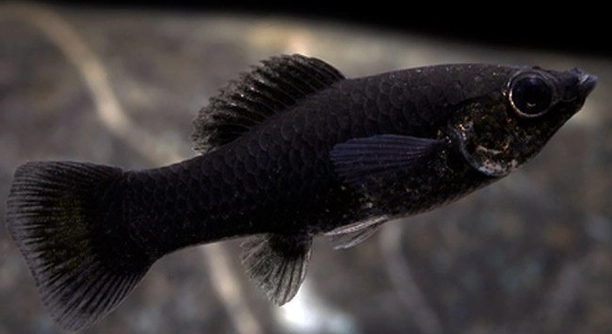
Black Mollies are a popular choice for home aquariums because of their striking color and lively behavior. Many fish owners enjoy observing them and are curious about how these fish interact within their tank environment.
Black Mollies can form social bonds with one another, exhibiting behaviors such as shoaling, following, and synchronized swimming. These interactions demonstrate a level of recognition and preference for familiar tank mates, suggesting a structured social dynamic among individuals.
Observing their interactions can reveal insights into their preferences, relationships, and overall wellbeing in the aquarium.
Understanding Black Molly Behavior
Black Mollies are naturally social fish, often forming small groups in their tank. They display behaviors such as following each other, swimming side by side, and resting near familiar tank mates. These actions indicate that they are aware of each other’s presence and feel safer when in groups. In larger tanks, these interactions can become more complex, with some individuals showing preferences for specific companions. Observing their body language, like flaring fins or gentle nudges, can provide insight into their social preferences. Providing hiding spots and open swimming areas encourages these interactions while reducing stress. Their social bonds are not just for comfort; they help establish hierarchy and reduce aggression among tank mates. Tank owners who pay attention to these patterns can create a more harmonious environment. Black Mollies also respond to feeding routines and may follow familiar companions during meal times, reinforcing these social connections further.
Their social tendencies improve both behavior and overall wellbeing in a community tank.
Understanding these behaviors allows for better tank management and healthier interactions among Black Mollies, ensuring a stable and stress-free environment for all.
Factors Affecting Social Bonds
Tank size plays a major role in how Black Mollies interact.
Larger tanks give fish the space to explore and choose companions, while smaller tanks may limit social interactions and increase competition. The number of tank mates also affects bonding; too few can prevent natural shoaling, while too many can lead to stress and territorial disputes. Environmental enrichment, such as plants, decorations, and hiding spots, supports social behaviors by providing safe areas and encouraging movement throughout the tank. Regular feeding schedules and consistent care reinforce familiarity among individuals, strengthening their social bonds. Water quality and temperature consistency are also critical. Changes in conditions can disrupt established hierarchies and reduce trust among fish. Observing subtle behaviors, such as which fish swim together or respond to each other, helps owners understand the dynamics of the group. Maintaining balance in tank conditions ensures that these bonds can develop naturally and remain stable over time.
Signs of Bonding
Black Mollies often swim together, rest near each other, or mirror movements, showing recognition of specific tank mates. These behaviors indicate trust and familiarity within the group, suggesting they form bonds that impact their daily interactions and overall comfort.
Bonded Black Mollies may display coordinated movements during swimming, feeding, and exploring the tank. They often follow one another, staying in close proximity while avoiding more aggressive or unfamiliar fish. Gentle nudges or synchronized changes in direction are also common, showing a level of awareness and cooperation. These subtle cues reflect both social preference and a desire for companionship, which can reduce stress and promote stability within the tank. Recognizing these patterns can help owners understand group dynamics and anticipate behavioral changes.
Observing feeding routines highlights bonds as well. Fish that share a mutual understanding often eat in synchrony, maintain personal space, and protect weaker members. This coordination demonstrates a level of social cohesion that goes beyond random interaction, emphasizing how relationships influence their overall behavior.
Encouraging Social Interaction
Adding plants, rocks, or other hiding spots encourages Black Mollies to interact safely while exploring their environment.
Providing variety in the tank layout supports social bonds by giving fish areas to retreat or engage with companions. Group activities, like swimming near plants or around obstacles, allow them to feel secure and confident. Predictable feeding routines further reinforce connections, as fish learn to recognize and follow familiar partners. Tank mates with compatible personalities are important; introducing overly aggressive or passive fish can disrupt established relationships. Observing interactions regularly helps maintain balance, ensuring bonds are nurtured while reducing stress and competition. This careful attention improves overall harmony and strengthens social behavior among the group.
Age and Social Bonds
Younger Black Mollies often form bonds quickly, staying close to familiar tank mates. Their interactions are playful and exploratory, helping them learn social cues.
Older Mollies may be more selective, showing preference for certain companions and avoiding others. Experience shapes these choices and reduces random interactions.
Gender Differences in Interaction
Male and female Black Mollies can bond differently. Males often display dominance behaviors, while females may seek calm companions. Observing how they interact helps in understanding their social structure. Providing balanced ratios ensures that interactions remain stable and stress levels are minimized, promoting healthier relationships in the tank.
Impact of Stress on Bonds
Stress from overcrowding, poor water quality, or aggressive tank mates can weaken bonds. Fish may isolate or show erratic behavior. Maintaining consistent conditions and monitoring interactions ensures social connections remain strong and the fish feel secure in their environment.
FAQ
Do Black Mollies recognize individual tank mates?
Yes, Black Mollies can recognize familiar companions. They often follow, swim near, and interact preferentially with certain fish. This recognition helps reduce aggression and establishes comfort within the group, creating a more stable and cohesive tank environment.
How can I tell if my Black Mollies are bonded?
Bonded Mollies tend to swim together, rest nearby, and mirror each other’s movements. They may also eat in synchrony and show gentle nudges or coordinated direction changes. Observing these behaviors consistently indicates a level of trust and familiarity among individuals.
Do all Black Mollies form bonds the same way?
No, bonding varies depending on age, temperament, and tank conditions. Younger Mollies are often more playful and social, while older fish may be selective, preferring certain companions. Individual personality differences also play a role in how bonds develop and are maintained.
Can stress affect their social bonds?
Yes, stress can weaken or disrupt social connections. Overcrowding, aggressive tank mates, sudden changes in water conditions, or poor diet can cause fish to isolate or act erratically. Maintaining stable water parameters and monitoring interactions helps preserve established bonds.
Does tank size influence social behavior?
Absolutely. Larger tanks provide space for exploration and choice in companions, allowing natural shoaling and social interaction. Smaller tanks can increase competition, limit interactions, and heighten stress, making it harder for bonds to form and remain stable.
How does the environment impact bonding?
Environmental enrichment, like plants, hiding spots, and decorations, encourages natural behaviors and social interactions. These additions provide safe spaces for shy fish and areas for coordinated swimming, helping bonded fish maintain their connections while reducing stress and aggression.
Do males and females bond differently?
Yes. Males often display dominance and territorial behavior, while females may prefer calmer companions. Balanced gender ratios help prevent conflict and support positive social structures, ensuring bonds remain stable and interactions healthy for all fish.
Can feeding routines strengthen bonds?
Consistent feeding schedules help reinforce familiarity among companions. Fish often learn to follow preferred partners to food sources, maintaining coordination and shared activity. This predictable routine supports social cohesion and reduces stress during meal times.
What signs show weakened bonds?
Isolation, erratic swimming, or increased aggression may indicate that bonds are weakening. Fish that previously swam together may avoid each other or show less coordinated behavior. Monitoring these signs allows owners to adjust tank conditions and prevent long-term disruption.
Are social bonds essential for Black Molly wellbeing?
Yes, social bonds reduce stress, encourage natural behaviors, and improve overall health. Fish with established connections tend to be more active, eat consistently, and display fewer signs of aggression, contributing to a balanced and harmonious tank environment.
Can new fish join an existing group without disrupting bonds?
Introducing new fish carefully, with slow acclimation and observation, can minimize disruption. Providing hiding spots and monitoring interactions allows existing bonds to remain mostly intact while the newcomers gradually integrate into the social structure.
How long does it take for bonds to form?
The time varies based on age, temperament, tank conditions, and the number of fish. Younger, more social fish may form bonds within days, while older or more selective individuals can take weeks. Consistent care and observation support faster and stronger connections.
Does water quality affect bonding?
Yes, poor water quality increases stress and can lead to weakened social connections. Consistent monitoring of temperature, pH, and cleanliness helps maintain stable interactions and prevents aggression or isolation among bonded fish.
Can bonded Black Mollies separate temporarily?
Yes, fish may separate temporarily when exploring, resting, or avoiding conflict. Temporary separation does not necessarily indicate bond loss, as long as they return to familiar companions under normal conditions.
Are there signs of deep bonds beyond proximity?
Deep bonds may include synchronized swimming, mutual grooming behaviors, coordinated responses to feeding, and protective actions toward weaker individuals. These behaviors reflect recognition, trust, and a preference for specific companions.
Does tank decoration choice influence social bonding?
Decorations that create open swimming spaces, hiding areas, and visual barriers can support natural social behaviors. Proper placement allows fish to interact safely, form preferences, and maintain bonds without constant stress or confrontation.
Can bonding impact breeding behavior?
Yes, bonded fish may coordinate more effectively during courtship, showing increased comfort and reduced aggression. Stable social structures support healthy reproductive behavior and minimize conflicts during breeding activities.
How can I encourage bonds in a new tank setup?
Providing adequate space, balanced gender ratios, hiding spots, and consistent feeding routines helps fish form and maintain bonds. Observing early interactions allows adjustments to minimize stress and ensure positive social connections.
Are social bonds permanent?
Bonds can be long-lasting but may change with tank conditions, new additions, or aging. Regular observation and maintenance of a stable environment are key to preserving these relationships over time.
Do bonded Black Mollies display coordinated exploration?
Yes, bonded fish often explore together, following familiar companions through plants, rocks, and open swimming areas. This coordinated behavior reflects trust and social awareness, improving confidence and reducing stress in the tank.
Can I separate aggressive individuals without breaking bonds?
Yes, isolating aggressive fish temporarily can protect other tank mates without permanently disrupting bonds. Providing barriers or a separate tank helps maintain the social structure while reducing conflict and stress.
Is it possible for bonds to influence hierarchy?
Absolutely. Bonds often help establish pecking order, with recognized companions showing cooperative behaviors. This hierarchy reduces conflict, promotes stability, and allows bonded fish to coexist peacefully within the group.
Do social bonds affect feeding order?
Yes, bonded fish often eat in a predictable order or together. This coordination reduces competition and ensures weaker or shy individuals have access to food, supporting overall health and reinforcing group cohesion.
How can I monitor bonds effectively?
Observing swimming patterns, feeding behavior, proximity, and interactions over time helps identify bonded pairs or groups. Noting changes in behavior allows for timely adjustments in tank conditions to maintain strong social connections.
Are there differences between tanks with high and low activity levels?
High-activity tanks encourage bonding through shared movement and play, while low-activity tanks may see weaker connections due to limited interaction. Proper enrichment and stimulation support healthy relationships regardless of overall tank activity.
Can water temperature influence social behavior?
Yes, maintaining stable temperature supports normal metabolism and activity, which allows bonding behaviors to occur naturally. Sudden fluctuations can increase stress and disrupt established relationships among tank mates.
Do bonded Black Mollies display cooperative defense?
Bonded fish may respond together to perceived threats, swimming in coordination or creating barriers between aggressive individuals and more vulnerable companions. This cooperation shows trust and mutual awareness, enhancing safety and social stability in the tank.
Can bonding improve adaptation to new environments?
Yes, familiar companions help reduce stress when adjusting to a new tank. Fish are more likely to explore and feed confidently when they have trusted companions nearby, promoting smoother adaptation and overall wellbeing.
Are there differences in bonding between wild and captive Black Mollies?
Wild Mollies often have more complex social interactions due to environmental variety and natural stimuli. Captive fish can form similar bonds when provided space, enrichment, and stable conditions, though interactions may be simpler or more predictable in a tank setting.
Do visual cues play a role in bonding?
Yes, Mollies use body language, fin displays, and positioning to communicate with companions. Recognizing these cues strengthens relationships and helps maintain order and trust within bonded groups.
Can diet influence social behavior?
A consistent and balanced diet supports health, energy, and activity levels, which in turn encourages social interaction. Malnourished or stressed fish may be less active and less likely to maintain bonds.
Is it normal for bonds to shift over time?
Yes, as fish age, personalities change, or tank conditions fluctuate, bonds may shift. New preferences or temporary separations are natural, and careful observation ensures social stability remains intact.
How important is observation for maintaining bonds?
Regularly watching fish helps identify changes in behavior, detect stress, and ensure that interactions remain positive. Active monitoring allows timely adjustments to tank conditions, supporting strong and healthy social connections among Black Mollies.
Do bonded groups reduce aggression?
Yes, bonded fish often show less aggression toward one another. Familiarity provides comfort, reducing competition and stress. Maintaining these groups in stable conditions promotes calmer interactions and a healthier tank environment overall.
Can bonding affect overall tank harmony?
Strong social bonds help create a peaceful environment. Fish interact predictably, reduce conflict, and display coordinated behaviors, making the tank experience more stable and enjoyable for both the fish and their caretaker.
Do bonds influence swimming patterns?
Bonded Mollies often mirror movements, swim side by side, and explore in groups. These coordinated patterns reflect trust and familiarity, contributing to social cohesion and reducing stress in the tank.
Can introducing new decorations disrupt bonds?
New additions may temporarily change swimming routes and interactions. However, if the tank provides enough space and hiding areas, established bonds generally remain intact while fish adjust to the updated environment.
Are there long-term benefits to strong bonds?
Yes, strong bonds reduce stress, improve feeding behavior, encourage natural activity, and promote overall health. Maintaining positive relationships helps fish live longer, healthier, and more balanced lives in the tank.
How do bonds affect tank maintenance routines?
Understanding social bonds helps owners plan feeding, cleaning, and decoration changes. Minimizing disruption to established groups reduces stress and preserves harmony while ensuring the tank remains healthy and well-maintained.
Can bonding influence learning and memory?
Bonded fish may respond more quickly to cues or routines due to trust in companions and reduced stress. Familiar partners provide stability, which supports learning and reinforces predictable behaviors over time.
Do bonded Black Mollies share hiding spaces?
Yes, fish often rest or hide near trusted companions. Sharing safe areas reduces stress and reinforces social bonds, showing that these relationships are important for comfort and security within the tank.
Can lighting impact social behavior?
Stable and appropriate lighting encourages normal activity and interaction. Sudden changes or overly bright conditions may stress fish, disrupt bonds, and reduce coordinated behaviors. Proper lighting supports social cohesion.
Are there signs of strong bonds during resting periods?
Bonded fish may rest near each other or in similar positions, reflecting trust and comfort. Observing resting patterns provides insight into the depth and stability of their social connections.
Do bonded Black Mollies influence each other’s health?
Yes, bonded companions can reduce stress-related illness, promote activity, and encourage regular feeding. A strong social structure positively impacts overall wellbeing and longevity.
Can temporary isolation strengthen bonds?
Short periods of separation may reinforce recognition and attachment once fish are reunited. Isolation should be brief and carefully managed to avoid stress or long-term disruption to relationships.
Do Black Mollies communicate through touch?
Yes, gentle nudges or fin contact are common ways to interact with companions. These behaviors reinforce bonds and help establish trust and familiarity within the group.
How can I prevent bond disruption during tank changes?
Introduce changes gradually, maintain stable water conditions, and provide hiding spots. Careful observation ensures fish adapt without weakening established relationships or causing stress.
Can strong bonds reduce bullying in the tank?
Yes, fish that are bonded often defend each other or maintain proximity to reduce harassment. These relationships help maintain balance and minimize aggressive encounters among less compatible individuals.
Does social bonding vary by individual personality?
Absolutely. Some fish are naturally more social, while others are shy or selective. Recognizing individual tendencies helps create compatible groups and maintain harmony in the tank.
Are there seasonal influences on bonding?
Seasonal changes in lighting or temperature may influence activity levels and social interactions. Stable environmental conditions help preserve bonds and consistent behavior throughout the year.
Can observation tools improve understanding of bonds?
Yes, using video or tracking methods can reveal patterns in swimming, feeding, and interaction. Detailed observation helps identify bonded pairs, detect stress, and ensure healthy social dynamics.
Do bonded fish recover faster from illness?
Yes, familiar companions provide stability and reduce stress, which can support recovery. Social bonds help maintain normal activity and feeding during periods of illness, promoting better overall outcomes.
Can bonding reduce stress during cleaning or maintenance?
Bonded fish are more likely to stay close to companions during potentially stressful tasks. Their presence provides comfort, reducing panic and ensuring smoother tank maintenance.
Are there long-term changes in behavior with stable bonds?
Yes, fish in stable groups often exhibit predictable patterns, reduced aggression, and higher activity. Maintaining these relationships supports overall health, wellbeing, and natural behavior expression.
How do social bonds affect reproduction?
Stable bonds improve courtship behavior and reduce aggression during mating. Fish are more comfortable with familiar companions, leading to healthier and more successful breeding outcomes.
Can observing bonds guide tank population decisions?
Yes, identifying compatible pairs or groups helps decide which fish to add, separate, or remove. Understanding social dynamics ensures harmony and supports the development of strong bonds in the tank.
Do strong bonds influence lifespan?
Yes, reduced stress, predictable interactions, and supportive social connections contribute to healthier, longer-lived Black Mollies. Maintaining bonds is a key factor in overall wellbeing and longevity.
Can bonds shift with tank rearrangements?
Yes, new layouts may temporarily alter swimming routes and interactions. However, with sufficient space and hiding spots, established bonds usually adapt without long-term disruption.
How can owners support bonds during water parameter changes?
Gradual adjustments, stable routines, and careful monitoring minimize stress. Supporting bonds during changes ensures fish maintain social connections and overall wellbeing.
Do bonded Black Mollies influence group activity levels?
Yes, bonded groups often swim, explore, and feed together. This shared activity promotes cohesion, reduces isolation, and creates a calmer, more balanced tank environment.
Can I observe bonding in a mixed-species tank?
Yes, but bonds may be less apparent. Fish often prioritize their own species for companionship. Observing interactions helps identify compatible groups and maintain social stability.
Do bonded fish respond to external stimuli together?
Yes, familiar companions often react in coordination to movement, feeding, or disturbances. This synchronized response reflects trust and awareness within the group, enhancing safety and comfort.
Can bonding reduce aggression during territory disputes?
Bonded fish often cooperate or avoid conflict with familiar companions. These relationships help manage space and resources, reducing stress and promoting calmer interactions.
How do bonds influence energy expenditure?
Fish in bonded groups often swim efficiently, follow companions, and share exploration responsibilities. This reduces unnecessary energy use, helping maintain health and stamina over time.
Are there signs of jealousy or competition among bonded fish?
Occasionally, fish may show mild competition for food or space, but strong bonds generally minimize serious conflict. Observing these interactions helps owners manage balance and prevent stress-related issues.
Can bonded fish recognize their keeper?
Yes, familiar fish often approach or respond to a caretaker in a coordinated way. Recognition supports feeding routines, reduces stress, and reinforces trust within the tank.
Do environmental changes impact bonded fish differently?
Bonded fish are often more resilient, as the presence of familiar companions provides comfort. However, significant disruptions like temperature shifts or new aggressive fish can still challenge relationships.
How important is consistency in tank maintenance for bonds?
Consistency in feeding, cleaning, and environment helps preserve established relationships. Predictable routines reduce stress, support social cohesion, and maintain overall harmony in the tank.
Can bonded Black Mollies adapt to new companions over time?
Yes, gradual introductions with careful monitoring allow bonds to form with new individuals. Patience and space are key to maintaining harmony while expanding social networks.
Do strong bonds influence curiosity and exploration?
Bonded fish often explore confidently and share discoveries with companions. This coordinated activity supports mental stimulation, reduces stress, and strengthens social cohesion in the tank.
Can bonding behavior be influenced by lighting and temperature changes?
Yes, stable lighting and temperature encourage normal activity and social interactions. Sudden or extreme changes may stress fish, disrupt bonds, and reduce coordinated behaviors.
Are there benefits to observing multiple tanks for bonding patterns?
Observing different tanks helps recognize species-specific behaviors, variations in bond formation, and optimal environmental conditions, providing insight for improving care and social management.
Do bonded fish show empathy toward distressed companions?
Yes, fish may adjust behavior to avoid stressing companions, share hiding spaces, or maintain proximity to provide comfort. These behaviors reflect social awareness and trust.
Can bonding influence individual health outcomes?
Yes, strong social connections reduce stress, promote feeding, and encourage normal activity. Healthy interactions positively impact immune function, growth, and longevity.
How can I track bond changes over time?
Regular observation of proximity, swimming patterns, feeding behavior, and interactions allows owners to monitor shifts in relationships, detect stress, and maintain social harmony.
Do bonded fish display synchronized feeding behavior?
Yes, they often approach food together, eat at the same time, and maintain personal space. This coordination reinforces trust and reduces competition among companions.
Can bonding affect water parameter tolerance?
Bonded fish may handle minor environmental fluctuations better due to reduced stress from familiar companions. Strong social structures provide stability during routine changes or minor disturbances.
Are there signs of strong bonds during rest or sleep?
Yes, bonded Mollies may rest near each other, mirror positions, or maintain proximity. These patterns reflect trust, comfort, and the stability of social relationships.
Can bonding improve overall tank aesthetics?
Bonded groups often display coordinated swimming and activity patterns, creating visually appealing movement and interactions that enhance the liveliness and harmony of the aquarium.
How does social bonding affect conflict resolution?
Bonded fish often resolve minor disputes through subtle signals or coordinated movement rather than aggression. These established relationships maintain stability and reduce stress in the tank environment.
Do bonded Black Mollies respond differently to feeding compared to isolated fish?
Yes, they often coordinate their approach, maintain space, and eat efficiently, reducing competition. Isolated fish may be hesitant or aggressive, showing the benefits of strong social bonds.
Can bonded fish influence each other’s learning?
Yes, they often mimic or follow companions during exploration and feeding. Familiarity and trust support learning, coordination, and confidence in new situations.
Do bonds affect reproduction timing?
Bonded fish may engage in courtship more smoothly and with reduced conflict. Familiar companions provide a stable environment that encourages healthy breeding behavior and success.
Can temporary stress test the strength of bonds?
Yes, mild stressors like brief isolation or minor water changes reveal the resilience of social connections. Strong bonds allow fish to reunite and resume normal interactions quickly.
Do bonded fish share space evenly?
Yes, they often distribute themselves in the tank to maintain proximity while respecting personal space. This balance reduces conflict and promotes peaceful coexistence.
Can environmental enrichment strengthen bonds?
Yes, plants, hiding spots, and varied swimming areas encourage coordinated activity and safe exploration, supporting trust and reinforcing social connections among companions.
Do bonded Black Mollies interact differently with new tank mates?
Initially, they
Black Mollies are fascinating fish, and observing their social behavior can be very rewarding. They are naturally social creatures that show clear preferences for companions within their tank. Bonding behaviors such as swimming together, resting near one another, and mirroring movements indicate a level of recognition and trust among these fish. Understanding these behaviors helps owners create a more harmonious and comfortable environment, which benefits both the fish and the tank overall. Providing enough space, hiding spots, and a stable environment encourages these interactions and reduces stress, allowing Mollies to display their natural social tendencies. Watching them coordinate during feeding or exploration highlights how these connections are an important part of their daily life, influencing both behavior and wellbeing.
Maintaining strong social bonds among Black Mollies requires attention to several factors. Tank size, number of fish, and environmental enrichment all play a role in how comfortably they interact. Younger fish tend to form bonds quickly and are more playful, while older Mollies may be more selective about companions. Gender differences can also influence social structures, with males displaying dominance behaviors and females often seeking calmer interactions. Consistent feeding routines and stable water conditions support the development and maintenance of these relationships, while overcrowding, aggressive tank mates, or sudden changes can weaken them. By monitoring the tank regularly, owners can identify shifts in behavior, adjust the environment, and ensure that social bonds remain strong over time, contributing to a balanced and stress-free habitat.
Observing and supporting social behavior in Black Mollies adds depth to caring for them. Their interactions are not just random movements—they reflect recognition, trust, and preference, which are essential for a peaceful community. Encouraging these bonds promotes natural behaviors, reduces aggression, and improves overall health. Paying attention to how they swim, eat, and explore together allows owners to notice both positive and negative changes in social dynamics. A tank with well-formed bonds feels calmer and more stable, which benefits all the fish living in it. By providing appropriate space, enrichment, and care, Black Mollies can thrive socially, creating an engaging and balanced aquarium environment that showcases the importance of companionship in their daily lives.

Hello,
If you enjoy the content that we create, please consider saying a "Thank You!" by leaving a tip.
Every little bit helps us continue crafting quality advice that supports the health, happiness, and well-being of pets around the world, for pets of all shapes, sizes, and species.
We really appreciate the kindness and support that you show us!