
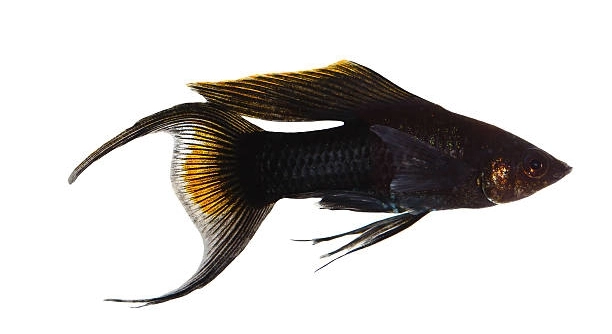
Have you ever noticed your black molly flicking its fins more than usual while swimming around the tank? This small, constant movement can seem strange at first but is actually a sign worth observing closely. Many molly owners encounter this behavior.
Black mollies often flick their fins due to stress, water quality issues, or minor irritations in their environment. Ensuring proper tank conditions, stable water parameters, and a calm habitat can help reduce this repetitive movement.
Understanding why your molly acts this way can help you improve its well-being and create a healthier, more comfortable environment for your fish.
Common Reasons for Fin Flicking
Many black mollies flick their fins as a natural reaction to changes in their environment. Sudden movements, new decorations, or other fish in the tank can make them feel uneasy. Poor water quality, including high ammonia or nitrite levels, can also trigger this behavior. Temperature fluctuations or incorrect pH levels can stress the fish, causing repetitive fin movements. Overcrowding in the tank is another factor, as black mollies need space to swim freely. Even small irritations, like tiny parasites or rough surfaces in the tank, can lead to constant fin flicking. Observing when and where your molly flicks its fins will help you identify patterns and possible triggers. Sometimes, fin flicking occurs simply because the fish is exploring or adjusting to its surroundings. Keeping a consistent feeding schedule, maintaining clean water, and providing hiding spots can significantly reduce stress-induced movements, helping your molly feel more secure in its tank environment.
Stress and environmental changes are usually behind fin flicking in black mollies. Consistent care helps reduce this behavior.
Monitoring your molly daily can reveal subtle signs of discomfort. If flicking persists, testing water quality, adjusting tank conditions, and checking for parasites will support healthier behavior. Gradually improving the environment can make your molly calmer and more active.
Water Quality and Tank Conditions
Maintaining clean, stable water is essential for black mollies to thrive. Poor water quality often leads to stress behaviors, including fin flicking, lethargy, and reduced appetite. Regular testing of ammonia, nitrite, nitrate, and pH levels helps ensure a safe environment.
Water temperature should stay between 75-82°F, and consistent levels are key. Sudden changes can stress your fish, causing repeated fin movements. Black mollies also prefer moderate water hardness and slightly alkaline conditions. Using a reliable filter and performing weekly partial water changes keeps toxins low and oxygen levels high. Overcrowding should be avoided, as too many fish in a single tank increases competition for space and resources. Adding plants or hiding spots provides a sense of security, reducing stress behaviors. Even small details like sharp decorations or rough substrate can irritate fins. Observing the tank closely and making incremental adjustments allows you to create a calm, stable environment. With proper care, fin flicking will often decrease, and your black molly will swim confidently without constant stress signals.
Diet and Feeding Habits
A poor diet can cause black mollies to flick their fins more often. Uneven feeding, low-quality food, or sudden changes in diet can stress them, leading to restless swimming and repeated fin movements.
Feeding black mollies a balanced diet is important for their health and behavior. They need a mix of high-quality flakes, pellets, and occasional live or frozen foods like brine shrimp or daphnia. Overfeeding can cause water quality issues, while underfeeding may leave them restless and more likely to display fin flicking. Consistency in feeding times and portions helps mollies feel secure and reduces stress-related behaviors. Treats should be limited to avoid digestive problems that might worsen discomfort. Monitoring how your molly reacts after feeding can indicate whether diet adjustments are needed.
Even small dietary changes can impact your molly’s fin flicking. Observing their reactions to different foods allows you to find a routine that keeps them calmer and healthier. Providing a stable feeding plan ensures energy levels remain consistent and reduces unnecessary stress, which often shows in fin movements.
Tank Mates and Social Behavior
Aggressive or overly active tank mates can trigger constant fin flicking in black mollies. Territorial fish or larger species may intimidate them, causing stress and nervous swimming.
Black mollies are generally peaceful but still need compatible companions. Fish that chase, nip fins, or dominate swimming space can lead to repeated fin flicking and stress-related health problems. Keeping mollies with other peaceful, similarly sized species helps them feel safe. Observing social interactions within the tank is important to spot any bullying or tension. Adding plants, decorations, or hiding spots gives black mollies places to escape and relax. Maintaining proper group sizes also reduces competition and stress. When tank mates are chosen carefully, fin flicking often decreases, and mollies display more natural, relaxed behaviors, swimming calmly and confidently throughout the aquarium.
Parasites and Illness
External parasites can irritate a black molly’s fins, causing constant flicking. Signs like white spots, redness, or frayed fins often accompany this behavior. Observing closely helps identify if medical treatment is needed.
Illnesses such as fin rot or bacterial infections can also lead to repeated fin movements. Quarantining affected fish and treating the tank promptly can prevent spread. Maintaining clean water and avoiding sudden changes reduces the risk of infections and keeps mollies healthier.
Stress Reduction Techniques
Reducing stress involves creating a calm, stable environment. Plants, hiding spots, and consistent light cycles help black mollies feel secure.
Providing enough swimming space and avoiding sudden changes in water conditions or tank layout prevents unnecessary stress. Monitoring their behavior daily allows for quick adjustments, ensuring mollies remain comfortable.
Observing Behavior Patterns
Tracking when and how often your black molly flicks its fins helps identify triggers. Regular observation is key to maintaining their well-being.
Recording tank conditions, feeding times, and social interactions can reveal patterns that contribute to stress. This information allows you to make small adjustments, improving fin health and overall comfort.
FAQ
Why is my black molly flicking its fins constantly?
Fin flicking in black mollies is usually a sign of stress, irritation, or environmental issues. Common causes include poor water quality, temperature fluctuations, aggressive tank mates, or minor parasites. Observing the fish closely and checking water parameters can help identify the reason for this behavior.
Can fin flicking indicate illness?
Yes, it can. Fin flicking may accompany illnesses like fin rot, bacterial infections, or parasitic infestations. Look for additional signs such as frayed fins, redness, white spots, or lethargy. Early detection and proper treatment are crucial for preventing serious health issues.
How does water quality affect fin flicking?
Black mollies are sensitive to changes in water chemistry. High ammonia, nitrite, or nitrate levels, sudden pH changes, or incorrect temperature can stress them, leading to fin flicking. Regular testing and partial water changes help maintain a stable, healthy environment.
Do tank mates influence fin flicking?
Yes, aggressive or overly active tank mates can trigger stress behaviors. Fish that chase, nip fins, or dominate swimming areas may cause your black molly to flick its fins repeatedly. Providing enough space, compatible companions, and hiding spots reduces stress.
Can diet affect fin flicking?
A poor or inconsistent diet can make mollies restless. Overfeeding or underfeeding, sudden changes in food, or low-quality flakes may contribute to stress-induced fin flicking. Feeding a balanced mix of flakes, pellets, and occasional live or frozen foods helps maintain their health.
Is fin flicking normal behavior sometimes?
Occasionally, yes. Black mollies may flick their fins briefly while exploring, adjusting to the tank, or swimming actively. Brief, intermittent flicking is normal, but constant, repetitive movements indicate stress or irritation that needs attention.
How can I reduce fin flicking in my molly?
Stabilizing the tank environment, maintaining clean water, providing hiding spots, choosing peaceful tank mates, and offering a consistent, balanced diet can all reduce fin flicking. Observing daily patterns allows you to adjust care and minimize stress triggers.
Should I quarantine my molly if fin flicking persists?
Quarantining can be helpful, especially if illness or parasites are suspected. Separating the affected fish prevents potential spread to other tank mates and allows for targeted treatment. Monitor water quality and provide appropriate medication if needed.
Can stress alone cause fin flicking?
Yes, stress is a primary cause of constant fin flicking. Environmental instability, aggressive companions, poor water conditions, and sudden changes all contribute. Minimizing these stressors improves overall health and reduces fin flicking significantly.
When should I call a veterinarian?
If fin flicking continues despite stable water conditions, proper diet, and peaceful tank mates, or if you notice additional signs like discoloration, fraying fins, or unusual swimming patterns, consulting a vet specializing in fish is recommended. Prompt attention can prevent serious illness.
Are there specific signs to watch for alongside fin flicking?
Look for lethargy, clamped fins, frayed fins, abnormal swimming, changes in appetite, or visible spots. These signs often indicate stress, illness, or parasites. Early detection and corrective measures help mollies recover faster and reduce persistent fin flicking.
How often should I check my tank for fin flicking causes?
Daily observation is ideal. Checking water parameters at least once a week and monitoring fish behavior helps detect stressors early. Regular maintenance, feeding consistency, and careful observation are key to keeping black mollies healthy and minimizing fin flicking.
Does tank size matter for fin flicking?
Yes. Overcrowded tanks increase stress, competition, and aggression, leading to more fin flicking. Providing adequate space per fish and avoiding overstocking ensures black mollies have enough room to swim freely and reduces repetitive fin movements.
Can environmental enrichment help?
Adding plants, decorations, and hiding spots allows black mollies to feel secure and explore without stress. Environmental enrichment reduces fin flicking caused by boredom or anxiety, giving them places to retreat when they feel threatened or stressed.
Is fin flicking reversible?
Most of the time, yes. Once the underlying cause—such as poor water quality, diet issues, aggressive tank mates, or minor illnesses—is addressed, fin flicking typically decreases. Patience and consistent care are essential for full recovery.
How long does it take for fin flicking to stop after adjustments?
This depends on the cause and severity. Minor stressors may show improvement within a few days, while illnesses or parasites may require treatment over one to two weeks. Consistent monitoring and proper care accelerate recovery and reduce fin flicking.
Can fin flicking damage fins permanently?
If left untreated and combined with infections or persistent irritation, fin flicking can lead to frayed or damaged fins. Promptly addressing stressors, environmental issues, and illnesses prevents long-term fin damage and ensures overall health.
Are black mollies more prone to fin flicking than other fish?
They are moderately sensitive to environmental changes compared with some hardy species. While occasional flicking occurs in many fish, black mollies respond quickly to stressors, making fin flicking a more noticeable sign of discomfort.
Does lighting affect fin flicking?
Sudden changes in light intensity or inconsistent light cycles can stress black mollies, leading to fin flicking. Maintaining a stable day-night cycle and avoiding bright, abrupt lighting helps them feel secure and reduces repetitive fin movements.
Can temperature fluctuations cause fin flicking?
Yes. Black mollies prefer stable temperatures between 75-82°F. Sudden drops or spikes in temperature can stress them, causing fin flicking, reduced appetite, or lethargy. Using a reliable heater and thermometer ensures consistent conditions and minimizes stress-related behaviors.
Is fin flicking more common in new tanks?
Often, yes. New tanks can have fluctuating water parameters and unfamiliar environments, which can stress black mollies. Monitoring water quality, providing hiding spots, and giving fish time to acclimate reduces fin flicking during this adjustment period.
What role does water movement play?
Strong currents or poor circulation can irritate black mollies, causing fin flicking. Moderate, consistent water flow is ideal, allowing them to swim naturally without excessive effort or stress from turbulence. Adjusting filters and decorations helps control water movement effectively.
How do I know if fin flicking is temporary or serious?
Brief flicking during exploration or after feeding is normal. Persistent, repetitive flicking, especially with other signs like fin damage, discoloration, or lethargy, indicates stress or illness. Documenting behavior and environmental factors helps determine if action is needed.
Can fin flicking be prevented entirely?
While occasional flicking is natural, most stress-related fin flicking can be minimized through consistent water quality, stable conditions, compatible tank mates, proper diet, and environmental enrichment. Regular observation and prompt adjustments maintain healthier, calmer black mollies.
Does fin flicking affect molly health long-term?
If caused by stress or illness and left unaddressed, it can lead to weakened immunity, fin damage, and susceptibility to disease. Early intervention and proper care usually prevent long-term health effects and ensure the fish remains active and comfortable.
Are there natural behaviors similar to fin flicking?
Yes. Black mollies sometimes flick fins briefly while swimming, exploring, or interacting with other fish. These natural movements are short and intermittent. Constant, repetitive flicking, however, signals stress or irritation rather than normal activity.
Should I change tank setup if flicking persists?
Rearranging decorations, adding hiding spots, or adjusting lighting and water flow can help mollies feel more secure. Small, incremental changes often reduce stress-induced fin flicking without disrupting their comfort.
How important is observation in preventing fin flicking?
Daily monitoring is critical. Watching your mollies’ behavior helps detect early signs of stress, illness, or environmental issues. Prompt responses prevent prolonged discomfort and maintain fin health, leading to calmer, healthier fish.
Can fin flicking occur at night?
It can, especially if tank lighting changes suddenly or if there is nighttime disturbance. Providing a consistent light cycle and minimizing vibrations or sudden movements at night reduces stress-related flicking during dark hours.
Do all black mollies flick their fins the same way?
No. Individual temperament, health, and tank conditions influence fin flicking. Some may flick more frequently under stress, while others show subtle movements. Understanding each fish’s normal behavior helps identify abnormal patterns.
Is fin flicking linked to breeding behavior?
Occasionally, fin flicking may occur during courtship or territorial displays, especially in males. However, constant flicking unrelated to breeding usually signals stress or irritation rather than reproductive activity.
Can sudden tank noises cause fin flicking?
Yes. Loud sounds, vibrations, or sudden disturbances can startle black mollies, triggering temporary fin flicking. Reducing external noise and providing secure hiding areas minimizes this stress response.
Does age affect fin flicking?
Younger fish may flick fins more frequently as they explore and adjust to the tank. Older mollies may show flicking due to stress, illness, or weakened immunity. Tailoring care to age-specific needs reduces unnecessary movements.
How do I know if my molly is stressed or sick?
Persistent fin flicking accompanied by clamped fins, lethargy, loss of appetite, or unusual swimming indicates stress or illness. Checking water quality, diet, and tank conditions, along with observation, helps determine the cause and appropriate action.
Can I use medication for fin flicking?
Only if a diagnosed illness or parasite is present. General fin flicking caused by stress or minor environmental issues should be addressed through tank maintenance, diet, and compatible tank mates. Medications are only necessary when an infection or parasite is confirmed.
What daily routines help prevent fin flicking?
Consistent feeding times, water checks, observing behavior, and keeping the tank clean all support black mollies’ comfort. Providing hiding spots, compatible companions, and stable water conditions prevents most stress-induced fin flicking naturally.
How long should I monitor fin flicking before taking action?
Observe for several days to identify patterns. If flicking persists despite stable water, proper diet, and calm tank mates, intervention through environmental adjustments or medical treatment is needed to protect your molly’s health.
Can water pH fluctuations trigger fin flicking?
Yes. Black mollies prefer slightly alkaline water, and sudden drops or spikes in pH can stress them, causing fin flicking. Regular testing and gradual adjustments maintain stable conditions and reduce repetitive movements.
Are there signs of recovery from fin flicking?
Reduced flicking, relaxed swimming, improved appetite, and active exploration indicate recovery. Consistent care, proper diet, and a stress-free environment usually result in noticeable improvement within days to weeks.
Does overcrowding increase fin flicking risk?
Overcrowded tanks create competition, stress, and territorial behavior, all of which can lead to constant fin flicking. Ensuring sufficient space per fish and avoiding overstocking reduces repetitive stress behaviors effectively.
Can fin flicking damage other fish in the tank?
Not directly, but stressed mollies may become more reactive, occasionally startling others. Maintaining a calm environment and compatible companions minimizes tension and prevents negative interactions.
Is monitoring fin flicking part of regular fish care?
Yes. Observing fin movements is an important indicator of health and environmental comfort. Early detection allows for prompt adjustments, preventing long-term stress or illness in black mollies.
Do hiding spots reduce fin flicking effectively?
Providing plants, caves, or decorations gives black mollies a sense of security, allowing them to rest and swim calmly. Hiding spots are particularly helpful for shy or stressed fish, reducing constant fin flicking.
Can changes in light duration affect fin flicking?
Yes. Black mollies respond to consistent light cycles. Sudden increases or decreases in lighting can stress them, triggering fin flicking. Maintaining a stable day-night schedule supports comfort and natural activity.
Should I adjust tank flow to help fin flicking?
Moderate, steady water flow is ideal. Too strong currents can irritate fins, while stagnant water reduces oxygen. Adjusting filter output and creating gentle circulation helps mollies swim comfortably and reduces stress-induced flicking.
Is fin flicking more noticeable in small tanks?
Yes. Limited space increases stress from interactions, movement restrictions, and water quality issues. Providing ample swimming area and proper filtration reduces flicking caused by environmental pressure in smaller setups.
Do seasonal changes affect fin flicking?
Temperature fluctuations or changes in room lighting during seasonal shifts can stress mollies, increasing fin flicking. Monitoring tank conditions and adjusting as needed helps maintain stability year-round.
Can sudden decoration changes trigger fin flicking?
Yes. Black mollies are sensitive to new objects or rearranged decorations. Gradual changes and observing reactions minimize stress and prevent repetitive fin flicking.
Does water hardness influence fin flicking?
Black mollies prefer moderate hardness. Extremely soft or hard water can stress them, leading to fin flicking. Regular testing and adjusting minerals as needed support a comfortable environment.
Can breeding pairs flick fins more?
Males may flick fins during mating displays or territorial behavior, but constant flicking outside these contexts usually indicates stress, diet issues, or environmental discomfort.
Is fin flicking reversible with proper care?
Most of the time, yes. Addressing water quality, diet, tank mates, and stressors reduces fin flicking significantly. With patience and consistent care, mollies often return to calmer, healthier behavior.
How important is tank stability for fin flicking?
Maintaining consistent water parameters, temperature, and social conditions is critical. Stability prevents unnecessary stress, reduces fin flicking, and ensures black mollies remain active and comfortable.
Can stress from handling increase fin flicking?
Yes. Frequent or rough handling can cause anxiety, leading to repetitive fin flicking. Minimizing direct interaction and using nets carefully helps reduce stress.
Do black mollies flick fins more when alone?
Some may become restless if isolated, while others feel safer alone. Observing individual behavior helps determine if group dynamics or solitary conditions affect fin flicking.
How do I differentiate normal fin flicking from stress?
Normal flicking is brief and occasional, often during swimming or exploration. Stress-related flicking is constant, repetitive, or accompanied by other signs such as clamped fins, lethargy, or fraying.
Can supplements help reduce fin flicking?
High-quality vitamins or supplements may support overall health but won’t address stress-related flicking caused by poor water quality, tank mates, or environmental issues. Focus on stable conditions first.
Does tank location affect fin flicking?
Placing the tank near vibrations, high traffic areas, or loud sounds can stress mollies. Choosing a quiet, stable location helps reduce constant fin flicking and promotes calmer behavior.
Is fin flicking hereditary?
No evidence suggests fin flicking is inherited. It is primarily influenced by environmental factors, diet, social interactions, and health. Proper care minimizes its occurrence.
Can sudden temperature drops at night cause flicking?
Yes. Even minor overnight fluctuations can stress black mollies. Using a reliable heater and insulated tank cover ensures consistent temperature and reduces night-time fin flicking.
How does water filtration impact fin flicking?
Proper filtration maintains water quality and oxygenation, preventing stress-induced flicking. Filters should provide gentle circulation; strong currents may irritate fins, while stagnant water leads to low oxygen and restless movements.
Can multiple factors combine to cause fin flicking?
Yes. Stress often results from a mix of poor water quality, aggressive tank mates, improper diet, or environmental instability. Identifying and addressing all contributing factors is essential for calming mollies.
Is constant observation necessary after treatment?
Yes. Monitoring ensures recovery, confirms fin flicking is reduced, and allows quick intervention if issues reappear. Regular checks maintain long-term health and comfort for your black molly.
Do black mollies flick fins during feeding?
Brief flicking during feeding is normal, as they compete for food or show excitement. Continuous flicking outside feeding times usually signals stress, environmental issues, or irritation.
Can water additives help with fin flicking?
Only specific treatments for parasites or bacteria help. General stress-related flicking is better addressed through stable water conditions, proper diet, and compatible tank mates. Overuse of chemicals may worsen stress.
Are some mollies more sensitive than others?
Yes. Individual temperament, age, and health influence sensitivity. Some flick more under minor stress, while others remain calm. Observing each fish helps identify specific triggers.
How do I track progress in reducing fin flicking?
Record behavior daily, noting frequency, duration, and triggers. Track water parameters, tank changes, diet, and social interactions. This helps evaluate the effectiveness of adjustments and ensures long-term improvement.
Can seasonal lighting changes trigger flicking?
Yes. Inconsistent daylight or artificial light shifts can stress mollies. Maintaining a regular light schedule supports calm swimming and reduces unnecessary fin flicking.
Does fin flicking affect reproduction?
Prolonged stress from constant flicking may reduce breeding success. Ensuring calm, healthy conditions improves overall well-being and supports normal reproductive behavior.
Is professional help sometimes necessary?
If fin flicking persists despite stable conditions, proper diet, and compatible tank mates, consulting a veterinarian specializing in fish ensures correct diagnosis and treatment, especially for infections or parasites.
Can water temperature swings during cleaning cause flicking?
Yes. Gradual water changes using similar temperature water prevent stress-induced flicking. Sudden shifts can irritate black mollies and increase restless movements.
Do black mollies flick fins more in community tanks?
They may flick more if other fish are aggressive or overly active. Ensuring peaceful tank mates, sufficient space, and hiding spots reduces fin flicking in community setups.
Are there long-term signs of stress I should watch for?
Persistent flicking, clamped fins, loss of appetite, lethargy, or frayed fins indicate chronic stress. Early intervention prevents illness and improves overall health.
Can fin flicking return after recovery?
Yes, if stressors reappear, such as water issues, aggressive tank mates, or environmental changes. Consistent care and monitoring prevent relapse and maintain calmer behavior.
Does tank cleanliness impact flicking?
Absolutely. Dirty tanks increase toxins, irritate fins, and stress mollies. Regular water changes, filter maintenance, and substrate cleaning reduce fin flicking and support health.
How do I distinguish between fin flicking and fin fluttering?
Fin flicking is repetitive, constant, and stress-related. Fluttering is brief, exploratory, or playful. Observing duration, frequency, and accompanying signs clarifies the difference.
Can fin flicking be a sign of boredom?
Yes. In tanks with little enrichment, mollies may flick fins from restlessness. Plants, decorations, and hiding spots keep them engaged and calmer.
Fin flicking in black mollies is often a signal that something in their environment or routine is causing stress or irritation. It is not always a sign of serious illness, but it is important to pay attention to the behavior and look for patterns. Many factors can influence this activity, from water quality and temperature to tank mates and diet. Observing your molly closely each day can help you determine whether the flicking is a brief, natural movement or a repetitive behavior that needs attention. Small changes in the tank can make a big difference in how comfortable and relaxed your fish feels.
Maintaining stable water conditions is one of the most effective ways to reduce fin flicking. Regularly testing for ammonia, nitrites, nitrates, and pH ensures that the tank stays within safe limits. Temperature should remain consistent, ideally between 75-82°F, to prevent sudden stress. Providing sufficient space, hiding spots, and compatible tank mates also contributes to a calmer environment. Diet plays a role too, and feeding a balanced mix of high-quality flakes, pellets, and occasional live or frozen foods helps your molly stay healthy. Overfeeding or sudden changes in diet can increase stress and make fin flicking worse, so a consistent feeding routine is helpful. Observing your molly during and after feeding can also indicate whether the diet needs adjustment.
Monitoring for signs of illness or parasites is equally important. Frayed fins, white spots, redness, or unusual swimming patterns may accompany fin flicking and indicate that medical attention is necessary. Quarantining affected fish and treating the tank can prevent the problem from spreading. While occasional fin flicking is normal during exploration or activity, constant flicking should never be ignored. Keeping the tank clean, stable, and enriched, along with daily observation, usually allows your molly to relax and reduces repetitive fin movements. With patience and consistent care, your black molly can remain active, healthy, and comfortable in its home.

Hello,
If you enjoy the content that we create, please consider saying a "Thank You!" by leaving a tip.
Every little bit helps us continue crafting quality advice that supports the health, happiness, and well-being of pets around the world, for pets of all shapes, sizes, and species.
We really appreciate the kindness and support that you show us!