
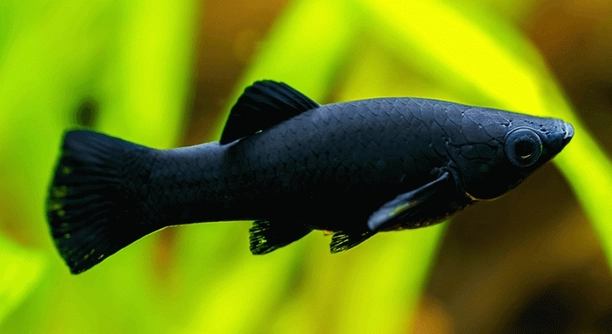
Do you ever notice that some of your black molly fry are growing faster than others? Uneven growth is a common concern for many fishkeepers and can be frustrating to manage in a home aquarium.
Uneven growth in black molly fry is primarily caused by a combination of genetics, diet, water quality, and tank conditions. Factors such as overcrowding, inconsistent feeding, and disease can also significantly impact their development and overall health.
Understanding these causes will help you provide a better environment for your fry. Proper care and attention can make a noticeable difference in their growth patterns.
Genetics and Natural Variation
Some black molly fry simply grow at different rates because of their genes. Even in the same tank, siblings can show noticeable differences in size and strength. This natural variation is common in livebearers and doesn’t always indicate a problem. Fry from different parents may inherit traits that affect metabolism, feeding habits, and overall growth.
Genetics alone can create uneven growth patterns, even if all other conditions are ideal.
While genetics are beyond your control, observing fry carefully can help you separate slower growers if needed. Providing consistent care and proper nutrition can help all fry reach their potential. Over time, even smaller fry may catch up, especially if they are given a less competitive environment. Avoid stressing the tank with excessive handling, as stress can worsen size differences. Ensuring healthy adult fish for breeding can gradually reduce extreme growth variations in future batches, but natural differences will always exist.
Overcrowding and Tank Space
Overcrowded tanks make it hard for fry to get enough food and space to grow.
High density increases stress, lowers oxygen levels, and creates more waste. Fry in cramped conditions often have stunted growth compared to those with more room.
When fry compete for space, the dominant ones usually get more access to food and better swimming areas, leaving smaller fry behind. Overcrowding can also lead to water quality problems, such as elevated ammonia and nitrite levels, which can weaken immune systems and slow development. Even with proper feeding, limited space prevents fry from exercising properly and exploring their environment, which is essential for healthy growth. Separating fry into smaller groups or using breeding boxes can reduce competition and help more fry thrive. By monitoring tank population and providing sufficient hiding spots and swimming areas, you can support more uniform growth. Fry given room to grow and stable water conditions generally show better overall development, while overcrowded tanks often see persistent size disparities.
Diet and Feeding
Uneven feeding can make some fry grow faster than others. Fry that miss meals or are outcompeted by larger siblings often lag behind in size.
Providing a balanced diet is essential. Black molly fry need finely crushed flakes, micro pellets, or freshly hatched brine shrimp multiple times a day. Consistency in feeding helps all fry get adequate nutrition. Smaller, weaker fry may struggle to compete, so feeding in smaller portions across different areas of the tank ensures better access for everyone. Avoid overfeeding, which can foul water and cause health issues, but make sure each fry gets enough to support steady growth. Supplementing with live foods occasionally can enhance growth rates and strengthen immune systems, giving all fry a fair chance to thrive.
Even with good nutrition, size differences can remain. Some fry naturally eat more efficiently or have faster metabolisms. Observing feeding patterns and adjusting portions can help smaller fry catch up without compromising tank health.
Water Quality and Maintenance
Dirty or unstable water slows fry growth and increases disease risk.
Ammonia, nitrite, and nitrate spikes can stress fry and stunt development. Regular water changes and proper filtration maintain a healthy environment.
Maintaining water quality is crucial for black molly fry. Frequent monitoring of temperature, pH, and chemical levels ensures the tank remains stable. Fry are more sensitive than adults, so even minor fluctuations can affect growth. Overfeeding or overcrowding worsens water conditions, making regular partial water changes essential. Using a sponge filter or gentle filtration prevents fry from being sucked in while keeping the water clean. Aeration and gentle water movement also support healthy metabolism and oxygenation, which are vital for growth. Tanks with stable conditions produce healthier, more evenly growing fry, while neglected tanks often show slow, uneven development. Regular observation and prompt intervention can prevent long-term setbacks in fry growth and overall tank health.
Disease and Parasites
Diseases and parasites can slow growth or make fry smaller than their tankmates. Infected fry may eat less and appear weak or lethargic.
Regular observation helps catch issues early. Quarantining new fish and keeping the tank clean reduces the risk of infections spreading.
Temperature Fluctuations
Fry need stable water temperatures to grow properly. Sudden changes can stress them, slowing metabolism and growth. Maintaining a steady temperature appropriate for black mollies encourages healthy feeding and activity. Even small drops or spikes can affect digestion and immune response. Consistent warmth supports energy for growth.
Stress and Handling
Excessive stress from frequent handling or sudden changes can hinder fry development. Stress reduces appetite and makes fry more prone to illness.
Inadequate Hiding Spots
Fry that lack places to hide may get bullied by larger siblings. Stress from constant chasing can stunt growth and increase mortality. Providing plants, decorations, or breeding boxes helps smaller fry grow safely.
Why are some black molly fry much smaller than others?
Size differences in black molly fry are usually due to genetics, feeding competition, or environmental factors. Some fry naturally grow slower, while others may get less food if tank space is crowded. Fry that are stressed or weak also show slower development.
Can diet really make a difference in fry growth?
Yes, diet plays a huge role. Fry need tiny, nutrient-rich foods multiple times a day. Live foods like baby brine shrimp or finely crushed flakes give protein and energy for healthy growth. Feeding in small portions throughout the tank helps smaller fry get a fair share.
How often should I feed black molly fry?
Fry do best with frequent, small meals. Feeding three to five times a day ensures they get enough nutrients without overloading the tank. Uneaten food should be removed to maintain water quality, which also affects growth.
Does water quality affect fry growth?
Absolutely. High ammonia, nitrite, or nitrate levels slow growth and make fry more prone to disease. Regular partial water changes and a reliable filter keep the environment stable and clean, allowing fry to grow evenly and stay healthy.
Can overcrowding stunt fry growth?
Yes. When too many fry are in one tank, competition for food and space increases. Dominant fry eat more, leaving smaller fry with less. Providing adequate tank space or separating fry into smaller groups can prevent stunted growth.
Do temperature changes impact growth?
Fry need stable water temperatures. Sudden drops or spikes can stress them, reduce appetite, and slow metabolism. Maintaining consistent warmth suitable for black mollies supports proper digestion, immune function, and growth rates.
What signs indicate disease or parasites in fry?
Slower growth, lethargy, clamped fins, or unusual swimming patterns can signal illness. Some fry may have visible spots, bloating, or skin issues. Quarantining new fish and keeping the tank clean helps reduce the risk. Prompt attention can prevent growth setbacks and fatalities.
Can stress affect growth even if diet and water are fine?
Yes. Stress from frequent handling, aggressive tankmates, or lack of hiding spots reduces appetite and energy. Fry under constant stress often grow slower. Providing plants, decorations, or breeding boxes gives fry safe spaces to reduce stress and encourage healthy growth.
Is it possible for smaller fry to catch up later?
Smaller fry can catch up if stress is reduced and nutrition is consistent. Once they have access to food and space, many fry grow faster over time. Genetics may still limit their maximum size, but proper care improves overall growth.
How can I encourage more even growth among fry?
Separate fry into smaller groups, maintain stable water conditions, and feed high-quality food consistently. Provide hiding spots for smaller fry and monitor water parameters regularly. Reducing competition and stress gives all fry the chance to grow more evenly and reach their potential.
Should I intervene if some fry are much smaller?
It can help to provide extra feeding or separate the slower growers temporarily. Avoid overhandling, but ensuring smaller fry have access to food and safe spaces often allows them to thrive alongside larger siblings.
What is the best overall approach for healthy fry growth?
Focus on balanced nutrition, clean and stable water, adequate tank space, and stress reduction. Consistent care, attention to water quality, and observing fry behavior ensure healthier, more uniform growth, giving all fry a fair start in life.
Are there any foods that particularly boost fry growth?
Live foods like baby brine shrimp or microworms are excellent. Finely crushed flakes and micro pellets provide essential nutrients. Offering a variety ensures protein, vitamins, and minerals are available for steady growth and strong immune systems.
How often should I check water parameters?
Daily or every other day checks for ammonia, nitrite, nitrate, and temperature help prevent stress and stunted growth. Small issues addressed early prevent larger problems that affect fry development and survival rates.
Can adult fish affect fry growth?
Adult fish may compete for food or stress fry if housed together. Keeping fry separate from adults or providing hiding spots prevents harassment and ensures fry can feed properly, reducing size differences.
Does tank size matter for growth?
Yes. Larger tanks provide space to swim, reduce competition, and dilute waste. Adequate space supports healthy activity levels, which improves metabolism, appetite, and overall growth rates for all fry.
How long does it take for black molly fry to grow evenly?
Growth rates vary by genetics and environment. With proper care, many fry start catching up within a few weeks. Consistent feeding, clean water, and stress reduction help smaller fry reach sizes closer to their tankmates over time.
Can I do anything to prevent future uneven growth?
Select healthy adult fish for breeding, maintain proper tank conditions, and manage fry density. Consistent feeding schedules, hiding spots, and water maintenance reduce stress and competition, promoting more uniform growth in future batches.
Are there any warning signs I should not ignore?
Persistent lethargy, very slow growth, discoloration, or unusual behavior can indicate health problems. Early intervention prevents long-term stunting and loss of fry. Observing and addressing these signs ensures healthier, more even growth across the tank.
Is uneven growth normal in black mollies?
Yes, some variation is natural due to genetics and minor differences in behavior. Complete uniformity is rare, but proper care can minimize extreme disparities and help all fry develop as evenly as possible.
Uneven growth in black molly fry is a common issue many fishkeepers notice, and it can feel frustrating at times. Some fry grow faster while others lag behind, but this is often due to natural differences in genetics and metabolism. Even when you provide consistent care, size differences are normal because each fry has its own pace of development. Understanding that variation exists can make it easier to manage expectations and focus on providing the best environment for all fry. Observing the fry regularly helps identify patterns in feeding, behavior, and growth, which is useful for improving care over time.
Many of the factors that influence uneven growth are within your control. Diet plays a significant role, so providing high-quality, nutrient-rich foods multiple times a day ensures all fry have a fair chance to grow. Maintaining stable water conditions is equally important, as fluctuations in temperature, pH, or chemical levels can slow growth or cause stress. Overcrowding and limited tank space increase competition for food and hiding spots, so separating fry into smaller groups or using breeding boxes can support healthier development. Stress reduction, through careful handling and providing sufficient hiding spaces, also allows fry to feed and swim comfortably, which promotes better growth rates across the tank.
Even with the best care, some fry will naturally grow faster or slower than others, and that is perfectly normal. The goal is to reduce extreme differences by creating a balanced environment where nutrition, water quality, and space are optimized. Monitoring the tank, feeding consistently, and maintaining cleanliness will give the fry the best chance to reach their potential. By paying attention to these factors and intervening when needed, smaller fry can catch up over time, and overall tank health improves. Uneven growth does not have to be a source of stress; it can simply guide better care and thoughtful observation, ensuring that all fry have the opportunity to thrive in a safe and healthy environment.

Hello,
If you enjoy the content that we create, please consider saying a "Thank You!" by leaving a tip.
Every little bit helps us continue crafting quality advice that supports the health, happiness, and well-being of pets around the world, for pets of all shapes, sizes, and species.
We really appreciate the kindness and support that you show us!