
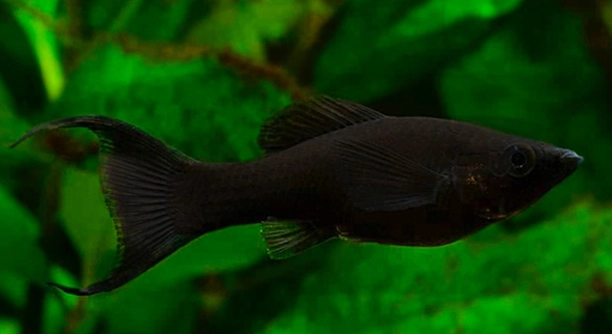
Black Mollies are popular freshwater fish, loved for their dark, shiny color and peaceful nature. Many owners notice them lingering near tank corners, which can seem unusual but is often linked to their environment and behavior patterns.
Black Mollies often hover near corners due to stress, poor water quality, or lack of hiding spots. These areas provide a sense of security and reduced current, allowing the fish to conserve energy while observing their surroundings safely.
Learning about tank setup, water conditions, and social dynamics will help you understand why your Mollies choose certain spots and how to improve their comfort.
Understanding Black Molly Behavior
Black Mollies often act differently depending on their environment. They are naturally cautious fish, and hovering near corners can be a sign they feel safer in those spots. Tank size, decorations, and hiding places all play a role. If the tank is too small, they may feel cornered and stick to edges. Currents created by filters or pumps can also influence their position. Mollies tend to avoid strong currents, preferring calmer areas where they can rest. Lighting is another factor; bright lights can make them seek shaded corners. Observing their interactions with other fish is important, as territorial behavior or bullying can push them to corners. Even water temperature and chemistry affect their comfort level. By noting these patterns, owners can adjust the tank setup to encourage more natural swimming behavior. This can help the fish feel secure and active in more areas of the tank.
Corners offer stability and reduced stress for fish. It is a natural response to feel safer in these areas.
Adjusting tank decorations and flow can improve your Mollies’ comfort. Adding plants or rocks gives them more options to explore. Gradually acclimating fish to new areas and ensuring even water circulation encourages them to swim more freely. Consistent maintenance and monitoring water parameters will prevent stress-related behaviors. Over time, these small changes allow the fish to feel less confined and more confident in open tank areas.
Water Quality and Its Impact
Water quality affects every aspect of a Black Molly’s behavior. Poor water conditions can make them sluggish or hide in corners.
Ammonia, nitrite, and nitrate levels need to be monitored carefully. Even small changes can cause stress and make fish cling to corners. Regular water changes, testing, and filtration maintenance are essential. Temperature stability is also critical; sudden shifts can drive them to safe spots. Mollies are sensitive to pH, and they prefer slightly alkaline water. Hardness levels influence their comfort and activity. Stress from poor water quality can also weaken their immune system, increasing susceptibility to disease. Observing behavior in conjunction with water tests can help identify problems before they worsen. Proper feeding, avoiding overfeeding, and removing uneaten food reduces waste buildup. A well-maintained tank encourages active swimming and healthier, more vibrant fish. Taking the time to ensure ideal water conditions benefits both the fish and your enjoyment of the aquarium.
Tank Setup and Decoration
Corners give Black Mollies a sense of security when the tank layout is sparse. Plants, rocks, and other hiding spots help them feel safe and reduce stress. Open areas without cover can make them stick to edges. Proper arrangement encourages movement and exploration throughout the tank.
Adding live plants or artificial decorations changes the tank dynamics for Black Mollies. Dense plants near corners provide shelter and break lines of sight, making them feel protected. Rocks and caves also create calm zones where water flow is minimal, which they prefer. Too many decorations, however, can limit swimming space, so balance is key. Observing where your Mollies spend the most time can guide placement. Even rearranging a few items occasionally keeps their environment interesting and promotes activity. The goal is to create both safe zones and open spaces so they can swim comfortably without feeling threatened or trapped in corners.
Placement of filters and pumps affects water flow and fish behavior. Strong currents near the center may push them toward calmer corners. Adjusting these elements helps Mollies explore more of the tank and improves their overall well-being.
Social Dynamics and Tank Mates
Aggressive or dominant fish can drive Black Mollies to corners to avoid confrontation. Peaceful companions help them feel comfortable moving around.
Schooling behavior impacts their comfort level; Mollies feel safer with a small group rather than being alone. Mixing them with larger or highly active species may cause stress, while compatible tank mates reduce corner-hugging tendencies. Observing interactions daily reveals patterns of dominance or avoidance. Properly grouping fish, maintaining a balanced population, and providing enough space can prevent constant corner-hiding. Territorial disputes over feeding areas or preferred spots can also push them into corners, so offering multiple hiding places is helpful. Even small changes in group composition can noticeably improve their activity levels. Healthy social conditions encourage natural swimming and reduce stress-induced behaviors, making your tank a more lively and comfortable environment for every fish.
Feeding Habits
Black Mollies often stay near corners after feeding, especially if they feel uncertain about other fish. They may prefer calmer areas to eat without interruption, which helps them feel secure.
Overfeeding can lead to leftover food, which accumulates near corners. This can affect water quality and encourage them to linger in these areas.
Light and Temperature
Bright lights can stress Black Mollies, causing them to seek shaded corners. They prefer moderate lighting and areas where shadows provide cover, allowing them to regulate exposure and feel safe.
Maintaining consistent temperature is important for comfort and activity. Sudden changes can make Mollies sluggish and corner-bound, while stable conditions promote even swimming throughout the tank.
Stress and Illness
Stress or illness often causes Black Mollies to hide in corners. Monitoring behavior and physical signs can help detect problems early and improve their health.
FAQ
Why are my Black Mollies always in the corners?
Black Mollies hover near corners for safety and comfort. They feel less exposed and more secure when they have walls or decorations nearby. Stress from new tankmates, strong currents, or poor water conditions can also push them to stay in corners. Adjusting tank layout, water parameters, and adding hiding spots often encourages them to swim more freely.
Is it normal for Black Mollies to hide a lot?
Yes, hiding is a natural behavior. Mollies are cautious fish and often retreat to quiet areas when stressed, sick, or adjusting to a new tank. Consistently monitoring their health, water quality, and social interactions helps ensure hiding doesn’t indicate a serious problem.
Can water quality make them stay in corners?
Absolutely. Ammonia, nitrite, and nitrate spikes, or improper pH and hardness, can make Mollies uncomfortable. They seek calmer, safer corners when stressed by water conditions. Regular testing, partial water changes, and proper filtration are essential to maintain a healthy, active tank.
Do tankmates affect their corner behavior?
Yes. Aggressive or dominant fish can intimidate Black Mollies, causing them to hide. Even overly active species may stress them out. Keeping compatible, peaceful tankmates and providing multiple hiding spots reduces corner-hugging behavior and helps them explore the tank comfortably.
How does lighting affect their position in the tank?
Bright or harsh lighting can make Black Mollies seek shade in corners. They prefer moderate lighting with areas of shadow to feel safe. Adjusting light intensity and providing plants or decorations for cover encourages them to spread out and be more active.
Does tank size matter for their behavior?
Smaller tanks or overcrowding can make Black Mollies cling to corners. They need enough space to swim freely. A larger tank with balanced stocking and open swimming areas encourages natural movement and reduces stress-driven cornering.
Can stress from illness cause this behavior?
Yes. Sick or stressed fish often retreat to corners to conserve energy and avoid exposure. Watch for physical signs like clamped fins, discoloration, or lethargy. Prompt treatment and improving water quality can help them recover and return to normal activity.
Will rearranging decorations help them swim more?
Rearranging plants, rocks, and hiding spots can encourage exploration. Creating both sheltered and open areas gives Mollies options for comfort and activity. Gradual changes help them adapt without increasing stress, leading to more even swimming throughout the tank.
Do Black Mollies ever prefer corners naturally?
Some Mollies naturally favor edges for security. Even in ideal conditions, they may spend time in corners as a resting spot. Observing their patterns helps determine whether it’s normal behavior or stress-related.
How can I encourage them to swim more?
Providing a balanced tank setup, gentle water flow, and compatible tankmates promotes movement. Adding plants and hiding spots in multiple areas allows safe exploration. Stable water parameters, moderate lighting, and careful feeding also encourage active swimming rather than corner-hugging.
Is it normal for them to return to corners even after improvements?
Yes. Black Mollies sometimes return to corners out of habit or preference. Even in well-maintained tanks, corners remain appealing for rest or observation. The key is ensuring they are healthy, comfortable, and able to swim freely elsewhere as needed.
Do feeding times influence corner behavior?
Feeding can make them linger near corners, especially if food settles there. Overfeeding or leaving uneaten food can reinforce corner-hugging habits. Distributing food evenly and removing leftovers helps encourage movement and reduces prolonged corner time.
Can temperature changes push them to corners?
Yes, sudden drops or spikes in temperature can make Mollies seek calmer, protected areas. Consistent heating and monitoring prevent stress and maintain regular activity throughout the tank.
Are corners safer for young or new Mollies?
New or juvenile Mollies often feel safest in corners until they acclimate. Providing gentle water flow, hiding spots, and compatible tankmates helps them gradually explore the tank without excessive stress.
How often should I check water parameters to prevent this behavior?
Frequent testing is important, at least weekly for ammonia, nitrite, nitrate, pH, and hardness. Immediate correction of any issues keeps Mollies healthy and reduces stress-driven corner-hugging behaviors.
Can adding plants reduce corner-hugging?
Yes, strategically placed plants give options for hiding and resting throughout the tank. This spreads them out and prevents prolonged corner use while keeping them comfortable.
Is it normal for only one Molly to stay in corners?
Individual personality, health, or stress can make one Molly prefer corners while others explore. Observing interactions and water conditions ensures the fish is healthy and not being bullied or stressed.
Do filter positions affect where they swim?
Strong currents can push Mollies toward calmer areas, often corners. Adjusting filter flow or using decorations to break currents helps distribute movement and encourages them to explore more of the tank.
How long do they usually stay in corners?
The duration varies by fish, tank conditions, and stress levels. Healthy Mollies may rest briefly, while stressed or sick ones linger longer. Monitoring behavior alongside water quality and social dynamics helps determine if intervention is needed.
Will corner-hugging affect their health?
Prolonged stress or inactivity in corners can weaken the immune system and increase susceptibility to disease. Ensuring optimal water conditions, tankmates, and a balanced environment supports their health and encourages more natural activity.
How can I tell if corner behavior is serious?
Look for lethargy, clamped fins, loss of appetite, or discoloration. If these signs accompany corner-hugging, it may indicate illness or environmental stress. Prompt attention and adjustments to water quality, diet, and tank setup are essential for recovery.
Can regular observation reduce corner-hugging behavior?
Yes. Watching patterns helps identify stressors, aggressive tankmates, or unsuitable conditions. Adjustments based on observation, like adding hiding spots or changing flow, often reduce corner dependence and improve overall activity.
Do all Black Mollies act this way?
Not all. Individual temperament, tank conditions, and social dynamics influence behavior. While corner-hugging is common, it varies between fish and should be evaluated in context with environment and health indicators.
How can I make corners less appealing?
Balancing decorations, adding mid-tank plants, and adjusting water flow discourages prolonged corner use. Ensuring safety and comfort in open areas encourages movement while keeping the fish secure.
Does diet impact their swimming patterns?
Yes. Overfeeding can lead to laziness or lingering in safe areas. Balanced feeding with controlled portions encourages natural movement and reduces corner dependence.
Are corners used for resting or sleeping?
Mollies often rest in corners where they feel protected. This is normal as long as they swim actively at other times and maintain healthy eating and behavior patterns.
Can I change behavior with gentle encouragement?
Yes. Gradually modifying tank layout, introducing compatible tankmates, and providing low-stress exploration options helps Mollies spend more time away from corners while keeping them comfortable.
Do corners provide any benefits?
Corners offer reduced currents, shelter, and security. Even in ideal tanks, Mollies may return there for rest or observation. These benefits help reduce stress and conserve energy in a natural way.
What are long-term solutions to reduce corner-hugging?
Maintaining stable water parameters, balanced tankmates, adequate hiding spots, moderate lighting, and proper feeding encourages activity. Regular observation and small adjustments prevent stress, allowing Mollies to explore the tank naturally.
Black Mollies are naturally cautious and sensitive fish, so it is normal to see them spending time in corners. This behavior often reflects their desire for security, especially in tanks where water conditions, lighting, or social dynamics create stress. Corners provide a stable environment with less current and more cover, allowing the fish to rest and observe their surroundings without feeling exposed. Even in well-maintained aquariums, Mollies may prefer these areas at times. Understanding this behavior is important for any fish owner, as it helps distinguish between normal patterns and potential problems. Regular observation of where they swim and how often they retreat can reveal a lot about their comfort level and overall well-being.
Improving tank conditions can reduce excessive corner-hugging and encourage more natural swimming behavior. Water quality is one of the most critical factors to monitor. Maintaining stable pH, hardness, and temperature ensures that the fish remain healthy and stress-free. Partial water changes, proper filtration, and careful feeding practices prevent the buildup of harmful chemicals and debris. The tank layout also plays a significant role. Adding plants, rocks, and caves throughout the tank creates safe areas for the fish to explore without feeling the need to retreat to a single corner. Adjusting filter flow to reduce strong currents in central areas helps Mollies feel comfortable swimming freely. Even small changes, such as moving a few decorations or redistributing plants, can make a noticeable difference in how much the fish move throughout the tank.
Social dynamics and lighting are equally important for encouraging active behavior. Black Mollies are peaceful but can be stressed by aggressive tankmates or overcrowding. Ensuring compatible companions and providing enough space reduces the tendency to hide. Lighting should be moderate, with shaded areas to help the fish feel safe, as harsh light can push them into corners. Observation is key; monitoring their interactions, swimming patterns, and feeding behavior allows owners to identify stressors and make adjustments quickly. While corners serve as safe resting spots, healthy, stress-free Mollies will balance time spent hiding with exploration and swimming. Paying attention to their environment, water quality, and social conditions ensures a comfortable, vibrant tank where Black Mollies can thrive naturally.

Hello,
If you enjoy the content that we create, please consider saying a "Thank You!" by leaving a tip.
Every little bit helps us continue crafting quality advice that supports the health, happiness, and well-being of pets around the world, for pets of all shapes, sizes, and species.
We really appreciate the kindness and support that you show us!