
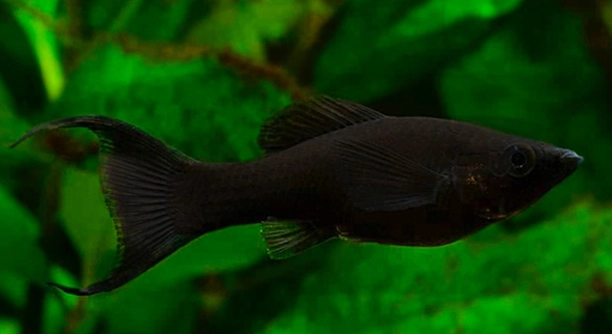
Black mollies are popular fish in home aquariums, loved for their calm nature and striking appearance. Watching them swim together can be relaxing, but sometimes subtle changes in behavior can signal a problem in the group.
There are several warning signs to watch for when black mollies are shoaling. Signs such as sudden aggression, erratic swimming, isolation from the group, discoloration, labored breathing, loss of appetite, and unusual hiding behavior indicate potential stress or illness within the shoal.
Recognizing these signs early can help ensure your black mollies remain healthy and active, maintaining a harmonious environment in your aquarium for the entire shoal.
Sudden Aggression
Sometimes black mollies that are usually peaceful may start chasing or nipping at each other. This behavior can happen when the tank is overcrowded or when water conditions change suddenly. Aggression can also increase if new fish are introduced without a proper acclimation period. Watching your mollies interact daily helps you notice changes early. Small territorial disputes are normal, but repeated attacks can stress other fish. Stress weakens their immune systems and can make them more prone to disease. Adjusting the tank layout with hiding spots or rearranging decorations can reduce tension. Make sure all mollies have enough space to swim freely. Overfeeding can also contribute to aggression, so check feeding habits. Sometimes separating the most aggressive fish temporarily can restore calm. Monitoring water parameters like pH, temperature, and ammonia levels ensures a stable environment. Aggression usually decreases once conditions are corrected and fish feel secure in their surroundings.
Aggression in black mollies signals stress or discomfort and should be addressed promptly to prevent health problems.
Keeping aggression under control allows your mollies to return to normal social behavior, maintaining a peaceful and healthy shoal.
Erratic Swimming
Erratic swimming is when mollies dart quickly, spin, or float near the surface. This can indicate water quality issues or internal illness.
Abnormal movement may result from poor water parameters, parasites, or oxygen depletion. Checking filtration, temperature, and performing partial water changes often resolves this problem.
Observing swimming patterns daily helps detect problems before they become severe. If mollies are swimming frantically near the surface, oxygen levels might be low. Poor water quality, such as high ammonia or nitrite levels, stresses fish and causes unusual movement. Parasitic infections or internal issues like swim bladder disease can also make them struggle to maintain balance. Maintaining a stable environment with clean water, correct temperature, and proper nutrition reduces the likelihood of erratic swimming. Sometimes adjusting the tank’s layout or adding plants can help fish feel more secure. Early intervention often prevents severe health consequences. Treating illness promptly and keeping water parameters consistent ensures mollies regain normal movement and shoaling behavior.
Isolation from the Group
Isolation happens when a molly separates from the main shoal and hides alone. This behavior usually signals stress, illness, or poor water conditions affecting the fish’s comfort.
Fish that isolate themselves often feel unwell or threatened. Illnesses like parasites, bacterial infections, or internal problems can cause a molly to avoid others. Stress from aggressive tank mates or sudden changes in the environment may also trigger isolation. Water quality plays a major role—high ammonia, nitrite, or incorrect pH can make fish lethargic and withdrawn. Providing hiding spots and maintaining consistent water parameters can encourage the isolated molly to rejoin the group. Regular observation of behavior ensures early detection of potential issues. Addressing the cause quickly improves the chances of recovery.
Isolation can affect the overall health of the shoal, as stressed or sick fish may spread disease if left untreated. Maintaining stable conditions helps the entire group remain active and connected.
Discoloration
Discoloration in black mollies can appear as faded colors, dark patches, or unusual spots. It often signals stress, illness, or poor nutrition.
Changes in color are one of the first signs that a molly is not feeling well. Stress from overcrowding, aggressive tank mates, or sudden water parameter changes can dull colors. Diseases like fungal infections, parasites, or internal organ issues can also cause unusual patches or fading. A balanced diet with high-quality food supports vibrant coloration and overall health. Maintaining proper water conditions, performing regular changes, and monitoring temperature and pH levels prevents color-related stress. Observation of daily behavior helps link discoloration to potential causes. Sometimes the color change is temporary, improving once the environment stabilizes, but prolonged fading often requires intervention.
Discoloration can indicate deeper health issues that, if ignored, may impact the shoal’s overall wellbeing. Acting quickly improves recovery chances and keeps the fish visually healthy and active.
Labored Breathing
Labored breathing in black mollies shows as rapid gill movement or gasping at the water surface. This often points to low oxygen levels, poor water quality, or a possible infection.
Ensuring proper aeration, clean water, and stable temperature helps mollies breathe comfortably. Immediate attention prevents further stress and potential illness.
Loss of Appetite
A black molly that stops eating or eats very little may be under stress or experiencing illness. Poor water quality, internal parasites, or sudden environmental changes can trigger this behavior.
Providing high-quality, varied food and maintaining consistent water parameters encourages normal eating. Observation helps identify the underlying cause and allows for timely corrective measures, preventing weight loss and further health complications.
Unusual Hiding Behavior
Excessive hiding, especially during daylight, signals discomfort or fear. Black mollies that retreat often are stressed, ill, or reacting to aggression within the tank.
Providing secure hiding spots and stable conditions reduces stress, encouraging the fish to participate normally in shoaling and daily activity.
How can I tell if my black mollies are stressed?
Signs of stress in black mollies include sudden aggression, erratic swimming, isolation from the group, discoloration, labored breathing, loss of appetite, and unusual hiding. Observing these behaviors regularly helps identify stress early. Stress often results from poor water quality, overcrowding, sudden environmental changes, or aggressive tank mates.
What water conditions are ideal for black mollies?
Black mollies thrive in stable conditions with a temperature between 75–82°F, pH around 7.5–8.5, and moderate hardness. Regular water changes, proper filtration, and aeration maintain water quality. Ammonia, nitrite, or nitrate spikes can stress fish and lead to illness, so testing water frequently is important.
Why do my black mollies sometimes hide too much?
Excessive hiding usually indicates discomfort. It may be caused by stress, illness, or aggression from other fish. Providing secure spaces like plants or decorations helps them feel safe. Once conditions stabilize, mollies typically return to normal activity and shoaling behavior.
How do I prevent aggression in a molly shoal?
Aggression can be reduced by maintaining appropriate tank size, avoiding overcrowding, and providing plenty of hiding spots. Rearranging the tank occasionally prevents territorial disputes. Feeding consistently and introducing new fish carefully also reduces stress-related fighting. Monitoring interactions ensures aggressive behavior does not escalate.
What should I do if a molly stops eating?
Loss of appetite can result from illness, stress, or poor water quality. Ensure proper nutrition with high-quality foods and monitor environmental factors. Quarantining sick fish and treating infections promptly prevents further health issues and protects the rest of the shoal.
Can water changes really help my mollies’ health?
Yes, regular water changes remove toxins, balance pH, and improve oxygen levels. Clean water reduces stress, prevents disease, and supports vibrant colors. Small, frequent changes are better than large, infrequent ones, as sudden shifts in water chemistry can also stress the fish.
How do I handle discoloration in my black mollies?
Fading or unusual spots may indicate stress, illness, or nutritional deficiencies. Check water quality and diet first, then monitor for other symptoms. Maintaining consistent conditions and providing balanced nutrition can restore normal coloration, while prolonged discoloration may require treatment for underlying health issues.
Is erratic swimming always a sign of disease?
Not always. Sometimes it is caused by stress, low oxygen, or sudden environmental changes. Persistent erratic movement, especially when combined with other warning signs, usually indicates a health problem. Correcting water conditions and addressing potential infections helps mollies regain normal swimming patterns.
How can I keep my mollies active and social?
Maintaining stable water parameters, providing adequate space, and reducing aggression promotes active shoaling. Enriching the tank with plants and hiding spots encourages exploration while minimizing stress. A healthy diet and regular monitoring ensure mollies remain social and visually vibrant.
What is the first step if I notice unusual behavior?
Observe carefully and note all symptoms. Test water parameters, check for aggression or overcrowding, and evaluate feeding habits. Addressing environmental or health issues quickly prevents escalation and supports the overall wellbeing of the shoal.
How long does it take for mollies to recover from stress?
Recovery depends on the cause and severity. Minor stress from environmental changes may resolve within days after adjustments. Illness or severe stress can take weeks, requiring careful monitoring, treatment, and consistent care to restore normal behavior and health.
Are some black mollies more prone to problems than others?
Individual temperament, age, and health history can make some mollies more sensitive. Younger or older fish, or those with previous illnesses, may react more strongly to stress or environmental changes. Providing consistent care and a stable environment helps all mollies thrive.
Can diet affect behavior and health?
Yes, a balanced diet rich in protein, vitamins, and minerals supports growth, immunity, and coloration. Poor nutrition can lead to lethargy, fading colors, and susceptibility to disease. Rotating foods and including occasional live or frozen options encourages normal behavior and activity.
When should I consult a veterinarian?
Consult a veterinarian if mollies show persistent illness, loss of appetite, severe discoloration, or unusual swimming despite environmental adjustments. Professional guidance ensures accurate diagnosis and effective treatment, protecting the health of the affected fish and the shoal.
How often should I monitor my black mollies?
Daily observation helps detect early signs of stress, illness, or abnormal behavior. Monitoring water parameters weekly or more often ensures conditions remain stable. Prompt action on observed issues prevents minor problems from becoming serious threats to the shoal.
What are the most common mistakes in caring for black mollies?
Overcrowding, inconsistent water quality, sudden environmental changes, improper diet, and neglecting signs of stress are common mistakes. Avoiding these ensures mollies stay healthy, social, and visually vibrant, reducing the need for medical intervention or emergency care.
Can black mollies recover from serious illness?
Yes, recovery is possible with timely intervention. Proper diagnosis, treatment, water management, and nutrition are essential. While some illnesses have lasting effects, many fish regain normal behavior and coloration when conditions and care are corrected promptly.
How do I know if my shoal is healthy?
A healthy shoal is active, social, brightly colored, and eats regularly. Fish swim together comfortably, show minimal aggression, and respond to environmental enrichment. Monitoring behavior, appearance, and water quality consistently helps ensure ongoing health and balance in the group.
What small changes make the biggest difference in molly health?
Consistent water quality, proper diet, adequate space, hiding spots, and regular observation make the most impact. Small adjustments like improving filtration, balancing pH, or adjusting feeding routines prevent stress, reduce disease risk, and maintain vibrant, active fish over time.
Caring for black mollies requires attention to their behavior and environment. These fish are social creatures, and watching them shoal is one of the most enjoyable aspects of keeping an aquarium. However, changes in behavior often indicate underlying issues. Sudden aggression, erratic swimming, hiding, or isolation can all signal stress, illness, or environmental problems. Noticing these behaviors early allows for quick corrective action, which is important for maintaining the health of the entire group. Regular observation is essential. Spending a few minutes each day watching your mollies can help you detect small problems before they become serious. Simple steps like monitoring water parameters, checking for signs of disease, and observing how each fish interacts with the group can make a big difference in their overall wellbeing.
Maintaining proper water quality is one of the most important responsibilities for any fish keeper. Black mollies are sensitive to changes in temperature, pH, and chemical levels in their tank. High ammonia, nitrite, or nitrate levels, as well as sudden shifts in water conditions, can cause stress and illness. Regular water changes, proper filtration, and aeration are necessary to keep the environment stable. Providing enough space for each fish is also important, as overcrowding increases aggression and stress. Adding decorations and plants can give fish hiding spots, helping them feel safe and secure. Diet plays a role as well. Feeding a balanced diet with high-quality flake food, frozen or live options, and occasional supplements ensures that mollies remain healthy, vibrant, and active. When these factors are consistently managed, black mollies are more likely to show normal behavior and maintain their natural colors.
Understanding the warning signs of problems in a black molly shoal makes it easier to respond effectively. Stress, illness, or environmental issues are easier to correct when addressed promptly. Isolation, loss of appetite, discoloration, or unusual swimming patterns should not be ignored. Taking small but consistent actions, such as adjusting tank conditions, improving water quality, providing hiding spots, and observing behavior, can prevent many common health issues. Over time, these practices help ensure a peaceful, active, and visually vibrant shoal. Black mollies thrive when their environment is stable, their needs are met, and they are monitored carefully. A healthy shoal is a reflection of consistent care and attention, and taking these steps ensures that your fish remain a lively and harmonious part of your aquarium.

Hello,
If you enjoy the content that we create, please consider saying a "Thank You!" by leaving a tip.
Every little bit helps us continue crafting quality advice that supports the health, happiness, and well-being of pets around the world, for pets of all shapes, sizes, and species.
We really appreciate the kindness and support that you show us!