
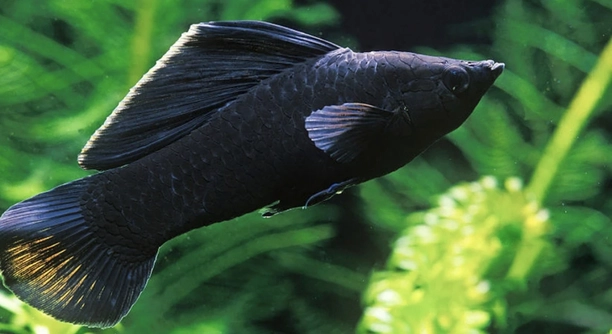
Many aquarium keepers enjoy watching their Black Molly swim gracefully around the tank, and it can be helpful to understand what supports their comfort and overall behavior. This simple introduction offers a gentle start to understanding their preferred conditions.
Black Molly thrive in moderate to low flow environments because strong currents can cause unnecessary stress. Maintaining a calm water movement supports stable swimming patterns, reduces fatigue, and helps them maintain their natural behavior, creating a healthier and more comfortable habitat overall.
Learning about flow preferences can make caring for these peaceful fish much easier, offering insight that supports a calmer and more balanced tank.
Understanding How Flow Influences Black Molly Behavior
Black Molly respond noticeably to the strength of water movement, and their behavior reflects how comfortable they feel in their environment. When the flow is too strong, they may struggle to swim, hide more than usual, or appear tired. A moderate to low flow helps them move calmly around the tank without wasting energy. This type of setup supports better feeding habits, steadier movement, and gentler interaction with tank mates. Keeping the flow controlled also helps prevent them from being pushed around the aquarium, which can disrupt their natural activity. With a calmer setup, they stay more active, explore more often, and show brighter coloration. These simple adjustments create a peaceful space where they can thrive and maintain an easy rhythm each day, offering a more pleasant experience for both the fish and the keeper.
Keeping the flow balanced allows your Black Molly to express natural behaviors, making the tank feel more stable and comfortable for them.
A steady and manageable flow improves their daily activity while reducing stress. By observing how they react to different flow levels, you can easily identify what helps them stay calm and active. These small observations lead to a healthier environment and a better understanding of their needs.
Why Low to Moderate Flow Supports Their Health
A gentle flow keeps your Black Molly secure while moving through the tank, reducing strain on their bodies and preventing unnecessary fatigue. When the water moves at a controlled pace, they swim more confidently and spend less time fighting against currents. This also helps them keep stable positions while feeding, which supports better nutrient intake. Strong flow can interfere with their natural patterns, making them hide or become stressed. Low to moderate flow protects their delicate fins and helps maintain a natural rhythm throughout the tank, promoting comfort and steady activity.
Creating a calm and supportive environment helps your Black Molly maintain consistent health. By choosing proper filter settings and arranging decorations to soften water movement, you can reduce stress and improve their well-being. Smooth flow helps maintain stable swimming patterns and gives them the freedom to explore the tank comfortably. This setup also reduces friction around plants and prevents debris from circulating too quickly, keeping the water cleaner for longer. A low to moderate flow encourages better feeding habits, steadier energy levels, and a healthier appearance overall. Adjusting the flow to suit their needs ensures your aquarium remains peaceful, balanced, and suitable for their gentle nature.
Adjusting Flow in a Shared Tank
Maintaining a suitable flow becomes important when Black Molly share space with other species. Some fish prefer stronger currents, while others need gentle movement. Keeping a moderate balance helps prevent stress and supports smoother interactions among all tank residents.
Creating sections with varied flow can help each species find its preferred space. Placing decorations, plants, or driftwood in certain areas softens movement and provides calmer zones for Black Molly. Meanwhile, directing the filter output toward sturdier swimmers allows them to enjoy more active areas without overwhelming the rest of the tank. This setup encourages natural behaviors and reduces unnecessary tension. Paying attention to how each fish reacts makes it easier to adjust the environment in a way that keeps the entire tank stable, comfortable, and harmonious.
Regular observation helps maintain this balance, especially when fish grow or new species are added. Watching for signs of struggle, hiding, or uneven swimming makes it easier to recognize when changes are needed. Simple adjustments to filtration angles, flow direction, or tank decorations can restore comfort without disrupting the whole setup. This steady approach supports healthier behavior and protects the overall mood of a shared aquarium.
Recognizing Signs of Flow-Related Stress
Black Molly often show clear signs when the flow is too strong or inconsistent. They may struggle to maintain position, hide more often, or allow their fins to clamp. These reactions signal that adjustments are needed to restore comfort and support their daily routine.
Evaluating these signs helps prevent long-term issues. When the flow is reduced, Black Molly move with ease, feed more confidently, and explore their surroundings without hesitation. Creating gentle areas with plants or structures gives them secure spaces to rest while maintaining access to open swimming zones. If the filter output causes strong bursts, switching to a diffuser or adjusting the angle can create smoother patterns. Observing their posture, movement, and feeding habits provides ongoing guidance for maintaining a balanced environment. Taking action early protects their well-being and keeps the tank running smoothly.
Choosing the Right Filter
Selecting a filter that provides gentle, adjustable flow is important for Black Molly. Canister or sponge filters often work best, allowing you to control water movement without creating strong currents that stress the fish.
Positioning the filter carefully also helps. Pointing the output toward the tank wall or behind decorations softens the flow, creating calmer areas for swimming.
Using Plants to Manage Flow
Live plants can reduce strong currents while providing shelter. Tall plants, floating species, and dense clusters act as natural barriers, slowing water movement and offering secure spaces for Black Molly to rest and explore without strain.
Monitoring Flow Over Time
Regularly check how water movement affects your fish. Changes in swimming patterns, hiding, or fin position indicate adjustments may be needed to maintain a healthy environment.
FAQ
How do I know if my Black Molly prefers low or moderate flow?
Observing their swimming behavior is the most reliable method. If they struggle against currents, hide frequently, or keep their fins clamped, the flow is likely too strong. When they swim comfortably, explore the tank, and feed easily, the flow is at a suitable level. Calm areas created by decorations or plants can also help you notice where they feel most secure. Regular observation over several days allows you to identify patterns and ensure the environment consistently meets their needs without causing stress.
Can Black Molly handle strong currents if they are acclimated?
Even with acclimation, strong currents can still stress Black Molly. They may swim more actively but expend excessive energy, leading to fatigue and reduced feeding efficiency. Providing gentle or moderate flow remains the best practice, even for fish that seem to tolerate faster movement. Flow adjustments should prioritize comfort and natural behavior rather than just activity.
Will adding plants change how Black Molly respond to flow?
Yes, plants act as natural barriers and slow water movement. Tall or dense plants create calmer areas where Black Molly can rest or explore without fighting currents. Floating plants reduce surface movement, offering additional zones of low flow. Positioning plants strategically can help balance flow across the tank while supporting their natural swimming patterns.
Is filter type important for flow management?
Filter type significantly affects water movement. Sponge filters and adjustable canister filters offer better control over flow, producing gentle, consistent currents. Power filters or strong internal filters may create uneven or fast-moving water that stresses Black Molly. Using attachments like spray bars or diffusers can help soften output, creating a calmer environment.
Can other tank inhabitants affect flow preferences?
Yes, tank mates with strong swimming abilities may prefer faster currents, which can create tension for Black Molly. Creating separate zones with different flow strengths or positioning decorations to slow water in certain areas ensures that all species can coexist comfortably without stressing the Black Molly.
How often should I adjust the flow?
Flow adjustments should be made whenever you notice stress signals or after changes in tank setup, such as adding fish, plants, or decorations. Routine observation is key, as small shifts in flow can significantly impact comfort. Minor adjustments over time are better than sudden drastic changes.
Will water parameters influence how Black Molly handle flow?
Stable water conditions help them cope with moderate flow. Fluctuations in temperature, pH, or hardness combined with strong currents can increase stress. Maintaining consistent water quality alongside a suitable flow ensures their health and activity remain steady.
Can Black Molly thrive without any flow?
While they can survive in nearly stagnant water, some flow is beneficial for oxygenation and waste management. Gentle circulation mimics their natural environment, helps distribute nutrients, and keeps the water cleaner. Complete stagnation may harm their overall health over time.
Do juvenile Black Molly have different flow needs than adults?
Yes, younger fish are more sensitive to strong currents because they have smaller, weaker fins. Providing calm areas helps them develop swimming skills without fatigue. As they grow, they can handle slightly stronger flow but still benefit from moderate water movement for overall comfort.
How can I create a flow-friendly layout for my tank?
Use decorations, plants, and filter positioning to create zones of varied flow. Place fast-moving water toward sturdier swimmers and provide calm areas for Black Molly. Observing their behavior will guide adjustments, ensuring they have spaces to rest, explore, and feed comfortably.
Is it possible to overcompensate and reduce flow too much?
Yes, extremely low or stagnant conditions can reduce oxygen levels and allow debris to accumulate. Balance is essential: low to moderate flow is ideal, providing comfort while maintaining water quality and circulation.
What signs indicate long-term stress from improper flow?
Persistent hiding, faded coloration, slow feeding, and lethargy often indicate long-term stress. Fin damage or frequent collisions with tank objects can also occur. Adjusting flow and observing daily behavior helps prevent these issues and supports overall health.
Do seasonal changes affect flow preferences?
Temperature and activity levels may fluctuate with seasonal changes, slightly altering their comfort with flow. Warmer months may increase activity, requiring a gentle boost in circulation, while cooler periods may make them prefer calmer areas. Regular observation ensures adjustments match their changing needs.
Can flow influence breeding behavior in Black Molly?
Yes, calmer areas are more conducive to breeding. Strong currents can prevent mating behavior and fry survival. Providing sheltered, low-flow zones encourages natural reproduction and protects young fish from being swept away.
How do I combine plants, filter adjustments, and decorations for optimal flow?
Strategically placing tall plants, floating species, and driftwood slows currents in key areas. Angle filter output toward walls or behind structures to reduce direct flow. Observe Black Molly to refine placement, ensuring zones for feeding, resting, and swimming are balanced throughout the tank.
Will changing flow stress the fish temporarily?
Minor adjustments may cause temporary caution or hesitancy. They may explore more cautiously until the new environment feels safe. Gradual changes minimize stress, allowing them to adapt without negative impacts on behavior or health.
Can I use a flow meter to measure suitable levels?
While flow meters provide precise measurements, observing the fish is more practical for daily care. Behavioral cues like swimming patterns, fin position, and exploration indicate whether the flow matches their comfort. Measurement tools are useful for consistency but not a replacement for observation.
Is aeration necessary if flow is low?
Yes, gentle aeration ensures oxygen levels remain sufficient, especially in low-flow areas. Air stones or surface agitation can supplement circulation without creating strong currents that stress Black Molly. Maintaining oxygenation supports their health and energy levels.
How do decorations influence water currents?
Decorations redirect water movement, creating sheltered pockets or stronger channels. Careful placement allows Black Molly to have calm zones while maintaining overall circulation. Testing flow around structures ensures they can move freely without fighting currents or becoming trapped.
Are certain tank sizes better for flow management?
Larger tanks can support varied flow zones more easily, allowing for calm areas and moderate circulation simultaneously. Smaller tanks may require more precise adjustments to prevent currents from becoming too strong and stressing Black Molly.
How quickly do Black Molly adapt to new flow patterns?
They adapt fairly quickly if changes are gradual. Observing swimming patterns and energy levels during the first days after adjustments helps ensure the new flow is suitable without causing undue stress.
Final Thoughts
Black Molly are lively, peaceful fish that respond directly to their environment, and water flow is one of the most important factors affecting their comfort and behavior. They are naturally found in calm to moderately flowing waters, and replicating these conditions in a home aquarium helps them stay healthy and active. Maintaining a gentle, balanced flow allows them to swim without strain, explore their surroundings confidently, and feed efficiently. Observing how they react to currents can give clear signals about whether adjustments are needed. Fish that struggle, hide frequently, or keep their fins clamped are likely experiencing stress from too strong a flow. On the other hand, when they move easily, display normal energy levels, and interact with the tank environment naturally, it indicates that the flow is appropriate for their needs. Consistent observation over time is key to making sure the environment remains comfortable and stress-free.
Setting up your tank to meet these flow preferences involves careful placement of equipment and decorations. Filters that provide adjustable output are ideal because they allow you to control water movement according to the needs of your Black Molly. Sponge filters or canister filters with soft spray bars often work best, producing a gentle current while still supporting proper circulation and oxygenation. Positioning the filter output toward walls or behind plants and driftwood can reduce strong direct currents, creating calm zones where your fish can rest. Live plants and floating species not only improve aesthetics but also act as natural barriers to soften water movement, giving Black Molly sheltered areas to retreat to. Arranging the tank with a mix of open swimming space and protective zones ensures that the fish can enjoy activity while having areas to rest. Even minor adjustments to decorations or filter output can make a noticeable difference in how comfortable your fish feel each day.
It is also important to remember that flow management works best when combined with overall tank care. Regular water changes, monitoring of water parameters, and attention to the needs of all tank inhabitants create a balanced environment where Black Molly can thrive. Their behavior should be the main guide in determining whether conditions are ideal, rather than relying solely on measurements or equipment settings. Providing a stable, moderate flow reduces stress, supports natural behaviors, and improves overall health. Over time, this careful attention to water movement and habitat design encourages a more active, vibrant fish that displays brighter colors, regular feeding patterns, and calmer interactions with tank mates. By understanding and responding to their flow preferences, you create an aquarium where Black Molly can live comfortably, remain energetic, and enjoy a stable, healthy environment.

Hello,
If you enjoy the content that we create, please consider saying a "Thank You!" by leaving a tip.
Every little bit helps us continue crafting quality advice that supports the health, happiness, and well-being of pets around the world, for pets of all shapes, sizes, and species.
We really appreciate the kindness and support that you show us!