
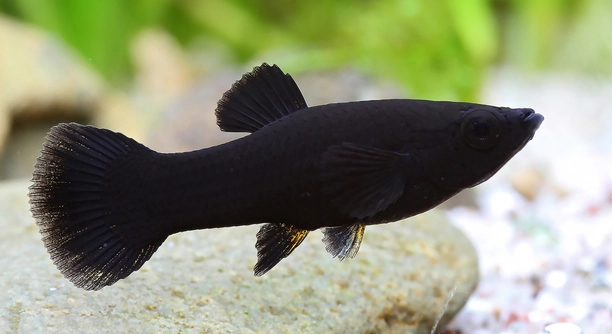
Black Mollies are small, lively fish that often thrive in community tanks. Their social interactions can be subtle, yet they reveal important behaviors that affect group dynamics and tank harmony. Observing them closely can be both enjoyable and informative.
Black Mollies do display dominance within groups, primarily through chasing, nipping, and asserting territory. These behaviors help establish a social hierarchy, reduce conflict, and organize feeding order. Dominance is more evident among males but can also occur in females.
Understanding their social structure helps create a balanced aquarium environment. Observing these interactions can improve care and ensure a peaceful community tank.
Understanding Dominance Behavior in Black Mollies
Black Mollies use a combination of body language and movement to show dominance. Chasing other fish, flaring fins, and nipping are common signals. These behaviors often occur around feeding time or when defending preferred areas of the tank. Dominant fish usually get the best spots near food or hiding spaces, while less dominant fish retreat to quieter areas. Observing these patterns helps you understand which fish lead and which follow. Stress levels in subordinate fish can increase if space is limited, so providing ample hiding spots and plants can reduce tension. Tank size, group composition, and the mix of males and females also affect how dominance is expressed. Some Mollies may establish hierarchy quickly, while others take weeks to show clear pecking order. Regular observation allows you to notice subtle changes in behavior that indicate shifts in social structure, ensuring a healthier and more balanced tank environment.
Dominance helps maintain order and reduces constant aggression in a group.
Recognizing these behaviors allows owners to adjust tank setup and groupings. It also helps prevent injuries and stress, promoting long-term health for all Black Mollies.
Managing Group Dynamics
Providing enough space and hiding spots reduces stress and prevents fights in Black Molly groups.
When managing a tank, consider the number of males and females carefully. Too many males can lead to constant chasing and heightened aggression. Plants, caves, and decorations give subordinate fish places to retreat. Feeding multiple small portions instead of one large one helps reduce competition and ensures all fish get enough nutrition. Observing the tank daily allows you to notice shifts in dominance early, so adjustments can be made quickly. Sometimes, separating aggressive individuals temporarily can restore balance. Water quality also plays a role, as stressed or unhealthy fish are more likely to display extreme aggression. By carefully monitoring group interactions, you can maintain a peaceful community where all Black Mollies coexist comfortably, reducing injuries and stress while supporting natural social behaviors.
Feeding and Dominance
Feeding time often reveals dominance among Black Mollies. The more dominant fish eat first, while others wait or retreat.
Observing feeding patterns can show which fish hold higher social rank. Dominant Mollies often swim confidently to food, asserting their place. Subordinate fish may wait near plants or edges, avoiding confrontation. Multiple feeding points reduce competition and ensure all fish receive proper nutrition. Watching these interactions gives insight into the pecking order and helps maintain balance in the tank.
Adjusting feeding routines can minimize stress. Offering smaller portions at different locations encourages all fish to eat without aggressive encounters. Over time, this approach supports harmony, reduces injuries, and allows quieter fish to thrive alongside dominant individuals. Proper observation and care improve overall health and social stability.
Tank Setup and Space
Black Mollies need space to establish their hierarchy without constant conflict. Proper tank size and layout are essential for peace.
Providing sufficient swimming room and hiding areas helps reduce aggressive behavior. Dense plants, caves, and decorations create territories and safe zones for less dominant fish. Grouping multiple males without enough space can increase tension, while evenly spaced hiding spots allow retreats and reduce stress. Monitoring behavior regularly ensures dominant fish do not overwhelm others. A well-planned tank encourages natural social interactions while minimizing injuries, creating a stable environment for all Black Mollies.
Recognizing Stress in Black Mollies
Signs of stress in Black Mollies include hiding, loss of appetite, and rapid swimming. These behaviors often indicate dominance pressure or poor tank conditions.
Changes in color, frayed fins, or lethargy can also signal stress. Observing these cues early helps prevent injury and illness in the group.
Adjusting Group Composition
Sometimes dominance issues arise from an imbalanced group. Maintaining a mix of males and females can reduce aggression. Too many males increase chasing and conflict, while too few females can lead to over-harassment. Adjusting the number and combination of fish helps maintain social balance, ensuring all individuals coexist peacefully.
Observing Long-Term Behavior
Tracking behavior over weeks allows recognition of shifting dominance patterns. Subtle changes can indicate adjustments in hierarchy or emerging stress points within the tank. Consistent observation ensures timely intervention and supports overall health.
Benefits of a Well-Balanced Group
A balanced group reduces aggression, stress, and injury. Black Mollies show natural behavior and thrive when hierarchy is stable.
FAQ
How can I tell which Black Molly is dominant?
Dominant Black Mollies usually swim confidently to the front during feeding and assert their position through chasing or fin displays. They often occupy preferred spots near hiding places or areas with better access to food. Subordinate fish tend to stay on the edges, hide among plants, or avoid confrontation. Observing these patterns consistently over time helps identify hierarchy clearly.
Do female Black Mollies show dominance too?
Yes, female Black Mollies can display dominance, though it is generally less aggressive than males. They may chase smaller or weaker fish, assert space near feeding areas, and occasionally nip at others. Female dominance often helps maintain social structure within the group without the intensity seen among males.
Will dominance lead to injuries in a community tank?
In a properly sized tank with enough hiding spots, dominance rarely causes serious injury. Most conflicts are brief displays, chasing, or minor nips. Problems arise when space is limited, plants or hiding areas are sparse, or the male-to-female ratio is unbalanced. In such cases, injuries and stress can occur, requiring intervention.
How can I reduce aggression during feeding?
Providing multiple feeding spots helps ensure all fish have access to food without conflict. Smaller portions distributed across the tank reduce competition. Watching the fish during feeding allows you to notice aggressive behavior early and make adjustments. Feeding at different times or using floating and sinking foods can also reduce pressure on subordinate fish.
Does tank size affect dominance behavior?
Yes, tank size is crucial. Smaller tanks increase tension and limit space for subordinate fish to retreat. Larger tanks give fish room to swim freely and establish territories without constant confrontation. Adequate space helps reduce stress, allows natural social interactions, and supports a stable hierarchy within the group.
How often should I observe my Black Mollies for dominance behavior?
Daily observation is best. Watching interactions during feeding, resting, and swimming times allows you to track hierarchy, detect early stress signs, and intervene if necessary. Even brief observations reveal patterns and help ensure all fish are thriving.
Can adding more fish help reduce dominance issues?
Sometimes adding more females or juveniles can disperse aggressive behavior, but adding too many males can worsen conflicts. The key is a careful balance and monitoring of social dynamics. Overcrowding should be avoided as it increases stress and can lead to injury.
Do decorations and plants impact dominance behavior?
Yes, hiding spots, plants, and decorations create territories and safe zones. They allow subordinate fish to retreat from aggressive individuals, reducing stress and supporting natural social behavior. A well-decorated tank helps maintain harmony and prevents dominance disputes from escalating.
What should I do if one fish is overly aggressive?
Temporarily isolating the aggressive fish can restore balance. Ensure that tank mates have hiding spots and sufficient space to prevent repeated attacks. Adjusting the male-to-female ratio or rearranging decorations can also help reduce dominance pressure. Observing behavior after changes ensures that the group returns to stability.
Can dominance affect breeding?
Yes, dominant males often have better access to females and preferred breeding areas. Subordinate males may have little opportunity to mate unless the hierarchy shifts. Providing multiple females and hiding areas can give all males a chance to engage, supporting healthier reproduction within the group.
How do I maintain a peaceful Black Molly tank long-term?
Maintain adequate space, hiding spots, and balanced group composition. Feed consistently and monitor interactions to prevent stress. Adjust the environment and group as needed, ensuring that both dominant and subordinate fish coexist safely. Regular observation and proactive care promote a stable, healthy community over time.
Are there signs that dominance behavior is becoming harmful?
Persistent chasing, nipping causing fin damage, hiding for long periods, loss of appetite, or pale coloration are indicators. If multiple fish show stress or injury, changes in tank layout, group composition, or temporary separation may be necessary to restore balance.
Does water quality influence dominance behavior?
Yes, poor water conditions can increase stress and exacerbate aggressive behaviors. Clean, stable water reduces overall tension in the tank. Regular monitoring of temperature, pH, and ammonia levels ensures fish remain healthy and less prone to conflict.
Can juvenile Mollies establish dominance?
Juveniles may show early signs of hierarchy, especially in mixed-age groups. While not as aggressive as adults, they learn social cues and begin establishing positions within the group. Observing their behavior helps predict future social dynamics as they mature.
What is the best male-to-female ratio for reducing aggression?
A common guideline is one male for every two to three females. This ratio helps reduce male competition and harassment of females, supporting a more stable and peaceful tank environment. Adjusting based on observation is always recommended.
Do Black Mollies ever completely stop showing dominance behavior?
Dominance is a natural behavior and will always be present to some extent. The goal is not to eliminate it but to manage the environment so conflicts remain brief, mild, and non-injurious, allowing all fish to thrive comfortably.
How can I tell if subordinate fish are coping well?
Subordinate fish that are healthy, eating well, swimming confidently in safe areas, and showing normal coloration are coping. Persistent hiding, poor appetite, or fin damage indicates stress and may require environmental or social adjustments.
Can rearranging the tank reduce conflicts?
Yes, changing plant placement or adding new decorations can disrupt established territories and give subordinate fish safer areas. This often reduces aggressive encounters and redistributes dominance more evenly. Regular rearrangement can prevent long-term tension from building.
Is it necessary to separate aggressive males permanently?
Permanent separation is rarely needed if the tank is properly sized and set up. Temporary separation or environmental adjustments often restore balance. Only in extreme, repeated aggression should permanent isolation be considered to protect other fish.
How important is observation compared to tank modifications?
Observation is critical. Understanding who is dominant, which fish are stressed, and when conflicts occur allows targeted changes. Tank modifications without observation may not address the underlying social dynamics and could fail to reduce aggression effectively.
Can dominance behavior be used to predict breeding success?
Dominant males usually have better breeding opportunities, controlling access to females and prime areas. Tracking hierarchy can help anticipate which males are likely to reproduce, supporting planning for healthy offspring.
Does the type of food impact aggression?
High-value foods can trigger more aggressive behavior during feeding. Distributing food in multiple areas or offering smaller portions reduces competition and prevents dominant fish from monopolizing resources. Consistent feeding routines help maintain peace during meal times.
Are there behavioral differences between wild-type and black-colored Mollies?
Black Mollies exhibit similar social and dominance behaviors as other Mollies. Color does not significantly alter hierarchy, aggression, or social interactions. Differences in behavior are more influenced by individual temperament, tank setup, and group composition than by color.
What is the best way to introduce new fish to an established group?
Introduce new fish gradually in a separate tank or with a divider. Monitor interactions closely, provide hiding spots, and rearrange the environment if needed. Gradual integration allows the group to establish new hierarchies without excessive aggression.
How does age affect dominance in Black Mollies?
Older, larger fish often dominate younger or smaller individuals. Juveniles gradually learn social cues and may shift positions as they grow. Monitoring age and size differences helps maintain balance and reduces stress-related conflicts.
Can dominance be beneficial in a community tank?
Yes, it establishes order and reduces constant fights. Dominant fish maintain hierarchy, allowing others to find safe spaces. Managed correctly, dominance supports natural behavior while minimizing injuries and stress, creating a healthier tank environment.
How do I know if my tank setup is sufficient for natural behavior?
If fish show normal swimming, feeding, and hiding patterns, with minimal injuries or persistent stress, the setup is likely sufficient. Observing daily interactions ensures adjustments can be made to maintain a stable, peaceful environment.
How quickly do hierarchies form in Black Mollies?
Hierarchies can form within days to weeks, depending on tank size, group composition, and individual temperaments. Early observation allows owners to recognize dominant fish and ensure all members have adequate space and resources.
What are common mistakes that increase aggression?
Overcrowding, poor hiding spots, imbalanced male-to-female ratios, inconsistent feeding, and small tanks all contribute. Monitoring behavior, maintaining water quality, and adjusting the environment prevent unnecessary stress and reduce conflict.
Can dominance behavior change over time?
Yes, shifts can occur with growth, aging, or changes in tank composition. New fish or rearrangements may alter hierarchy. Continuous observation ensures timely adjustments to maintain peace and health within the group.
Does removing a dominant fish always solve aggression problems?
Not always. If the environment or group composition remains stressful, other fish may become aggressive. Removing a dominant fish can help temporarily, but long-term solutions involve proper tank setup, hiding spots, and balanced ratios.
How can I encourage shy or subordinate fish to thrive?
Provide ample hiding spots, multiple feeding areas, and gentle observation. Avoid sudden disturbances and allow quieter fish to explore at their own pace. Ensuring safety and access to resources encourages confidence and reduces stress.
Can dominance affect water quality?
Indirectly, yes. Aggression can increase stress, reduce feeding efficiency, and lead to injuries, potentially impacting health and waste levels. Maintaining clean water supports overall well-being and reduces tension-related problems.
Are there signs that dominance is healthy versus harmful?
Healthy dominance involves brief chases, mild displays, and clear retreat of subordinate fish without injury. Harmful dominance includes persistent attacks, fin damage, pale coloration, or chronic hiding. Observing these signs ensures timely intervention.
Does adding more plants always reduce aggression?
Not always, but it generally helps. Plants provide hiding spots and visual barriers, allowing subordinate fish to avoid conflict. Too few plants or poor placement limits retreat options, increasing stress and aggression.
How important is consistency in tank maintenance?
Consistency in cleaning, feeding, and observation supports a stable hierarchy and reduces stress. Irregular maintenance can increase tension, as fish respond poorly to sudden changes in environment or resources.
Can dominance behavior indicate overall fish health?
Yes, strong, active displays suggest healthy fish, while lack of interaction, lethargy, or vulnerability to attacks may indicate illness or stress. Monitoring behavior helps track both social and physical health effectively.
Is it normal for a dominant fish to occasionally get challenged?
Yes, occasional challenges are part of natural hierarchy adjustments. Brief displays of resistance or shifts in positions help reinforce social order without constant fighting.
Do Black Mollies show dominance over other species?
They may assert themselves in mixed-species tanks, but behavior depends on size, temperament, and species. Avoid keeping overly aggressive fish with timid tank mates to prevent stress or injury.
What is the role of water temperature in dominance?
Stable, appropriate water temperature supports normal activity levels. Fluctuations or extremes can increase stress and aggression, affecting how dominance behaviors are expressed. Maintaining recommended temperatures ensures balanced social interactions.
How long does it take to stabilize a new group of Black Mollies?
Depending on tank size and composition, stabilization can take several days to a few weeks. Continuous observation and environmental adjustments help ensure a peaceful hierarchy forms efficiently.
Can dominance be influenced by feeding schedule changes?
Yes, irregular feeding can trigger competition and increase aggressive displays. Consistent schedules with evenly distributed portions help maintain calm and reduce dominance conflicts during meals.
Is it better to separate aggressive fish permanently or temporarily?
Temporary separation is usually sufficient, allowing adjustment and reducing stress. Permanent separation is rarely needed unless aggressive behavior is extreme and persistent, posing a threat to others’ health.
How do I prevent dominance-related stress in long-term care?
Maintain proper tank size, provide hiding spots, balance male-to-female ratios, feed consistently, monitor behavior, and adjust tank layout as needed. Regular observation ensures subordinate fish remain healthy and the group stays harmonious.
Are there personality differences that affect dominance?
Yes, individual temperament plays a role. Some fish are naturally more assertive, while others are calmer. Recognizing these differences helps manage social dynamics effectively and maintain balance.
Can tank rearrangements confuse dominant fish?
Temporary confusion may occur, but it usually benefits subordinate fish. Rearrangements redistribute territories and reduce constant pressure, promoting a more even social structure over time.
How do I know when to intervene in dominance disputes?
Intervene when chasing leads to injury, prolonged hiding, loss of appetite, or visible stress. Early action prevents escalation and maintains overall health.
Does dominance affect overall tank harmony?
Yes, managed dominance maintains order and reduces constant aggression. Unchecked dominance can create stress, injury, and uneven feeding opportunities, disrupting the community balance.
Are there signs that subordinate fish are thriving?
Subordinate fish that eat well, swim confidently, maintain color, and explore safe areas are thriving. Persistent hiding or poor health indicates stress and requires adjustments.
Can dominance be influenced by diet?
High-value foods can trigger temporary aggression. Spreading feeding locations and portions helps balance competition and prevents dominant fish from monopolizing resources.
Do Black Mollies remember hierarchy?
Yes, social memory allows fish to recognize dominant and subordinate individuals over time. This helps maintain stability and reduces unnecessary conflict.
Can dominance cause long-term health issues?
If extreme or persistent, dominance can lead to stress, reduced feeding, and injury. Proper tank management, hiding spots, and observation prevent long-term negative effects.
Is it normal for dominance patterns to shift frequently?
Minor shifts are normal as fish grow, age, or new individuals are introduced. Significant shifts require monitoring to ensure the hierarchy remains safe and stable.
How can I encourage natural dominance without harm?
Provide sufficient space, multiple feeding areas, and hiding spots. Allow brief displays of dominance while ensuring subordinate fish can retreat safely. Observing behavior and making small adjustments supports natural interactions.
Are there environmental factors that increase aggression?
Overcrowding, poor water quality, limited hiding spots, and inconsistent feeding can increase aggression. Maintaining stable conditions and proper tank design reduces these risks.
How important is hiding space for long-term health?
Essential. Hiding spots reduce stress, allow subordinate fish to avoid aggression, and support natural behavior. Without them, subordinate fish may experience chronic stress or injury.
Can dominance affect lifespan?
Indirectly, yes. Chronic stress, injury, and reduced feeding opportunities from unchecked aggression can impact overall health and longevity. Proper management supports a full, healthy lifespan.
Do Black Mollies communicate dominance visually?
Yes, fin displays, chasing, and positioning convey rank without constant fighting. These visual cues maintain hierarchy and reduce direct conflict, helping the group function smoothly.
Is it normal for dominant fish to patrol certain areas?
Yes, patrolling is common. Dominant fish often guard preferred territories, feeding spots, or hiding areas to assert control and maintain their rank within the group.
Can dominance behavior be trained or altered?
Behavior cannot be fully trained, but environmental adjustments, group composition, and observation can influence how dominance is expressed, reducing conflict and stress in the tank.
How can I tell if a new tank setup is working?
Monitor interactions: healthy social behavior, brief displays of dominance, minimal injuries, and all fish eating indicate the setup supports natural behavior. Adjust if aggression or stress persists.
Does dominance affect color or growth?
Subordinate fish under chronic stress may show duller coloration and slower growth. Ensuring proper space, hiding spots, and food access helps all fish maintain optimal health.
Can dominant fish bully only certain individuals?
Yes, dominant fish may focus on weaker, smaller, or slower-moving tank mates. Providing multiple hiding spaces and observing interactions prevents prolonged harassment.
Is it normal for dominance behavior to peak at certain times?
Yes, dominance is often more apparent during feeding, breeding, or territorial disputes. Outside these times, interactions are usually calmer, allowing subordinate fish to move freely.
Can I predict which fish will become dominant?
Size, confidence, activity level, and aggression tendencies often indicate potential dominance. Observing early behavior helps anticipate hierarchy formation.
How do environmental changes affect hierarchy?
Rearranging plants, adding new fish, or changing tank layout can shift hierarchy. These changes redistribute territory and influence social dynamics, sometimes reducing persistent aggression.
Are there signs that dominant fish are stressed?
Even dominant fish can show stress: rapid swimming, loss of appetite, fin damage, or pale coloration. Stress reduces effectiveness in maintaining hierarchy and indicates environmental adjustments may be needed.
Does dominance affect breeding frequency?
Yes, dominant males have better access to females and preferred breeding spots. Ensuring multiple females and hiding areas allows subordinate males occasional breeding opportunities, supporting genetic diversity.
Can dominance disputes be minimized without separating fish?
Yes, proper tank size, hiding spots, balanced ratios, consistent feeding, and observation can reduce disputes and support natural social structure without isolation.
How long should I observe interactions before making changes?
A week of daily observation usually reveals patterns. Longer observation may be needed for new or mixed-age groups. Monitoring ensures informed adjustments for harmony and safety.
Is it normal for dominant fish to occasionally lose rank?
Yes, hierarchy can shift as fish grow, age, or new individuals are introduced. Monitoring these changes ensures subordinate fish remain safe and overall balance is maintained.
Can dominance cause stress even if no physical aggression occurs?
Yes, constant presence of a dominant fish near hiding or feeding areas can elevate stress in subordinate fish, affecting appetite, color, and activity. Providing retreat spaces reduces this stress.
Does dominance influence schooling behavior?
Dominant fish may lead or influence group movement, while subordinates follow or avoid confrontation. This dynamic shapes swimming patterns and overall group cohesion.
Are there signs of dominance-related fatigue?
Dominant fish may show brief pauses or reduced aggression after extended displays. Subordinate fish may show prolonged hiding or low activity, signaling the need for environmental adjustments.
How can I track changes in hierarchy effectively?
Maintain notes on interactions, feeding order, and chasing patterns. Photos or videos can help compare behaviors over time, ensuring timely adjustments and a stable, healthy group.
Can tank mates from different species affect dominance?
Yes, aggressive tank mates can exacerbate dominance conflicts. Choose compatible species to minimize stress and ensure a peaceful environment.
Is it normal for subordinate fish to challenge dominants occasionally?
Yes, occasional challenges help maintain hierarchy and allow social positions to adjust. These encounters are usually brief and do not result in injury if the tank is properly set up.
How do I maintain long-term harmony among Black Mollies?
Balance male-to-female ratios, provide hiding spots, feed consistently, observe daily, and adjust the environment as needed. Maintaining space, clean water, and proper nutrition ensures all fish thrive while supporting natural social behavior.
Can dominance affect how Black Mollies interact with humans?
Dominant fish may approach first during feeding or when the tank is disturbed, while subordinate fish stay hidden. Understanding these behaviors allows better care and ensures all fish receive attention.
**Are there seasonal or
Black Mollies are social fish that naturally establish hierarchies within their groups. Dominance behaviors, such as chasing, nipping, and fin displays, are part of their normal interactions. These behaviors help maintain order and reduce constant conflict in the tank. Observing your Mollies closely allows you to identify which fish are dominant and which are more submissive. Subordinate fish often stay near hiding spots or on the edges of the tank, while dominant fish occupy prime areas and have first access to food. Understanding these patterns makes it easier to provide an environment where all fish can coexist safely. It also helps reduce stress-related behaviors, such as hiding for long periods or losing appetite. Over time, recognizing these social cues becomes routine, making it easier to manage the group effectively and maintain a balanced aquarium.
Creating the right tank setup is essential for reducing stress and promoting harmony among Black Mollies. Sufficient space, plants, and decorations allow subordinate fish to retreat safely from aggressive displays. These hiding spots prevent prolonged harassment and give all fish access to feeding areas without confrontation. The ratio of males to females also plays a significant role in managing aggression. Too many males can increase chasing and competition, while a balanced mix helps diffuse dominance pressure. Feeding routines are another important factor. Providing multiple small feeding points ensures all fish can access food without conflict, reducing stress and injuries. Observing the tank daily allows you to detect changes in hierarchy, monitor aggression levels, and adjust the environment as needed. Small adjustments, such as rearranging decorations or temporarily separating aggressive fish, can significantly improve group dynamics.
Maintaining a peaceful Black Molly tank requires ongoing attention to both behavior and environmental conditions. Monitoring water quality, feeding practices, and tank layout helps prevent stress and injury. Understanding the social structure and recognizing the natural dominance hierarchy allows fish to exhibit normal behaviors safely. Subordinate fish benefit from proper retreat spaces, and dominant fish can maintain their social position without causing harm. Over time, a well-planned setup and careful observation support long-term health, reduce conflict, and allow all Black Mollies to thrive. Observing interactions, adjusting tank conditions, and providing a stable environment ensure that these lively, social fish display their natural behaviors in a balanced and harmonious community. Consistent care, patience, and attention to detail make a noticeable difference in the overall wellbeing of the group, allowing their personalities to emerge while maintaining a peaceful tank.

Hello,
If you enjoy the content that we create, please consider saying a "Thank You!" by leaving a tip.
Every little bit helps us continue crafting quality advice that supports the health, happiness, and well-being of pets around the world, for pets of all shapes, sizes, and species.
We really appreciate the kindness and support that you show us!