
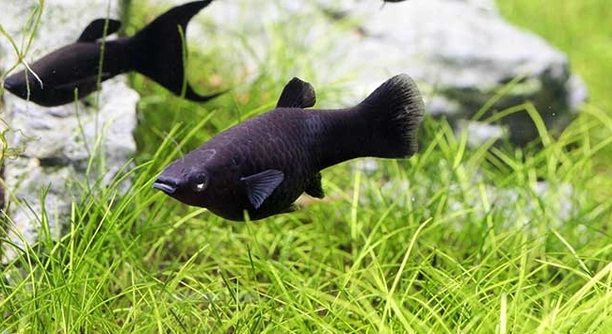
Black mollies are popular aquarium fish, admired for their shiny black scales and peaceful nature. Many aquarists notice these fish tend to stay in shaded areas or near plants, avoiding bright light in the tank environment.
Black mollies prefer low light because it closely mimics their natural habitat. Dimmer conditions reduce stress, support their health, and encourage natural behaviors such as grazing and exploring. Bright lighting can cause discomfort, making them more prone to hiding or illness.
Understanding their lighting preferences can improve tank setup, fish wellbeing, and overall behavior in home aquariums. This guide explains seven key reasons why black mollies favor low light.
Natural Habitat Influence
Black mollies come from slow-moving rivers and shaded coastal areas where light is naturally low. In the wild, dense vegetation and overhanging plants create shadowed zones, providing shelter and safety. These conditions help them avoid predators while allowing easy access to food. When kept in aquariums, replicating similar lighting makes them feel secure and encourages natural behavior. Too much light can make them skittish, constantly swimming to hide. Low light also supports their coloration, making their black scales appear richer and more vibrant. Plants and decorations in the tank create hiding spots and soft shadows, giving mollies comfort and reducing stress. They instinctively gravitate toward areas with gentle lighting, reflecting their evolutionary adaptation to shaded habitats. Observing their movements, you may notice they linger near plants, caves, or decorations rather than open, bright areas. Understanding this helps aquarists provide environments that promote activity, health, and natural interactions among tank mates.
Low light helps black mollies feel safe and behave naturally. Replicating shaded areas reduces stress and supports their overall wellbeing in home tanks.
Providing appropriate lighting enhances their coloration and encourages peaceful interactions. Creating shadowed zones in aquariums ensures a comfortable, natural-feeling environment that promotes healthy behavior.
Stress Reduction
Black mollies are sensitive to their environment, and bright light can trigger stress responses. Excessive illumination may cause erratic swimming, hiding, or aggression. Dimmer lighting mimics the subdued conditions they evolved in, helping them stay calm and active without fear. Stress directly affects their immune system, making them more prone to disease if exposed to constant, intense light. Balanced, low lighting creates a sense of security, allowing mollies to feed, socialize, and explore with ease. Consistent shadows and soft lighting support their natural rhythms, reducing the likelihood of unusual or harmful behaviors. Aquarists can notice calmer schooling patterns and more frequent grazing when lighting matches their comfort level. Observing their reactions helps adjust tank conditions for optimal health. Low light is not only about visual preference; it actively influences stress levels, energy conservation, and long-term survival in captivity. Ensuring lighting is soft, shaded, and steady allows black mollies to thrive naturally, reflecting their true behavioral patterns and minimizing stress-related issues.
Feeding Behavior
Low light encourages black mollies to feed naturally. In dim conditions, they feel safe to explore the tank and graze without constantly hiding from perceived threats.
When lighting is soft, black mollies spend more time foraging along plants, substrate, and decorations. They are more confident searching for flakes, pellets, or live foods, which supports proper nutrition and growth. Bright lights can make them skittish, causing skipped meals or competition stress. Observing them during feeding times shows calmer movements and less frantic swimming, indicating comfort. Ensuring adequate low-light zones allows them to establish feeding routines, promoting overall health and preventing nutritional deficiencies.
Soft, shaded lighting also supports grazing on algae or biofilm, which is part of their natural diet. Providing these conditions encourages continuous activity without stress, enhancing energy balance, growth, and long-term vitality in a home aquarium. They can feed in a relaxed manner, which reflects healthier behavior and supports social interactions with other tank mates.
Reproduction and Mating
Low light conditions create a comfortable environment for breeding. Black mollies are more likely to engage in mating behaviors when they feel safe and unthreatened by bright light.
Dim lighting supports the development of fry by reducing stress for both adults and young. Stress-free adults produce healthier offspring, increasing survival rates in the tank. Bright light can cause hiding or aggressive interactions, which interfere with courtship. Soft shadows and shaded areas provide secure spots for females to retreat and for males to display mating behaviors naturally. Ensuring consistent low-light periods supports hormonal balance, encouraging regular breeding cycles. Proper lighting also prevents sudden disturbances that could harm eggs or fry, allowing natural development.
Creating shadowed zones and planting dense vegetation encourages pairing, chasing, and successful birthing. These conditions replicate their natural breeding environment, supporting reproductive health and increasing the likelihood that fry survive to maturity. Dim light encourages calm interactions, reduces aggression, and allows both males and females to maintain energy for breeding activities. This approach ensures a stable environment that promotes successful reproduction and supports the overall wellbeing of the aquarium population.
Energy Conservation
Black mollies conserve energy in low light conditions. Dim lighting reduces constant alertness, allowing them to swim and explore calmly.
Lower light levels slow their metabolism slightly, helping them use energy efficiently. They remain active without exhausting themselves, supporting overall health and longevity in the tank.
Color Enhancement
Low light highlights the natural black coloration of mollies. Their scales appear deeper and more uniform, creating a striking visual effect.
Soft lighting prevents color fading caused by prolonged exposure to harsh or bright light. Maintaining shaded areas ensures their appearance remains vibrant and visually appealing in the aquarium.
Plant Interaction
Black mollies interact more naturally with plants under low light. Shaded areas encourage hiding, resting, and exploring among leaves and stems, supporting natural behaviors and comfort.
Why do black mollies hide under plants so often?
Black mollies naturally seek shaded areas because it makes them feel secure. In dim lighting, they are less exposed to potential threats and feel safe enough to rest or graze. Hiding under plants is instinctive and mirrors their behavior in rivers and shaded coastal waters, where overhead cover is common.
Providing dense plant coverage or decorations in the tank gives black mollies soft shadows and places to retreat. This reduces stress, supports natural movement, and encourages healthy interaction with other fish. Observing them in these shaded areas is normal and indicates that the aquarium environment meets their comfort needs.
How much light is ideal for black mollies?
Black mollies thrive in moderate to low lighting, which replicates their natural habitats. Around 6–8 hours of soft, indirect light is sufficient for daily activity and plant growth without stressing the fish. High-intensity lighting can make them skittish, trigger hiding behaviors, or cause aggression.
Balancing light duration is important. Too little light can affect their circadian rhythms and reduce activity, while too much light increases stress and can dull their color. Using floating plants, shaded areas, or dimmable LED lights allows you to fine-tune conditions and maintain a stable environment that supports both the mollies’ health and the aesthetics of the aquarium.
Do black mollies eat differently in low light?
Yes, feeding behavior changes under low light. Black mollies feel safer and are more willing to explore the tank in search of food. They are less likely to compete aggressively or hide during feeding times, which ensures they get adequate nutrition.
Dim lighting encourages natural grazing on algae, biofilm, and prepared foods. It reduces stress-induced skipping of meals and supports steady growth. Bright lights can make them nervous, causing them to dart around or remain hidden. Observing their behavior during feeding can help adjust lighting levels to create the most comfortable conditions for consistent, healthy eating patterns.
Can low light affect black molly breeding?
Low light positively impacts breeding by reducing stress. Females feel secure enough to release fry, and males are more likely to display courtship behaviors without being startled by intense illumination.
Soft, shaded areas mimic natural breeding environments, supporting reproductive health. Sudden bright lights can disrupt hormonal balance, interfere with mating, or make adults hide, lowering reproductive success. Maintaining stable, dim lighting encourages calm interactions, increases fry survival, and supports natural birthing behavior. Using floating plants or small caves gives females and fry additional protection during and after birth, creating a safe, stress-free breeding zone.
Will black mollies’ color fade if lighting is too bright?
Yes, prolonged exposure to intense light can dull their black coloration. High light levels may also cause stress, making them retreat and reducing activity, which indirectly affects their vibrancy.
Moderate low light helps maintain the natural deep black tones of their scales. Using shaded areas, floating plants, or soft LED lighting ensures their coloration remains rich and visually striking. Maintaining appropriate light balance supports both health and appearance, keeping black mollies vibrant without the negative effects of prolonged exposure to harsh light.
Are low-light conditions safe for tank plants?
Yes, many aquarium plants tolerate moderate to low lighting. Species like Java moss, Anubias, and Cryptocoryne thrive in shaded conditions, providing cover for black mollies while contributing to tank health.
Balancing plant choice with lighting ensures both fish and flora flourish. Floating plants or taller species create natural shade, reducing stress for mollies and supporting natural behavior. Proper low-light conditions promote plant growth without excessive algae, maintaining a clean, visually appealing environment for the fish.
How do I know if my black mollies are stressed by light?
Signs of stress include hiding constantly, erratic swimming, faded color, or loss of appetite. Bright, unshaded tanks can trigger these behaviors, while shaded areas and dim lighting usually reduce them.
Observing behavior daily helps adjust conditions. Providing floating plants, decorations, or dimmable lighting creates safe zones and reduces stress. Fish that are calm, actively feeding, and displaying normal swimming patterns indicate that lighting levels are suitable. Regularly monitoring their behavior ensures a healthy, low-stress environment that promotes wellbeing and longevity in the aquarium.
Can low light help with tank aggression?
Yes, low light can reduce aggression among black mollies and other community fish. Dim conditions create a sense of security, limiting territorial disputes and competitive behavior over food or space.
Shaded zones allow submissive fish to retreat without harassment, maintaining social balance. Adjusting light intensity and providing hiding spots ensures that all tank inhabitants coexist peacefully. Observing interactions under these conditions helps identify problem areas and ensures a calmer, more harmonious aquarium environment.
Do black mollies need a complete dark period at night?
Yes, black mollies require a night period to maintain natural circadian rhythms. Total darkness of 8–10 hours mimics their natural environment, allowing rest, recovery, and hormone regulation.
Gradual transition from light to dark is best, reducing sudden stress. Using a timer helps maintain consistent light-dark cycles. Proper night periods support feeding, reproduction, and overall activity during daylight, promoting long-term health. This ensures black mollies remain active, vibrant, and balanced in behavior within a home aquarium.
Is low light suitable for all black molly tank setups?
Low light is compatible with most freshwater aquariums, especially those with live plants and gentle water flow. It creates natural conditions, reduces stress, and encourages proper behavior.
Even in community tanks, shaded zones allow black mollies to coexist peacefully with other species. Adjusting light intensity to suit the tank’s inhabitants ensures a comfortable, visually appealing environment. Proper placement of floating plants or decorations helps maintain soft lighting while supporting fish activity and plant growth. Low-light setups are effective for promoting health, natural behavior, and aesthetics in nearly any black molly aquarium.
Black mollies are beautiful and peaceful fish that thrive when their environment meets their natural preferences. One of the most important factors in their wellbeing is light. These fish are naturally adapted to shaded, slow-moving waters where they feel safe and secure. In home aquariums, replicating those conditions is essential for their health and behavior. Low light helps black mollies stay calm, encourages natural movement, and allows them to interact comfortably with tank mates. When the lighting is too bright, they may hide excessively, swim erratically, or become stressed, which can affect their feeding, color, and overall vitality. By providing shaded areas, floating plants, or gentle lighting, aquarists can create a balanced environment that mirrors the fish’s natural habitat. Observing their behavior in these conditions gives valuable insight into their comfort level and helps maintain a healthy aquarium ecosystem.
In addition to supporting natural behavior, low light plays a key role in their reproduction and feeding habits. Black mollies are more willing to explore the tank and graze for food when they feel safe in dim lighting. This reduces competition and ensures that all fish get adequate nutrition. Similarly, breeding is more successful when fish are calm and unthreatened by bright light. Females can release fry comfortably, and males can display natural courtship behaviors without disruption. Creating shaded areas with plants or decorations provides both hiding spots and breeding zones, which supports fry survival and healthy population growth. Low light also enhances their striking black coloration. The rich, deep tones of their scales remain vibrant under soft lighting, while harsh or prolonged illumination can dull their appearance. Maintaining appropriate lighting therefore not only supports their health but also keeps them visually appealing within the aquarium.
Finally, low light helps black mollies conserve energy and reduces stress. Dim lighting encourages calmer swimming and prevents the fish from constantly reacting to perceived threats. This allows them to focus on feeding, social interactions, and resting, which contributes to long-term health and longevity. Stress-free conditions reduce the risk of illness, improve immune function, and promote a stable, harmonious tank environment. Incorporating low light into tank design is simple but highly effective. Floating plants, gentle LED lighting, or shaded zones create a safe and comfortable space for black mollies. By understanding and respecting their preference for lower light levels, aquarists can ensure these fish remain active, healthy, and visually vibrant. Providing the right lighting conditions is a small change that makes a significant difference in the wellbeing of black mollies and the overall success of a home aquarium.

Hello,
If you enjoy the content that we create, please consider saying a "Thank You!" by leaving a tip.
Every little bit helps us continue crafting quality advice that supports the health, happiness, and well-being of pets around the world, for pets of all shapes, sizes, and species.
We really appreciate the kindness and support that you show us!