
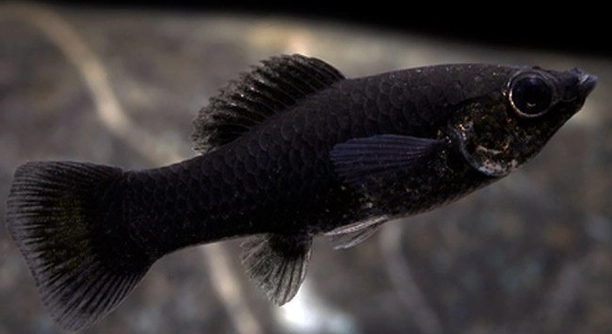
Black Mollies are popular aquarium fish that many enjoy keeping for their vibrant colors and active behavior. Their calm nature makes them appealing, yet handling them can be stressful if not approached carefully. Many owners wonder about their adaptability.
Black Mollies can gradually become accustomed to frequent handling through consistent, gentle interaction. Ensuring a calm environment, limiting sudden movements, and providing brief handling sessions allows the fish to recognize your presence without undue stress, promoting gradual habituation over time.
Proper techniques and patience can make handling a less stressful experience for your fish. Learning these methods ensures their comfort and wellbeing.
Understanding Black Molly Behavior
Black Mollies are naturally cautious fish, especially when introduced to new environments or stimuli. They rely on their instincts to detect threats and will often hide when startled. Their sensitivity means that sudden movements, loud noises, or rough handling can cause stress, which may affect their health over time. Observing their body language, such as darting or clamping fins, can help you gauge their comfort level. Establishing a calm, predictable routine in the tank allows the fish to recognize safety cues and gradually become more tolerant of human presence. Frequent, gentle interaction combined with a consistent feeding schedule builds familiarity without forcing contact. Over time, Black Mollies can learn that handling is not harmful. Avoid chasing or scooping them quickly, as these actions reinforce fear. Creating a stress-free environment and approaching them slowly are key to developing trust and making handling a manageable part of care.
Maintaining a quiet and stable environment reduces stress, which is essential for your Black Molly’s long-term wellbeing.
Gradual acclimation helps the fish adapt at their own pace. By introducing handling in small, controlled sessions and rewarding calm behavior with feeding, you encourage positive associations. Over weeks, this can lead to a noticeable reduction in fear responses. Each fish may respond differently, so patience and observation are crucial.
Tips for Safe Handling
Handling should always be brief and gentle to prevent injury. Avoid squeezing or applying pressure to the fish.
Use a soft net or cup for transfers rather than your hands directly. Begin with short sessions of a few seconds, gradually increasing time if the fish remains calm. Keep movements slow and deliberate, allowing the Black Molly to feel secure. Minimizing disturbances in the tank during handling reduces stress, making the fish more cooperative. Observe their reactions and stop immediately if signs of distress appear. Regular handling under controlled conditions helps the fish become accustomed to human contact. Additionally, pairing handling with feeding can reinforce positive associations. Consistency and patience are key factors. Over time, repeated gentle exposure allows the Black Molly to respond calmly, making routine maintenance and transfers easier for both the fish and owner. Avoid forcing interactions, as stress can have long-term effects on their health.
Common Stress Signs in Black Mollies
Stress in Black Mollies can appear as hiding, clamped fins, or erratic swimming. Loss of appetite and pale coloration are also clear indicators that the fish is uncomfortable or anxious.
Recognizing stress early is important to prevent long-term health issues. Fish that are handled too frequently or roughly may develop weakened immune systems. Environmental factors like sudden temperature changes, poor water quality, or overcrowding can intensify stress. Observing behavior closely allows adjustments in handling routines or tank conditions to reduce fear. Simple actions like reducing loud noises, keeping feeding times consistent, and limiting rapid movements near the tank help mollies feel safer. Over time, these measures promote calmer behavior and better adaptation to human interaction, making care less stressful for both the fish and the owner.
Some Black Mollies may never fully enjoy handling, but consistent gentle care helps reduce stress. Even minor improvements in behavior indicate that your approach is working. Monitoring reactions and adjusting handling techniques ensures ongoing comfort and wellbeing.
Gradual Acclimation Techniques
Start by letting Black Mollies get used to your presence near the tank. Stand still and move slowly to avoid startling them.
Introduce handling gradually, starting with brief contact and short sessions. Use soft nets or cups, and never force the fish. Pair handling with feeding to create positive associations. Slowly increase the duration as the fish shows signs of comfort. Consistency is key, as irregular or aggressive handling can reverse progress. Pay attention to individual behavior, since each fish adapts at a different pace. Environmental stability, such as consistent water parameters and minimal sudden disturbances, supports acclimation. Over time, repeated gentle exposure encourages calm responses, making routine care easier. Even small, patient steps contribute significantly to reducing fear.
Safe Handling Frequency
Frequent handling should be limited to prevent stress. Short, controlled sessions a few times a week are usually sufficient for Black Mollies.
Observe the fish closely during each session. If signs of stress appear, reduce handling frequency or duration. Patience helps them adjust gradually.
Using Nets and Cups
Soft nets or small cups are ideal tools for moving Black Mollies safely. Avoid sharp edges that can damage fins or scales. Handle slowly and steadily to prevent panic and injury. Proper tools reduce stress and make routine maintenance smoother for both the fish and caretaker.
Feeding and Handling
Pairing feeding with handling encourages positive associations. Offer food immediately after gentle interaction to reinforce calm behavior. Consistent timing strengthens trust and makes future handling easier.
Environmental Considerations
Stable water conditions and minimal tank disturbances are crucial. Temperature, pH, and cleanliness directly affect how comfortable your Black Mollies feel during handling.
FAQ
How long does it take for a Black Molly to get used to handling?
The time it takes varies depending on the individual fish. Some Black Mollies may show signs of comfort within a few weeks, while others might take several months. Consistency is key. Short, gentle handling sessions combined with calm surroundings and feeding afterward help the fish adapt faster. Avoid forcing interactions, as this can set back progress. Patience and observation are essential to ensure the fish remains healthy and stress-free during the acclimation period.
Can frequent handling harm my Black Molly?
Yes, excessive or rough handling can stress the fish, leading to weakened immune systems, fin damage, or illness. Even gentle handling can become stressful if done too often. Limiting contact to short sessions a few times per week is recommended. Always monitor for signs of stress such as clamped fins, hiding, pale coloration, or erratic swimming. By respecting their tolerance, you prevent unnecessary health problems and maintain a calm, safe environment for your Black Mollies.
Is it safe to handle Black Mollies with bare hands?
Handling with bare hands is generally not recommended. The natural slime coat on a fish’s body protects against infection and helps maintain skin health. Oils or residues on hands can harm this protective layer. Using soft nets, small cups, or gloves specifically designed for aquarium use is safer. Slow, deliberate movements are important to reduce stress and prevent injury. When handling is necessary, always ensure your hands or tools are clean and free of soap or chemicals.
How can I tell if my Black Molly is stressed from handling?
Stress signs include hiding, clamped fins, rapid swimming, loss of appetite, or pale coloration. Behavioral changes, like darting around the tank or avoiding areas near your presence, are also indicators. Observing these signs early allows you to adjust handling methods and environmental conditions. Reducing handling duration, spacing sessions further apart, and maintaining stable water parameters can help the fish recover. Monitoring body language and reactions is critical to prevent long-term health problems associated with chronic stress.
Can Black Mollies ever enjoy being handled?
While Black Mollies are not typically interactive like some pets, they can learn to tolerate gentle handling over time. Pairing handling with feeding and creating calm, consistent conditions encourages positive associations. Each fish has its own tolerance level, so full “enjoyment” may not occur, but reduced fear and calmer responses are achievable with patience. Observing small improvements, like less frantic movement during handling, shows progress and can make care routines easier and safer for both the fish and caretaker.
What are the best techniques for introducing handling?
Start slowly by approaching the tank and allowing the fish to notice your presence. Gradually introduce tools like soft nets or cups and limit handling to a few seconds initially. Pair handling with feeding to reinforce positive associations. Consistency, slow movements, and calm surroundings are crucial. Avoid sudden movements or loud noises, as these can cause panic and stress. Gradually increasing handling duration over several weeks encourages the fish to become more comfortable without overwhelming them.
Should I handle multiple Black Mollies at once?
It is better to handle fish individually. Handling several at once can increase stress and the chance of injury. Individual sessions allow you to monitor each fish closely and respond to their reactions. Smaller, controlled handling reduces risk and supports gradual acclimation. After each session, return the fish gently to the tank, and give them time to recover. Regular monitoring ensures that all fish remain healthy and reduces the likelihood of stress-related problems.
How does tank environment affect handling tolerance?
A stable, quiet tank with consistent water parameters greatly improves handling tolerance. Sudden changes in temperature, pH, or lighting can make Black Mollies more skittish and less receptive to contact. Reducing disturbances, maintaining clean water, and providing hiding spots help them feel secure. A well-maintained environment complements gentle handling and supports long-term health and calm behavior during interactions.
Can handling help socialize Black Mollies?
Handling does not make them social in the traditional sense, but it can reduce fear of human presence. Gradual, gentle exposure helps them tolerate routine maintenance and feeding near your hands. Over time, fish may approach the surface more calmly and respond less aggressively to movement, improving overall manageability. The goal is comfort, not affection, which makes care less stressful.
Are some Black Mollies more tolerant than others?
Yes, tolerance varies by individual temperament. Some fish are naturally bolder, while others are more skittish. Observing each fish’s behavior helps you tailor handling routines to their comfort level. Respecting individual differences ensures that even more nervous fish can acclimate safely without unnecessary stress. Patience and consistent practice are key factors in successfully introducing handling.
Black Mollies are delicate but resilient fish that can adapt to gentle, consistent handling over time. They are naturally cautious creatures, and their initial reactions to human interaction may be nervous or defensive. Observing their behavior closely is essential to ensure that handling does not cause undue stress. By keeping sessions short and calm, and by approaching the fish slowly, you allow them to become familiar with your presence without feeling threatened. Even small improvements in their comfort level can make routine care, feeding, and tank maintenance easier for both the fish and the caretaker. Patience is essential, as each fish will respond differently, and trying to rush the process can backfire, increasing fear and stress rather than building trust.
Creating a stable, quiet environment is just as important as the handling itself. Water parameters such as temperature, pH, and cleanliness have a direct impact on how relaxed your Black Mollies feel. Sudden changes in the tank, loud noises, or rapid movements nearby can undermine all efforts to acclimate them to human contact. Providing hiding spots and maintaining predictable feeding schedules also help reduce stress and make the fish more receptive to gentle interaction. Pairing handling with feeding or other positive reinforcement encourages calm behavior and helps the fish associate your presence with safety. Over time, these repeated, consistent exposures can improve their tolerance, making them easier to care for without compromising their wellbeing.
It is important to remember that not all Black Mollies will fully enjoy being handled, and their tolerance levels will vary. Some fish may always prefer to maintain a degree of distance, and that is normal. The goal is not to force interaction but to minimize fear and ensure comfort during necessary handling. By respecting their individual personalities, monitoring for stress signs, and maintaining calm, controlled routines, you can achieve a manageable level of tolerance that allows for safer and less stressful care. Ultimately, handling should be a gentle, positive experience that prioritizes the fish’s health and reduces anxiety, ensuring that your Black Mollies remain healthy, active, and well-adjusted in their environment.

Hello,
If you enjoy the content that we create, please consider saying a "Thank You!" by leaving a tip.
Every little bit helps us continue crafting quality advice that supports the health, happiness, and well-being of pets around the world, for pets of all shapes, sizes, and species.
We really appreciate the kindness and support that you show us!