
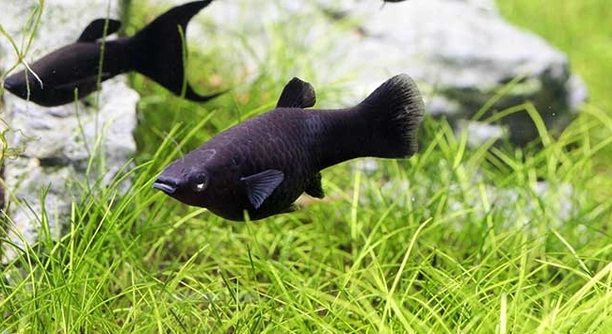
Have you ever cared for black mollies and noticed small changes that made you wonder how long they thrive in your aquarium? Their lifespan can shift quickly when certain conditions in their environment change suddenly.
Several factors can reduce the lifespan of black mollies, including poor water quality, overcrowded tanks, inconsistent temperatures, inadequate nutrition, stress from aggressive tank mates, and untreated illnesses. Maintaining stable conditions and proper care is essential for supporting their long health.
Learning what harms black mollies helps you create a safer environment that supports steady growth and lasting vitality in aquariums.
Poor Water Quality
Keeping stable water quality is essential when trying to support a healthy lifespan for black mollies in any home aquarium. Polluted water filled with waste, decaying plants, and leftover food creates steady stress on their bodies and reduces their ability to stay active. Ammonia and nitrite spikes place strain on their gills and make breathing harder, lowering their overall energy. I focus on routine water changes and gentle cleaning to maintain balanced conditions that help them stay strong. Clean water supports their movement, appetite, and growth, making it easier for them to thrive without constant stress weighing them down. By paying attention to clarity, filtration, and waste buildup, you give your mollies a better chance at a long and healthy life. Regular testing helps you track small changes before they become harmful. Consistent care keeps the water stable and allows your mollies to live comfortably in their tank each day.
Poor water quality shortens the lifespan of black mollies by weakening their immune system and disrupting their normal behavior. Stable parameters, regular cleaning, careful feeding, and proper filtration prevent harmful spikes that impact their health. Clean conditions support steady growth and help them maintain strength over time in their aquarium.
Maintaining clean water is easier when you follow a steady routine that matches the needs of black mollies. I like to remove small amounts of water each week, rinse filter media gently, and avoid overfeeding, because extra food breaks down quickly and affects stability. Testing your water helps you catch early issues that might harm your fish. Stable water conditions lower stress and reduce the risk of illness, giving your mollies a better chance to thrive. When you stay consistent, the tank becomes a safer environment that supports growth and keeps your fish strong for a long healthy life ahead.
Inadequate Nutrition
Inadequate nutrition shortens black molly lifespan by limiting their energy and weakening their immune system. A balanced diet that includes quality flakes vegetables and occasional protein keeps their bodies strong. Proper feeding prevents stress and supports healthy growth throughout their time in the tank every single day in captivity always.
Feeding black mollies properly is one of the most direct ways to support their overall health and long lifespan. When their diet is unbalanced, they lose energy quickly and become more vulnerable to stress and sickness, especially in tanks with active conditions. I prefer offering small meals several times a day rather than large portions, because it helps keep their digestion steady and lowers the chance of waste buildup. High quality flakes provide essential nutrients, while blanched vegetables supply important fiber that supports a healthy digestive system. Occasional protein, such as brine shrimp or daphnia, gives them an extra boost during active periods. Overfeeding leads to leftover food that breaks down rapidly and pollutes the water, so feeding in controlled amounts is important. Keeping a consistent feeding plan gives your mollies steady nourishment that strengthens immunity and supports growth. With regular care they stay active in their aquarium.
Inconsistent Temperature
Inconsistent temperatures place steady stress on black mollies and weaken their ability to stay active in their tank. Sudden shifts make it harder for them to adjust, leaving their bodies strained. Keeping their water warm and stable helps prevent unnecessary health problems and supports steady growth throughout their life daily.
Temperature swings affect the internal functions of black mollies and make it difficult for them to regulate their activity. When the water changes too fast, their metabolism becomes unstable and their appetite drops. I rely on a dependable heater to maintain a steady range that stays safe for them at all times. Monitoring the tank each day helps prevent unnoticed fluctuations that could harm their health. Stable warmth also lowers their stress levels and keeps their movements smooth. Protecting them from cold drafts and direct sunlight reduces sudden variations and helps them remain strong for a longer lifespan over time.
Maintaining consistent temperatures supports healthy behavior in black mollies by giving them an environment that stays predictable. When their water remains stable, they move more confidently and respond better to feeding. I like using a thermometer to check for small changes that might happen during the day. Sudden dips or spikes can weaken their immune system and leave them vulnerable to issues that slow their growth. Adjusting heaters carefully helps avoid abrupt changes that could place stress on their bodies. With steady warmth, their appetite stays strong and their activity remains balanced. This stability helps them live comfortably for longer.
Overcrowded Tanks
Overcrowded tanks reduce black molly lifespan by increasing competition for space, oxygen, and food. Too many fish create constant stress that weakens their immune system and slows their growth. I keep numbers low to prevent unnecessary pressure that can affect their health. Less crowding supports smoother swimming and calmer behavior while lowering the chance of territorial conflict. Balanced stocking levels help maintain cleaner water and keep the entire tank environment more stable for each fish.
Maintaining proper stocking levels allows black mollies to live without the stress that comes from heavy competition in crowded conditions. When too many fish share the same space, waste builds up faster, oxygen levels drop, and territorial behavior becomes common. I prefer planning tank populations carefully to make sure each fish has room to swim comfortably and access food without constant conflict. Monitoring growth also matters because young mollies expand quickly and can turn a once balanced setup into a cramped environment if ignored. Spacing them out improves water quality and lowers the spread of illness by reducing close contact. With room to move freely they remain calmer and more active. Stable conditions created by appropriate stocking help support longer lifespan and healthier behavior daily.
Aggressive Tank Mates
Aggressive tank mates shorten black molly lifespan by causing constant stress that affects their ability to stay active. Chasing, nipping, and territorial behavior leave them anxious, which weakens their immune system and slows their growth in the tank each day.
Keeping them with calm species prevents unnecessary stress that builds over time. I avoid pairing mollies with fish known for nipping or dominating the tank. A peaceful community gives them space to swim confidently and maintain steady health without constant pressure affecting their behavior.
Untreated Illnesses
Untreated illnesses greatly reduce black molly lifespan by allowing infections to progress until they affect vital functions. When symptoms go unnoticed, diseases spread quickly and become harder to manage in a closed environment. I watch their behavior daily because small signs often appear before larger problems take hold. Early detection and timely treatment give them a better chance at recovering fully. Clean water, stable temperatures, and proper nutrition support their immune system while they heal. Ignoring symptoms leads to weakened energy, poor appetite, and higher risk of complications. With careful attention they stay stronger and more resilient in their tank.
Genetic Weaknesses
Genetic weaknesses can shorten black molly lifespan by making them more sensitive to stress and illness. Some fish inherit traits that affect their strength, growth, and ability to adapt. Choosing healthy stock and avoiding inbred groups helps reduce these risks and supports better long term health.
How often should I change the water for black mollies?
Regular water changes are essential for keeping black mollies healthy. I usually replace about 25% of the tank water every week. This helps remove waste, uneaten food, and toxins that build up slowly. Smaller, consistent changes are better than large, infrequent ones because sudden shifts can stress the fish. Monitoring water clarity and testing for ammonia, nitrites, and nitrates ensures the environment remains stable. A clean tank helps mollies stay active, maintain appetite, and grow steadily. Over time, these small weekly adjustments make a noticeable difference in their lifespan and overall well-being.
What is the ideal water temperature for black mollies?
Black mollies thrive in slightly warm water. I keep the temperature between 75 and 80 degrees Fahrenheit, which helps their metabolism remain steady and supports normal activity. Sudden drops or spikes in temperature can weaken their immune system and reduce lifespan. Using a reliable heater and a thermometer allows me to maintain this range consistently. Consistent warmth prevents stress and encourages steady swimming and feeding habits. Avoid placing the tank in areas with drafts, direct sunlight, or fluctuating room temperatures, as these changes can be harmful. Keeping the water stable helps mollies adapt and reduces the chance of illness.
How many black mollies should I keep in one tank?
I keep a moderate number of black mollies to avoid overcrowding. A general guideline is one inch of fish per gallon of water, considering their adult size. Overcrowding increases stress, reduces oxygen, and speeds up waste buildup, all of which lower their lifespan. Providing enough space allows mollies to swim freely and interact without constant competition. I also monitor growth since young fish can quickly outgrow initial estimates, leading to crowded conditions if the tank is not adjusted. Proper stocking keeps water quality more stable and reduces aggressive behavior between tank mates, creating a safer and healthier environment.
What should I feed black mollies?
Black mollies need a balanced diet to stay healthy. I feed high-quality flake food as a staple, supplemented with blanched vegetables like spinach or zucchini for fiber. Occasionally, I provide protein sources such as brine shrimp or daphnia to support active growth. Feeding small portions two to three times a day is better than one large meal, as it prevents leftover food from polluting the water. Overfeeding is a common mistake that can quickly affect water quality and stress the fish. Consistent, balanced nutrition strengthens their immune system and helps them maintain energy and vitality.
How do I know if my black molly is stressed?
Signs of stress in black mollies include clamped fins, hiding frequently, reduced appetite, or rapid breathing. I watch their behavior closely because early signs often appear before physical illness develops. Stress can result from poor water quality, aggressive tank mates, or sudden environmental changes. By identifying stress early, I can adjust water conditions, remove aggressive fish, or improve tank layout to create a calmer environment. Reducing stress directly supports their immune system and encourages longer, healthier life. Consistent observation and gentle care help mollies recover quickly and stay active.
Can black mollies live with other fish?
Yes, but I only pair them with peaceful, similarly sized species. Aggressive or fin-nipping fish can harm mollies and shorten their lifespan. Calm companions reduce stress and allow everyone to swim freely. I avoid overcrowding and make sure there is enough space for all fish to find their territory. Careful selection of tank mates helps mollies maintain stable behavior and prevents injuries or constant chasing. Providing hiding spots and plants also creates natural boundaries. A peaceful tank ensures all fish thrive and live longer, maintaining harmony and reducing daily stress for black mollies.
How can I prevent disease in black mollies?
Disease prevention relies on clean water, proper feeding, and careful observation. I quarantine new fish before introducing them to the main tank to avoid introducing pathogens. Maintaining stable water temperature and good filtration supports their immune system. Avoid overfeeding, remove uneaten food, and perform regular water changes to minimize harmful bacteria growth. Observing daily behavior helps catch early symptoms like white spots or lethargy. Timely treatment with medications or adjusting care practices stops illness from spreading. Healthy nutrition, clean conditions, and careful monitoring create an environment where black mollies remain strong and less prone to disease over time.
Do genetics affect black molly lifespan?
Yes, genetics play a role in how long black mollies live. Some fish inherit traits that make them more vulnerable to illness or stress. I select healthy, non-inbred stock when possible to reduce these risks. Choosing genetically strong fish supports a more resilient population and lowers the chances of inherited weaknesses affecting their health. While proper care and environment are crucial, strong genetics give mollies a natural advantage for a longer, healthier life. Monitoring growth, health, and behavior allows me to identify any potential genetic issues early and take steps to minimize their impact.
How do I maintain a healthy tank environment?
Maintaining a healthy tank involves consistent cleaning, water testing, and monitoring fish behavior. I perform regular water changes, clean filters, and remove debris to prevent toxins from accumulating. Stable water temperature and balanced stocking reduce stress and improve overall health. I also provide proper nutrition and observe the fish daily to detect early signs of illness or aggression. Plants and hiding spots create natural enrichment and reduce stress levels. A well-maintained environment promotes active swimming, proper growth, and stronger immune systems. With consistent attention, black mollies can thrive longer and remain vibrant in their aquarium.
What are common mistakes that shorten black molly lifespan?
Overfeeding, inconsistent water conditions, overcrowding, and pairing with aggressive tank mates are common mistakes that reduce lifespan. I have learned that even small, repeated errors can cause stress and weaken immune systems. Ignoring early signs of illness or poor water quality allows minor issues to escalate quickly. Proper nutrition, consistent care, and careful observation prevent these mistakes. Balancing temperature, maintaining clean water, and providing appropriate tank mates all work together to support longer, healthier lives. Avoiding these pitfalls creates a stable environment where black mollies can grow, thrive, and remain active without unnecessary stress.
Black mollies are sensitive fish that respond directly to their environment and care. Maintaining stable water conditions, providing balanced nutrition, and keeping an appropriate number of fish in the tank all influence how long they live. Each factor discussed, from temperature to genetics, plays a role in their overall health and lifespan. By paying attention to these details, you help your mollies avoid common stressors that can shorten their life. I’ve seen firsthand how small changes, like keeping water clean or reducing overcrowding, can improve their activity and general well-being. Consistency in care is key because sudden changes in diet, water, or tankmates often cause stress that accumulates over time, lowering their natural resistance to illness. Even small improvements, such as removing leftover food promptly or monitoring water parameters regularly, can have a significant impact on how long they thrive in a home aquarium.
Caring for black mollies requires more than simply feeding and cleaning; it requires awareness of their natural behavior and needs. Aggressive tank mates, poor water quality, or untreated illnesses often reduce their lifespan before any visible signs appear. I focus on observing subtle changes in behavior, such as decreased swimming or hiding more than usual, because these early warning signs often indicate that something is off in the tank environment. Maintaining a calm and stable habitat reduces stress, which directly supports their immune system and promotes steady growth. Genetics also matter; selecting healthy, non-inbred fish increases the chance that your mollies will adapt well to their surroundings and remain resilient over time. By combining thoughtful selection with consistent care practices, it is possible to create an environment that supports both daily activity and long-term health.
Ultimately, the lifespan of black mollies is shaped by a combination of environmental factors, nutrition, and attentive care. I have learned that being proactive—such as performing regular water changes, feeding appropriate portions, and maintaining a stable temperature—prevents many common problems before they develop. Monitoring interactions with other fish, observing for illness, and ensuring each individual has enough space reduces stress and allows them to thrive naturally. Understanding these factors and taking small, consistent actions not only extends their life but also enhances their overall quality of life. A carefully maintained tank allows black mollies to remain active, healthy, and vibrant for years, showing that attentive care and observation are the most effective ways to support their longevity in a home aquarium.

Hello,
If you enjoy the content that we create, please consider saying a "Thank You!" by leaving a tip.
Every little bit helps us continue crafting quality advice that supports the health, happiness, and well-being of pets around the world, for pets of all shapes, sizes, and species.
We really appreciate the kindness and support that you show us!