
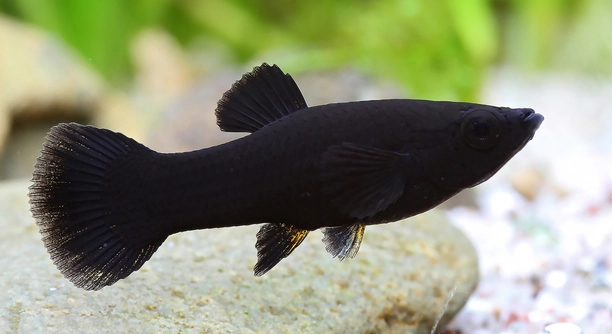
Black mollies are social fish often seen swimming in groups. Their habit of following each other can be fascinating to watch, showing how these small creatures interact and navigate their environment together in a coordinated way.
Black mollies follow each other primarily due to social behavior, safety in numbers, and schooling instincts. This behavior reduces stress, enhances feeding efficiency, helps avoid predators, and allows them to establish territory while maintaining group cohesion.
Observing their synchronized swimming reveals more than just movement; it uncovers patterns of interaction and communication within the tank environment.
Schooling Instincts
Black mollies naturally form schools to feel secure and navigate their surroundings more efficiently. Swimming closely together helps them detect changes in the environment quickly. When one fish notices food or danger, the entire group can respond almost simultaneously, improving survival. This instinct is deeply rooted and can be observed even in small home aquariums, making their movement appear synchronized. Mollies often adjust their speed and direction based on the behavior of others. In addition to safety, schooling reduces stress and helps maintain a stable social structure. Each fish understands its position within the group, which allows them to move harmoniously without constant conflict. Observing this can make tank life feel more dynamic, as the coordinated patterns create a sense of flow. For owners, recognizing this behavior can help in setting up the tank correctly, ensuring enough space and hiding spots, and maintaining water quality so the group can thrive together.
Schooling also makes feeding more effective. Groups can find food faster and share resources efficiently, limiting competition.
Being aware of schooling behavior allows you to create an environment that supports natural movement patterns, ensuring mollies stay healthy and stress-free. Observing their interactions can be quite satisfying, as it highlights their intelligence and adaptability. With the right tank setup, their social instincts will encourage activity, making them more visible and engaging. This behavior also encourages a balance of energy in the tank, as no single fish dominates movement, preventing aggression. Tank mates benefit as well, as the group’s harmony reduces chasing or bullying. Proper space and environmental enrichment further support schooling, enhancing their well-being. Mollies respond positively to stable lighting, consistent feeding schedules, and sufficient hiding areas, all of which reinforce group cohesion. By maintaining a suitable environment, the mollies’ natural behaviors can flourish, turning the aquarium into a lively and interactive display of social interaction and coordination.
Safety in Numbers
Following each other is a defensive strategy for black mollies. Staying close reduces vulnerability to predators.
Safety in numbers also encourages confidence in exploring the tank. Individual fish feel less stressed when part of a cohesive group.
In addition to predator avoidance, staying together helps black mollies feel secure while exploring or interacting with tank mates. Young or smaller mollies rely on this behavior to learn safe swimming paths and locate food sources without being singled out. Group cohesion ensures that no fish is left isolated, which can increase anxiety and reduce appetite. Maintaining consistent water conditions and avoiding sudden changes supports this protective instinct, allowing the school to stay comfortable and coordinated. Observing these behaviors provides insight into their natural survival strategies and helps owners create a supportive environment. Tanks with plants, rocks, and open swimming areas enhance security while allowing the school to move naturally, reducing stress and promoting healthier interactions.
Social Hierarchy
Black mollies follow each other to establish and maintain a social hierarchy. This behavior helps reduce conflicts and clearly defines roles within the group.
Hierarchy allows dominant fish to access resources first while others learn their place. It prevents constant fighting, promoting calmer interactions and smoother tank life. Observing these interactions reveals subtle gestures, like chasing or nudging, which indicate rank. Even minor changes in the tank can temporarily shift the balance, as fish adjust their positions and responses. Social ranking also affects feeding, breeding readiness, and overall stress levels. Recognizing these dynamics helps in managing tank health and ensuring all fish thrive together without aggressive competition. The school remains cohesive, with each fish understanding its place, which reduces anxiety and promotes predictable, stable group behavior over time.
Hierarchy affects feeding routines, as dominant mollies eat first and others follow, reducing chaos.
Monitoring these social cues allows better management of tank space and resources, ensuring every molly has room to swim, eat, and rest without unnecessary stress or competition. Proper observation helps identify aggressive behaviors early, allowing adjustments to tank layout or group composition for balanced interactions. Maintaining a peaceful hierarchy strengthens group cohesion, improves health outcomes, and encourages natural behaviors. Additionally, providing sufficient hiding spots ensures subordinate mollies feel secure, minimizing tension. Over time, the school develops a rhythm, where each fish knows its limits and reacts calmly, keeping the tank environment stable and harmonious for all inhabitants.
Environmental Factors
Tank size and decoration influence why black mollies follow each other. Crowded or sparse tanks change how fish interact and move.
Environmental factors like water temperature, flow, and hiding spots can encourage grouping. Mollies adjust their position to find comfort and security in their surroundings. Proper space prevents stress and supports natural behaviors, while plants and rocks provide shelter and landmarks for navigation. Tank layout can directly affect schooling patterns, as mollies use familiar structures to orient themselves and move in harmony with the group. Uneven currents or poorly placed obstacles may cause clustering or erratic swimming, so consistent conditions are important. Regular observation and minor adjustments help maintain a comfortable environment where schooling feels natural and secure. Ensuring water quality, temperature stability, and suitable tank dimensions allows mollies to display instinctive following behavior without unnecessary stress.
Following behavior also signals comfort levels. When conditions are right, fish move confidently as a group, showing balance and calm.
Feeding Behavior
Black mollies often follow each other during feeding times. Staying together helps them locate food quickly and reduces the chance of missing a meal.
Following ensures that even smaller or less aggressive fish can access food safely. It creates a rhythm in the group, making feeding more organized and less stressful for everyone.
Breeding and Mating
Following each other can also be linked to breeding behavior. Male mollies may track females closely, while females sometimes move together to stay protected. Schooling increases the likelihood of successful mating and ensures that eggs and fry are safer within a coordinated group.
Stress Response
When black mollies feel threatened, they instinctively follow each other. Grouping provides comfort, reduces panic, and helps maintain stability in the tank environment.
Why do black mollies always swim together?
Black mollies naturally form schools as part of their social behavior. Swimming together reduces stress, increases safety, and helps them navigate their environment efficiently. Being in a group allows them to detect food or potential threats quickly, which is an instinctive survival strategy. Mollies in smaller tanks may appear to swim closely simply because of limited space, but even in larger tanks, they maintain coordinated movements. Following each other also reinforces social bonds and hierarchy within the group, which helps reduce aggression. Watching a school of mollies move in unison can be calming and offers insight into their instinctive behavior, showing how social dynamics shape their daily life. Maintaining a stable tank environment with consistent water quality, appropriate tank mates, and enough swimming space encourages this natural behavior while keeping stress levels low.
Is it normal for black mollies to follow one fish?
Yes, it is normal. Often, a dominant or more confident fish will lead the group. Other mollies instinctively follow, mimicking movement and adjusting their speed to stay coordinated. This leader-follower pattern is common in schooling fish and can change depending on the situation. For example, during feeding or when investigating a new part of the tank, one fish may take the lead while others trail behind. Following a single fish doesn’t indicate illness or abnormal behavior; it reflects natural instincts for safety, exploration, and social organization. Observing which fish takes the lead can reveal hierarchy and individual personality differences.
Can black mollies get stressed if they are alone?
Yes, black mollies are social animals and may become stressed when isolated. Being alone removes the safety and coordination benefits of schooling, which can lead to anxiety, reduced appetite, and lethargy. Stress from isolation can also weaken their immune system, making them more prone to disease. Keeping at least three to five mollies together is recommended, depending on tank size, to ensure they feel secure. Providing hiding spots and visual boundaries further helps reduce stress for single fish or smaller groups. Even if one molly is temporarily separated for observation or medical treatment, it should not remain alone for long periods to maintain overall well-being.
Why do black mollies follow each other closely at the surface?
Following at the surface is often linked to feeding behavior or oxygen needs. Mollies prefer areas with higher oxygen concentration, and food tends to float near the top. Swimming together at the surface also allows them to monitor each other and react to changes in the environment. In some cases, it may indicate water conditions are suboptimal, such as low oxygen or high temperature. Monitoring water parameters and providing a balanced diet ensures their activity at the surface remains normal and healthy.
Do black mollies always follow each other in the same direction?
Not always. While they often move as a coordinated group, mollies adjust their direction based on obstacles, feeding opportunities, or the actions of other tank mates. Temporary splits or changes in direction are normal and part of their natural behavior. Observing these shifts can provide insight into tank dynamics, individual personalities, and the social structure within the group.
Can following behavior indicate illness?
Generally, following is normal, but sudden changes can be a sign of stress or illness. If a fish isolates itself, moves erratically, or stops following the group, it may indicate disease or discomfort. Close observation of behavior, appetite, and physical appearance helps detect problems early. Maintaining clean water, stable temperature, and a balanced diet prevents most health issues and supports natural schooling behavior.
How can I encourage natural following behavior?
Providing sufficient space, consistent water conditions, and appropriate tank mates encourages schooling and following behavior. Plants, rocks, and decorations create landmarks and hiding spots, allowing mollies to feel secure while moving together. Regular observation helps ensure that all fish are comfortable and reduces aggression or stress, keeping their natural behavior intact.
Does tank size affect following behavior?
Yes, tank size influences how closely mollies swim together. Smaller tanks naturally keep fish near each other, while larger tanks allow more freedom. However, regardless of size, black mollies maintain social bonds and will often follow each other for safety, feeding, and coordination. Ensuring proper dimensions for the number of fish supports both health and natural movement.
What role does water quality play in following behavior?
Stable water conditions are essential for natural schooling. Poor water quality can cause stress, reduce swimming activity, or make mollies cluster unusually. Regular monitoring of parameters like temperature, pH, and ammonia levels ensures they feel secure and continue to follow each other as a normal social instinct.
Can following behavior help with breeding?
Yes, schooling and following increase breeding success. Males can track females more efficiently, while females stay protected in a group. This behavior improves spawning safety and ensures fry have higher survival chances in a coordinated environment. Proper space, hiding spots, and stable water conditions support these natural instincts.
How do mollies communicate while following each other?
Mollies use subtle visual cues, body movements, and positioning to coordinate group movement. Slight changes in direction, speed, or proximity signal intentions to the rest of the school. Observing these cues provides insight into their social hierarchy, stress levels, and comfort within the tank.
Does lighting affect following behavior?
Yes, consistent lighting helps maintain normal activity patterns. Sudden changes can startle the school or cause erratic swimming. A balanced light cycle simulates natural conditions, encouraging predictable following behavior and reducing stress.
How do tank decorations influence following patterns?
Plants, rocks, and open swimming spaces guide movement and provide visual landmarks. Mollies use these structures to navigate while staying together, ensuring the group remains coordinated. Proper decoration encourages natural behavior, reduces conflicts, and promotes healthy schooling.
Can following behavior indicate mood or personality?
Yes, dominant or confident fish often lead, while shy or submissive ones follow closely. These interactions reveal social roles, comfort levels, and adaptability within the group, providing valuable insights for tank management and observation.
Is it necessary to intervene if one fish is always being followed?
Not usually. Following is natural and reinforces hierarchy and safety. Intervention is only needed if bullying occurs, a fish shows signs of stress, or health issues arise. Maintaining a balanced environment and observing behavior ensures all fish thrive.
What can disrupt following behavior?
Sudden tank changes, aggressive tank mates, poor water quality, or illness can disrupt schooling. Monitoring behavior and maintaining stable conditions supports consistent following, keeping the group healthy and coordinated.
How does following behavior benefit young mollies?
Juveniles learn safe swimming paths, feeding routines, and social cues by following older fish. This guidance enhances survival, reduces stress, and strengthens group cohesion from an early age.
Can following behavior change over time?
Yes, social roles, age, or tank composition can shift which fish lead or follow. Observing changes helps manage group dynamics and ensures a stable environment.
Do mollies ever break the group voluntarily?
Occasionally, individual mollies may explore or investigate independently, but they usually return to the group. Temporary separation is normal and part of their adaptive behavior.
How can I tell if following behavior is healthy?
Healthy following is smooth, coordinated, and stress-free. Fish should swim actively, respond to food and environmental cues, and maintain consistent positions relative to each other without aggression or erratic movement.
Black mollies are fascinating fish because of their natural instinct to follow each other. This behavior is deeply rooted in their social structure, schooling habits, and survival instincts. Observing them in a tank can be very rewarding, as their movements show coordination, communication, and awareness of their environment. Following each other is not random—it is a purposeful behavior that helps reduce stress, increase safety, and improve their ability to find food. Each fish plays a role in the group, whether leading, following, or maintaining its position in the hierarchy. When mollies swim in a coordinated manner, it indicates that they feel secure and comfortable in their environment, which is an important sign of overall well-being. Understanding this behavior helps owners appreciate their fish more and ensures a healthier, more balanced tank.
Maintaining an environment that supports this natural following behavior is essential. Tank size, water quality, decorations, and lighting all influence how comfortably mollies can move and interact. Plants, rocks, and open swimming spaces allow them to navigate safely while staying together as a group. Regular monitoring of water temperature, pH, and cleanliness keeps stress low and promotes normal schooling behavior. Observing which fish leads or follows can also provide insight into social dynamics, helping identify dominant or more timid individuals. Even minor changes in the tank can affect their movements, so stability is key. Proper feeding routines, sufficient space, and hiding spots ensure that all mollies feel secure, reinforcing the natural instinct to follow and interact with each other in a calm, coordinated manner.
Following behavior also plays a role in reproduction, safety, and overall health. Male and female mollies rely on group coordination during mating and fry protection, while younger fish learn essential survival skills by following older or more experienced tank mates. This instinct reduces aggression, helps them avoid danger, and ensures access to food. Even small behavioral changes can indicate stress, illness, or environmental issues, making observation an important tool for fish care. By creating a stable, well-maintained environment, owners can support natural behaviors while improving the quality of life for their fish. Watching black mollies move together not only demonstrates their intelligence and adaptability but also adds a sense of liveliness to the tank, making it a more engaging and harmonious habitat. Understanding and respecting these instincts allows for a healthier, calmer, and more interactive aquatic environment.

Hello,
If you enjoy the content that we create, please consider saying a "Thank You!" by leaving a tip.
Every little bit helps us continue crafting quality advice that supports the health, happiness, and well-being of pets around the world, for pets of all shapes, sizes, and species.
We really appreciate the kindness and support that you show us!