
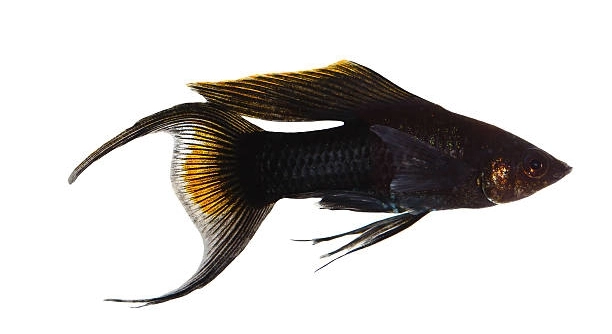
Do you ever notice your black molly swimming happily but avoiding breeding? These fish are usually hardy, but certain conditions in the tank or in their care can make them stop reproducing for no clear reason.
Black molly refusal to breed is often caused by environmental stress, poor water quality, lack of proper nutrition, incompatible tank mates, overcrowding, insufficient hiding spaces, or the fish being too young or old to reproduce.
Learning these factors can help you create a healthier environment and encourage breeding naturally. Paying attention to small details can make a big difference in their behavior.
Poor Water Quality
Keeping black mollies in clean water is essential for their health and breeding. Dirty water can stress them, reduce fertility, and even cause illness. Regular water changes and monitoring parameters like pH, ammonia, nitrite, and nitrate levels are critical. Mollies thrive in slightly alkaline water with moderate hardness. Sudden changes in water conditions can shock them, making them avoid breeding altogether. Using a good filter and performing partial water changes weekly can help maintain a stable environment. Temperature also matters; mollies prefer warmer water between 75-82°F. Low oxygen or stagnant water can reduce their activity, making them less likely to reproduce. Providing a well-maintained tank ensures they feel secure and healthy enough to breed. Even minor lapses in water quality can discourage reproduction, so consistent care is necessary.
Water quality directly affects black molly reproduction, with poor conditions leading to stress and lower breeding activity, making regular maintenance essential.
Neglecting water quality can quietly stop breeding. Regular checks, partial changes, and proper filtration keep mollies healthy, active, and more willing to reproduce.
Overcrowding
Overcrowding can make black mollies feel stressed and unsafe, reducing breeding behavior. Too many fish in one tank create competition for space, food, and hiding spots.
Overcrowded tanks increase stress hormones, lower immune response, and make fish aggressive. Dominant fish may bully smaller ones, preventing them from mating. It can also lead to poor water quality faster, compounding breeding issues. Mollies need enough room to swim freely and establish territories. Including plants or decorations helps create hiding spots and reduces tension, allowing timid fish to feel secure. Ideally, one inch of fish per gallon is a good guideline, but behavior and tank layout also matter. If you notice mollies hiding constantly or showing stress signs, reducing numbers or moving some to another tank can improve breeding chances. Proper spacing and an enriched environment help mollies feel safe, encouraging natural reproductive behavior. Watching how they interact in the tank provides clues about whether overcrowding is affecting them.
Incompatible Tank Mates
Aggressive or overly active fish can scare black mollies, stopping them from breeding. Peaceful tank mates create a calmer environment that encourages natural behavior.
Incompatible tank mates often harass or chase mollies, leading to constant stress. This stress affects their hormones, which can prevent mating. Even fish that are not aggressive may compete for food, making mollies less interested in reproduction. Adding calm, similarly sized fish reduces tension, while providing plants or hiding spots lets mollies escape when needed. Observing interactions carefully helps identify which fish are causing stress. Adjusting tank mates can significantly improve breeding activity. Choosing compatible species is as important as maintaining water quality for successful reproduction.
Tank layout also matters. Open swimming space with safe areas encourages black mollies to display courtship behaviors. Hiding spots, plants, and gentle currents give them confidence to breed without feeling threatened.
Poor Nutrition
A diet lacking variety affects molly health and reproduction. Feeding only one type of food can limit essential nutrients needed for breeding.
Black mollies require a mix of high-quality flakes, live or frozen foods, and occasional vegetables. Protein supports egg and sperm development, while vitamins strengthen their immune system. Skipping supplements or relying on low-quality food can result in weak or infertile fish. Feeding multiple small portions daily keeps them healthy and encourages activity. Observing their condition helps determine if nutrition is sufficient. Balanced feeding directly influences readiness to breed, energy levels, and overall health. Mollies with proper nutrition are more likely to display mating behavior consistently, making dietary care an essential part of breeding success.
Stressful Environment
Constant noise, vibrations, or frequent handling can make black mollies stressed. A calm and stable tank encourages breeding behavior.
Sudden changes in lighting or temperature also add stress. Keeping a consistent routine and minimizing disturbances helps mollies feel safe and more willing to reproduce.
Lack of Hiding Spaces
Black mollies need places to hide, especially females ready to breed. Plants, caves, or decorations reduce stress and provide security.
Without hiding spots, timid fish may avoid courtship or mating entirely. A well-structured tank allows them to retreat when threatened and feel confident enough to engage in breeding.
Age and Health Issues
Young mollies may not be fully mature, while older fish can have reduced fertility. Illnesses also directly affect breeding capability.
Monitoring age and overall health ensures fish are at optimal reproductive stages. Sick or weak mollies need treatment and care before attempting to breed. Proper care increases chances of successful reproduction.
Overhandling
Frequent netting or moving fish can frighten them. Limiting handling helps black mollies stay calm and maintain normal breeding patterns.
FAQ
Why is my black molly not breeding even though the tank looks fine?
Even if the tank appears fine, subtle factors can prevent breeding. Stress, poor water quality, or incompatible tank mates are common reasons. Mollies are sensitive to changes in temperature, pH, and water hardness. Ensuring a stable environment with regular monitoring and consistent care can encourage breeding naturally.
How can I improve my black molly’s chances of breeding?
Providing clean water, a balanced diet, and proper hiding spots helps. Reducing overcrowding and choosing compatible tank mates are also important. Maintaining stable temperature and lighting conditions supports natural behaviors. A calm, well-maintained environment lets mollies feel safe, which is essential for reproduction.
How old should black mollies be before breeding?
Black mollies typically reach sexual maturity around 4 to 6 months. Younger fish are not fully developed and may avoid mating. Older mollies may have decreased fertility. Keeping track of their age ensures breeding attempts are timed correctly for optimal success.
Does tank size affect breeding?
Yes, tank size directly influences breeding behavior. Overcrowded tanks create stress and limit swimming space. Mollies need room to swim and establish territories. Providing a spacious tank with enough room for hiding spots encourages courtship and mating, reducing tension and competition.
What is the ideal diet for breeding black mollies?
A varied diet is key. High-quality flakes or pellets, supplemented with live or frozen foods, support fertility. Vegetables like blanched spinach or zucchini provide vitamins. Feeding small, frequent portions ensures proper nutrition and energy, making mollies more likely to engage in mating behavior.
Can water temperature affect breeding?
Yes, water temperature significantly impacts reproduction. Black mollies breed best between 75-82°F. Temperatures outside this range can slow metabolism, reduce activity, and discourage mating. Using a reliable heater and thermometer helps maintain stable conditions for consistent breeding behavior.
How do I know if my black mollies are stressed?
Signs of stress include hiding constantly, reduced appetite, or erratic swimming. Color fading and aggressive behavior can also indicate tension. Stress negatively affects reproduction, so observing behavior and addressing environmental issues is crucial for encouraging breeding.
Do plants help with breeding?
Plants provide shelter, reduce stress, and offer hiding spaces for females. Dense planting allows timid mollies to retreat when threatened, making them more comfortable. A well-planted tank promotes natural courtship and increases the likelihood of successful breeding.
Can disease prevent breeding?
Yes, illness directly impacts reproduction. Parasites, bacterial infections, or poor immunity reduce fertility. Sick mollies may stop eating and avoid mating. Quarantining new fish, maintaining cleanliness, and monitoring health are critical steps to prevent disease from affecting breeding success.
How often should I check water conditions for breeding mollies?
Water should be checked at least weekly for pH, ammonia, nitrite, nitrate, and temperature. Frequent monitoring helps catch issues early and maintain a stable environment, which is essential for mollies to feel safe and reproduce.
Is it necessary to separate males and females?
Separation isn’t always required but can help control breeding frequency and reduce stress. Overly persistent males may harass females, so providing hiding spaces or temporary separation ensures females remain healthy and more receptive to mating.
What is the role of hiding spaces in breeding success?
Hiding spaces give females control over interactions, reduce stress, and encourage courtship. Without safe spots, timid mollies may avoid mating entirely. Providing plants, caves, or decorations allows fish to retreat, feel secure, and engage in normal reproductive behavior.
Can overhandling affect breeding?
Yes, frequent netting or moving mollies can frighten them. Stress from handling suppresses mating behavior and can harm overall health. Minimizing contact and observing fish from a distance creates a calm environment conducive to breeding.
How long does it take for black mollies to start breeding in a new tank?
Mollies need time to adjust to new environments. Depending on stress levels and tank conditions, it can take several weeks for them to feel secure enough to breed. Ensuring stable water quality, proper diet, and hiding spaces speeds up the process.
Are there signs that mollies are ready to breed?
Males display brighter colors and may chase females. Females’ bellies appear rounder when carrying eggs. Active swimming, courtship displays, and reduced hiding indicate readiness. Observing these behaviors helps determine if the environment and care are encouraging reproduction.
Can breeding be encouraged with lighting changes?
Moderate, consistent lighting helps regulate activity and courtship behavior. Sudden changes or extreme brightness can stress mollies. Maintaining a natural day-night cycle mimics conditions they respond to in the wild, supporting breeding instincts.
How do I prevent aggressive behavior from affecting breeding?
Provide enough space, hiding spots, and compatible tank mates. Monitor interactions to separate overly aggressive individuals if needed. Reducing competition and stress allows females to feel safe and males to court successfully, improving reproductive success.
What is the impact of overcrowding on reproduction?
Overcrowding increases stress, aggression, and competition for resources. Females may hide constantly, and males may fail to display courtship behavior. Maintaining proper stocking levels and providing plants or decorations reduces tension, allowing natural breeding behaviors to occur without interference.
Are there supplements that help with breeding?
Some breeders use vitamin-rich foods or live supplements to boost fertility and energy. A balanced diet remains the most important factor, but additional nutrients can support reproductive health and increase the chances of successful breeding.
How long do black mollies carry their fry?
Females carry fry for about 4-6 weeks. Stress, illness, or poor nutrition during this time can affect the survival of the offspring. Providing calm conditions and a proper diet supports healthy development and improves survival rates.
Can stress from humans stop breeding completely?
Yes, frequent disturbances like tapping on the tank, sudden movements, or excessive handling can inhibit breeding. Mollies need a calm environment to feel safe and exhibit natural reproductive behavior. Reducing these stressors ensures a higher chance of successful mating.
What should I do if breeding stops suddenly?
Check water quality, diet, tank mates, and stress factors first. Illness or environmental changes may be affecting reproduction. Correcting these issues and maintaining stable conditions can restore breeding behavior. Observation and small adjustments are key to encouraging mollies to reproduce again.
Is it normal for some mollies to refuse breeding while others reproduce?
Yes, individual differences in health, age, or temperament can cause variation. Some fish may be stressed, weaker, or less dominant. Ensuring all fish have proper care, nutrition, and hiding spaces helps more individuals participate in breeding successfully.
How can I increase fry survival?
Providing plants, hiding spots, and gentle filtration protects fry from adults and strong currents. Feeding high-quality food and monitoring water conditions supports growth. Careful observation ensures the environment stays safe, giving fry the best chance to thrive.
Black mollies are fascinating fish that bring color and activity to any tank. While they are generally hardy, their breeding habits can be sensitive to changes in the environment or care routines. Factors like water quality, diet, tank mates, and hiding spaces play a significant role in whether these fish choose to reproduce. Paying close attention to these elements is essential for anyone hoping to successfully breed black mollies. Even small adjustments in tank conditions can make a noticeable difference in their behavior and willingness to mate. Understanding their needs and creating a stable, safe environment is the foundation for encouraging natural reproduction.
Observing black mollies closely can reveal subtle signs of stress or readiness to breed. Stress can come from many sources, including overcrowding, poor water conditions, or aggressive tank mates. When females feel threatened or insecure, they may avoid mating altogether, while males may display less courtship activity. Providing hiding spaces, gentle currents, and consistent lighting can help mollies feel secure and more likely to engage in reproductive behavior. Nutrition is another critical factor; a varied diet with sufficient protein and vitamins supports fertility and overall health. Watching their interactions, appetite, and activity levels can give insights into their reproductive readiness and highlight areas where adjustments may be needed.
Consistency and patience are key when trying to breed black mollies. It may take time for fish to acclimate to a new environment or recover from stress before they begin to reproduce. Ensuring water parameters are stable, tank mates are compatible, and nutrition is balanced creates the best conditions for breeding. Avoiding frequent disturbances or overhandling allows mollies to maintain normal behavior and energy levels. By focusing on creating a calm, enriched, and well-maintained tank, the chances of successful breeding increase significantly. With careful observation, attention to detail, and ongoing care, black mollies can thrive and reproduce, adding vitality and life to the aquarium while giving owners a rewarding experience in managing their aquatic environment.

Hello,
If you enjoy the content that we create, please consider saying a "Thank You!" by leaving a tip.
Every little bit helps us continue crafting quality advice that supports the health, happiness, and well-being of pets around the world, for pets of all shapes, sizes, and species.
We really appreciate the kindness and support that you show us!