
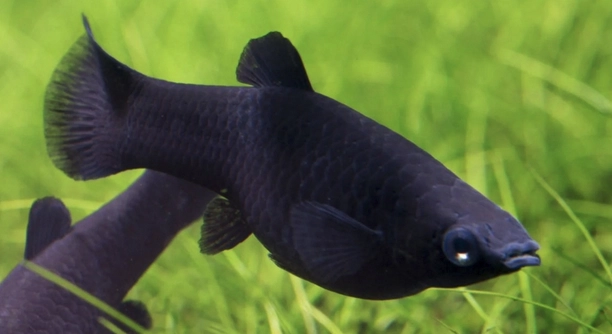
Keeping a peaceful freshwater tank can be rewarding, especially when you enjoy small, active fish like Black Molly and guppies. Many aquarists appreciate watching their fish interact and coexist in a shared space. Tank harmony can be achieved with proper care.
Black Mollies can generally live with guppies long term if the aquarium is spacious, water parameters are stable, and both species receive appropriate nutrition. Regular monitoring of behavior and water quality is essential for maintaining a healthy environment.
Proper planning and attentive care ensure both species thrive together in harmony. Observing their interactions can reveal helpful insights for a balanced aquarium.
Tank Setup for Black Mollies and Guppies
Creating a tank that works for both Black Mollies and guppies requires attention to size, filtration, and decoration. A minimum of 20 gallons is recommended for a small group, with at least one Black Molly and three guppies. Both species enjoy swimming space and hiding spots, so include plants, rocks, and driftwood. Filtration is important to keep the water clean, as both fish produce moderate waste. Temperature should be maintained between 74 and 80°F, and pH should stay around 7.0 to 8.0. Regular water changes, about 25% weekly, help reduce toxins and keep the fish healthy. Observing the fish during feeding and daily activity can help you notice stress or aggression early. Lighting should mimic natural day-night cycles, roughly 10 to 12 hours per day. Choosing compatible tank mates beyond these species is also important, as aggressive or fin-nipping fish can disturb harmony.
Properly setting up the tank ensures both species have space to swim, hide, and coexist peacefully, reducing stress and health issues.
A balanced tank setup promotes long-term stability. Plants not only provide hiding spots but also improve water quality, giving your fish a healthier environment overall.
Feeding and Nutrition
Both Black Mollies and guppies are omnivores and require a varied diet to thrive.
Providing a mix of high-quality flake food, freeze-dried or frozen bloodworms, and vegetable matter ensures proper nutrition. Black Mollies benefit from blanched spinach or zucchini, while guppies thrive on micro pellets or small flakes. Feeding should occur once or twice daily in small amounts, preventing leftover food from polluting the water. Rotating food types helps prevent nutritional deficiencies and keeps the fish interested in eating. Overfeeding can lead to obesity and water quality problems, so measure portions carefully. Observing feeding behavior can also reveal health issues early, such as loss of appetite or difficulty eating. Supplements like spirulina can boost immunity and coloration for both species. Maintaining a clean feeding area and removing uneaten food reduces harmful bacteria and keeps the tank balanced. Proper feeding supports growth, energy, and reproduction while minimizing stress and aggression.
Consistent feeding routines are crucial to maintain healthy fish and a clean aquarium.
Feeding requires planning and attention to detail. Each species has slightly different preferences and dietary needs, but providing a mix of protein and plant-based food ensures they both remain vibrant and active over time.
Water Conditions and Maintenance
Stable water conditions are essential for both Black Mollies and guppies. Sudden changes in temperature, pH, or hardness can stress them and cause illness. Regular monitoring and consistent water changes help maintain a healthy environment.
Keeping water clean involves more than just weekly changes. Testing for ammonia, nitrite, and nitrate levels is necessary to prevent toxic buildup. Both species prefer slightly alkaline water with a pH between 7.0 and 8.0, and hardness around 10–20 dGH. Temperature should remain steady between 74 and 80°F, avoiding sudden drops. Filtration must be efficient but not create strong currents, as guppies and Black Mollies prefer moderate flow. Observing your fish for unusual behavior, such as gasping at the surface or lethargy, can indicate water problems before they become severe. Aeration and plants also help maintain oxygen levels, supporting a balanced ecosystem.
Maintenance routines include vacuuming the substrate, cleaning filter media periodically, and trimming plants. These steps reduce waste buildup, prevent algae growth, and ensure the tank stays visually appealing.
Compatibility and Behavior
Both species are generally peaceful, but individual personalities can vary. Aggression is rare when the tank is well-planned and spacious.
Black Mollies can be slightly larger and may chase guppies during feeding, but this is usually brief. Stress can occur if overcrowding happens or hiding spaces are limited. Providing plants, decorations, and open swimming areas allows both species to maintain territories without conflict. Guppies are active and playful, often swimming in groups, while Black Mollies move more steadily. Observing their interactions helps detect early signs of stress or dominance disputes. Adjusting the number of fish or rearranging decorations can reduce tension, making the tank more harmonious for long-term living.
When compatibility issues arise, addressing them quickly is important. Separating aggressive individuals or adding additional hiding spots can prevent injuries. Maintaining proper nutrition, stable water parameters, and adequate space supports peaceful coexistence, allowing both species to thrive together without ongoing conflict.
Tank Size and Population
A larger tank helps prevent stress and aggression. At least 20 gallons is recommended when keeping Black Mollies with guppies. Overcrowding increases competition for food and swimming space, leading to tension.
Maintaining a proper ratio, such as one Black Molly for every three guppies, ensures peaceful interactions. Adding more fish requires proportionally larger tanks and stronger filtration to keep water quality stable.
Breeding Considerations
Both species breed readily in community tanks, which can lead to overpopulation if not managed. Guppies reproduce quickly, often having live young every few weeks. Black Mollies also give birth to live fry but at a slower rate.
Providing dense plants and hiding areas helps fry survive. Separation or breeding traps may be necessary if you want to control population growth. Feeding fry specialized food like crushed flakes or baby brine shrimp encourages healthy development. Observing breeding patterns also helps prevent stress among adults, as overcrowded tanks can trigger aggression or illness. Regular maintenance and monitoring are essential to sustain a balanced, thriving community.
Observation and Adjustments
Watching daily interactions allows you to notice changes in behavior. Immediate adjustments prevent problems from escalating.
FAQ
Can Black Mollies and guppies share the same tank long term?
Yes, they can live together long term if the tank is properly sized, water conditions are stable, and both species receive balanced nutrition. Providing plants and hiding spots reduces stress and helps prevent minor territorial disputes. Observing their behavior regularly ensures a peaceful environment.
What is the ideal tank size for keeping them together?
A minimum of 20 gallons is recommended for a small group. This allows space for swimming, hiding, and reducing stress. Larger tanks are better if you plan to keep multiple fish, as overcrowding can lead to aggression and poor water quality.
What water conditions do Black Mollies and guppies need?
Both prefer slightly alkaline water with a pH between 7.0 and 8.0 and moderate hardness around 10–20 dGH. Temperature should be maintained between 74 and 80°F. Stable conditions are more important than exact numbers, as sudden changes can cause stress and illness.
How often should I do water changes?
Weekly water changes of about 25% are ideal. This keeps ammonia, nitrite, and nitrate levels low, maintaining a healthy environment. More frequent changes may be necessary for heavily stocked tanks or if leftover food accumulates, which can impact water quality.
What should I feed them?
Both species are omnivores. Provide a variety of flake food, freeze-dried or frozen bloodworms, and vegetable matter. Black Mollies benefit from blanched vegetables like spinach or zucchini, while guppies enjoy micro pellets or small flakes. Rotating food helps prevent nutritional deficiencies.
Do they breed easily in a shared tank?
Yes, both species breed readily. Guppies reproduce quickly and often, while Black Mollies breed at a slower rate. Providing plants and hiding spaces increases fry survival. Separation or breeding traps may be needed if you want to control population growth.
How can I tell if they are stressed?
Signs include hiding frequently, gasping at the surface, clamped fins, or reduced appetite. Stress can be caused by overcrowding, poor water quality, or aggressive tank mates. Monitoring daily helps detect problems early and allows for quick adjustments.
Can they live with other fish?
They can coexist with peaceful community fish, but avoid aggressive or fin-nipping species. Compatible tank mates include tetras, corydoras, and other non-aggressive fish. Adequate space, hiding spots, and stable water conditions are essential when adding more fish to maintain harmony.
Do I need to monitor water parameters regularly?
Yes, testing for ammonia, nitrite, nitrate, pH, and hardness is crucial. Even slight imbalances can affect their health. Regular monitoring helps catch problems before they become severe, ensuring long-term stability and healthy fish.
What maintenance is necessary besides water changes?
Filter cleaning, substrate vacuuming, and plant trimming are important. Removing uneaten food prevents bacteria buildup and keeps the tank visually clean. Proper maintenance supports water quality, reduces algae growth, and keeps both Black Mollies and guppies healthy.
How do I manage aggression if it appears?
Adding hiding spots, rearranging decorations, or separating aggressive individuals usually resolves conflicts. Overcrowding and lack of resources often trigger aggression, so ensuring enough space and food prevents most issues. Observing interactions allows for timely adjustments.
Are there any special care tips for fry?
Fry need dense plants or breeding traps for protection. Feeding them crushed flakes, baby brine shrimp, or specialized fry food promotes growth. Regular monitoring ensures they are not eaten by adults and allows for gradual introduction into the main tank once they grow larger.
How long can Black Mollies and guppies live together?
With proper care, they can live together for several years. Maintaining stable water conditions, proper nutrition, and a stress-free environment supports long-term coexistence. Regular observation and timely adjustments ensure both species remain healthy and active.
Can I keep them in the same tank if I have more than one Black Molly?
Yes, but maintaining a ratio of one Black Molly to at least three guppies helps reduce territorial behavior. More fish require a larger tank and stronger filtration. Providing hiding spaces is crucial to prevent stress and minor conflicts among adults.
What common mistakes should I avoid?
Overcrowding, inconsistent water parameters, overfeeding, and neglecting tank maintenance are common issues. These can lead to stress, illness, or aggression. Paying attention to daily behavior, water quality, and proper nutrition ensures a thriving community tank for both species.
How do plants benefit the tank?
Plants offer hiding spots, reduce stress, and improve water quality by absorbing excess nutrients. Floating plants also provide shade and calm areas for shy fish. A planted tank helps maintain harmony and supports healthy growth for both Black Mollies and guppies.
Can Black Mollies and guppies tolerate the same temperature?
Yes, both species thrive in similar temperature ranges, between 74 and 80°F. Keeping the water stable within this range prevents stress and supports immune function, growth, and breeding. Sudden fluctuations should always be avoided.
Is lighting important for their health?
Yes, a consistent day-night cycle of 10–12 hours of light supports natural behavior and plant growth. Proper lighting encourages feeding, swimming activity, and reproduction while reducing stress. Avoid intense light that may cause algae overgrowth or discomfort.
Do Black Mollies and guppies require special filtration?
Moderate filtration is sufficient. The filter should keep water clean without producing strong currents. Both species prefer gentle flow and aeration, which supports healthy swimming and reduces stress. Regular filter maintenance is also essential to ensure long-term water quality.
How can I prevent overpopulation in the tank?
Monitoring breeding, separating fry, and controlling adult numbers help prevent overcrowding. Providing proper hiding spots reduces stress, while managing food supply ensures balanced growth. Timely interventions maintain harmony and prevent water quality issues from too many fish.
What is the best way to introduce new fish?
Quarantine new fish for at least two weeks to prevent disease spread. Gradually acclimate them to the tank water, floating the bag for temperature adjustment and slowly mixing tank water. This reduces stress and helps them integrate safely with existing fish.
How often should I observe the tank?
Daily observation is ideal. Watching behavior, feeding, and overall appearance allows early detection of illness, stress, or aggression. Quick responses to any changes support a healthy environment and long-term coexistence for Black Mollies and guppies.
Are there any signs of illness to watch for?
Look for clamped fins, white spots, unusual swimming, or loss of appetite. Early detection allows treatment before illness spreads. Maintaining stable water conditions and proper nutrition prevents many common diseases in both species.
What adjustments can improve harmony in the tank?
Rearranging plants and decorations, adjusting population size, and ensuring sufficient food can reduce stress and aggression. Stable water parameters and attention to daily behavior maintain peaceful coexistence. Minor adjustments often prevent larger problems in the long term.
Do they need special care during breeding?
Yes, providing hiding spots, high-quality food, and monitoring adults helps fry survival. Separating fry or using breeding traps ensures young fish are protected and can grow without being eaten by adults. Proper care during breeding supports healthy growth and long-term balance in the tank.
How long do Black Mollies and guppies live in captivity?
Black Mollies can live around 3–5 years, while guppies typically live 2–3 years under good care. Stable water conditions, proper nutrition, and low stress levels maximize lifespan for both species. Regular maintenance and observation support long-term health and coexistence.
Can I keep other species with them without issues?
Peaceful, non-aggressive species are usually fine. Tetras, corydoras, and other small community fish integrate well if tank size and hiding spaces are adequate. Avoid aggressive or fin-nipping species, as they can stress or injure Black Mollies and guppies.
What is the role of hiding spots in the tank?
Hiding spots reduce stress, prevent aggression, and support fry survival. Plants, rocks, and decorations provide safe areas for shy or resting fish. A well-decorated tank promotes natural behavior, making the fish feel secure and comfortable.
Are water conditioners necessary?
Yes, conditioners remove chlorine, chloramine, and heavy metals, making tap water safe. Using a water conditioner supports gill health and overall well-being, reducing stress and promoting longevity for both species.
How do I balance population if both species breed?
Regularly separate fry, control adult numbers, and provide ample hiding spaces. Managing breeding helps prevent overcrowding and maintains water quality. Observing growth and behavior allows you to make timely adjustments, keeping the tank balanced and peaceful.
Can overfeeding affect coexistence?
Yes, overfeeding leads to water quality problems and can increase aggression as fish compete for food. Feeding measured portions once or twice daily ensures both species are healthy, reduces waste, and supports a stable tank environment.
Is tank decoration important for long-term harmony?
Yes, decorations provide hiding places, territories, and areas to explore. Proper layout reduces stress, encourages natural behavior, and minimizes conflicts, especially when multiple Black Mollies and guppies share a tank.
Do Black Mollies and guppies require similar care routines?
Yes, their care overlaps in temperature, water parameters, diet, and filtration. Minor differences exist in feeding preferences, but consistent routines for both species make maintenance easier and support long-term coexistence.
What should I do if one species seems stressed?
Check water quality, tank space, hiding spots, and feeding. Adjusting these factors, separating aggressive individuals, or rearranging decorations usually alleviates stress. Early action prevents illness, aggression, and long-term health issues, keeping both species comfortable.
How can I encourage natural behavior?
Providing plants, open swimming areas, and a proper day-night cycle promotes natural swimming, breeding, and feeding behaviors. Observing interactions and adjusting the environment as needed helps fish feel secure and behave naturally.
Are live plants better than artificial ones?
Live plants improve water quality by absorbing excess nutrients and providing oxygen. They also offer better hiding spots and support fry survival. Artificial plants work but do not contribute to water quality, so live plants are generally preferred.
Can they tolerate slight changes in water parameters?
Small fluctuations are usually tolerated, but frequent or extreme changes stress the fish. Stability is key. Gradual adjustments during maintenance or when introducing new fish reduce risk and ensure long-term health.
How do I introduce fry to the main tank safely?
Provide dense plants or a breeding trap, gradually acclimate them to tank conditions, and monitor adults. Slowly expanding their space as they grow prevents predation and allows them to thrive alongside adult fish.
Are there seasonal considerations for care?
Temperature fluctuations due to seasons can stress the fish. Maintaining a heater in colder months and monitoring water conditions year-round prevents health issues. Consistent feeding and light cycles support stability and reduce stress during seasonal changes.
Do I need to trim plants regularly?
Yes, trimming prevents overgrowth, ensures swimming space, and reduces debris accumulation. Proper maintenance keeps the tank tidy, supports water quality, and provides balanced hiding spots for both species.
How important is regular observation?
Daily checks help detect illness, stress, or aggression early. Monitoring behavior, feeding, and overall appearance allows quick intervention, preventing problems and supporting long-term health and coexistence.
Can Black Mollies and guppies share the same diet entirely?
Mostly, yes. Both benefit from flake food, frozen or live protein, and plant matter. Minor adjustments, like adding vegetables for Black Mollies, help meet specific nutritional needs without disrupting coexistence.
How do I prevent algae growth while keeping plants healthy?
Balance lighting, avoid overfeeding, and perform regular water changes. Plants compete with algae for nutrients, and proper maintenance minimizes overgrowth, keeping the tank clean and healthy for both species.
Are there signs that tank adjustments are needed?
Frequent hiding, aggression, lethargy, or poor water quality indicate adjustments are required. Rearranging decorations, adding hiding spots, or improving filtration resolves most issues. Observing behavior is the best guide for timely changes.
Can they live in slightly harder or softer water?
Both species tolerate moderate variations, but extremes can cause stress. Maintaining general hardness around 10–20 dGH and slightly alkaline pH supports health. Sudden shifts should always be avoided.
What role does aeration play in their tank?
Aeration maintains oxygen levels, supports plant growth, and improves circulation. Gentle water movement also reduces stagnant areas, creating a healthier environment for swimming and feeding, supporting long-term coexistence.
Do they need hiding spots if the tank is large?
Yes, hiding spots are important even in spacious tanks. They reduce stress, prevent aggression, and provide refuge for fry or shy fish. Space alone does not replace secure hiding areas.
How do I deal with sick fish in a community tank?
Quarantine the sick fish immediately and treat with appropriate medication. Regular observation, clean water, and maintaining optimal conditions reduce disease spread and protect the remaining fish.
Are water heaters necessary for these species?
Yes, heaters help maintain a stable temperature between 74 and 80°F. Sudden drops in temperature can stress or kill fish, so consistent heating supports health and reproduction.
Can they live with guppies of different colors?
Yes, color variations do not affect behavior or compatibility. Guppy coloration is purely aesthetic, and Black Mollies usually ignore differences in appearance, focusing on territory, feeding, and social interactions instead.
Do I need to remove uneaten food immediately?
Yes, uneaten food can pollute the water and increase ammonia levels. Removing leftovers keeps water clean, reduces algae growth, and supports a healthy environment for both species.
Is monitoring ammonia and nitrite levels critical?
Absolutely. Even small amounts can harm fish over time. Regular testing and prompt action maintain a safe environment, preventing stress, illness, and mortality. Stable water chemistry is essential for long-term coexistence.
How do I introduce new decorations safely?
Rinse thoroughly and place carefully to avoid trapping fish. Rearrange gradually if needed, giving fish time to adjust. Secure items prevent injury and support territorial stability, reducing stress and aggression.
Are livebearers like these sensitive to water changes?
They tolerate gradual changes but are sensitive to sudden shifts. Performing regular, measured water changes keeps the environment stable, supporting health, growth, and reproduction.
What is the best way to keep the tank visually appealing?
Regular maintenance, plant trimming, and cleaning substrate enhance appearance. A tidy, well-planted tank not only looks good but also supports healthy interactions and reduces stress for Black Mollies and guppies.
How do I manage fry survival in a community tank?
Provide dense plants, breeding traps, or separate tanks. Feed appropriately sized food like crushed flakes or baby brine shrimp. Observing adults and fry ensures fry are protected and grow safely without being eaten.
Can they adapt to minor changes in light duration?
Yes, small variations are tolerated, but keeping a consistent day-night cycle of 10–12 hours promotes natural behavior, feeding, and breeding while reducing stress and supporting plant growth.
Do they require any seasonal diet adjustments?
Not usually, but slightly increasing protein-rich food during breeding periods can support fry development. Maintaining variety and consistency in diet ensures both species remain healthy year-round.
How do I ensure long-term coexistence?
Stable water conditions, adequate space, proper nutrition, hiding spots, and careful observation support harmony. Prompt adjustments for stress, aggression, or water quality issues maintain a thriving environment for both Black Mollies and guppies.
What are the main risks to long-term health in a shared tank?
Overcrowding, poor water quality, stress, disease, and improper feeding are the main risks. Regular maintenance, careful monitoring, and attention to behavior prevent problems and support long-term coexistence.
Can I keep them with snails or shrimp?
Yes, peaceful invertebrates like snails and shrimp generally coexist without issue. They can help with algae control and add interest without causing stress to the fish, as long as water conditions suit all species.
Do Black Mollies and guppies need UV sterilizers?
Not required for healthy tanks but can help control free-floating algae or pathogens. Proper maintenance, water changes, and filtration usually provide enough support without extra equipment.
Are both species sensitive to changes in tank layout?
Yes, sudden rearrangements can cause stress or minor territorial disputes. Gradual changes or adding hiding spots allows fish to adjust without impacting harmony. Observation after changes helps ensure smooth adaptation.
How do I maintain a balanced population if both species breed?
Monitor fry survival, separate excess juveniles, and manage adult ratios. Maintaining sufficient space, hiding spots, and food ensures healthy growth, minimizes stress, and keeps the tank balanced over time.
Is using a substrate important for them?
Yes, substrate supports plant growth, reduces waste accumulation, and provides natural areas for foraging. Sand or fine gravel is best, creating a comfortable environment while helping maintain water quality.
Can they tolerate different lighting spectrums?
Yes, they adapt to standard aquarium lighting. Natural-spectrum lighting benefits plant growth and fish coloration. Avoid overly intense or colored lights that may stress the fish or encourage excessive algae growth.
How do I prevent stress during water changes?
Perform gradual, measured changes, maintain stable temperature, and avoid sudden chemical shifts. Observing fish during and after changes ensures they remain calm and healthy. Proper routine minimizes stress and supports long-term health.
Do they need calcium supplements?
Not usually if water hardness is moderate. Calcium supports bone and fin health, but regular aquarium water often provides enough. Harder water is preferred for Black Mollies and guppies, supporting overall well-being.
How do I keep both species active and healthy?
Provide ample swimming space, plants, a balanced diet, and proper temperature. Regular observation, stable water parameters, and enrichment like hiding spots or gentle current encourage activity and reduce stress.
What are signs that my tank setup needs improvement?
Frequent hiding, fin nipping, lethargy, poor growth, or algae overgrowth indicate adjustments are needed. Addressing water quality, space, nutrition, or tank decoration usually resolves most issues.
Can they live with floating plants?
Yes, floating plants provide shade, reduce stress, and offer hiding spots. They also help control light intensity and nutrient levels, supporting overall tank balance and well-being for both species.
Are there any long-term health concerns for shared tanks?
If water quality, nutrition, space, and stress are managed, long-term health risks are minimal. Neglecting these factors increases disease, aggression, or early mortality. Consistent care ensures both species thrive together for years.
Do both species require similar pH and hardness levels?
Yes, maintaining a p
Final Thoughts
Keeping Black Mollies and guppies together in the same tank can be a rewarding experience if the right conditions are maintained. Both species are peaceful and generally compatible, but success depends on careful planning and attention to details. Tank size, water quality, diet, and hiding spots are all important factors that affect their health and behavior. Providing a space that allows both species to swim freely while having secure places to retreat prevents stress and aggression. Observing your fish regularly is essential because even minor changes in behavior can indicate issues that need addressing. By staying consistent with maintenance and care, it is possible to enjoy a vibrant and active community tank for years.
Water conditions are especially critical when keeping Black Mollies and guppies together. Both species thrive in slightly alkaline water with a pH around 7.0 to 8.0 and moderate hardness. Temperature should remain stable between 74 and 80°F. Sudden fluctuations in these parameters can cause stress, weaken the immune system, and lead to illness. Regular water changes, careful feeding, and efficient filtration are key to maintaining a healthy environment. Adding live plants helps improve water quality, provides hiding spots for shy fish and fry, and reduces stress in the tank. Even small adjustments, like rearranging decorations or adding more plants, can improve harmony among the fish. Attention to these details helps create a stable environment that allows both Black Mollies and guppies to thrive side by side.
Feeding and population management are other important considerations. Both species are omnivores and benefit from a varied diet, including flake food, frozen or live protein, and some vegetable matter. Overfeeding can lead to water quality problems, while underfeeding can cause health issues, so it is important to monitor portions and feeding schedules. Both Black Mollies and guppies breed readily, and overpopulation can become a concern if fry are not managed. Providing dense plants, breeding traps, or separating fry can help control population growth and protect young fish. Overall, long-term coexistence requires consistent care, observation, and minor adjustments as needed. With patience and attention, Black Mollies and guppies can live together peacefully, offering a lively, colorful, and enjoyable aquarium for any aquarist.

Hello,
If you enjoy the content that we create, please consider saying a "Thank You!" by leaving a tip.
Every little bit helps us continue crafting quality advice that supports the health, happiness, and well-being of pets around the world, for pets of all shapes, sizes, and species.
We really appreciate the kindness and support that you show us!