
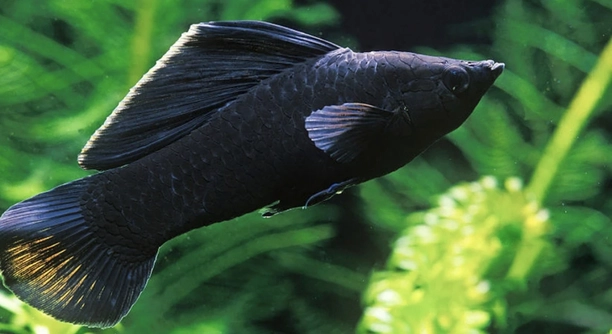
Have you ever noticed your black molly resting at the bottom of the tank and wondered what might be influencing this behavior, especially when everything else in the aquarium seems normal and peaceful around it.
Black mollies typically remain at the tank bottom due to stress, poor water quality, illness, or environmental disruptions that influence their comfort. Addressing these issues through consistent maintenance and careful monitoring helps restore normal behavior and supports movement within aquarium.
Understanding these patterns provides clarity and prepares you to support your black molly with steps that encourage a aquatic routine.
Poor Water Quality
Poor water quality is one of the most common factors that keeps a black molly resting near the bottom of its tank. When ammonia or nitrite levels rise, the fish begins to feel overwhelmed and less willing to stay active in the upper areas. Water that has not been changed regularly creates an environment that places pressure on the molly and leads to fatigue. A tank that is overcrowded can make the situation even more difficult because the waste increases faster than the filter can manage. Over time, the black molly responds by lowering its activity and settling in the quietest part of the tank for comfort. Stress becomes more noticeable when the water becomes cloudy or develops a strong odor. Keeping the tank stable helps the molly feel calm again. Regular monitoring, gentle cleaning, and improvements can make a clear difference and support a return to normal swimming behavior.
Testing the tank regularly gives you a clear view of what needs attention. Simple adjustments such as partial water changes, careful feeding, and checking the filter help keep everything balanced. When the environment feels stable, your black molly becomes more relaxed and moves around with greater comfort in its space.
Improving water quality does not need complicated steps because small habits make a meaningful difference. Start by establishing a consistent schedule for water changes to prevent sudden shifts that can unsettle your black molly. Cleaning the substrate helps remove waste that settles in hidden areas and affects the tank balance. Keeping the filter maintained ensures stable flow and oxygen levels that support better movement. When these tasks are done with care, the tank begins to feel safe again. Your molly responds by lifting its activity level and spending more time exploring instead of staying low at the bottom each day.
Stress and Illness
Stress and illness influence how your black molly behaves, especially when its energy levels drop. When the fish feels overwhelmed or begins to develop health issues, it chooses quieter areas for relief. Noticing changes early helps you respond with supportive care that keeps the molly comfortable and more active today.
Addressing stress and illness requires paying attention to subtle signs that indicate your black molly needs support. A molly that remains near the bottom may be responding to sudden changes in temperature, aggressive tank mates, or loud surroundings that interrupt its sense of safety. Illnesses such as swim bladder troubles, parasitic concerns, or infections can also cause weakness that limits movement. Observing the fish closely helps you understand whether the behavior is linked to discomfort or an environmental trigger. Begin by checking temperature stability and adjusting it slowly if needed. Watch for clamped fins, discoloration, or slower eating patterns that suggest health concerns. If the molly seems stressed by other fish, rearranging the tank or creating visual barriers can ease tension. Introducing gentle aeration improves comfort by supporting oxygen levels. When possible, isolate the affected molly in a separate tank to give it calm surroundings while you monitor improvement. Using treatments designed for the specific issue helps the recovery process remain steady. Over time, these thoughtful steps create a stable setting that encourages your black molly to move freely again and regain its usual rhythm in the tank.
Low Oxygen Levels
Low oxygen levels encourage a black molly to rest at the bottom because it feels more comfortable near areas with slightly higher circulation. When the surface movement is weak, the fish responds with slower behavior that becomes more noticeable throughout the day.
A tank with poor aeration affects how your black molly breathes, especially when the water becomes warm or crowded. Increasing surface agitation with an air stone or adjusting the filter output helps restore balance. Plants can contribute to oxygen levels, but they may not provide enough support during the night. Keeping the water clean and avoiding overfeeding prevents waste from reducing oxygen further. When the environment becomes more stable, your molly begins to lift its activity and explore the tank with greater ease again.
Low oxygen levels often form slowly, making it important to pay attention to subtle signs such as gasping near the surface or decreased movement. Improving circulation creates calmer patterns for your black molly by giving it an environment that feels open and breathable. Monitoring temperature and maintaining consistent cleaning habits keep the tank from becoming stagnant. When these steps are followed, the molly responds with smoother swimming patterns and a stronger presence throughout its surroundings, instead of staying pressed to the bottom.
Improper Temperature
Temperature that shifts too quickly places strain on your black molly, leading it to rest near the bottom to conserve energy. Stable warmth keeps the fish comfortable, while sudden drops or spikes interrupt its rhythm and cause noticeable changes in daily behavior.
A stable temperature helps the black molly maintain its normal activity level. When the water becomes too cold, the fish slows down, while excess warmth decreases oxygen and increases stress. Using a reliable heater supports a steady range that feels natural for the molly and prevents sharp changes that interfere with its comfort. Checking the temperature at different times of the day helps you catch fluctuations that may not be obvious. Adjusting the heater slowly avoids sudden shifts that might unsettle the tank. Over time, consistent warmth encourages smoother swimming patterns and reduces the need for your molly to seek stillness at the bottom.
Overcrowding
Overcrowding places pressure on your black molly by limiting swimming space and increasing waste buildup. When the tank becomes too busy, the molly settles near the bottom to avoid competition and conserve energy in a space that feels less overwhelming.
Reducing the number of fish helps the molly feel more at ease. Extra room supports smoother movement, while cleaner water reduces stress. Spreading out decorations creates more hiding places that encourage comfort and balance within the tank.
Aggressive Tank Mates
Aggressive tank mates influence how your black molly moves around its space. Chasing, nipping, and territorial behavior cause tension that pushes the molly toward the bottom for safety. Rearranging the tank, adding plants, or separating unsuitable fish helps ease this tension and supports a more peaceful routine.
Lack of Hiding Spots
A tank with too few hiding spots leaves your black molly feeling exposed. Adding plants, caves, or gentle decorations creates security and encourages the molly to move around the tank with more confidence.
FAQ
Why does my black molly stay at the bottom all the time?
Your black molly may stay at the bottom due to stress, low oxygen, poor water quality, illness, overcrowding, or sudden changes in temperature. Observing its environment and behavior carefully helps identify which factor is affecting it most. Small changes in care can restore normal activity.
Is it normal for black mollies to rest at the bottom sometimes?
Yes, occasional resting at the bottom can be normal, especially during sleep or after feeding. However, constant bottom-dwelling signals a potential issue in the tank environment, health, or stress level that should be addressed promptly.
How can I improve water quality for my molly?
Regular water changes, proper filtration, and avoiding overfeeding help maintain stable water conditions. Test the water weekly for ammonia, nitrites, nitrates, and pH. Keeping the tank clean reduces stress and promotes healthier swimming habits for your black molly.
What signs indicate illness in black mollies?
Symptoms include clamped fins, rapid breathing, discoloration, bloating, or unusual swimming patterns. If the fish shows any of these signs, isolating it and consulting with an experienced aquarium guide or using targeted treatments is recommended to prevent further complications.
Can poor oxygen levels make my molly stay at the bottom?
Yes, low oxygen forces mollies to rest in areas with slightly better circulation. Adding air stones, adjusting filters for surface agitation, and avoiding overcrowding ensures adequate oxygen levels, supporting healthier movement and overall well-being.
Do tank decorations affect my molly’s behavior?
Lack of hiding spots or overly crowded decorations can stress black mollies. Providing plants, caves, and open swimming areas allows them to feel secure while encouraging activity throughout the tank.
How do I handle aggressive tank mates?
If other fish are chasing or nipping at your molly, consider rearranging decorations to create visual barriers or separating incompatible species. Ensuring a peaceful environment prevents constant bottom-dwelling and reduces stress-related behaviors.
Can temperature fluctuations make my black molly stay at the bottom?
Sudden temperature changes disrupt the fish’s comfort and slow metabolism. Maintaining a stable temperature appropriate for black mollies, typically around 75–80°F (24–27°C), helps them stay active and avoid long periods at the bottom.
How often should I check on my black molly?
Daily observation allows you to notice subtle changes in swimming, feeding, or appearance. Early detection of stress or health issues is essential for quick intervention and ensures your molly remains active and healthy in the tank.
Will improving all these factors make my molly swim normally again?
Yes, addressing water quality, oxygen levels, temperature stability, tank space, hiding spots, and aggressive tank mates gradually encourages your black molly to return to normal swimming patterns. Consistent care and monitoring create a safer, more comfortable environment for long-term health.
Can diet influence my molly’s bottom-dwelling behavior?
Poor nutrition or overfeeding can lead to lethargy and digestive issues, making mollies less active. Feeding a balanced diet suitable for black mollies, in appropriate amounts, supports energy levels and encourages movement throughout the tank.
Is quarantine necessary for new fish to prevent stress?
Quarantining new fish helps reduce stress, disease introduction, and aggression in the main tank. Allowing them to adapt in a separate tank ensures your existing black molly remains comfortable and less likely to stay at the bottom due to disturbances.
How long does it take for a molly to recover from stress?
Recovery time varies depending on the cause of stress. With consistent water care, proper diet, stable temperature, and peaceful surroundings, most black mollies show noticeable improvement in a few days to a couple of weeks.
Are there any signs that my molly is happy and active?
A healthy black molly swims around the tank confidently, explores plants and decorations, feeds readily, and interacts calmly with other compatible fish. Increased activity and movement away from the bottom indicate improved comfort and well-being.
Black mollies are sensitive fish that respond strongly to their environment. When a black molly stays at the bottom of the tank for long periods, it is usually signaling that something in its surroundings is affecting its comfort or health. Common reasons include poor water quality, low oxygen, stress from tank mates, temperature fluctuations, overcrowding, or illness. Each of these factors can make the fish feel unsafe or tired, leading to reduced movement and extended periods resting at the bottom. Observing your molly’s behavior carefully and monitoring the tank environment helps identify the main issue so that it can be addressed before the fish’s health worsens. Simple adjustments such as cleaning the tank regularly, testing water quality, providing stable temperature, and adding hiding spots often make a noticeable difference in activity levels. By paying attention to these aspects, the tank becomes a safer and more comfortable place for your black molly to swim freely and interact with its surroundings.
Consistent care is essential for maintaining a healthy tank environment. Overfeeding or allowing waste to accumulate can create poor water conditions that directly impact a black molly’s behavior. Similarly, overcrowding increases stress and reduces the space available for swimming, making the fish more likely to rest at the bottom. Even small changes in temperature can affect metabolism and energy levels, causing lethargy. Providing a balanced diet, keeping the water clean, maintaining proper temperature, and monitoring the behavior of all tank inhabitants work together to create stability. Adding decorations, plants, and gentle hiding spots gives the fish a sense of security, encouraging more movement and less bottom-dwelling. Over time, these consistent actions help mollies regain normal patterns of swimming, feeding, and exploring, supporting both physical health and overall well-being.
Watching your black molly adapt to improvements in the tank can be rewarding. Recovery is often gradual, and patience is key, as fish need time to adjust to changes in water quality, tank layout, or social interactions. Monitoring behavior daily allows you to notice improvements or recurring issues, ensuring the fish stays healthy and active. Understanding the reasons behind bottom-dwelling behavior empowers you to respond effectively, whether it’s adjusting water parameters, isolating a stressed or sick fish, or reorganizing the tank to reduce tension. With careful attention, consistent maintenance, and supportive care, your black molly can regain confidence and energy, returning to its usual swimming patterns. Keeping the environment stable and safe allows the fish to thrive while reducing stress-related behaviors, ultimately creating a healthier and more enjoyable aquarium for both the molly and other tank inhabitants.

Hello,
If you enjoy the content that we create, please consider saying a "Thank You!" by leaving a tip.
Every little bit helps us continue crafting quality advice that supports the health, happiness, and well-being of pets around the world, for pets of all shapes, sizes, and species.
We really appreciate the kindness and support that you show us!