
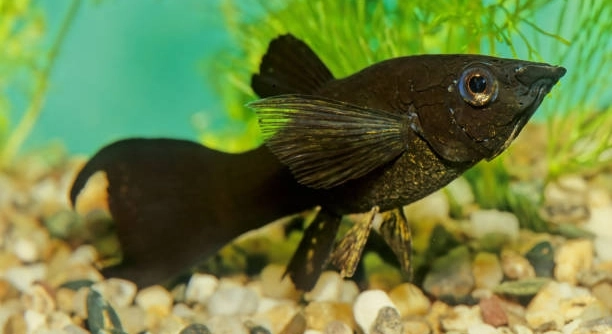
Have you ever watched your black molly swim gracefully but noticed subtle changes in her behavior over time? Observing these differences can give important clues about her health and the upcoming arrival of her fry.
Black mollies nearing labor exhibit clear behavioral and physical signs. These include increased hiding, swollen bellies, visible gravid spots, reduced appetite, restless swimming, frequent surface visits for oxygen, and changes in coloration, which collectively indicate imminent birth.
Recognizing these signs early helps ensure your molly receives proper care and support during labor and fosters a safe environment for her fry.
Changes in Swimming Behavior
As your black molly gets closer to giving birth, you may notice her swimming patterns changing. She might move more slowly or stay close to the tank bottom. Restless darting from side to side can also occur, showing discomfort or anticipation. Many black mollies seek sheltered areas or hide behind plants and decorations. This behavior is natural, as they instinctively look for safe places to give birth. You might also see her pausing near the surface more often, taking quick gulps of air. These movements are a combination of preparing for labor and adjusting to her swelling belly. Monitoring how she swims can provide a clear indication of how soon she might deliver her fry. Offering plenty of cover in the tank helps her feel secure. Observing these behaviors closely gives you confidence in supporting her during this sensitive time.
Changes in swimming can be subtle but are consistent signs that labor is near.
Noticing shifts in movement is one of the earliest indicators. She may linger in corners or among dense plants, avoiding open areas. These small but steady changes signal that the birthing process is approaching and that she needs a calm, safe environment.
Swelling and Gravid Spot Visibility
As labor approaches, your black molly’s belly swells noticeably. The gravid spot, a darker area near the rear, becomes more defined. These physical changes are reliable markers that she is carrying fry and getting closer to giving birth. Swelling often makes her appear heavier, and you might see her belly sag slightly when swimming. Observing these changes daily helps you anticipate when she might deliver. Providing a stress-free environment and avoiding sudden tank disturbances is important during this time. Keep her in a well-maintained tank with clean water and adequate hiding spots to reduce stress. These steps make her feel secure and can prevent complications during labor. Watching the gravid spot and overall belly shape provides clear insight into how far along she is and when to prepare for the fry’s arrival.
The belly and spot changes are the most visible signs of impending labor.
Swelling and the gravid spot show that delivery is very close. You can expect her to begin seeking seclusion and acting more cautiously. Tank conditions should be ideal, and stress minimized, so the birth proceeds safely. Preparing a birthing area now is highly recommended.
Appetite Changes
Many black mollies eat less as labor nears. Some may completely ignore food for several days. This reduction in appetite is normal and reflects their focus on preparing for birth. Avoid overfeeding, as it can stress her and complicate delivery.
A declining appetite often signals that your molly is entering the final stages of pregnancy. Her body is using energy differently, preparing for labor instead of digestion. She may nibble occasionally but won’t eat as much as before. Continuing to offer small amounts of high-quality food ensures she maintains some energy without causing discomfort or bloating. It’s also a good time to remove uneaten food quickly to maintain water quality. Feeding her lightly supports her health while reducing stress during this critical period.
During this time, keeping a close eye on her feeding habits can help you gauge how close labor is. She may pick at flakes or ignore food entirely. Light, nutritious feedings are best, and monitoring water quality becomes even more crucial to prevent stress-related complications. A calm environment supports her energy needs while keeping her safe and comfortable as she prepares to deliver her fry.
Seeking Hiding Spots
Black mollies often search for sheltered areas as labor approaches. Dense plants, decorations, or corners of the tank become her preferred spots. She instinctively looks for privacy.
This hiding behavior is driven by instinct. She is preparing for birth and wants a safe, secure location for her fry. Observing her movement toward dense areas signals that delivery could happen soon. Providing ample hiding spots reduces stress and encourages her to feel secure.
Encouraging a calm, secluded environment ensures she has room to retreat when needed. You can add additional plants or small decorations to create more coverage. Avoid handling her unnecessarily, as this can cause stress and potentially delay labor. She may remain hidden for long periods, emerging only occasionally to feed or swim briefly. Respecting her need for seclusion supports a safer birth and promotes overall well-being for both the mother and her fry.
Frequent Surface Visits
As labor nears, black mollies often swim to the surface more frequently. They take quick gulps of air, which helps them cope with extra oxygen needs during this stage.
These surface visits are normal and indicate her body is working harder. Increased activity at the top of the tank signals preparation for delivery and heightened energy requirements.
Restless Swimming
Black mollies may swim rapidly or dart around the tank as labor approaches. This restlessness reflects discomfort and anticipation. She might move from one hiding spot to another repeatedly.
Restless swimming is an instinctive behavior that helps her find a safe location for giving birth. It can also indicate mild stress or the need for oxygen. Providing a calm environment with stable water conditions reduces anxiety. Observing her movements carefully allows you to anticipate delivery.
Coloration Changes
Your black molly’s colors may become darker or slightly duller near labor. This shift is a natural part of the birthing process.
How long does it take for a black molly to give birth?
Black mollies usually give birth around 4 to 6 weeks after mating. This period can vary slightly depending on water temperature, diet, and overall health. Warmer, stable water tends to accelerate development, while cooler or fluctuating temperatures may slow it. Observing her physical signs, such as a swollen belly and a prominent gravid spot, helps estimate when labor will occur. Being aware of the timeline allows you to prepare the tank with adequate hiding spots, clean water, and a stress-free environment to ensure the process goes smoothly for both the mother and her fry.
What should I feed my black molly before labor?
During the last few days of pregnancy, black mollies often eat less, but it’s important to offer small amounts of nutritious food. High-quality flake food, frozen brine shrimp, or finely chopped live foods provide necessary energy without overloading her digestive system. Avoid overfeeding, as uneaten food can pollute the tank and increase stress. Light, frequent feedings ensure she has enough nutrients while keeping her comfortable. Clean the tank regularly and monitor water quality, because poor conditions can negatively affect both the mother and her fry. Maintaining balanced nutrition helps her remain healthy during this critical stage.
How can I make my tank safe for labor?
Ensure there are plenty of hiding spots, like dense plants, small decorations, or floating cover. Mollies feel more secure when they have places to retreat. Maintain clean water, stable temperature, and gentle filtration. Avoid sudden movements or tapping the glass, as stress can delay labor or cause complications. Consider separating her in a breeding tank if there are aggressive tankmates. Keep food minimal and avoid overcrowding to reduce stress. A calm, prepared environment supports the mother’s natural instincts and helps ensure her fry are born safely. Monitoring her behavior daily allows you to notice early signs of labor.
Will my black molly eat during labor?
Most black mollies stop eating as labor approaches. Their focus shifts to preparing for birth, and reduced appetite is normal. Some may nibble occasionally, but it’s not necessary to force feeding. Continue offering small amounts if she shows interest, but prioritize maintaining water quality. The main concern is keeping her environment calm and stress-free.
How do I know when labor has started?
Labor begins when your molly shows noticeable contractions and frequent hiding or restless swimming. Belly movements may become more pronounced, and she may stay near plants or decorations. Some mollies float near the surface to breathe more often. Observing these behaviors allows you to recognize the start of delivery. Avoid disturbing her, and make sure water conditions remain ideal.
What should I do after the fry are born?
Once the fry are born, remove the mother if necessary to prevent her from eating them. Provide fine food like baby brine shrimp or crushed flakes. Keep the water clean, and ensure the fry have places to hide. Monitor their growth and maintain stable tank conditions. Regular observation helps ensure both mother and fry remain healthy.
How many fry can a black molly have?
Black mollies can give birth to 20–80 fry at a time, depending on age, health, and size. First-time mothers often have fewer fry, while experienced adults may produce larger broods. Counting the fry helps track their survival and ensures the tank is prepared for their care.
Do black mollies need any special care during labor?
Special care involves minimizing stress, maintaining clean water, and providing hiding spots. Avoid sudden noises or movements, as this can interfere with labor. Feed lightly, monitor her closely, and ensure the tank is properly heated. Calm conditions are key to a safe birth for both the mother and her fry.
Can black mollies have complications during birth?
Complications are rare but can occur, especially in older or first-time mothers. Signs include prolonged labor, unusual lethargy, or swollen fins. If labor lasts longer than expected or the fish shows distress, consider consulting an experienced aquarist or veterinarian. Prompt action can prevent harm and increase survival chances for both the mother and fry.
How often do black mollies give birth?
Black mollies can give birth roughly every 4–6 weeks if conditions are ideal. Continuous breeding can stress the mother, so allowing rest periods and proper nutrition is important. Managing breeding carefully ensures her long-term health and the well-being of successive fry.
What water conditions are best during labor?
Stable temperature around 75–80°F, clean water, and low current are ideal. Sudden changes in pH, temperature, or hardness can stress the mother. Regular monitoring and gentle filtration provide a safe environment. A calm, consistent habitat helps the birth proceed smoothly and supports fry survival.
How can I tell if the fry are healthy?
Healthy fry are active, swim freely, and respond to light food. They should be evenly colored with no deformities or signs of distress. Observing their movements daily ensures they are developing properly. Providing clean water and safe hiding spots promotes strong growth and survival in the first critical weeks.
Is it normal for the mother to hide after giving birth?
Yes, after labor, black mollies often hide and rest. They recover energy and adjust to their role as fry caretakers. Minimal disturbance and calm surroundings help her regain strength quickly. Continuing to monitor water quality supports her health and overall recovery.
Observing your black molly as she nears labor can be a fascinating experience. These small fish show many subtle changes in behavior and appearance that indicate the arrival of fry. From hiding among plants to changes in swimming patterns and appetite, each action tells you something about her condition. Being attentive to these signs allows you to provide the right environment and support. A calm, stress-free tank is essential, as black mollies are sensitive to sudden movements or changes in water conditions. By noticing these behaviors early, you can make sure she has a safe, comfortable space to give birth. Watching her gradually adjust to labor can help you feel more prepared and confident as a caretaker.
Providing the right tank setup is just as important as observing behavior. Ensure the water is clean, temperatures are stable, and hiding spots are plentiful. Adding dense plants or small decorations gives her a sense of security, which reduces stress during labor. It is also helpful to lightly monitor her food intake. While she may eat less in the days leading up to delivery, offering small portions of nutritious food ensures she maintains enough energy for the process. Removing uneaten food promptly prevents water quality issues. A well-maintained environment supports both the mother and the fry, giving the little ones a healthy start. By planning ahead and preparing the tank, you minimize potential complications and create a more predictable experience.
After the fry are born, your role continues in helping them survive and thrive. Separating the mother may be necessary to protect the fry, and providing tiny, appropriate food helps them grow. Clean water and gentle filtration remain important. Observing both mother and fry closely during this period ensures any problems are noticed quickly. Over time, the fry will grow stronger and more independent, and the mother will return to her normal routine. Understanding and anticipating these stages not only ensures the health of your black molly but also allows you to feel confident in providing proper care. Paying attention, preparing the environment, and following these steps will make the birthing process smoother and more manageable, resulting in healthy fry and a less stressed mother.

Hello,
If you enjoy the content that we create, please consider saying a "Thank You!" by leaving a tip.
Every little bit helps us continue crafting quality advice that supports the health, happiness, and well-being of pets around the world, for pets of all shapes, sizes, and species.
We really appreciate the kindness and support that you show us!