
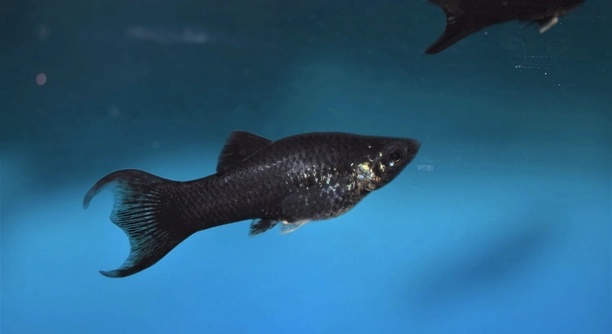
Keeping Black Molly fish can be rewarding, but their sometimes aggressive behavior can catch new owners off guard. These small, dark-colored fish add beauty to aquariums but require understanding and patience to manage properly.
Aggressive behavior in Black Mollies is often linked to territory disputes, overcrowding, and stress. Providing adequate space, consistent water conditions, and compatible tank mates helps minimize conflicts, ensuring a stable environment where the fish can coexist peacefully.
Learning to read their signals and adjusting the tank setup can make a noticeable difference. Simple changes often lead to calmer, healthier fish that thrive in their home environment.
Understanding Black Molly Behavior
Black Mollies are naturally active and sometimes territorial fish. Males, in particular, can show aggression to defend their space or compete for females. Overcrowding a tank increases stress, which can lead to chasing, nipping, or fin damage. Observing their interactions regularly helps identify patterns early, allowing adjustments before fights escalate. Tank decorations, plants, and hiding spots create boundaries, giving each fish a place to retreat. Feeding routines also influence behavior, as hunger can make Mollies more competitive. Sudden changes in water temperature or quality may trigger stress responses, causing temporary aggression even in peaceful fish. Mollies thrive in well-maintained tanks with consistent water parameters. Keeping a balanced male-to-female ratio and introducing new fish gradually can prevent sudden outbreaks. Understanding their natural instincts is key to maintaining harmony. Daily observation, combined with proper tank care, ensures these fish remain healthy, active, and less prone to aggression, making them easier to manage in a community setting.
Aggression is often reduced simply by adjusting the tank environment and monitoring fish interactions.
Regular water testing, careful feeding, and maintaining proper space prevent most behavioral issues in Black Mollies.
Tank Setup Tips
Proper tank setup can reduce conflicts significantly. Providing hiding spots, adequate swimming space, and proper filtration keeps Mollies calm and healthy.
A spacious tank with plants, rocks, and decorations encourages natural behavior. Fish can retreat when stressed, reducing chasing and fin nipping. Filtration ensures water stays clean, limiting stress from poor conditions. Temperature and pH stability are crucial. Adding a few floating plants can diffuse light and give fish more security. Regular maintenance keeps the tank environment stable, which Mollies respond to positively. Adjusting decor or rearranging the tank occasionally prevents territorial disputes over fixed spaces. Careful planning when introducing new fish reduces aggressive encounters. Observing behavior daily helps identify tension early. Combining proper space, hiding areas, and stable conditions creates a peaceful environment where Black Mollies can thrive and interact naturally. A well-organized tank is the first step to minimizing aggressive behavior effectively and maintaining long-term fish health.
Feeding Strategies
Feeding Black Mollies on a regular schedule reduces competition and aggression. Overfeeding or underfeeding can trigger fights among tank mates.
Offering small, frequent meals keeps fish satisfied and less likely to chase each other. A balanced diet of flakes, pellets, and occasional live or frozen food provides proper nutrition. Observing which fish eat first helps prevent weaker fish from being bullied. Rotating food types adds variety and encourages healthy growth. Avoid leaving uneaten food in the tank, as it can foul the water and increase stress. Consistent feeding routines create a calmer environment where aggressive incidents are less common, helping Mollies coexist peacefully.
Separate feeding spots or distributing food in different areas can prevent dominant fish from monopolizing meals. Feeding in multiple locations encourages all fish to eat safely.
Maintaining proper diet and portion control directly influences behavior. Mollies are less territorial when their nutritional needs are met, reducing chasing, nipping, and stress-related aggression in community tanks.
Managing Aggressive Individuals
Isolating overly aggressive Black Mollies can protect other fish from harm. Quarantine tanks are useful for temporary separation.
Identifying aggressive fish early allows you to intervene before injuries occur. Aggressive individuals may constantly chase or nip fins, targeting weaker or smaller tank mates. Removing the offender temporarily or permanently gives the rest of the fish a chance to calm down and restore balance. Keeping an eye on interactions during feeding, play, and swimming patterns helps recognize problem behaviors quickly. Aggressive behavior often peaks during breeding or territorial disputes, so close observation during these periods is essential. Providing hiding spots and rearranging tank décor can reduce dominance displays. Balancing male-to-female ratios also prevents excessive aggression. Prompt action prevents stress-related illness and fin damage, ensuring a safer tank environment for all inhabitants.
Careful monitoring combined with minor environmental adjustments often reduces long-term aggression. Removing or separating a single fish when necessary maintains overall tank harmony and health, ensuring the community thrives without repeated conflicts.
Water Quality Maintenance
Stable water conditions are crucial to reduce aggression in Black Mollies. Frequent fluctuations increase stress, causing territorial disputes and chasing.
Regular water changes, proper filtration, and testing for ammonia, nitrite, and nitrate levels help maintain a healthy environment. Clean, stable water keeps fish calm and less likely to fight.
Tank Size Considerations
Providing enough space for Black Mollies helps minimize aggressive encounters. Overcrowded tanks lead to constant chasing and stress. A larger tank allows each fish to establish its own territory. Proper space, combined with hiding spots and decorations, creates a calmer environment where Mollies can interact without constant conflict.
Compatible Tank Mates
Choosing compatible species is key. Peaceful fish reduce stress and prevent escalation of aggression.
Mollies thrive with other livebearers or gentle fish that share similar water requirements. Avoid highly territorial or fin-nipping species. Observing interactions after introducing new fish ensures harmony. Gradual introductions reduce stress and aggressive behavior.
What causes Black Mollies to be aggressive?
Aggression in Black Mollies is usually linked to territorial behavior, stress, or competition for food and mates. Males are naturally more dominant and may chase other males or smaller fish. Overcrowding, sudden changes in water quality, or a lack of hiding spots can increase tension and trigger aggressive displays. Even in well-maintained tanks, minor disputes can occur if one fish feels its space is threatened. Understanding these triggers helps you create a calmer environment and prevent injuries.
How can I tell if my Black Molly is being aggressive?
Signs of aggression include chasing other fish, nipping fins, and guarding certain areas of the tank. The aggressive fish may constantly swim after a particular tank mate or block access to hiding spots or food. Fin damage on other fish is a strong indicator. Observing your Mollies during feeding or when new fish are introduced can help identify aggressive behavior early. Recognizing these signs allows you to intervene before stress or injuries escalate.
Can tank size influence aggression?
Yes, smaller tanks often cause more aggression because fish feel crowded. Black Mollies need space to swim freely and establish territories. A larger tank reduces competition and provides room for hiding, helping fish coexist peacefully. For community setups, 20 gallons is usually the minimum, with more space for additional fish. Adding plants, rocks, or decorations further divides the space and allows fish to retreat from each other, reducing conflicts naturally.
Does diet affect aggressive behavior?
Feeding habits play a role in aggression. Uneven distribution of food or overfeeding can trigger fights among fish competing for meals. Providing small, frequent portions in multiple areas ensures all fish eat without being bullied. A balanced diet with flakes, pellets, and occasional live or frozen foods keeps fish healthy and less likely to display stress-related aggression. Observing which fish get enough food helps prevent weaker fish from being chased or injured.
How do I manage aggressive individuals?
Temporarily isolating aggressive fish can protect other tank mates. Quarantine or separate tanks are useful for short-term removal. Adjusting decorations, adding plants, or rearranging the tank can reduce territorial disputes. Balancing male-to-female ratios also helps. If aggression continues despite these measures, permanent relocation may be necessary to maintain harmony and safety for all fish in the aquarium.
Can water quality impact aggression?
Poor water conditions increase stress, making Black Mollies more prone to aggressive behavior. Fluctuations in temperature, pH, ammonia, nitrite, or nitrate levels can trigger chasing or fin nipping. Regular water testing, consistent maintenance, and proper filtration are essential. Stable, clean water promotes calmer behavior, helping fish interact peacefully and reducing the likelihood of injuries from fights.
Are there compatible tank mates for Black Mollies?
Peaceful fish that share similar water requirements work best with Black Mollies. Other livebearers like Platies or Guppies, as well as non-aggressive species, can coexist without increasing stress. Avoid territorial or fin-nipping species, which can provoke aggression. Introducing new fish gradually and observing interactions ensures harmony. Properly selected tank mates help maintain a balanced environment where Mollies are less likely to fight.
Do hiding spots really help?
Yes, hiding spots reduce aggression by giving fish places to retreat. Plants, rocks, and decorations create territories and allow less dominant fish to avoid constant chasing. Rearranging the tank occasionally also helps prevent dominance disputes over fixed areas. Hiding places give fish security, which lowers stress and minimizes aggressive incidents, making the tank a calmer space for all inhabitants.
How do I prevent aggression long-term?
Maintaining consistent water quality, providing adequate space, offering proper nutrition, and choosing compatible tank mates are key steps. Regular observation and timely interventions, like rearranging decorations or temporarily isolating aggressive fish, help sustain harmony. Balancing male-to-female ratios and minimizing overcrowding also prevents long-term behavioral problems. A stable environment ensures Mollies remain healthy, active, and less likely to display repeated aggression, creating a peaceful and enjoyable aquarium.
What should I do if aggression persists?
If all preventive measures fail, separating the aggressive fish permanently may be necessary. Aggression that causes injuries or chronic stress cannot always be resolved through tank adjustments alone. Monitoring behavior closely and acting quickly protects weaker fish and preserves overall tank health. Sometimes moving a single dominant fish to its own tank is the simplest solution for long-term peace.
This FAQ covers the most common concerns about managing aggressive Black Mollies and provides actionable steps to reduce stress, protect tank mates, and maintain a healthy aquarium environment.
Black Mollies are lively and interesting fish that can add a lot of activity to an aquarium. Their small size and dark, shiny appearance make them visually appealing, but their behavior can sometimes be a challenge for owners. Aggression is a natural part of their instincts, especially among males or in situations where the tank is crowded or lacks hiding spaces. Understanding their needs and natural tendencies is key to creating an environment where they can thrive without causing harm to each other. By paying attention to water quality, diet, and tank layout, it is possible to minimize conflicts and maintain a peaceful community tank. Regular observation allows you to notice early signs of stress or aggression, giving you the chance to make adjustments before any serious issues occur. Simple changes, like rearranging decorations or adding plants, often help Mollies feel more secure and reduce chasing or fin-nipping behavior.
Proper tank setup is one of the most important factors in managing aggressive behavior. A spacious tank with plenty of swimming room and defined territories helps fish feel more comfortable. Adding decorations, plants, and hiding spots can give less dominant fish a safe space to retreat, which in turn lowers stress and tension. Maintaining stable water conditions is also critical. Fluctuations in temperature, pH, or ammonia levels can trigger stress, making fish more likely to act aggressively. Feeding routines play a role as well. Providing small meals in multiple areas ensures that no single fish monopolizes food and prevents unnecessary competition. Choosing compatible tank mates further supports a peaceful environment. Non-aggressive fish that share similar water requirements can coexist with Black Mollies without causing additional stress. Paying attention to these details helps create a balanced and healthy aquarium where aggression is minimized.
Even with careful planning, some individual Mollies may still display aggressive behavior. Identifying and addressing these individuals early is important for the overall well-being of the tank. Temporary isolation, rearranging decorations, or adjusting male-to-female ratios can help reduce dominant behavior. In cases where aggression persists, permanent separation may be necessary to protect other fish. The effort put into understanding and managing their behavior ultimately leads to a more enjoyable aquarium experience. With proper care, Black Mollies can live harmoniously with other fish, exhibiting natural activity without constant conflict. Consistency, observation, and thoughtful adjustments allow owners to support their fish’s health and reduce stress, making the tank a calm and thriving environment for all its inhabitants.

Hello,
If you enjoy the content that we create, please consider saying a "Thank You!" by leaving a tip.
Every little bit helps us continue crafting quality advice that supports the health, happiness, and well-being of pets around the world, for pets of all shapes, sizes, and species.
We really appreciate the kindness and support that you show us!