
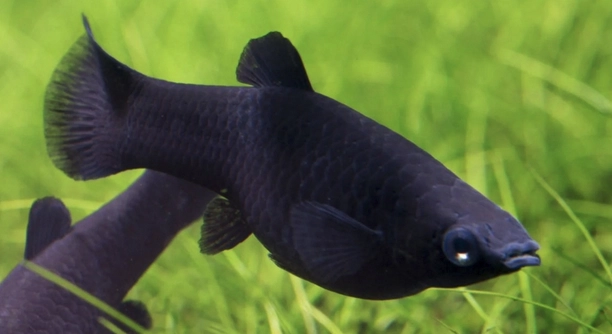
Is your black molly moving with small, quick shakes that catch your attention? Many fish owners notice this subtle behavior and feel concerned. Understanding what causes this shaking can help keep your pet healthy and comfortable.
Slight shaking in black mollies is often caused by stress, water quality issues, or minor illnesses. Poor water parameters, sudden temperature changes, or infections can trigger trembling. Observing your fish closely and maintaining optimal tank conditions can prevent complications.
Learning what triggers this behavior will help you create a calmer environment. Proper care and awareness ensure your molly stays healthy and enjoys a comfortable, stable habitat.
Common Causes of Shaking in Black Mollies
Shaking in black mollies usually comes from environmental stress or health issues. Poor water quality, like high ammonia or nitrite levels, can irritate their gills and muscles, making them tremble. Sudden temperature changes also affect their metabolism and behavior. Overcrowding can create stress, leading to shaking as fish compete for space or oxygen. Sometimes, diet plays a role; a lack of nutrients can weaken their body and cause minor tremors. Parasites or bacterial infections may also be involved. Observing your molly’s movement, appetite, and interaction with other fish can help identify the problem. Proper tank maintenance, including regular water testing and partial water changes, often resolves these issues. It’s also important to provide hiding spots and keep the tank stable. Paying attention to these details improves your fish’s health and reduces shaking over time, giving your black molly a calmer, safer environment.
Regular monitoring and a balanced diet significantly reduce shaking in black mollies.
Understanding water quality, nutrition, and stress factors allows you to prevent most common causes of trembling, keeping your fish active and healthy for longer periods.
How to Address Shaking Effectively
Immediate steps include checking water parameters and adjusting temperature if needed. Stress reduction through proper tank arrangement is essential.
Addressing shaking requires a systematic approach. Begin by testing water for ammonia, nitrite, nitrate, and pH levels. Sudden shifts in temperature can shock black mollies, so maintaining a consistent range is critical. Provide hiding spots and avoid overcrowding to minimize stress. Feeding a varied, nutrient-rich diet strengthens their immune system and can reduce minor tremors. If shaking persists, examine your fish for external signs of infection or parasites, such as spots, swelling, or abnormal behavior. Isolating affected fish in a quarantine tank may prevent spreading illnesses. Sometimes, a veterinarian’s guidance is needed for proper treatment. Maintaining a clean tank with regular water changes and avoiding sudden environmental changes helps prevent future shaking. Following these steps ensures your black molly remains healthy, active, and less prone to trembling caused by preventable factors.
Stress and Tank Conditions
Stress in black mollies often comes from sudden changes in water conditions or aggressive tank mates. High noise levels near the tank or constant tapping can make them nervous.
Keeping a stable environment helps reduce stress. Maintain consistent water temperature, avoid rapid pH shifts, and limit overcrowding. Adding plants or decorations gives your molly hiding spots, which help them feel secure. Observing interactions between fish is important, as bullying or chasing can increase trembling. Frequent water changes and careful feeding routines also support a calmer tank. Paying attention to these factors can significantly reduce stress-induced shaking in black mollies, keeping them healthier and more active over time.
Monitoring your fish daily lets you spot early stress signs. Small adjustments, like rearranging tank decorations or reducing noise, can make a noticeable difference in their behavior.
Regularly checking water parameters and ensuring proper filtration strengthens your molly’s immune system. Avoid overfeeding, which can cause waste buildup and poor water quality. Introducing new fish gradually helps them acclimate without sudden stress. Keeping the tank environment stable and predictable is key, as black mollies thrive when their habitat feels secure. Observing their daily behavior allows you to respond quickly to any stress signs, preventing shaking from worsening. Consistent care ensures your molly remains healthy and active, minimizing stress-related tremors.
Nutritional Considerations
A balanced diet impacts a black molly’s health and can prevent shaking. Poor nutrition weakens muscles and immunity.
Feed high-quality flakes, pellets, or frozen foods to provide essential nutrients. Include vegetables occasionally, like blanched spinach or zucchini. Avoid overfeeding, which can harm water quality and fish health.
Proper nutrition strengthens their muscles and immune system, reducing trembling. Black mollies require protein for energy, vitamins for growth, and fiber for digestion. Inadequate diets can make them more vulnerable to infections or stress-related shaking. Rotating food types ensures a variety of nutrients and keeps them interested in eating. Observing how they respond to diet changes helps identify deficiencies. Combined with clean water and proper tank conditions, good nutrition significantly improves their overall well-being. Consistent feeding routines prevent sudden hunger or stress, promoting steady energy levels and a calmer, healthier fish.
Water Temperature
Black mollies are sensitive to sudden changes in water temperature. Too cold or too hot water can cause shaking and stress.
Maintaining a stable temperature between 75°F and 82°F helps your molly stay calm and healthy. Using a reliable heater and thermometer ensures consistent conditions.
Signs of Illness
Shaking can indicate an underlying illness such as bacterial infections or parasites. Look for clamped fins, discoloration, or lethargy, which often accompany trembling. Early detection improves treatment success.
Quarantine and Treatment
If shaking persists, isolating the affected fish in a quarantine tank helps prevent spreading disease. Use clean water, monitor behavior, and consider medication if necessary. Prompt action protects both your black molly and other tank inhabitants.
Observation Tips
Watch your molly’s behavior daily. Subtle changes in movement, appetite, or interactions can reveal early problems before they worsen.
FAQ
Why is my black molly shaking even though the water looks fine?
Even if the water appears clear, it can still contain high ammonia, nitrite, or nitrate levels that irritate your fish. Subtle changes in temperature, pH, or oxygen levels may stress them. Observing behavior, checking water parameters regularly, and maintaining filtration can help stabilize their environment.
Can shaking be a sign of disease?
Yes. Bacterial infections, parasites, or fungal growth can cause trembling. Other symptoms may include clamped fins, faded colors, or reduced appetite. Early detection and treatment in a separate tank improve recovery chances and prevent spreading to other fish.
Does diet affect shaking?
Poor nutrition weakens your molly’s muscles and immune system, making them more prone to tremors. Feed a balanced diet with high-quality flakes, pellets, or frozen foods, supplemented with occasional vegetables. Avoid overfeeding, as waste buildup harms water quality and fish health.
Is shaking related to stress?
Stress is a major factor in trembling. Overcrowding, aggressive tank mates, loud noises, sudden movement, or lack of hiding spots can all contribute. Reducing stressors, rearranging the tank, and providing plants or decorations for shelter helps your molly feel secure.
Should I adjust the water temperature if my molly is shaking?
Yes. Black mollies thrive between 75°F and 82°F. Sudden changes outside this range can trigger shaking. Use a reliable heater and thermometer, make gradual adjustments if needed, and avoid placing the tank in direct sunlight or drafty areas.
How long does it take for shaking to stop?
The time depends on the cause. Stress or minor water issues may resolve within hours to days once corrected. Illness-related shaking can take longer and may require medication. Monitoring your fish closely ensures timely action if symptoms persist.
Can I treat shaking at home?
Some causes, like stress, diet, or water quality, can be managed at home. Isolate the fish if illness is suspected and follow proper treatment procedures. Always research medications and dosages carefully to avoid harming your molly or tank ecosystem.
Do black mollies shake more when they are young?
Juvenile black mollies may tremble slightly as they adjust to their environment or when they are more active. This is usually temporary. Maintaining stable water conditions and feeding a balanced diet supports healthy growth and reduces shaking over time.
Is shaking dangerous for black mollies?
Occasional slight shaking is not immediately dangerous but can indicate underlying issues. Persistent trembling may signal stress, poor water conditions, or illness. Addressing the cause promptly ensures your fish stays healthy and avoids long-term complications.
Can shaking affect other fish in the tank?
Yes. Shaking caused by disease or parasites can spread if the affected fish remains with others. Stress in one fish may also disturb tankmates. Quarantining sick fish and monitoring interactions help protect the rest of your aquarium.
How often should I check my tank to prevent shaking?
Regular observation is important. Daily monitoring of behavior, appetite, and activity helps detect early issues. Weekly testing of water parameters, combined with regular cleaning and water changes, keeps conditions stable and reduces the likelihood of trembling.
Are there specific signs that shaking is serious?
Yes. Persistent shaking combined with loss of appetite, rapid breathing, spots, or lesions signals a serious problem. Immediate action, such as isolating the fish and consulting treatment options, increases the chance of recovery.
Can tank size influence shaking?
Small or overcrowded tanks increase stress, leading to trembling. Black mollies need adequate space to swim freely. Ensuring proper stocking density and providing hiding spots improves comfort and reduces stress-related shaking.
Does water movement matter?
Yes. Strong currents can exhaust mollies and trigger trembling. Gentle filtration and moderate water flow allow them to swim comfortably without constant struggle. Adjusting flow helps maintain calm behavior.
Can I prevent shaking entirely?
While some minor tremors may naturally occur, most shaking can be prevented through stable water conditions, proper diet, adequate tank size, stress reduction, and regular monitoring. Proactive care ensures your black molly stays healthy and active.
What should I do if shaking continues despite all care?
Persistent shaking may require professional advice. Consult an aquatic veterinarian for proper diagnosis and treatment. Sometimes, underlying health issues need specialized medication or care beyond standard tank management. Acting promptly improves recovery chances and protects your fish.
This FAQ provides detailed guidance to identify, address, and prevent shaking in black mollies, covering environmental, dietary, and health-related factors. Regular observation, proper care, and timely intervention are key to maintaining a healthy, calm aquarium.
Black mollies are delicate fish that rely heavily on their environment, diet, and care routines to stay healthy. Shaking, while sometimes subtle, is often a signal that something is off in their tank or with their health. Paying attention to these small tremors can make a big difference in their well-being. Consistently monitoring water parameters, like temperature, pH, ammonia, nitrite, and nitrate levels, is one of the simplest ways to prevent stress and illness. Even small fluctuations in temperature or water chemistry can upset your molly, so keeping conditions stable is key. Providing a clean, properly filtered tank ensures that your fish have a safe and comfortable space to swim.
Nutrition also plays a major role in reducing shaking and maintaining overall health. Black mollies require a balanced diet with sufficient protein, vitamins, and fiber. Feeding a mix of high-quality flakes, pellets, frozen foods, and occasional vegetables supports strong muscles and a healthy immune system. Overfeeding can create waste buildup, which harms water quality and leads to stress. Feeding smaller amounts more frequently and removing uneaten food prevents this issue. Observing your fish’s eating habits can help identify deficiencies or health problems early. A well-fed molly is more active, less prone to trembling, and better able to resist disease.
Stress management and observation are equally important in keeping your black molly healthy. Overcrowding, aggressive tank mates, sudden loud noises, and a lack of hiding spots can all contribute to shaking. Providing plants or decorations for shelter allows your fish to feel secure and reduces unnecessary stress. Daily observation helps detect early signs of trouble, such as unusual movement, loss of appetite, or changes in color. If shaking persists despite proper care, isolating the affected fish and consulting treatment options can prevent serious issues. By maintaining stable water conditions, a nutritious diet, and a calm environment, your black molly is much more likely to thrive and live a healthy, active life. Regular attention and care ensure that shaking becomes an uncommon issue rather than a persistent problem.

Hello,
If you enjoy the content that we create, please consider saying a "Thank You!" by leaving a tip.
Every little bit helps us continue crafting quality advice that supports the health, happiness, and well-being of pets around the world, for pets of all shapes, sizes, and species.
We really appreciate the kindness and support that you show us!