
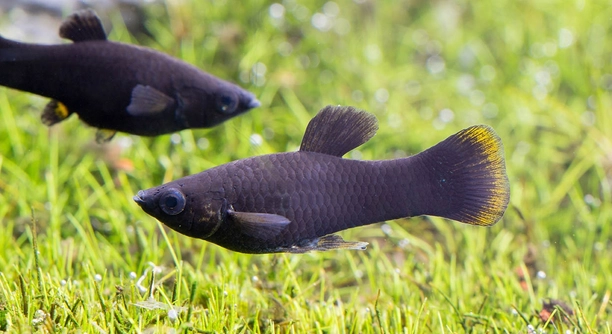
Keeping a Black Molly can be a rewarding experience, but it comes with responsibilities to ensure its well-being. Observing its behavior, appearance, and environment helps in maintaining a healthy and thriving fish in your care.
A healthy Black Molly displays smooth, intact fins, clear eyes, consistent swimming patterns, and proper coloration. Monitoring feeding habits, water quality, and social interactions are essential indicators for assessing its overall physical and behavioral health reliably.
Recognizing these signs early can prevent potential health problems. Knowing what to look for ensures your Black Molly enjoys a long, vibrant life.
Observing Swimming Patterns
Black Mollies are active swimmers that explore their tank regularly. Healthy fish maintain steady, fluid movements without sudden jerks or prolonged periods of inactivity. Erratic swimming, floating at the surface, or hiding excessively can indicate stress, illness, or water quality issues.
Regular observation of your fish’s movement is important. Consistent swimming shows comfort and proper health.
Swimming behavior also reflects environmental conditions. Water temperature, pH levels, and cleanliness directly affect their activity. Black Mollies prefer slightly alkaline water and temperatures between 24–28°C. Too cold or acidic water can slow movement and increase susceptibility to infections. Social interaction plays a role as well; Mollies thrive in small groups, and solitary fish may behave differently. Sudden changes in behavior often signal problems with diet, tank mates, or water conditions. Ensuring ample space, hiding spots, and balanced nutrition encourages healthy movement and reduces stress. Monitoring their daily activity allows you to detect problems early and address them promptly, promoting a stable and supportive habitat. Observing subtle signs like fin clamping or tail flicking can also provide insights into their comfort level.
Checking Fin and Scale Health
Healthy Black Mollies have smooth, intact fins and scales. Damage or discoloration can indicate illness or poor water conditions.
Regular inspections prevent minor issues from worsening.
Fins and scales are protective features and reflect overall well-being. Torn fins, white spots, or frayed edges often result from poor water quality, aggressive tank mates, or bacterial infections. Scales that appear dull, raised, or discolored can suggest stress or nutrient deficiencies. Maintaining clean, stable water and feeding a varied diet rich in vitamins supports scale and fin integrity. It is also important to monitor interactions between fish, as nipping or fighting can damage fins. Promptly isolating affected fish and treating infections when necessary helps prevent complications. A strong, vibrant appearance indicates your Black Molly is thriving in its environment. Regular attention to these details keeps your fish healthy, reduces disease risks, and enhances its natural beauty. Observing these physical indicators provides a clear picture of how your fish is coping with its surroundings.
Monitoring Appetite
A healthy Black Molly eats consistently and shows interest in food. Sudden changes in appetite can indicate illness or stress in the tank environment.
Feeding habits reveal much about overall health. Black Mollies should accept a variety of foods, including flake, frozen, and live options. A fish that refuses food for more than a day may be experiencing internal issues, water problems, or social stress. Observing how they eat, whether they compete or avoid feeding times, provides insights into both their physical and mental state. Keeping track of portion sizes ensures they do not overeat, which can lead to water contamination and digestive issues. Consistency in feeding schedules also helps regulate their metabolism and encourages normal activity.
Appetite can also be influenced by tank conditions. Poor water quality, temperature fluctuations, or aggressive tank mates can reduce feeding interest. Ensuring a clean environment, proper diet, and compatible companions supports healthy eating habits. Fish that feed regularly and finish meals efficiently are more likely to maintain vibrant coloration, strong immune systems, and active swimming behaviors. Tracking these habits daily allows for quick intervention if problems arise, keeping your Black Molly in optimal condition.
Watching Color Changes
Consistent coloration is a strong indicator of a Black Molly’s health. Sudden fading or unusual patterns can signal stress or disease.
Changes in water quality or nutrition often affect color.
Black Mollies naturally have deep, uniform black coloration when healthy. Fading, pale patches, or blotches can result from poor diet, low water quality, or parasites. Providing a balanced diet with vitamins and carotenoids helps maintain vibrant color. Water conditions such as pH, hardness, and temperature also play a significant role; fluctuations can weaken pigmentation and indicate a stressful environment. Social dynamics impact color too, as dominant or aggressive tank mates may cause submissive fish to pale temporarily. Monitoring daily ensures early detection of issues, allowing for corrective action. Proper lighting enhances natural coloration, and consistent observation helps you notice subtle changes. Maintaining stable conditions, adequate nutrition, and attention to tank dynamics ensures your Black Molly retains healthy, strong coloration over time.
Checking Breathing
Healthy Black Mollies breathe evenly and calmly. Rapid gill movement or gasping at the surface can indicate low oxygen or poor water quality.
Regular observation of breathing patterns helps detect early signs of stress. Consistent, steady breathing shows comfort and proper tank conditions.
Observing Social Behavior
Black Mollies are social fish that interact with tank mates. Healthy fish swim in groups, chase food together, and display normal social hierarchy without aggression. Changes in social behavior, such as isolation or constant hiding, often signal illness, stress, or incompatibility within the tank.
Monitoring Growth
Consistent growth over time is a key health indicator. Sudden stunting or bloating may point to dietary or environmental problems.
FAQ
How often should I check my Black Molly’s health?
Daily observation is ideal. Checking swimming patterns, fins, scales, and appetite ensures you notice subtle changes early. Short, consistent checks take only a few minutes but help prevent serious health problems from developing unnoticed.
What signs indicate water quality issues?
Cloudy water, strong odors, rapid breathing, and unusual swimming patterns often indicate poor water conditions. Monitoring pH, ammonia, nitrite, and nitrate levels regularly helps maintain a safe environment. Frequent partial water changes also support consistent water quality and overall fish health.
How can I tell if my Molly is stressed?
Stress may show as hiding, clamped fins, loss of color, or reduced appetite. Causes include overcrowding, aggressive tank mates, sudden temperature changes, or inadequate hiding spots. Observing behavior and adjusting tank conditions helps reduce stress and keeps fish healthy.
What is a healthy feeding routine?
Feed Black Mollies small amounts two to three times a day. Provide varied foods, including flakes, frozen, and occasional live options. Avoid overfeeding, as leftover food can pollute the tank. A consistent routine supports digestion, growth, and overall vitality.
How do I identify illness early?
Look for torn fins, faded scales, bloating, erratic swimming, or gasping. Early detection allows treatment before conditions worsen. Quarantine new fish and maintain clean water to prevent the spread of disease. Observing daily helps spot minor issues quickly.
Can social behavior affect health?
Yes. Black Mollies are social and thrive in small groups. Isolation or aggression may cause stress, reduce appetite, or weaken the immune system. Provide compatible tank mates and space for normal interaction to support both physical and mental health.
Does water temperature matter?
Consistent temperatures between 24–28°C keep Black Mollies active and healthy. Sudden drops or rises can slow metabolism, reduce appetite, and increase susceptibility to disease. Using a heater and thermometer ensures stable conditions.
How important is tank size?
Adequate space prevents stress and promotes healthy swimming. Overcrowded tanks can lead to aggression, stunted growth, and poor water quality. A 20-gallon tank for a small group provides enough room for exercise and social interaction.
What role does diet play in coloration?
A balanced diet rich in vitamins and carotenoids enhances natural black coloration. Poor nutrition can cause fading and dull scales. Including vegetables and occasional protein sources supports vibrant color and overall health.
Should I quarantine new fish?
Yes. Quarantining for at least two weeks prevents introducing disease or parasites into the main tank. Observing their behavior and appearance during this period ensures new fish are healthy before joining the established group.
How do I handle fin damage?
Isolate affected fish if aggressive tank mates are the cause. Maintain clean water and consider antibacterial treatments for torn or frayed fins. Healthy fins recover faster in a stable, low-stress environment with proper nutrition.
What are the common parasites or infections?
White spots, red streaks, or fungus-like growths indicate potential infection. Early treatment with appropriate medication and maintaining clean, stable water prevents widespread illness. Observing behavior alongside visual symptoms helps identify problems sooner.
How often should I perform water changes?
Weekly partial water changes of 20–30% maintain stable water chemistry. More frequent changes may be necessary in heavily stocked tanks. Regular maintenance reduces toxins, supports oxygenation, and encourages healthy fish behavior.
Can stress affect breeding?
Yes. Stressed fish may not breed or may produce fewer viable fry. Ensuring proper tank conditions, adequate space, and minimal aggression encourages normal reproductive behavior and increases the chances of healthy offspring.
How can I tell if a Black Molly is aging well?
Consistent activity, steady growth, vibrant coloration, and normal appetite indicate healthy aging. Gradual changes may occur, but sudden declines often signal environmental or health issues requiring attention. Tracking these patterns helps maintain long-term well-being.
What are early signs of bloating or digestive issues?
A swollen abdomen, reduced appetite, or lethargy may indicate digestive problems or internal parasites. Adjusting diet, feeding smaller portions, and monitoring water quality can help alleviate these issues and restore normal function.
How important is observation compared to testing water parameters?
Both are crucial. Observation reveals behavioral changes, appetite, and physical signs, while testing ensures water chemistry remains safe. Combining these approaches gives a comprehensive understanding of your Black Molly’s health.
Can lighting affect Black Molly health?
Yes. Proper lighting supports natural coloration and regulates activity. Too little light may reduce visibility and appetite, while excessive light can stress fish. Aim for a balanced day-night cycle to mimic natural conditions.
Is it normal for Mollies to change color temporarily?
Minor temporary changes can occur due to stress, breeding, or lighting. Persistent fading or blotching usually indicates a health or environmental issue requiring attention. Regular observation ensures changes are monitored and addressed promptly.
How can I prevent common health problems?
Maintain clean water, provide a balanced diet, ensure proper tank size, monitor social interactions, and observe behavior daily. Consistent care, early detection of issues, and preventive measures reduce risks and support a thriving Black Molly population.
Caring for a Black Molly requires consistent attention and observation to ensure its health and well-being. These fish rely on clean water, a balanced diet, and a stable environment to thrive. Regularly checking water quality, including temperature, pH, ammonia, nitrite, and nitrate levels, is essential to prevent stress and illness. Providing proper filtration, routine water changes, and a suitable tank size supports their natural behaviors and swimming activity. A balanced diet that includes flakes, frozen foods, and occasional live options ensures they receive necessary nutrients for growth, coloration, and overall vitality. Monitoring daily behaviors, such as swimming patterns, appetite, and interactions with tank mates, allows early detection of any issues before they become serious. Paying attention to these factors consistently helps maintain a healthy, active, and visually vibrant fish.
Observing physical indicators is also crucial. Healthy Black Mollies display smooth, intact fins, uniform coloration, and clear eyes. Any changes in these features, such as frayed fins, fading color, or raised scales, can indicate stress, disease, or poor water conditions. Regular inspection of your fish’s appearance can help identify problems early, allowing corrective measures like dietary adjustments, water treatments, or isolation of affected fish. Behavioral changes, including hiding, rapid gill movement, or lack of appetite, may also signal underlying health concerns. Understanding the natural behavior and physical signs of a Black Molly helps you respond appropriately to maintain their health. Providing hiding spots, maintaining compatible tank mates, and avoiding overcrowding are simple yet effective ways to reduce stress and encourage normal behavior, contributing to long-term well-being.
Finally, a proactive approach is the key to keeping Black Mollies healthy. Routine care, attention to environment, and monitoring of both physical and behavioral signs can prevent most common health problems. Early intervention when noticing any abnormalities ensures that minor issues do not escalate into serious conditions. Quarantining new fish, observing social behavior, and maintaining a stable, clean tank environment all contribute to a thriving aquatic habitat. Investing time in understanding your fish’s needs and responding to changes promptly promotes a longer, healthier life. By keeping up with these practices consistently, you can enjoy watching your Black Mollies remain active, vibrant, and healthy in a well-maintained tank for years to come.

Hello,
If you enjoy the content that we create, please consider saying a "Thank You!" by leaving a tip.
Every little bit helps us continue crafting quality advice that supports the health, happiness, and well-being of pets around the world, for pets of all shapes, sizes, and species.
We really appreciate the kindness and support that you show us!