
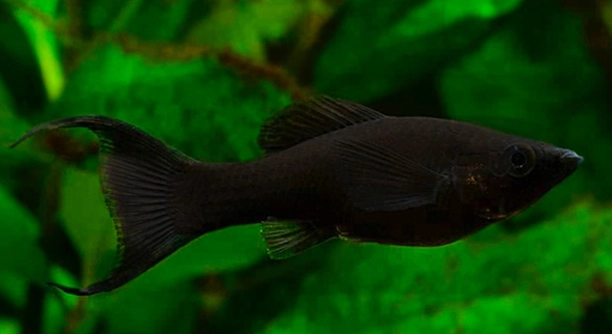
Have you ever kept black mollies and wondered how their fry develop alongside adults in the same tank? Many beginners feel unsure about this setup while hoping to maintain an environment where fish can thrive.
Keeping black molly fry with adults is possible when the tank offers ample hiding spaces and stable water conditions. Dense plants, gentle filtration, and minimal stress help fry survive without separation, although survival rates may vary depending on tank size.
Learning how adults and fry share a space can help you build a smoother aquarium routine that supports steady growth.
Understanding Black Molly Fry Behavior
Black molly fry behave differently from adults, and it helps to understand their needs when you keep them together in one tank. They rely on plants, decorations, and quiet corners to avoid stress. When the tank feels safe, fry spend more time exploring and feeding instead of hiding all day. Stable water conditions support their growth, so gentle filtration and regular maintenance play a big role. I often notice that fry stay closer to shaded areas where they feel less exposed. Offering small, frequent meals encourages steady development without overwhelming the tank. The adults usually stay busy with their own routines, and this gives fry a chance to settle in. As long as the tank remains calm and spacious, the fry slowly gain confidence. This setup helps young mollies grow well and stay steady day.
Fry survival improves when the tank layout supports calm movement and provides enough space for both young and adult fish. Consistent feeding, gentle water flow, and reliable filtration encourage stable development without overwhelming the fry. These simple steps create a balance that allows the fry to adapt and grow confidently.
When adults and fry share the same tank, the overall environment needs steady care. Regular water changes help maintain clarity, and gentle aeration keeps oxygen levels comfortable for all fish. I find that adding live plants creates natural barriers that reduce stress across the tank. Adults tend to explore open spaces, while fry remain near sheltered areas. This separation happens naturally when the tank has enough structure. Small, frequent feedings prevent leftovers from polluting the water. With these steps, the tank stays orderly, and both adults and fry remain healthy. These habits support growth and help the aquarium remain stable.
Setting Up a Supportive Tank Environment
A stable environment makes a shared tank safer for both adults and fry. Strong filtration, steady temperatures, and thoughtful placement of plants create natural protection. These elements reduce stress and keep the aquarium predictable for young fish. With the right structure, fry can grow steadily while adults move around them.
Creating a supportive tank layout starts with understanding how adults and fry use space. Adults often explore wide, open zones, so placing these areas toward the front of the tank keeps their movement easy to observe. Fry prefer sheltered places such as dense plants, rocky structures, and shaded corners. Adding these features gives fry a natural shield that lowers their stress. Stable temperatures and clean water are essential, and regular maintenance ensures that both groups remain comfortable. I like using gentle filters that keep water moving without pulling small fry toward the intake. Feeding should stay consistent, offering small amounts several times a day to avoid excess waste. Live plants also help absorb nutrients, keeping the water balanced. When the tank feels calm, fry come out more often and start showing strong growth patterns. Adults usually adjust well to these conditions, creating a peaceful rhythm in the aquarium. This setup allows fry to develop steadily without the need for constant separation. Maintaining a gentle lighting schedule also supports healthy behavior by preventing sudden changes that might startle the fish. Over time, the entire tank develops a steady rhythm that encourages fry to explore boldly and adults to remain relaxed, calm.
Feeding Practices That Support Fry Survival
Feeding both adults and fry in the same tank requires steady habits that prevent leftover waste. Small meals help keep the water clean and give fry a fair chance to eat. Consistent feeding keeps stress low and supports healthy growth without overwhelming the tank environment.
Feeding fry alongside adults works best when food sinks slowly and spreads across the tank. This gives fry time to find small particles without competing directly with larger fish. I like using crushed flakes or powdered foods because they move gently through the water and settle into sheltered areas where fry feel safest. Adults stay focused on larger pieces, which leaves the fry with enough access. Maintaining a steady feeding schedule prevents overeating and helps the tank stay balanced. The key is offering enough nutrition while keeping the water clear and calm.
Keeping the tank orderly during feeding also protects fry from sudden stress. Feeding small amounts several times a day prevents food from piling up and helps fry stay energized throughout the day. I find that fry respond well to soft foods that break apart easily, especially when eaten near plants where they feel secure. Adults usually eat at the surface, so placing some food lower in the tank helps distribute nutrition evenly. This balance allows fry to develop without major disruptions, and it keeps the aquarium stable.
How Tank Size Influences Fry Safety
A larger tank gives fry more space to hide and move without pressure from adults. Extra room helps prevent stress, and it also improves water quality by spreading out waste. With more space, environmental changes happen more slowly, which benefits both adults and fry.
Choosing the right tank size directly affects how well fry adapt and survive. Wider spaces allow natural separation between adults and fry, reducing unwanted interactions. I find that tanks with longer horizontal space give fry more safe paths to explore while staying out of sight. Larger tanks also make filtration more effective, keeping the water clear and steady. Stable water chemistry supports healthy growth and prevents sudden shifts that could harm young fish. Plants and decorations become more useful in bigger tanks because they can be spread out to create multiple safe zones. This layout encourages fry to move confidently while adults continue their routines without disturbance.
Managing Adult Behavior Around Fry
Adult black mollies sometimes chase small fry, so keeping the tank calm is important. Extra plants and decorations reduce these interactions by giving fry places to slip into quickly. A balanced environment helps adults stay relaxed and less focused on young fish.
Adults usually remain in open areas, so placing shelter along the edges gives fry safer zones to retreat. I notice fewer stressful moments when the layout supports natural spacing. Good water quality and steady feeding also keep adults settled, which lowers the chances of fry being disturbed.
Monitoring Water Quality for Shared Tanks
Keeping water parameters stable protects fry from stress and supports steady growth. Regular testing helps track ammonia, nitrite, and nitrate levels, which can shift quickly in a busy tank. I find that weekly maintenance, gentle filtration, and careful feeding keep the environment predictable for both adults and young fish. Clean water encourages fry to explore more freely and reduces risks linked to poor conditions. Plants also help absorb excess nutrients, keeping the tank clearer and calmer for everyone.
Recognizing Early Signs of Stress
Fry that hide excessively or refuse food may be responding to stress. A quick check of water conditions, feeding habits, and tank layout often reveals what needs attention. Small adjustments usually help fry settle again and return to steady development.
FAQ
How can I keep fry safe when they share a tank with adults?
Keeping fry safe in a shared tank relies on structure, routine, and calm conditions. Fry survive better when the tank has thick plants, shaded corners, and decorations that break lines of sight. These areas give fry a quick escape whenever adults swim too close. Stable water quality also makes a big difference because fry react strongly to sudden shifts. I find that gentle filtration and steady temperatures help keep them settled. Feeding small portions several times each day ensures fry have access to food without needing to compete heavily with adults. When these elements work together, fry can grow steadily without constant interference.
Do adults eat black molly fry?
Adult black mollies may eat fry when the tank feels crowded or stressful. They do not actively hunt with intention, but they sometimes react to movement near them. This behavior decreases when the tank offers enough hiding spots and quiet zones. Adding dense plants like hornwort or water sprite gives fry a safe place to rest. Well fed adults also show less interest in fry, so consistent feeding helps lower the risk. When adults stay relaxed, fry can move around more confidently.
How often should I feed black molly fry in a shared tank?
Fry do best with small meals spread throughout the day. Light feeding keeps the water clean and gives fry regular access to nutrition. Powdered foods, crushed flakes, and baby brine shrimp work well because fry can eat them slowly without needing to swim far. I prefer offering tiny amounts three to four times a day. This keeps them energized and prevents leftovers from sinking and causing poor water conditions. Adults will focus on larger pieces, giving fry a bit more freedom.
What type of filtration works best for tanks that hold both adults and fry?
A gentle filter works better than a strong one because fry cannot handle fast currents. Sponge filters are a common choice since they clean the water without pulling fry toward the intake. They also keep oxygen levels stable. If you use another type of filter, covering the intake with a pre filter sponge helps protect fry from getting too close. A calm flow helps fry feed comfortably and prevents unnecessary stress. Clean, softly moving water supports stable growth for both adults and fry.
How large should the tank be if I want to keep fry and adults together?
A larger tank improves survival rates because fry have more room to explore and hide. Tanks with wide horizontal space give fry natural escape routes. Adults also benefit from extra room because they can swim freely without entering fry zones. Bigger tanks spread out waste, which helps water quality remain steady. This reduces the strain on filtration and lowers the chance of harmful spikes. I notice fry behaving with more confidence in tanks that allow plants and decorations to be placed in several safe sections. A spacious layout encourages calm behavior for both groups.
Which plants help fry feel safer in a shared tank?
Live plants create shelter that fry use throughout the day. Plants with fine leaves, such as guppy grass, hornwort, and java moss, offer tiny hiding spots that protect fry from quick movements by adults. Floating plants help dim the light, giving fry a comfortable environment. These plants also help balance the water by absorbing extra nutrients. Placing them in clusters around the tank creates small routes fry can use to move from one safe spot to another. Adults generally swim in open areas, so plant coverage lowers the risk of stressful encounters.
What are signs that fry are not comfortable in the tank?
When fry hide constantly, breathe quickly, or stop eating, the environment might be too stressful. Poor water quality, strong currents, or frequent adult interactions can cause these reactions. Checking water parameters is the first step because fry respond quickly to ammonia or nitrite. Adjusting the layout by adding more plants often helps fry feel safer. Feeding habits may need slight changes too, especially if fry cannot reach food. When the tank becomes calmer and more predictable, fry usually recover and begin exploring again.
Final Thoughts
Raising black mollies without separating the fry can feel challenging at first, but it becomes much easier once you understand how to support both adults and young fish in the same space. A calm, steady environment does most of the work for you. Fry rely on plants, structure, and predictable routines to stay safe, while adults benefit from the same conditions because they help reduce stress and encourage balanced behavior. When the tank layout feels natural and comfortable, each group settles into its own rhythm. Fry instinctively choose sheltered corners, and adults move through open areas. This balance allows the tank to function smoothly without constant intervention. With time and observation, it becomes clear that shared tanks can work well when you keep the environment stable and give fry plenty of places to grow quietly.
Water quality is one of the most important factors to watch, and it plays a bigger role than many people expect. Fry are sensitive to sudden shifts, so regular maintenance keeps everything running well. Gentle filtration, steady temperatures, and clean water support steady development, and these same factors help adults remain calm as they move through the tank. Feeding routines also shape how fry adapt. Offering small meals throughout the day reduces competition and prevents food from overwhelming the water. Fry benefit from foods that drift slowly, especially when those particles settle near plants where they feel secure. Adults usually remain occupied with larger pieces, which naturally leaves finer bits for the fry. As habits like this settle into place, the tank becomes predictable, and that predictability is what helps fry thrive without being moved.
A larger tank makes the entire process even smoother because it spreads out activity and gives fry more safe routes. With more room, adults and fry naturally choose different zones, and this separation reduces stressful encounters. Plants, decorations, and shaded areas become even more effective in bigger spaces because they can be arranged to create multiple layers of shelter. This gives fry choices, and those choices help them grow confidently. Over time, you start to see that a shared tank does not have to be complicated. It simply needs consistency, gentle care, and a layout that supports the needs of both groups. When these elements come together, black mollies can live and grow peacefully in the same environment, allowing you to enjoy their activity and development without relying on constant separation.

Hello,
If you enjoy the content that we create, please consider saying a "Thank You!" by leaving a tip.
Every little bit helps us continue crafting quality advice that supports the health, happiness, and well-being of pets around the world, for pets of all shapes, sizes, and species.
We really appreciate the kindness and support that you show us!