
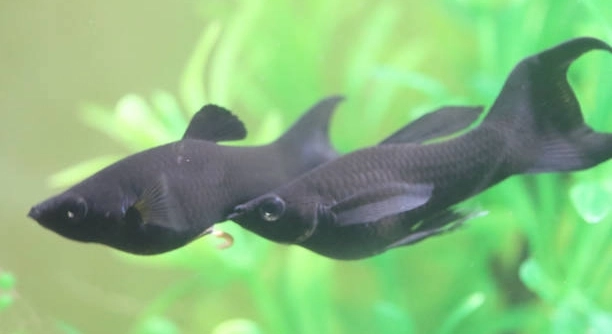
Have you ever watched your black molly breathe faster than usual and felt unsure about what it means, wanting to understand what might be causing the sudden change in its gentle rhythm inside your aquarium.
Rapid gill movement in a black molly most often signals stress related to poor water quality, low oxygen levels, or underlying illness. Careful evaluation of tank conditions, along with prompt adjustments, helps restore respiratory function and supports the fishs health.
Understanding this behavior guides you toward steps that improve comfort, enhance stability, and create a healthier environment for your molly.
Common Causes of Rapid Gill Movement
When your black molly starts breathing quickly, it often means something in the tank is disrupting its comfort. Many fish react this way when the water becomes polluted, the oxygen is low, or the temperature changes too fast. These shifts can make a molly work harder to breathe, and the stress can show up right away. It is helpful to look closely at the environment, because small issues can build up quietly. Testing the water, refreshing the filter, and keeping the temperature steady can make a real difference. By paying attention to subtle changes, you can support your molly before the problem grows. This steady care helps your molly feel safe, move calmly, and breathe at a normal pace again. You do not need anything complicated, just consistent habits. Over time, your attention strengthens the tank and protects your mollys overall stability. This small effort keeps everything balanced each day.
Quick breathing usually links to stress from water changes, hidden waste, shifting temperature, or early illness. Watching your molly closely and adjusting the tank conditions helps prevent further strain and supports stable breathing as the fish settles again. Regular checks and gentle care often restore comfort without much effort involved.
Understanding why the gills move so fast helps you respond with confidence. Most black mollies react quickly to environmental changes, so steady maintenance goes a long way. Cleaning the substrate, refreshing the water, and keeping the filter running well give your molly a calmer space. Even small improvements make breathing easier and reduce stress. Over time, these habits protect your molly from sudden shifts that would otherwise affect its comfort and stability. Consistent observation lets you spot issues early and address them before they worsen, creating an environment that stays predictable and gentle for your molly in its daily routine.
Additional Factors to Consider
Rapid gill movement can also link to heightened activity, overcrowding, or leftover debris that builds up over time. Adjusting space, improving flow, and reducing waste can ease the load on your molly and help it maintain a calmer breathing rhythm day after day. These steady changes support a healthier balance.
Keeping your black molly healthy requires attention to several small details that work together to shape its breathing patterns. Clean water is the foundation, because waste and chemicals can rise quickly in a closed space. Testing ammonia, nitrite, and nitrate helps you understand how stable the tank is and how often it needs fresh water. Good flow supports oxygen levels, and a dependable filter ensures debris does not linger. Temperature should stay steady, since sudden shifts can force your molly to work harder to adjust. Overcrowding can also reduce comfort, so giving each fish enough room prevents stress from constant movement and competition. Watching your molly during feeding, swimming, and resting allows you to spot small changes before they grow into larger problems. Calm behavior and smooth motion usually signal that the environment suits your mollys needs. When you see early signs of stress, small improvements can bring quick relief. By keeping routines simple, you make the tank predictable, which gives your molly the stability it depends on. Regular maintenance creates a safer space that supports steady breathing and reduces unnecessary strain, helping your molly stay active, comfortable, and responsive throughout the day as it navigates surroundings without added pressure.
Recognizing Early Warning Signs
Rapid gill movement often appears with other signals like reduced energy, hiding more than usual, or swimming near the surface. These signs show that your molly is working harder than normal, and they help you decide when to check the tank before the issue grows.
When you see these signs, it helps to observe patterns instead of single moments. A molly that stays near the surface may be trying to reach better oxygen, while one that lingers near the bottom might feel overwhelmed by poor conditions. Slower swimming, clamped fins, or refusing food can also point to discomfort. These behaviors give you clues about what to fix, and noticing them early makes care much easier. Your gentle attention helps your molly stay steady, especially when the environment needs small adjustments to return to normal.
Some mollies show stress through color fading or by separating themselves from other fish. These subtle shifts are easy to miss, but they often appear before breathing becomes rapid. Watching your molly during feeding and resting helps you spot these changes. When something feels off, simple steps like improving flow, checking temperature, and refreshing water can calm the tank. These early signs guide you toward the right adjustments, helping your molly stay comfortable with as little strain as possible.
When Rapid Gill Movement Becomes Serious
Rapid breathing becomes more serious when it continues even after you correct basic issues. A molly that struggles for long periods may be dealing with something deeper, including parasites or infections that affect the gills. At this stage, closer monitoring and steady intervention become important to protect your mollys health and stability.
If the rapid breathing is paired with red or irritated gills, white spots, scratching against objects, or sudden weakness, it may indicate a more advanced problem that needs targeted treatment. Checking water parameters again helps confirm the tank is stable, but you may also need medication designed for specific conditions. Following instructions carefully prevents unnecessary stress and gives your molly space to recover. Clearing debris, improving circulation, and maintaining clean water support the healing process. Even when the issue is more serious, calm and consistent care helps your molly regain comfort, and early action keeps the tank from becoming harder to manage.
Steps to Improve Breathing Quickly
A fast first step is refreshing part of the water to reduce waste and improve clarity. This helps your molly breathe easier while you sort out the cause. Keeping the filter running well supports oxygen flow and gives your molly a calmer space to settle.
Checking temperature right away also helps, since sudden heat changes can trigger stress. Keeping the tank within a steady range eases your mollys breathing and lowers tension. Small corrections often bring quick relief, especially when the environment shifts more than your molly can comfortably handle.
Long Term Care for Stable Breathing
Stable breathing depends on consistent care that keeps the tank predictable. Regular testing helps you stay ahead of ammonia or nitrite spikes, and small water changes keep the environment fresh. A steady filter maintains flow, and gentle circulation supports oxygen levels without overwhelming your molly. Avoiding overcrowding reduces competition and lets each fish move comfortably. Cleaning the substrate prevents hidden waste from building up and affecting the gills. Feeding small portions keeps food from settling and breaking down into extra debris. These habits reduce stress, create balance, and help your molly stay comfortable each day.
Knowing When to Seek Help
When symptoms continue despite steady care, it may be time to reach out for guidance. A professional can help identify deeper issues and offer treatments that support your mollys recovery.
FAQ
Why is my black molly breathing so fast suddenly?
Rapid gill movement often happens when water conditions change too quickly. Low oxygen, high ammonia, or sudden temperature shifts can make your molly work harder to breathe. Even small changes can trigger this response. Observing the tank closely and testing water helps pinpoint the cause, allowing simple adjustments to restore calm.
Can overfeeding cause rapid gill movement?
Yes, overfeeding contributes indirectly. Uneaten food decays, raising ammonia and nitrite levels in the water. These chemicals irritate gills, making your molly breathe faster. Feeding smaller portions and removing leftovers quickly reduces this risk. A clean tank is essential for steady, healthy breathing.
Could rapid gill movement signal disease?
It can. Gill infections, parasites, or fungal growth may cause labored breathing. Look for other signs like clamped fins, unusual swimming, or white spots. If symptoms persist despite clean, stable water, treatment may be needed. Early detection improves recovery chances.
Does tank size affect breathing?
Smaller tanks hold less oxygen and concentrate waste faster. A black molly in a small, overcrowded tank may show rapid gill movement even when care seems adequate. Providing enough space and proper filtration supports normal breathing and reduces stress.
How can I increase oxygen levels in the tank?
Adding an air stone, improving water flow, or using a strong filter increases oxygen availability. Live plants also help absorb CO2 and produce oxygen during the day. These adjustments relieve breathing strain and support overall health.
Is water temperature important for gill health?
Yes, temperature affects oxygen levels and metabolic rate. Too high or low temperatures stress your molly, causing faster gill movement. Keep the water within 75–82°F, avoid sudden shifts, and monitor consistently to maintain comfort.
Should I separate the molly from other fish?
Isolation is sometimes helpful, especially if stress or disease is suspected. It prevents bullying, overcrowding, and spreading potential infections. A separate tank with clean water lets your molly recover safely.
How often should I test the water?
Weekly testing is usually enough for stable tanks. Check ammonia, nitrites, nitrates, and pH. More frequent testing is needed if rapid gill movement occurs, new fish are added, or feeding routines change. Consistent monitoring prevents sudden problems.
Can stress from decorations or sudden changes trigger rapid gill movement?
Yes, even harmless-looking changes can stress a molly. Rearranging decorations, adding new fish, or loud vibrations may make your molly breathe faster temporarily. Observing behavior and allowing gradual adjustments helps reduce stress.
When should I use medication?
Medication is only necessary if water conditions are stable and rapid gill movement continues with other signs of illness. Choose treatments carefully, follow instructions, and avoid overuse. Combining medication with proper tank care gives the best results.
Does molly age affect breathing?
Older fish may breathe faster during stress or minor illness because their gills are less efficient. Young mollies recover quickly from environmental changes, but older ones need steady, consistent care to avoid strain.
Can rapid gill movement be normal sometimes?
Short bursts of fast gill movement may happen after feeding, excitement, or swimming near the surface. These are usually temporary and resolve quickly. Persistent or repeated rapid breathing is a sign to check water quality and fish health carefully.
What long-term habits prevent rapid gill movement?
Maintaining clean water, stable temperature, proper tank size, and careful feeding routines keeps your black molly comfortable. Regular observation, gentle care, and prompt adjustments reduce stress, support steady breathing, and prevent future problems in the tank environment.
How do I know if my molly recovered?
Normal breathing, active swimming, bright color, and regular feeding indicate recovery. Observing for several days after water adjustments or treatment ensures your molly is comfortable and the rapid gill movement has truly resolved.
Rapid gill movement in a black molly is often a sign that something in the tank needs attention. It may be caused by low oxygen, poor water quality, sudden temperature changes, or stress from overcrowding. Watching your molly closely and noticing changes in behavior, like clamped fins, hiding, or swimming near the surface, gives important clues. Responding quickly to these signals can prevent more serious health problems. Simple steps like testing the water, refreshing part of it, cleaning the filter, and adjusting the temperature often bring fast relief. Paying attention to these details consistently makes a big difference in maintaining a healthy environment where your molly can thrive without constant stress.
Regular tank maintenance is key to preventing repeated episodes of rapid breathing. Feeding the right amount, removing leftover food, and monitoring water parameters help maintain balance. Oxygen levels can be supported through proper filtration, water flow, and occasionally using air stones. Overcrowding should be avoided to reduce stress and competition among fish. Even small adjustments in these areas improve comfort and reduce strain on gills. Keeping a consistent routine allows your molly to settle into a predictable environment, where it can swim, feed, and rest without difficulty. Observing behavior during feeding, swimming, and resting provides insight into overall health, helping you catch minor problems before they escalate.
Health issues can also cause rapid gill movement. If environmental adjustments do not resolve the problem and other symptoms appear, such as red or irritated gills, white spots, or weakness, professional guidance or treatment may be necessary. Acting early supports recovery and prevents prolonged stress. Consistency in care, attention to subtle signs, and a calm, stable environment are the most effective ways to keep your black molly healthy. By maintaining a clean, balanced tank and monitoring your fish carefully, you can reduce the chances of rapid gill movement and create conditions that support long-term well-being. Your attention and steady care ensure that your molly remains comfortable, active, and responsive every day.

Hello,
If you enjoy the content that we create, please consider saying a "Thank You!" by leaving a tip.
Every little bit helps us continue crafting quality advice that supports the health, happiness, and well-being of pets around the world, for pets of all shapes, sizes, and species.
We really appreciate the kindness and support that you show us!