
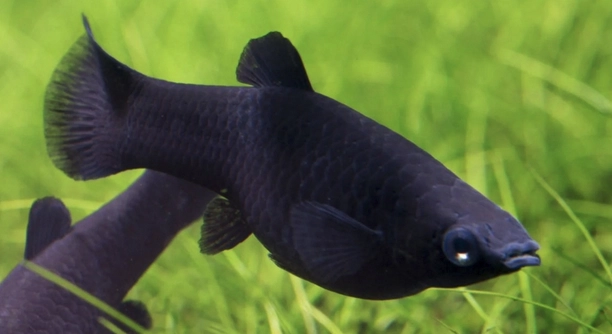
Keeping a Black Molly tank clean is important for both the fish and the overall look of your home aquarium. A tidy tank helps prevent disease, keeps the water clear, and ensures your fish stay healthy and active.
A Black Molly tank should be cleaned thoroughly at least once every two weeks. This includes changing 20-30% of the water, scrubbing algae from surfaces, and checking filtration systems to maintain a stable, healthy environment for the fish.
Proper care for your Black Molly tank can make a big difference in the health of your fish and the clarity of your water. Following a consistent cleaning routine keeps everything running smoothly.
Signs Your Black Molly Tank Needs Cleaning
Over time, a Black Molly tank can show clear signs that it needs attention. Cloudy water is one of the first indicators that waste and uneaten food are building up. You might also notice algae forming on the glass, decorations, or plants. Black Mollies themselves can act as signals too. If they become sluggish, hide more than usual, or show changes in color, it could mean water quality is declining. A strong or unusual odor from the tank is another warning. Regular observation helps catch these issues early. Checking the filter and other equipment is also important because clogs or buildup can reduce their efficiency. Maintaining proper water temperature and testing for ammonia, nitrite, and nitrate levels provides additional insight into the tank’s condition. Simple actions, like removing debris and wiping down surfaces, can prevent bigger problems and ensure the fish remain healthy and active in a clean environment.
Cloudy water or excess algae often means it’s time for a full cleaning, not just a partial water change.
Keeping up with cleaning helps maintain both aesthetic appeal and fish health. A clean tank creates a stable environment, reducing stress for the Black Mollies. Regular checks prevent sudden problems that might be harder to fix later. Overfeeding, leftover food, or overstocking can accelerate water issues, so monitoring habits alongside cleaning routines ensures the tank stays balanced. Even minor algae growth can be managed before it becomes overwhelming, and small water changes can keep ammonia and nitrate levels in check. By being attentive, you’ll notice subtle changes in the fish’s behavior or the water’s clarity, making it easier to act before issues become serious. Consistency in cleaning also supports proper plant growth if you have live plants, and it keeps decorations looking their best. Overall, staying proactive reduces long-term maintenance stress while keeping your Black Mollies happy and vibrant.
Best Practices for Cleaning
Cleaning a Black Molly tank requires a methodical approach to avoid stressing the fish.
Start by removing 20-30% of the water and replacing it with dechlorinated water at the same temperature. Gently scrub algae off surfaces and rinse decorations in tank water rather than tap water to preserve beneficial bacteria. Vacuum the substrate to remove waste and uneaten food. Check the filter for buildup but avoid completely replacing all filter media at once, which can disrupt the tank’s biological balance. Test water parameters after cleaning to ensure ammonia, nitrite, and nitrate levels are safe. Maintain a regular schedule, noting how quickly waste accumulates and adjusting the routine as needed. Observing the fish’s behavior during and after cleaning can help identify stress or potential health issues. Over time, establishing a cleaning rhythm will make maintenance easier and less time-consuming, while ensuring the Black Mollies live in a consistently healthy environment that supports their growth, activity, and overall well-being.
Tools You’ll Need
A few basic tools make cleaning a Black Molly tank much easier. You’ll need a siphon or gravel vacuum, a soft sponge or algae scraper, a bucket for water changes, and a water conditioner. A small net can also help remove debris without stressing the fish.
Using a siphon helps remove waste from the substrate without disturbing the fish too much. Soft sponges or scrapers prevent scratching the glass while removing algae buildup. Buckets are useful for partial water changes, and treating new water with conditioner keeps chlorine and other chemicals from harming your fish. Nets allow you to remove uneaten food or debris efficiently. Organizing these tools in advance makes cleaning faster, less stressful, and ensures you don’t skip important steps. Maintaining a simple, consistent set of tools helps create a smoother routine, keeping the tank clean and safe.
Consistently using these tools also reduces the risk of accidentally harming your Black Mollies. Gentle handling of decorations, plants, and the fish ensures the environment stays stable while cleaning. A simple setup of supplies can turn a potentially messy process into a quick and manageable task, encouraging regular maintenance.
Frequency of Maintenance
Cleaning frequency depends on tank size, number of fish, and filtration efficiency. Most Black Molly tanks benefit from a two-week thorough cleaning schedule.
Partial water changes of 20-30% should be done weekly to maintain water quality. Monitoring ammonia, nitrite, and nitrate levels provides insight into whether adjustments in cleaning frequency are necessary. Filtration should be checked regularly to ensure it is not clogged, and algae buildup should be removed promptly. Overfeeding accelerates waste accumulation, so portioning food carefully helps reduce the cleaning load. Keeping a consistent routine prevents sudden water quality issues and promotes a stable, healthy environment for the fish to thrive.
Weekly and bi-weekly maintenance works best in combination. Small tasks like debris removal, algae scraping, and testing water parameters can be done in short sessions, while more thorough cleaning, including substrate vacuuming and partial water changes, can be scheduled bi-weekly. Adjusting frequency based on observation ensures the Black Mollies remain healthy and the tank water stays clear. Consistent monitoring and attention to minor changes prevent major problems, supporting both the fish’s well-being and the tank’s appearance over time.
Common Mistakes to Avoid
Overfeeding Black Mollies is a frequent mistake that leads to excess waste and cloudy water. Feeding only the amount they can consume in a few minutes helps maintain water quality.
Skipping regular water changes can quickly degrade tank conditions. Even minor neglect allows toxins to build up, stressing the fish.
Water Testing and Quality
Testing the water regularly ensures that ammonia, nitrite, nitrate, and pH levels remain within safe ranges. Using a reliable test kit helps track these values. Observing the fish alongside test results provides a fuller picture of tank health. Small adjustments in feeding, water changes, or filtration can prevent problems before they become severe, keeping the tank stable. Water testing is a simple, proactive step that saves time and prevents illness. It also helps identify subtle trends that indicate the need for more frequent maintenance. Keeping detailed records supports a consistent routine and healthier Black Mollies.
Dealing with Algae
Algae can be managed with gentle scrubbing and controlling light exposure. Regular cleaning prevents excessive growth and keeps the tank looking clear.
FAQ
How often should I change the water in my Black Molly tank?
Partial water changes of 20-30% should be done weekly to maintain a healthy environment. Full tank cleanings can be done every two weeks. Frequent water changes prevent the buildup of toxins like ammonia and nitrite, which can stress or harm your fish. Keeping a consistent schedule helps stabilize the tank and ensures your Black Mollies stay active and healthy.
What is the best way to clean the tank without stressing my fish?
Use a siphon or gravel vacuum to remove waste from the substrate gently. Clean algae off surfaces with a soft sponge or scraper. Avoid sudden, drastic changes in water temperature or full filter replacement at once. Removing decorations and plants carefully prevents accidents, and treating new water with conditioner helps protect the fish. Moving slowly and maintaining a calm approach minimizes stress.
Can overfeeding affect how often I need to clean the tank?
Yes, overfeeding increases leftover food and waste, which accelerates water quality issues. Feeding only what the fish can eat in a few minutes helps reduce buildup. Monitoring feeding habits alongside cleaning schedules ensures the tank remains balanced and reduces the need for emergency maintenance.
Are live plants helpful or harmful for tank cleanliness?
Live plants can help absorb excess nutrients and reduce algae growth. However, dead leaves or decaying plant matter can contribute to waste if not removed promptly. Maintaining healthy plants and trimming them regularly supports water quality and gives your Black Mollies a more natural environment.
How do I know if my water parameters are off?
Cloudy water, unusual odor, algae overgrowth, and changes in fish behavior often indicate poor water quality. Testing ammonia, nitrite, nitrate, and pH levels with a reliable kit confirms the tank’s condition. Observing subtle changes early allows adjustments before serious problems develop.
Is it necessary to clean the filter every time I clean the tank?
No, the filter should be checked and gently rinsed in tank water when needed, but completely replacing all media at once can disrupt the tank’s beneficial bacteria. Maintaining the filter properly keeps water clear and supports biological balance without stressing the fish.
What tools make cleaning easier?
A siphon, gravel vacuum, soft sponge, algae scraper, bucket, net, and water conditioner are essential. Organizing these tools beforehand makes cleaning faster and less stressful. Having consistent tools supports a routine that keeps the tank safe and the fish healthy.
Can Black Mollies live in a tank that isn’t cleaned regularly?
They may survive for a short time, but poor water quality causes stress, increases disease risk, and shortens lifespan. Regular maintenance keeps the tank stable, healthy, and comfortable for the fish. Neglecting cleaning can lead to costly problems or health issues over time.
How do I control algae without chemicals?
Reduce light exposure, avoid overfeeding, and remove excess nutrients with regular water changes. Gentle scrubbing and cleaning surfaces manually also help. Healthy plants can absorb nutrients that algae would otherwise use, keeping growth under control naturally.
Is it okay to clean the tank while the fish are inside?
Yes, but move carefully and avoid stressing the fish. Using a siphon for water changes and gently scrubbing surfaces allows you to maintain the tank without removing the fish. Full removal is only needed for major rearrangements or deep cleanings.
How do I know if I’m cleaning too often?
Overcleaning can disturb beneficial bacteria in the filter and substrate, leading to unstable water parameters. If water is clear and fish appear healthy, sticking to a bi-weekly thorough cleaning and weekly partial water changes is sufficient. Excessive cleaning can be as harmful as neglect.
What are the signs of unhealthy Black Mollies due to poor cleaning?
Sluggish behavior, hiding, color changes, loss of appetite, and gasping at the surface are common indicators. Cloudy water and strong odors usually accompany these signs. Early detection allows intervention before serious illness occurs, highlighting the importance of routine maintenance.
Can I use tap water directly for water changes?
No, tap water should always be treated with a water conditioner to remove chlorine and chloramines, which are harmful to fish. Matching the temperature to the existing tank water prevents stress. This simple step ensures the safety and comfort of your Black Mollies during every water change.
Do different tank sizes affect cleaning frequency?
Smaller tanks require more frequent attention because waste accumulates faster. Larger tanks with stable filtration may go slightly longer between thorough cleanings, but weekly partial water changes are still recommended to maintain consistent water quality and fish health.
How can I make cleaning less stressful for my Black Mollies?
Move slowly, avoid sudden changes in water or temperature, and handle equipment gently. Keeping a routine schedule and using consistent tools helps the fish feel secure, reducing stress while you maintain a clean and healthy tank.
This FAQ provides a complete guide to common concerns about cleaning and maintaining a Black Molly tank, supporting healthy fish and clear water without unnecessary complications.
Keeping a Black Molly tank clean is essential for the health of your fish and the overall appearance of your aquarium. Regular maintenance prevents water from becoming cloudy and reduces the risk of harmful toxins building up. Even small amounts of leftover food, fish waste, and algae can affect the balance of the tank if not addressed on a consistent schedule. By taking the time to perform partial water changes, scrub surfaces, and check filtration, you create a stable environment that allows your Black Mollies to thrive. This not only keeps them active and healthy but also makes the tank more enjoyable to look at and care for.
Consistency is one of the most important parts of keeping a Black Molly tank in good condition. Scheduling weekly partial water changes and bi-weekly thorough cleanings helps maintain water quality and reduces stress on the fish. Observing the behavior of your Black Mollies during these routines can alert you to small problems before they become serious. Watching for signs such as sluggishness, hiding, or color changes gives you an early warning that water parameters might be off. Combining these observations with regular testing of ammonia, nitrite, nitrate, and pH levels ensures the tank stays balanced and safe. A steady cleaning routine also makes the process easier over time, turning what might feel like a chore into a manageable habit.
Using the right tools and techniques can make cleaning less stressful for both you and your fish. A siphon or gravel vacuum helps remove debris without disturbing the fish, and soft sponges or algae scrapers prevent damage to the glass. Treating new water with a conditioner and keeping its temperature consistent with the tank protects the fish during water changes. Proper maintenance does not have to be complicated or time-consuming, but it does require attention to detail and regular effort. By establishing a clear schedule, observing your Black Mollies closely, and using the right cleaning methods, you can maintain a healthy, clean, and visually appealing tank. This consistent care supports the long-term well-being of your fish and ensures the aquarium remains a comfortable and safe environment for them to live in.

Hello,
If you enjoy the content that we create, please consider saying a "Thank You!" by leaving a tip.
Every little bit helps us continue crafting quality advice that supports the health, happiness, and well-being of pets around the world, for pets of all shapes, sizes, and species.
We really appreciate the kindness and support that you show us!