
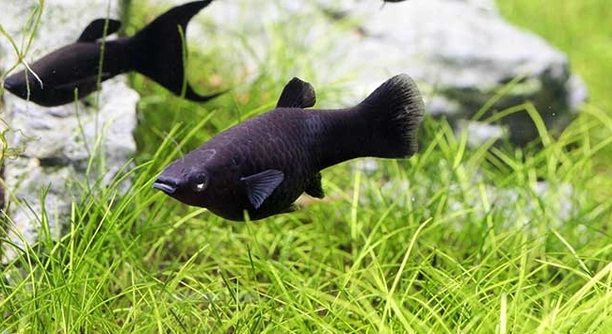
Black Mollies are popular freshwater fish, admired for their striking black color and peaceful behavior. Many aquarium enthusiasts enjoy keeping them in community tanks with other species. Their adaptable nature makes them appealing for mixed aquatic setups.
Black Mollies can live with shrimp under controlled conditions, provided the tank is spacious, well-planted, and hiding spots are available. Mollies may occasionally harass smaller shrimp, but with careful monitoring and proper environment management, peaceful cohabitation is achievable.
Maintaining the right balance and habitat ensures both species thrive. Understanding their behavior and needs is essential for a harmonious aquarium.
Understanding Black Molly Behavior
Black Mollies are generally peaceful fish, but their behavior can vary depending on tank conditions. They are active swimmers and enjoy exploring every corner of the tank. When housed with other species, they usually ignore smaller creatures, yet stress or overcrowding can lead to chasing. Providing plants and decorations creates hiding spots and reduces tension. Mollies prefer a slightly alkaline environment with stable temperature, which also benefits shrimp. Feeding them a balanced diet helps minimize aggression since hungry fish are more likely to bother tank mates. Observing interactions in the first few days is critical, as it allows you to intervene before any serious issues arise. Regular water changes and maintaining clean conditions also support calm behavior. Over time, mollies often learn to coexist with shrimp, particularly if they have enough space to swim and explore. Their natural curiosity can sometimes seem intimidating but is usually harmless.
Proper monitoring during the initial weeks ensures shrimp safety and reduces stress for both species.
With careful attention, black mollies and shrimp can share the same tank peacefully. Consistent feeding, tank enrichment, and stable water conditions are key factors. Shrimp benefit from hiding spots like moss or small caves, which mollies usually respect once accustomed. Keeping the population balanced prevents overcrowding and maintains harmony. By understanding behavior patterns, tank owners can prevent most conflicts. Avoid sudden changes in water parameters or diet, as mollies are sensitive and may react by chasing smaller species. Patience is important, as the adjustment period can vary between tanks. Even in well-planned setups, minor skirmishes may occur, but they rarely result in serious harm. Monitoring and small adjustments in tank structure often resolve these issues quickly. Over time, both mollies and shrimp establish a routine, learning to coexist with minimal interaction. Success comes from observation, preparation, and maintaining a healthy, enriched environment for all tank inhabitants.
Feeding and Tank Setup
Feeding plays a crucial role in reducing aggression. Mollies need a mix of plant-based and protein-rich food.
Providing a planted tank with hiding spots ensures shrimp safety. Dense plants, moss, or small caves give them refuge from curious fish. Mollies enjoy open swimming areas, so separating zones in the tank helps both species feel secure. Temperature and water chemistry should remain stable to prevent stress-induced chasing. Feeding schedules should be consistent, with attention to avoid overfeeding that can lead to poor water quality. Observing daily interactions helps detect early signs of stress. Shrimp molting periods are delicate, and access to safe hiding spaces is essential. Even minor adjustments in tank décor or food distribution can improve coexistence. Tank filtration should maintain water clarity without strong currents that may disturb shrimp. By balancing these factors, mollies and shrimp can thrive together without conflict.
Tank Compatibility
Black Mollies are generally compatible with peaceful shrimp species like cherry or ghost shrimp. Avoid aggressive or very small shrimp that may trigger predatory instincts. Observation is key during the first days of cohabitation to ensure safety for all tank inhabitants.
Careful planning of tank size and décor improves coexistence. A tank of at least 20 gallons is recommended to give both mollies and shrimp enough space to move freely. Plants, rocks, and caves provide essential hiding spots for shrimp, especially during molting. Overcrowding should be avoided, as it increases stress and may lead to chasing behavior. Mollies thrive in community tanks when their environment mimics natural conditions, including gentle water flow and stable pH. Regular monitoring ensures all species remain healthy and interactions remain peaceful.
Feeding strategy also influences compatibility. Mollies may become territorial over food, so spreading feeding locations or using sinking pellets for shrimp helps reduce competition. Rotating food types and ensuring both species get proper nutrition strengthens their immune systems. Water quality must remain consistent, with moderate filtration to avoid disturbing shrimp. Observing behavior daily allows for timely adjustments, such as adding more hiding spaces or separating fish temporarily if aggression occurs. With proper care, mollies and shrimp can coexist with minimal conflict.
Common Challenges
Shrimp may hide excessively at first, which is normal in a new tank with mollies. Allow them time to adjust without interference.
Stress can occur from sudden water changes or aggressive feeding habits. Mollies may chase shrimp during high activity periods, but this often decreases as shrimp become more confident. Maintaining a planted tank with plenty of cover is essential to reduce stress. Water parameters should remain consistent, avoiding drastic temperature or pH shifts. Regular observation allows detection of subtle changes in shrimp behavior, such as reduced activity or hiding longer than usual, which can indicate stress or illness. Separating vulnerable shrimp temporarily may be necessary in extreme cases.
Water quality is another common challenge. Overfeeding or inadequate filtration can lead to high ammonia or nitrate levels, harming both mollies and shrimp. Regular partial water changes, along with careful feeding, help maintain safe conditions. Mollies produce more waste than shrimp, so monitoring water chemistry ensures shrimp remain healthy. Providing balanced nutrition for both species reduces competition and minimizes stress-induced aggression. Adjusting tank décor to include more hiding spots or floating plants allows shrimp to feel secure, which encourages natural behavior. Over time, shrimp and mollies learn to share space, and challenges decrease with consistent care.
Tank Maintenance
Regular tank maintenance is essential for keeping mollies and shrimp healthy. Water changes, filter cleaning, and monitoring water parameters prevent stress and illness. Neglecting these tasks can quickly upset the balance, affecting both species’ behavior and survival.
Testing water frequently helps detect early issues. Stable pH, temperature, and ammonia levels are crucial for coexistence. Adjustments should be gradual to avoid shocking either species.
Shrimp Molting and Safety
Molting is a vulnerable time for shrimp. Hiding spots are critical to protect them from curious mollies. Providing dense plants or small caves ensures they can molt safely without harassment.
Feeding Tips
Both mollies and shrimp benefit from a varied diet. Mollies enjoy flake or pellet food, while shrimp thrive on algae wafers and plant matter. Sinking food for shrimp helps prevent competition and reduces stress, allowing both species to feed without conflict.
Monitoring Interactions
Daily observation is necessary to ensure peaceful interactions. Mollies may occasionally chase shrimp, but constant aggression indicates a problem that needs intervention to maintain harmony.
FAQ
Can Black Mollies eat shrimp?
Black Mollies are omnivores, and while they primarily eat flake, pellet, and plant-based foods, they may try to eat very small shrimp, especially baby shrimp. Larger, well-fed mollies usually show less interest in shrimp, but hiding spots are essential to protect vulnerable shrimp.
How many shrimp can live with Black Mollies?
The number of shrimp depends on tank size and available hiding spaces. A 20-gallon tank can comfortably house several dozen cherry or ghost shrimp with a small group of mollies. Overcrowding increases stress, leading to aggression or predation. Plants and decorations help maintain balance.
Will Black Mollies harm shrimp during molting?
Molting shrimp are vulnerable and may be at risk if there are no safe hiding spots. Dense plants, moss, or small caves allow shrimp to molt without harassment. Mollies usually respect these areas once they become accustomed to the tank layout.
What is the ideal tank setup for mollies and shrimp?
A planted tank with stable water parameters is key. Mollies thrive in slightly alkaline water with moderate temperature. Hiding spots for shrimp, open swimming areas for mollies, and gentle filtration create a balanced environment. Regular partial water changes maintain water quality.
How can I prevent aggression between Black Mollies and shrimp?
Feed mollies adequately and provide multiple feeding spots to reduce competition. Observing daily interactions helps detect early signs of stress. Adjusting tank décor or temporarily separating aggressive mollies can prevent harm. Gradual acclimation of shrimp into the tank also minimizes conflict.
Can all shrimp species live with Black Mollies?
Not all shrimp are suitable. Larger peaceful shrimp like Amano or ghost shrimp do well. Tiny or very delicate shrimp may trigger mollies’ predatory instincts. Matching species by size and temperament increases the chance of peaceful coexistence.
Do Black Mollies require a separate diet from shrimp?
Yes, while mollies eat flake or pellet food, shrimp need algae wafers, blanched vegetables, or plant matter. Sinking food for shrimp ensures they can feed without competition, and regular feeding keeps mollies satisfied, reducing harassment.
How long does it take for mollies and shrimp to coexist peacefully?
It can take several days to weeks for shrimp to become comfortable with mollies. Providing hiding spots and observing daily helps shrimp gain confidence. Over time, mollies learn to ignore shrimp, and both species establish a stable routine.
Is a 10-gallon tank enough for mollies and shrimp?
A 10-gallon tank is possible for a very small group, but space is limited. Overcrowding can stress both mollies and shrimp. A larger tank with more hiding spots is strongly recommended to ensure peaceful coexistence and healthy growth.
Do Black Mollies stress shrimp even if they don’t attack?
Yes, excessive swimming near shrimp or sudden movements can stress them, causing hiding or reduced feeding. Adequate plants, decorations, and calm tank conditions reduce stress and support natural behavior for both species.
Can Black Mollies and shrimp breed together in the same tank?
Shrimp may breed without interference if hiding spots are available for baby shrimp. Mollies do not prey on adult shrimp but may eat tiny shrimplets. Providing dense plants or moss ensures shrimp babies survive to grow.
How often should I check water quality for a mixed tank?
Daily observation and weekly testing for ammonia, nitrites, nitrates, and pH are recommended. Mollies produce more waste than shrimp, so maintaining consistent water quality prevents stress, illness, and aggression, supporting a stable and peaceful tank environment.
What should I do if a molly chases shrimp constantly?
Temporarily rearranging tank décor or adding additional hiding spots helps reduce stress. If chasing persists, separating the aggressive molly for a short period can reset behavior. Consistent feeding and monitoring ensure both species can coexist safely.
Are there signs that shrimp are stressed by mollies?
Shrimp that hide constantly, avoid feeding, or show reduced activity are likely stressed. Molting problems or faded coloration can also indicate stress. Immediate adjustment of tank layout, feeding routines, or temporary separation may be needed to restore harmony.
Can I mix Black Mollies with other fish along with shrimp?
Yes, but choose peaceful community fish that do not prey on shrimp. Aggressive or fin-nipping species may stress both shrimp and mollies. Careful selection and observation are critical to maintaining a calm, compatible community tank.
How important is plant density in a mixed tank?
Plants are crucial for shrimp safety and stress reduction. Dense plant growth, moss, and hiding spaces give shrimp secure areas and help mollies feel comfortable exploring open areas. Proper plant placement reduces conflict and encourages natural behavior for all species.
Can juvenile mollies live peacefully with shrimp?
Juvenile mollies are less likely to prey on shrimp, but they may still chase them out of curiosity. Providing hiding spots ensures shrimp safety during this period. As mollies mature, their behavior may change, making observation and tank management important.
Do mollies ever ignore shrimp completely?
Yes, in well-maintained, spacious, and planted tanks, mollies often learn to ignore shrimp completely. Proper feeding and a calm environment reduce chasing, allowing shrimp to feed and move freely without interference.
What are the most common mistakes when housing mollies with shrimp?
Overcrowding, inadequate hiding spots, poor water quality, and inconsistent feeding are the main mistakes. Addressing these factors from the start helps prevent aggression, stress, and mortality. Careful planning and monitoring are essential for a harmonious tank environment.
How can I safely introduce shrimp to an established molly tank?
Acclimate shrimp slowly using drip methods to match water conditions. Place them near dense plant areas initially, allowing them to explore safely. Observation during the first week ensures any chasing or stress is managed early. Adjust décor if necessary to provide more hiding spots.
Is temperature control important for mixed tanks?
Yes, mollies prefer slightly warmer water, and shrimp are sensitive to rapid changes. Keeping temperature stable and within a suitable range for both species reduces stress and supports healthy behavior and growth.
Do hiding spots reduce molly aggression toward shrimp?
Absolutely. Mollies are curious but usually do not attack shrimp that have secure hiding spaces. Dense plants, moss, and caves allow shrimp to feel safe, reducing stress and encouraging coexistence.
Can Black Mollies and shrimp share a tank long-term?
Yes, with proper tank setup, stable water parameters, and careful observation, mollies and shrimp can coexist peacefully for years. Consistent feeding, adequate space, and hiding spots ensure both species thrive in a shared environment.
What are the best practices for long-term success?
Monitor interactions daily, maintain water quality, provide varied diets, and ensure enough space for swimming and hiding. Gradual acclimation of new tank mates and careful observation prevent stress, aggression, and health issues, supporting a stable, thriving community.
Final Thoughts
Black Mollies and shrimp can live together peacefully if their environment is carefully managed. Providing a spacious tank with plenty of hiding spots is essential. Dense plants, moss, and small caves allow shrimp to retreat during vulnerable times, such as molting. Mollies are naturally curious fish, and while they may explore or occasionally chase shrimp, this behavior is usually minor when the tank is well-planned. Overcrowding should always be avoided, as it increases stress and can lead to aggression. A tank of at least 20 gallons is recommended for a small group of mollies and several shrimp. Proper spacing ensures both species can swim freely and establish their own territories. It also allows for natural behaviors without interference, helping shrimp feel secure and mollies remain active but calm. Regular observation during the first weeks is important to address any early signs of stress or harassment.
Feeding is another critical factor for coexistence. Mollies are omnivores and require a diet that includes both plant-based and protein-rich foods. Shrimp, on the other hand, feed on algae, plant matter, and specially formulated sinking foods. Ensuring that both species receive the proper nutrition reduces competition and helps mollies remain calm, as hungry fish are more likely to chase smaller tank mates. Feeding in multiple locations or providing sinking food for shrimp allows everyone to eat without conflict. Maintaining a consistent feeding schedule also supports stability in the tank. When combined with a well-planted environment, proper nutrition reduces stress, encourages natural behavior, and increases the likelihood that both mollies and shrimp will thrive together over time.
Water quality and tank maintenance are equally important for long-term success. Mollies produce more waste than shrimp, so regular water testing, partial water changes, and moderate filtration are necessary to prevent harmful spikes in ammonia or nitrate levels. Temperature and pH should remain stable, as sudden changes can stress both species. Observing the tank daily helps detect early signs of stress, disease, or behavioral changes. Even minor adjustments, such as adding more plants or rearranging decorations, can make a significant difference in promoting peaceful coexistence. With careful attention to environment, diet, and water quality, mollies and shrimp can coexist in harmony. Over time, both species will adjust to each other, establishing a routine and a stable ecosystem where they can live together safely and healthily.

Hello,
If you enjoy the content that we create, please consider saying a "Thank You!" by leaving a tip.
Every little bit helps us continue crafting quality advice that supports the health, happiness, and well-being of pets around the world, for pets of all shapes, sizes, and species.
We really appreciate the kindness and support that you show us!