
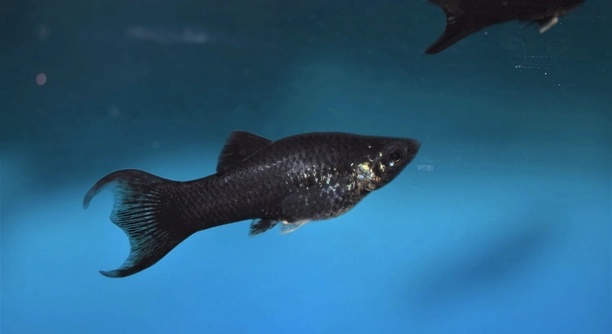
Do you enjoy keeping a small aquarium but find yourself wondering how different species interact peacefully? Many hobbyists seek to create a harmonious environment where fish and invertebrates can coexist comfortably. Observing their behavior can be rewarding.
Black mollies can generally live with snails in the same tank. They are peaceful fish that do not pose a significant threat to most snail species, provided the aquarium is properly maintained and there is enough food and space.
Understanding the dynamics between fish and snails will help ensure a thriving tank. Small adjustments can make a big difference in keeping all species healthy.
Choosing Compatible Snail Species
When selecting snails to keep with Black Mollies, it is important to pick species that are non-aggressive and able to thrive in similar water conditions. Apple snails, nerite snails, and mystery snails are usually good options because they can tolerate the slightly brackish conditions Black Mollies prefer. Avoid small delicate snails that may be eaten or stressed by active fish. Tank size is another key factor, as overcrowding can lead to stress and disease for both fish and snails. Providing plenty of hiding spots, such as plants, rocks, or decorations, helps snails feel secure. Feeding both fish and snails adequately reduces competition and ensures both receive proper nutrition. Regular monitoring of water parameters, like pH, temperature, and hardness, is crucial because both snails and Black Mollies are sensitive to sudden changes. Keeping the tank clean and maintaining a balanced environment will encourage peaceful cohabitation.
Selecting hardy snail species ensures a balanced aquarium ecosystem and reduces the risk of aggression from the fish.
Snails contribute to cleaning the tank by eating algae and leftover food, which helps maintain a healthier environment. Black Mollies benefit from this activity, as it reduces the buildup of waste and keeps water conditions stable. Observing how snails interact with the fish can also be rewarding, as you notice their patterns and behaviors. Hiding areas for snails are essential, as Black Mollies are active swimmers and may accidentally disturb them. Feeding routines should be consistent, providing vegetables or algae wafers for snails and high-quality fish food for mollies. Proper tank maintenance, including water changes and gravel cleaning, ensures both species thrive. The combination of peaceful fish and resilient snails can create a visually appealing and low-stress aquarium. Overall, careful planning and attention to the needs of both species make it possible for Black Mollies and snails to coexist comfortably over the long term.
Feeding Considerations
Snails and Black Mollies have different dietary needs that must be addressed to prevent competition or nutritional deficiencies.
Black Mollies primarily eat flakes, pellets, and occasional protein-rich foods, while snails consume algae, vegetables, and plant matter. Providing separate feeding zones helps ensure each species receives proper nutrition without one dominating the food supply. Overfeeding should be avoided, as leftover food can decay and harm water quality. Observing the tank during feeding times allows you to adjust portions and types of food as needed, maintaining harmony. Feeding snails vegetables like zucchini or spinach and supplementing fish with protein boosts overall health. Balanced nutrition helps snails maintain their shells and fish their bright coloration. Keeping a consistent feeding schedule reduces stress and encourages natural behaviors. By planning meals carefully, both species can thrive in the same environment, minimizing conflict and promoting long-term health.
Tank Setup and Environment
Black Mollies and snails both need a stable environment with clean water and proper temperature. Using a filter and performing regular water changes prevents buildup of waste. Soft substrate and live plants provide hiding spots for snails and reduce stress for the fish.
Maintaining stable water conditions is essential for both species. Black Mollies prefer slightly brackish water, so adding a small amount of aquarium salt can help. Snails benefit from calcium in the water to strengthen their shells, which can be supplemented through certain foods or mineral additives. Avoid sudden changes in temperature or pH, as these can stress both fish and snails, leading to illness or death. Providing sufficient space, decorations, and plants helps prevent territorial behavior from fish and gives snails places to rest. Regular monitoring of ammonia, nitrites, and nitrates ensures the tank remains safe.
Lighting and aeration are also important for a healthy tank. Proper lighting supports plant growth, which improves water quality and gives snails food sources. Adequate aeration increases oxygen levels, supporting both snails and fish. Avoid overcrowding, as too many inhabitants can lead to stress, aggression, and poor water quality. Observing how snails and Black Mollies move and interact in the tank allows adjustments to placement of plants, rocks, and hiding spots. Creating a balanced environment ensures both species thrive and coexist peacefully over time.
Monitoring Behavior and Health
Observing daily interactions between Black Mollies and snails helps detect signs of stress or illness early. Aggressive behavior or shell damage may indicate problems with compatibility or tank conditions.
Healthy fish and snails display active movement, clear eyes, and intact fins or shells. Lethargy, unusual swimming patterns, or missing snail shells may signal poor water quality, disease, or insufficient nutrition. Regularly checking water parameters, inspecting shells, and noting changes in feeding behavior allows for timely intervention. Quarantining new snails or fish before adding them to the main tank can prevent the spread of parasites or disease. Maintaining a clean, stable tank with proper diet and care reduces health risks and promotes longevity for all inhabitants.
Behavioral patterns reveal a lot about overall health. Black Mollies may chase each other lightly, which is normal, but constant aggression toward snails is a red flag. Snails may retreat into their shells when stressed but should emerge regularly to feed. Observing interactions helps determine if hiding spots are sufficient and whether food distribution meets the needs of all species. Adjusting tank layout, water quality, or feeding routines based on these observations ensures both Black Mollies and snails remain healthy, reducing potential conflicts and maintaining a harmonious environment.
Water Quality Requirements
Both Black Mollies and snails need clean water with stable parameters. Regular water changes, proper filtration, and testing for ammonia, nitrites, and nitrates are essential. Maintaining a slightly alkaline pH helps fish health and supports snail shell growth.
Temperature consistency is important. Black Mollies thrive between 72°F and 78°F, while most snails tolerate the same range. Sudden fluctuations can stress both species, causing illness or slowed growth. Using a reliable heater and thermometer ensures stability. Aeration improves oxygen levels, benefiting snails and fish alike.
Tank Cleaning Tips
Regular tank cleaning prevents algae buildup and waste accumulation, which can harm both species. Gentle vacuuming of substrate avoids disturbing snails while keeping water quality high. Removing uneaten food promptly reduces the risk of decay and maintains a healthier environment.
Common Issues and Solutions
Snail shells may develop white spots or erosion if calcium levels are low. Adding cuttlebone or calcium supplements can prevent this problem. Overfeeding Black Mollies can lead to excessive algae, making the tank harder to maintain. Managing food portions and supplementing snail nutrition ensures a balanced environment. Proper observation and intervention when issues arise help both species stay healthy.
Observing Growth and Development
Monitoring the growth of snails and Black Mollies helps detect nutritional or environmental problems early. Tracking size, shell condition, and activity levels ensures both species remain healthy and thrive together.
FAQ
Can Black Mollies harm snails?
Black Mollies are generally peaceful and do not intentionally harm snails. Occasionally, they may nibble on snail antennae or shells, but this is usually harmless. Providing hiding spots and sufficient food minimizes any accidental interactions. Choosing hardy snail species further reduces the risk of stress or injury.
Do snails clean the tank enough for Black Mollies?
Snails help control algae and consume leftover food, which benefits water quality. However, they cannot replace regular tank maintenance. Filters, water changes, and cleaning substrate are still necessary to maintain optimal conditions for both Black Mollies and snails.
What types of snails are safe with Black Mollies?
Apple snails, mystery snails, and nerite snails are reliable options. They tolerate similar water conditions and are large or resilient enough to avoid stress from active fish. Avoid very small or delicate snails, as they may be at risk from curious or hungry fish.
How often should I feed snails and Black Mollies?
Feeding should occur daily, but portions should be controlled to prevent overfeeding. Black Mollies benefit from flakes, pellets, and occasional protein sources, while snails need vegetables or algae-based foods. Placing food in different areas ensures both species have access without competition.
Can Black Mollies and snails live in the same tank long-term?
Yes, with proper care, they can coexist for years. Monitoring water parameters, providing hiding spots, and maintaining a balanced diet for both species supports long-term harmony. Regular observation allows quick adjustments to prevent stress or health issues.
Do Black Mollies eat snail eggs?
In some cases, Black Mollies may eat small snail eggs, especially if the tank lacks alternative food sources. Adding sufficient food and providing surfaces where snails can deposit eggs reduces this behavior. Choosing hardy snail species also improves survival of eggs.
How do I maintain calcium levels for snails with Black Mollies?
Calcium is important for strong shells. Adding cuttlebone, crushed coral, or calcium supplements helps maintain levels. Avoid adding too much salt for the fish, as it can harm snails. Regular monitoring ensures both species thrive without shell damage.
Will snails overpopulate the tank with Black Mollies?
Snail populations can increase quickly if food is abundant and predators are absent. Controlling feeding and occasionally removing excess snails helps maintain balance. Some hobbyists rely on natural predation by larger fish, but with peaceful Black Mollies, population management is necessary.
Are there signs that snails or Black Mollies are stressed?
Lethargy, hiding, loss of appetite, or damaged shells indicate stress. For fish, clamped fins, erratic swimming, or aggression may also appear. Addressing water quality, feeding, or overcrowding issues usually resolves stress. Observing behavior daily helps catch problems early.
Can I mix different snail species with Black Mollies?
Yes, mixing hardy species like nerite, mystery, and apple snails is possible. Ensure each species has adequate hiding spots and food to prevent competition. Monitoring interactions and tank conditions ensures peaceful coexistence without overpopulation or aggression.
How do I prevent algae overgrowth in a tank with Black Mollies and snails?
Algae growth is natural but can be controlled. Reduce excess feeding, maintain proper lighting schedules, and perform regular water changes. Snails help naturally, but balancing these factors prevents algae from taking over and keeps the tank healthy for all inhabitants.
What water parameters are ideal for both species?
Maintain a temperature between 72°F and 78°F, slightly alkaline pH around 7.0 to 8.0, and moderate hardness. Stable parameters prevent stress, support fish health, and allow snails to grow strong shells. Regular testing and adjustments help maintain optimal conditions.
Do Black Mollies interact with snails socially?
Interactions are minimal. Black Mollies are active swimmers and may occasionally swim near snails, but they do not seek social contact. Snails move slowly and tend to retreat when fish approach. Providing hiding places allows both species to feel safe and reduces accidental disturbances.
Can tank decorations affect snail and Black Molly coexistence?
Yes, decorations, rocks, and plants provide hiding spots for snails and reduce fish stress. Dense planting gives snails places to feed and rest without being disturbed. Arranging the tank carefully ensures both species have sufficient territory and promotes peaceful interactions.
Are snails useful for monitoring tank health with Black Mollies?
Snails can indicate water quality problems. If they stop eating or retreat constantly, it may signal poor conditions. Observing snail behavior alongside Black Mollies’ activity provides insight into tank health, allowing timely adjustments to maintain a balanced and safe environment.
Black Mollies and snails can coexist in the same tank if their needs are carefully considered. Both species thrive in stable water conditions, so regular monitoring of temperature, pH, and water hardness is essential. Slightly brackish water works well for Black Mollies, while snails benefit from calcium to maintain strong shells. Using a reliable filter and performing consistent water changes ensures a clean environment for both inhabitants. Providing enough space and hiding spots with plants, rocks, and decorations reduces stress and allows snails to feel secure while Black Mollies swim actively around the tank. Attention to these details creates a balanced habitat where both species can live comfortably.
Feeding routines play a key role in maintaining harmony between Black Mollies and snails. Black Mollies eat flakes, pellets, and occasional protein, while snails require vegetables, algae, or algae wafers. Separating food or placing it in different areas helps ensure each species receives adequate nutrition without competition. Overfeeding should be avoided because leftover food can decay, impacting water quality and health. Observing how both species eat and interact during feeding times allows adjustments to portions or types of food. This careful planning helps prevent stress, supports growth, and encourages natural behaviors, making it possible for the tank to function smoothly.
Monitoring behavior and health is critical for long-term coexistence. Black Mollies may show light chasing behavior, which is normal, but constant aggression toward snails signals a problem. Snails retreating into their shells for long periods or showing shell damage may indicate poor water quality or nutritional deficiencies. Regular observation, combined with proper tank maintenance, allows for early intervention if issues arise. Adjusting tank layout, improving water conditions, and supplementing diets ensures both species remain healthy and active. With proper care, attention to environmental needs, and consistent observation, Black Mollies and snails can live together peacefully, creating an enjoyable and well-balanced aquarium for years to come.

Hello,
If you enjoy the content that we create, please consider saying a "Thank You!" by leaving a tip.
Every little bit helps us continue crafting quality advice that supports the health, happiness, and well-being of pets around the world, for pets of all shapes, sizes, and species.
We really appreciate the kindness and support that you show us!