
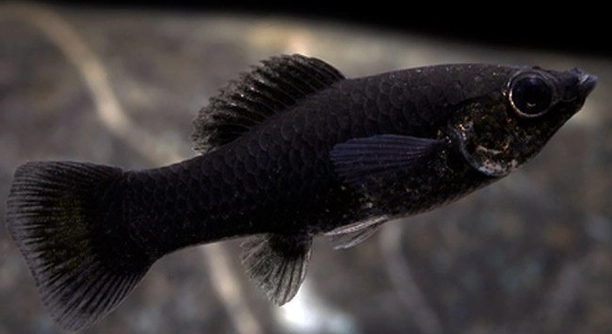
Sudden moves of Black Molly fish can cause unexpected stress and health issues. Many fish owners underestimate how sensitive these tank dwellers are to abrupt changes in their environment. Their delicate nature requires careful handling and planning.
Black Molly fish are highly sensitive to sudden tank relocations due to stress, disrupted water parameters, and increased susceptibility to disease. Proper acclimation, stable temperatures, and gradual adjustments are essential to ensure their overall health and long-term survival.
Avoiding hasty tank moves helps maintain a balanced aquatic environment and keeps your fish healthy and thriving. Following careful steps ensures their well-being and reduces unnecessary risks in your aquarium.
Stress from Sudden Changes
Black Mollies are highly sensitive to sudden changes in their environment. Moving them abruptly from one tank to another can shock their system, causing erratic swimming, loss of appetite, or hiding behavior. These fish thrive in stable conditions, where water temperature, pH levels, and filtration remain consistent. Even small differences between tanks can trigger stress, weakening their immune systems and making them vulnerable to illness. Stress also affects their breeding and social interactions, as Black Mollies rely on familiar surroundings to feel secure. A gradual acclimation process allows their bodies to adjust slowly, reducing the risk of shock. Many owners underestimate how even short-term stress can impact long-term health, and observing your fish’s behavior during transitions is essential. Techniques like floating bags to equalize temperature and slowly mixing water from the new tank can make a significant difference. Being patient during moves is crucial for their overall well-being.
Stress in fish can lead to illness, decreased activity, and even death if not managed properly.
Careful attention to gradual acclimation and monitoring water conditions ensures that Black Mollies remain healthy. By introducing small changes and giving them time to adjust, owners can prevent unnecessary suffering and promote thriving behavior. Ensuring consistency in feeding schedules, tank mates, and water quality supports their natural habits and overall health. Observing their reactions and responding quickly to signs of stress helps avoid long-term consequences. Keeping a consistent routine is one of the simplest yet most effective ways to support these sensitive fish.
Water Quality Disruptions
Even minor differences in water chemistry can disturb Black Mollies’ health.
Sudden tank moves often alter pH, hardness, or ammonia levels. Mollies are especially sensitive to these changes, which can lead to fin rot, infections, or other stress-related conditions. Proper testing and adjustment before and after moving them is essential. Maintaining a stable aquatic environment is critical to prevent long-term health problems.
Black Mollies depend on stable water parameters to thrive. Rapid relocation exposes them to unfamiliar chemical conditions, which can shock their system and reduce immunity. Preparing the new tank in advance, adjusting temperature, and gradually blending water from the old tank can mitigate these issues. Using a water conditioner and testing kits ensures that levels of ammonia, nitrites, and nitrates remain safe. Even seemingly minor fluctuations can trigger stress responses, making fish more prone to disease. Monitoring them closely for behavioral changes or signs of illness is essential after a move. By taking preventive measures and maintaining consistent water quality, owners can support healthy growth, prevent unnecessary illness, and ensure that their Black Mollies adapt smoothly to their new environment.
Increased Risk of Disease
Sudden moves expose Black Mollies to pathogens. Stress weakens their immune systems, making them vulnerable to common infections like fin rot or ich. Avoiding abrupt tank changes is key to keeping them healthy and preventing long-term illness.
When Black Mollies experience abrupt relocation, their stress levels spike, which compromises natural defenses against bacteria and parasites. Pathogens that might normally be harmless can quickly become harmful. Even minor scratches or bumps during transport can open entry points for infections. A stable environment allows their immune system to function properly, and careful acclimation reduces exposure to harmful conditions. Preventing stress-related illness is not only about comfort but also about preserving their lifespan.
Proper quarantine procedures and monitoring after any move are crucial. Gradually introducing fish to new tanks and maintaining consistent water quality ensures they remain resilient against disease. Using clean equipment and avoiding overcrowding further protects them. Even minor preventive steps can greatly reduce infection risks and support long-term health, keeping your Mollies active, thriving, and disease-free in their habitat.
Behavioral Changes
Stress from sudden tank moves often alters Black Mollies’ behavior, making them more withdrawn or aggressive than usual.
Changes in surroundings can disrupt their social hierarchy, causing fights or isolation. They may hide more, refuse food, or exhibit erratic swimming. This behavioral shift signals that the fish are unsettled and need time to adjust. Stress-related behavioral changes can affect feeding patterns, interactions with other tank mates, and breeding habits. Mollies rely on predictable routines, and sudden changes interfere with their sense of security. Observing behavior after a move helps detect early stress signs and prevent escalation into illness.
Adjusting the environment gradually reduces behavioral stress. Providing hiding spots, maintaining water stability, and monitoring interactions allows them to regain normal activity. Consistent feeding times and gentle observation help them rebuild trust in the new environment. Over time, most Mollies will resume regular swimming patterns and social behavior. Avoiding abrupt relocations minimizes disruptions to their routines and supports natural instincts. This careful approach helps maintain harmony in the tank while keeping fish healthy and comfortable in their surroundings.
Temperature Shock
Black Mollies are sensitive to rapid temperature changes. Sudden moves can expose them to water that is too warm or too cold, causing stress and physical harm.
Temperature fluctuations weaken their immune system and can trigger shock. Gradually adjusting water temperature helps prevent illness and keeps them active and healthy in their tank.
Disrupted Feeding Patterns
Sudden tank moves can make Black Mollies refuse food or eat irregularly. Stress and new surroundings confuse their appetite. Consistent feeding schedules and familiar food help restore normal eating habits. Over time, gradual acclimation allows them to resume healthy feeding patterns, supporting growth and overall well-being.
Physical Injuries
Rough handling or cramped transport during sudden moves can cause fin tears, scale damage, or other injuries. Careful packing and gentle movement are essential to avoid unnecessary physical harm and ensure a smooth transition.
Social Stress
Abrupt tank changes disrupt established social hierarchies among Black Mollies. Fighting or isolation may occur, affecting overall tank harmony. Gradual introduction and observation reduce aggression and help maintain peaceful interactions.
What is the best way to move Black Mollies between tanks?
The safest method is to acclimate them slowly. Start by floating the transport bag in the new tank for 15–20 minutes. This helps equalize temperature. Gradually add small amounts of tank water into the bag over 30–60 minutes. After acclimation, gently release them into the new tank, avoiding splashing or rapid movement.
How can I reduce stress during a move?
Minimize handling as much as possible. Keep the environment quiet and dimly lit to avoid startling them. Using a soft net or transport container with smooth surfaces helps prevent fin and scale damage. Covering the bag or container reduces visual stress. Maintaining consistent water parameters between tanks is also essential.
How do I know if my Black Mollies are stressed?
Signs include hiding, erratic swimming, loss of appetite, and clamped fins. Sudden aggression toward other fish may occur, as well as pale coloration. Monitoring behavior for at least 24–48 hours after a move can help detect stress early, allowing intervention before serious health issues arise.
Can sudden tank moves cause disease?
Yes, stress weakens the immune system, making fish more susceptible to infections such as fin rot, ich, or fungal growth. Abrupt changes in water chemistry or temperature increase vulnerability. Maintaining clean tanks and gradually introducing fish reduces the likelihood of disease outbreaks. Observation after relocation is key to early treatment.
Is quarantine necessary for new tanks?
Quarantining fish before introducing them to a new tank is highly recommended. A separate tank allows monitoring for illness and prevents disease spread. Even healthy-looking fish can carry pathogens that may harm existing tank mates. A 2–4 week quarantine period is standard practice for prevention.
How long should I monitor my Black Mollies after a move?
Closely watch behavior, feeding, and appearance for at least a week. Continued stress may take longer to resolve, especially in sensitive individuals. Check water parameters daily and maintain stable conditions. Prompt action is crucial if signs of illness or abnormal behavior appear.
What precautions help prevent physical injuries during moves?
Use smooth nets or soft containers to minimize scratches. Avoid overcrowding in transport bags and provide cushioning if needed. Move them slowly, ensuring no sudden drops or bumps. Gentle handling reduces fin tears, scale loss, and other trauma.
Do Black Mollies adapt to new tanks quickly?
Adaptation depends on how carefully the move is handled. With gradual acclimation, stable water conditions, and familiar tank setup, most Mollies adjust within a few days. Providing hiding spaces and maintaining normal feeding routines supports faster adaptation. Observation helps confirm they are settling well.
Can changing water too quickly harm Black Mollies?
Yes, abrupt changes in pH, hardness, or temperature can shock their system. Gradually mixing new tank water with their current water allows them to adjust safely. Sudden chemical shifts can cause stress, disease, or even death if not managed properly.
Are there any long-term effects of sudden tank moves?
Repeated or poorly managed moves can lead to chronic stress, reduced immunity, stunted growth, and behavioral problems. Mollies may develop persistent hiding habits, irregular feeding, or aggression toward tank mates. Careful planning, gradual acclimation, and stable conditions help prevent lasting negative impacts.
How can I maintain a stable tank during moves?
Test and adjust water parameters before the move. Use heaters, filters, and aeration consistently. Maintain regular feeding schedules and avoid overcrowding. Keeping decorations and hiding spots familiar reduces stress. Gradual introductions and monitoring help ensure the tank remains a safe and stable environment.
Is it safe to move multiple Black Mollies at once?
Moving a small group is possible, but overcrowding increases stress and the risk of injury. Ensure adequate space in transport containers and maintain water quality. Introduce them to the new tank slowly, watching interactions to prevent fights or dominance issues.
What should I do if a Molly shows signs of illness after a move?
Separate the affected fish in a quarantine tank immediately. Test water parameters and correct any imbalances. Treat with appropriate medications if necessary. Monitor recovery closely, ensuring proper feeding and minimal stress to support healing. Early action prevents the spread of disease and promotes full recovery.
How important is temperature consistency for Black Mollies?
Temperature is critical. Sudden changes can trigger shock and stress-related illness. Maintain water within the ideal range of 72–78°F, and adjust slowly when moving tanks. Gradual changes protect their immune system and prevent long-term health issues.
Can I prevent stress without changing tanks?
Yes, maintaining consistent water conditions, regular feeding, and stable social dynamics keeps Mollies comfortable. Adding hiding spots or rearranging decorations slowly can enrich their environment without causing stress. Regular observation ensures they remain healthy and active without needing a tank move.
How do I prepare a new tank for Black Mollies?
Cycle the tank fully before introducing fish to ensure beneficial bacteria are established. Match temperature, pH, and hardness with their previous tank. Include familiar decorations, hiding spots, and a gentle filtration system. Gradual acclimation and stable conditions promote smooth transitions and reduce stress.
What is the role of acclimation in preventing health issues?
Acclimation allows fish to adjust slowly to new conditions, preventing shock, stress, and disease. Mixing small amounts of new tank water over time balances chemical parameters, while gradual temperature changes protect the immune system. Proper acclimation ensures better survival, comfort, and long-term health.
How often should water parameters be tested after a move?
Daily testing is recommended for the first week. Check pH, temperature, ammonia, nitrite, and nitrate levels to detect sudden changes. Prompt adjustments prevent stress and maintain a safe environment. Consistent monitoring ensures Mollies adapt properly and remain healthy.
Are hiding spots necessary after a move?
Yes, they provide security for stressed fish. Mollies will retreat to these areas when adjusting to new surroundings. Proper placement reduces aggressive encounters, helps them feel safe, and promotes normal behavior, making the transition smoother.
Can sudden moves affect breeding?
Yes, stress from abrupt changes can halt breeding behavior. Mollies may stop spawning or abandon eggs. Stable water conditions, gradual acclimation, and a calm environment encourage reproductive activity and ensure healthy offspring.
What equipment helps make moves safer?
Smooth nets, soft transport containers, water conditioners, and gentle aeration help prevent injuries and stress. Heaters maintain temperature, and covering the transport container reduces visual stimuli. These tools collectively support a smooth, safe transition for Black Mollies.
How long should acclimation take for Black Mollies?
Typically, 30–60 minutes for small moves is sufficient, but larger environmental differences may require up to 2 hours. Slowly mixing tank water and monitoring behavior ensures they adjust safely without shock or stress.
What are the signs of a successful acclimation?
Normal swimming, active feeding, bright coloration, and interaction with tank mates indicate successful acclimation. Mollies will explore their surroundings confidently and show minimal signs of stress. Consistent observation confirms they are thriving in the new environment.
How can I reduce future stress for Black Mollies?
Plan moves carefully, maintain stable water parameters, acclimate gradually, provide hiding spots, and monitor health regularly. Avoid frequent relocations and sudden environmental changes. Consistency and attention to detail ensure long-term comfort, activity, and health for your Mollies.
Final Thoughts
Black Mollies are sensitive fish that require consistent care and attention. Sudden moves between tanks can create significant stress, affecting their overall health and behavior. Their immune systems are delicate, and abrupt changes in temperature, water chemistry, or surroundings can lead to illness, injury, and even long-term behavioral issues. Ensuring a smooth transition requires preparation, patience, and observation. Simple steps such as gradual acclimation, maintaining familiar water conditions, and providing hiding spots can make a noticeable difference. Careful handling during transport prevents physical harm like torn fins or damaged scales, which can otherwise become entry points for infection. Even experienced fish owners sometimes overlook these details, assuming their Mollies can adjust quickly, but taking the time to move them carefully ensures they remain healthy, active, and comfortable in their new environment.
Observing Black Mollies after any move is equally important. Watching for signs of stress, including hiding, erratic swimming, loss of appetite, or aggression, allows you to address issues before they worsen. Monitoring water parameters daily helps prevent chemical imbalances that can further stress fish. Gradual changes to water temperature and chemistry allow their bodies to adapt without shock. Maintaining consistent feeding schedules and routines supports both physical health and behavioral stability. Providing familiar decorations, plants, and hiding spots in the new tank can help them feel secure and reduce anxiety. Over time, these measures allow Mollies to resume normal activity, interact naturally with tank mates, and display healthy colors and energy. Paying close attention to small behavioral or environmental cues ensures they thrive rather than simply survive.
Long-term health for Black Mollies depends on consistent care, patience, and attention to detail. Abrupt tank moves are not just a minor inconvenience—they can have lasting effects on immunity, behavior, and overall well-being. By planning moves carefully, acclimating fish gradually, and monitoring them closely afterward, you create a stable, safe environment that supports growth and longevity. Consistency in water quality, temperature, feeding routines, and social interactions reduces stress and helps them maintain natural behaviors. Even small preventive steps, such as using smooth nets, soft containers, and covering transport bags, can significantly improve outcomes. Understanding their sensitivity and addressing their needs thoughtfully demonstrates responsible fishkeeping. With careful planning and ongoing observation, your Black Mollies can remain healthy, active, and vibrant, ensuring a successful and stress-free transition whenever tank changes are necessary.

Hello,
If you enjoy the content that we create, please consider saying a "Thank You!" by leaving a tip.
Every little bit helps us continue crafting quality advice that supports the health, happiness, and well-being of pets around the world, for pets of all shapes, sizes, and species.
We really appreciate the kindness and support that you show us!