
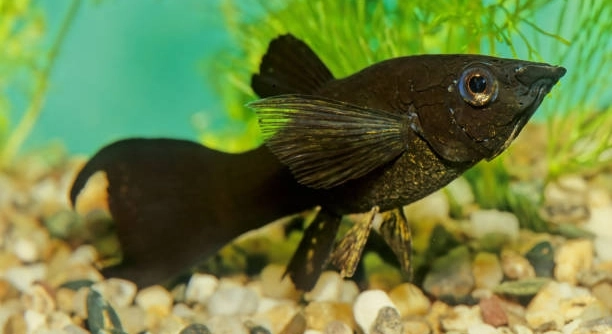
Do you ever notice your Black Molly swimming around the tank with a sudden burst of energy or chasing other fish more aggressively than usual? These small, lively fish can show surprising behavior in confined spaces.
Black Mollies can become territorial in small tanks due to limited swimming space and competition for resources. When confined, they may chase or nip at other fish to establish dominance, making tank size and stocking density critical for maintaining harmony.
Managing their space and social environment can prevent conflict and promote healthier interactions among tank mates. Proper planning ensures a peaceful community tank for Black Mollies.
Why Black Mollies Become Territorial
Black Mollies are naturally active and social fish, but when they are kept in small tanks, their behavior can change noticeably. Limited space increases stress and competition, which often leads to chasing or nipping at tank mates. Territorial behavior is more common in males, especially when there are fewer hiding spots or visual barriers. Even female Black Mollies can show aggression if the tank is crowded. A small tank also reduces opportunities for fish to establish separate areas, forcing them into constant interaction. Over time, this can lead to stress-related health issues, like weakened immune systems or slower growth. Providing plants, decorations, or partitions can help create personal zones for each fish. Observing the fish closely can reveal subtle signs of tension, such as sudden darting, fin flaring, or guarding certain areas. Adjusting tank size and population is essential for reducing conflict.
Smaller tanks amplify competition, making territorial behavior more likely and stressful for both Black Mollies and their tank mates.
A larger tank or one with plenty of hiding places allows Black Mollies to swim freely without constant confrontation. Plants, rocks, and other decorations break the line of sight, helping reduce aggression. Even adjusting the ratio of males to females can make a noticeable difference in behavior. Consistent feeding schedules and avoiding overcrowding are also important, as they minimize competition for resources. By understanding their natural instincts and providing an environment that meets their needs, the fish are calmer, healthier, and more active. Careful planning ensures that all tank inhabitants can coexist peacefully without constant stress or injury.
How Tank Size Affects Behavior
Tank size directly influences the intensity of territorial behavior in Black Mollies. Smaller spaces increase stress and limit escape routes.
A tank that is too small restricts swimming and creates constant encounters, heightening aggression. Black Mollies need space to establish personal areas, even if they are social fish. In confined spaces, minor disputes escalate quickly, as fish cannot avoid each other. Proper tank dimensions and population control are crucial to maintaining balance and reducing fights. Observing behavior and making adjustments early prevents long-term stress or injury.
Choosing the right tank size is vital for the well-being of Black Mollies. Ideally, each adult fish should have enough room to swim and explore, with at least one hiding spot for retreats. Overcrowding leads to continuous chasing, fin nipping, and stress-related illness. Decorations and plants provide boundaries and visual breaks, giving fish a sense of territory without constant confrontation. The ratio of males to females also matters; too many males can lead to dominance struggles, while a well-balanced group encourages more natural interactions. Water quality can worsen in small tanks due to waste accumulation, adding another layer of stress that may intensify aggressive behavior. Regular monitoring and tank maintenance, combined with thoughtful stocking, help ensure that Black Mollies remain active, healthy, and less prone to territorial disputes. Proper tank planning not only improves the mood of the fish but also creates a more enjoyable and stable environment for all inhabitants.
Signs of Aggression in Black Mollies
Territorial behavior in Black Mollies often shows as chasing, nipping, or fin flaring. Males are more likely to display these behaviors, but females can also act aggressively if the tank is too small or crowded.
Aggressive Black Mollies may guard certain areas of the tank, such as near plants, decorations, or feeding spots. You might notice rapid darting or sudden bursts of movement when another fish enters “their space.” Fin damage, torn tails, or stress marks on the body can appear if aggression continues. Even subtle changes, like increased hiding or refusal to eat, indicate tension. Observing these signs early helps prevent serious injuries and allows adjustments to tank size, décor, or fish ratio to reduce conflict and stress within the tank environment.
Behavior changes can also include constant following of a single fish, repeated attempts to chase it out of a corner, or flaring at reflective surfaces. These actions demonstrate that the fish is stressed and trying to assert control over its territory. Watching interactions closely allows timely interventions to calm the tank atmosphere and protect weaker or smaller fish from continuous harassment.
Managing Space to Reduce Conflict
Providing enough space is crucial for minimizing territorial disputes. Overcrowding in a small tank triggers stress and aggression among Black Mollies.
A properly sized tank gives each fish room to swim freely and establish personal zones. Decorations, plants, and rocks break lines of sight, creating natural boundaries. Hiding spots allow less dominant fish to retreat and recover. Regular water changes maintain quality, which reduces stress that can worsen aggressive behavior. Adjusting the ratio of males to females also helps balance interactions. Observing how fish interact after changes ensures the setup effectively reduces tension.
In addition to tank size, thoughtful arrangement of decorations and plants creates multiple territories and visual barriers. Open swimming areas combined with secluded corners allow Black Mollies to choose spaces according to their comfort level. Providing more females than males often reduces dominance disputes, while removing overly aggressive individuals can prevent long-term stress. Feeding in multiple locations prevents competition, ensuring all fish receive adequate nutrition without provoking conflict. Keeping a close eye on fish behavior and making incremental changes helps maintain a calmer, healthier environment that supports natural activity without continuous aggression.
Tank Decorations and Hiding Spots
Plants, rocks, and ornaments help reduce stress by breaking up the tank space. Black Mollies use these areas to escape from aggressive tank mates.
Dense vegetation and caves create multiple territories. Even small barriers give fish visual breaks, reducing constant confrontation and promoting calmer behavior.
Adjusting Male-to-Female Ratios
Keeping more females than males usually limits aggression. A balanced ratio prevents dominance struggles and reduces constant chasing in confined tanks.
Male-heavy groups often fight for attention and territory. Ensuring at least two females per male helps spread out interactions, making the tank environment more peaceful and manageable for all fish.
Feeding Strategies to Minimize Conflict
Feed in multiple locations to prevent competition. Scattered feeding reduces chasing and ensures all fish get adequate nutrition.
Monitoring and Intervening Early
Regularly watch fish behavior to spot tension. Early intervention prevents injury, stress, and long-term health issues.
Can Black Mollies live peacefully in small tanks?
Yes, Black Mollies can live in small tanks, but their behavior depends on space, decorations, and population. Smaller tanks limit swimming areas and increase encounters, which can lead to aggression. Adding plants, rocks, and hiding spots helps create separate territories, giving fish a chance to retreat and reduce stress. Adjusting the ratio of males to females also makes a difference. With proper care, small tanks can support peaceful interactions, but constant monitoring is necessary to prevent long-term stress or injury.
How can I tell if my Black Molly is being territorial?
Territorial behavior shows as chasing, nipping, fin flaring, or guarding specific areas. Males usually display these behaviors, but females may act aggressively in crowded tanks. Constant following of one fish, sudden darting, or flaring at reflections indicates tension. Torn fins, fin clamping, and hiding more than usual are signs of ongoing stress. Observing interactions daily helps identify problem behaviors early so adjustments to tank setup, population, or décor can be made to reduce aggression.
What tank size is best to prevent aggression?
A larger tank provides enough swimming space and allows fish to establish separate areas. For Black Mollies, at least 20 gallons is recommended for a small group, with extra space added per additional fish. Decorations, plants, and rocks create visual barriers and multiple territories. Overcrowding increases chasing, fin nipping, and stress-related illnesses. Open swimming areas combined with secluded corners let fish choose spaces according to comfort level. Proper tank size reduces conflicts and supports natural behavior while keeping all fish healthier and calmer.
How should I arrange decorations in a small tank?
Use plants, rocks, and ornaments to break up the space and create multiple hiding spots. Caves, dense vegetation, and floating plants provide visual breaks and give less dominant fish areas to retreat. Arranging decorations to form different territories reduces constant encounters and chasing. Open swimming areas combined with secluded corners allow fish to move freely without feeling cornered. By strategically placing decorations, you can manage aggression and create a more peaceful environment even in smaller tanks.
What male-to-female ratio works best for Black Mollies?
Keeping more females than males helps reduce aggression. A common ratio is two or three females per male. Male-heavy groups lead to constant chasing and fights for dominance or mating attention. Properly balancing the ratio spreads interactions, preventing one male from dominating or stressing the rest of the tank. Adjusting ratios over time may be necessary if new fish are introduced or if aggressive behavior persists. Maintaining this balance ensures calmer, healthier interactions.
How can feeding routines reduce territorial behavior?
Feed in multiple locations to prevent competition. Scattering food ensures all fish receive nutrition without triggering chasing or aggression. Overfeeding in one spot can cause dominant fish to guard that area, increasing territorial disputes. Feeding smaller amounts more frequently allows fish to eat without conflict. Observing feeding behavior also gives insight into aggression patterns and whether adjustments to décor or population are needed.
When should I intervene in aggressive behavior?
Intervene when chasing, fin nipping, or guarding becomes constant or causes injury. Early action prevents long-term stress and health issues. Interventions can include rearranging decorations, adding hiding spots, adjusting tank population, or separating aggressive individuals temporarily. Monitoring behavior daily ensures timely responses before problems escalate.
Are there other ways to calm territorial Black Mollies?
Adding floating plants, creating visual barriers, and providing consistent water conditions help reduce stress. Maintaining clean water, proper temperature, and stable pH prevents tension from worsening aggression. Subtle environmental adjustments often have a big impact on reducing conflicts. Watching fish closely helps determine which changes work best for your specific tank setup.
Can all Black Mollies be kept together regardless of size?
Size differences can influence aggression. Larger Black Mollies may chase smaller fish, especially in small tanks. Matching fish sizes or providing adequate space and hiding spots helps reduce bullying. Observing how new additions interact with existing fish is essential for maintaining harmony.
How often should I monitor my Black Mollies for territorial issues?
Daily observation is ideal. Watch interactions during feeding and throughout the day. Early detection of chasing, nipping, or guarding allows quick intervention to prevent injury or stress. Keeping a consistent check ensures all fish remain healthy, active, and less prone to aggressive behavior.
Black Mollies are lively and social fish, but their behavior can change depending on the size of their tank and how it is set up. In small tanks, they may show more territorial behavior because space is limited, and encounters with other fish happen constantly. Even normally calm fish can become stressed when they feel crowded or threatened. By paying attention to their environment and making small adjustments, you can help reduce conflict and keep your fish healthy and active. Decorations, plants, and hiding spots are very important in giving each fish a space to feel safe.
The ratio of males to females also plays a big role in maintaining a peaceful tank. Too many males can lead to fights and constant chasing, while a higher number of females helps spread attention and reduce stress. Feeding routines matter as well. Scattering food and feeding in multiple locations ensures all fish can eat without competition, preventing aggression over resources. Watching behavior daily is important because it allows you to notice signs of stress or territorial disputes early. By intervening at the right time, whether through rearranging the tank, adding plants, or temporarily separating aggressive fish, you can prevent injuries and long-term health problems.
Maintaining proper water quality and tank size is equally important. Clean water and stable conditions reduce stress, which in turn minimizes aggressive behavior. A larger tank naturally allows more swimming space and reduces the need for competition over territory. Even in smaller tanks, careful planning of decorations, hiding spots, and tank population can create a calmer environment. Black Mollies will be healthier, more active, and show less aggressive behavior when their space, social setup, and environment are managed thoughtfully. Paying attention to these details ensures your tank remains balanced, peaceful, and enjoyable for both the fish and anyone caring for them.

Hello,
If you enjoy the content that we create, please consider saying a "Thank You!" by leaving a tip.
Every little bit helps us continue crafting quality advice that supports the health, happiness, and well-being of pets around the world, for pets of all shapes, sizes, and species.
We really appreciate the kindness and support that you show us!