
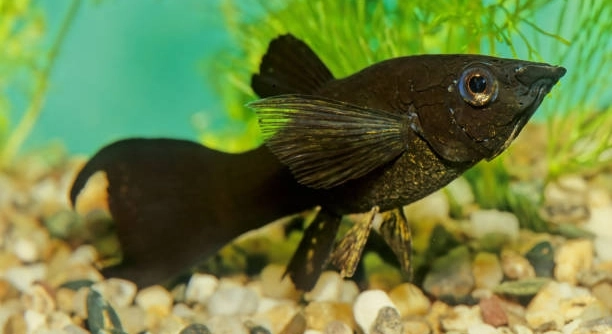
Are your Black Mollies showing clamped fins, making them look less lively than usual? This behavior can be subtle at first, but it is often an early indicator that something in their environment or health needs attention.
Clamped fins in Black Mollies are typically caused by stress, poor water quality, inadequate diet, illness, parasites, sudden environmental changes, or improper tank mates. Identifying and addressing these factors promptly is essential to maintain the fish’s overall well-being and prevent long-term health issues.
Understanding the root causes of clamped fins helps you take better care of your fish. Addressing these issues ensures a healthier, more vibrant aquarium environment.
Poor Water Quality
Black Mollies are very sensitive to water conditions. High levels of ammonia, nitrites, or nitrates can cause stress and lead to clamped fins. Sudden changes in pH, temperature fluctuations, or unclean tanks can also make them uncomfortable. Regular water testing and partial water changes help maintain a stable environment.
Keeping the tank clean and stable is essential. Fish respond quickly to consistent water conditions.
Ensuring optimal water quality involves monitoring parameters like pH, ammonia, and nitrate levels. Using a reliable water testing kit, performing partial water changes weekly, and cleaning the substrate can prevent harmful buildups. Additionally, avoid overcrowding the tank, as too many fish increase waste and reduce water stability. By maintaining consistent water quality, Black Mollies remain healthy, active, and display natural fin behavior.
Stress from Tank Environment
Changes in the tank setup can stress Black Mollies. Moving decorations, introducing new fish, or loud vibrations may cause discomfort.
Stress reduces immunity and can trigger clamped fins. Maintaining a calm, stable environment helps fish feel secure.
To reduce stress, keep the tank layout consistent and introduce new elements gradually. Limit sudden noise, excessive handling, or rapid changes in water conditions. Ensure hiding spots like plants or decorations provide a sense of security. Introducing new fish slowly and quarantining them first prevents aggression or disease. Monitoring fish behavior during these changes allows you to address stress before it affects health. Over time, a stable environment encourages natural swimming patterns, proper feeding, and full fin extension, improving overall well-being and reducing the likelihood of clamped fins.
Inadequate Diet
A poor diet can weaken Black Mollies and cause clamped fins. Lack of variety or essential nutrients affects their energy, immune system, and overall health, making them more susceptible to stress and illness.
Providing a balanced diet with high-quality flakes, pellets, and occasional live or frozen foods ensures proper nutrition. Black Mollies benefit from a mix of protein, vegetables, and vitamins. Feeding small portions multiple times a day prevents overfeeding and maintains water quality. Nutrient deficiencies can lead to weakened fins, dull colors, and reduced activity, so monitoring their diet is crucial for long-term health.
Supplementing their diet with fresh greens like spinach or zucchini helps mimic natural feeding habits. Occasional live foods, such as brine shrimp or daphnia, encourage natural foraging behavior. Avoid excessive fatty foods, as they can cause digestive issues and further stress. By providing a varied and balanced diet, Black Mollies are more energetic, show brighter colors, and maintain healthy fins consistently.
Parasites and Illness
External parasites or internal infections often cause clamped fins in Black Mollies. Common issues include ich, flukes, or bacterial infections that irritate the fish, making them curl fins to protect themselves.
Regular observation and early intervention are key. Look for signs like white spots, red streaks, or unusual swimming behavior. Quarantining sick fish prevents the spread of disease. Treatments vary depending on the condition and may involve medicated foods, water treatments, or antibiotics prescribed for aquarium use. Keeping the tank clean, avoiding overcrowding, and monitoring water parameters reduces the risk of infections.
Early detection makes treatment easier and more effective. Isolating affected fish and following proper medication instructions ensures recovery while minimizing stress. A stable environment, balanced diet, and consistent water quality strengthen the fish’s immunity. Regularly inspecting fins, gills, and scales helps catch issues before they worsen. By addressing illnesses promptly, Black Mollies can regain full fin extension and resume normal behavior, improving their overall health and vitality.
Sudden Temperature Changes
Rapid shifts in water temperature can stress Black Mollies and lead to clamped fins. Maintaining a stable temperature between 75–82°F is crucial for their comfort and health.
Using a reliable heater and thermometer prevents sudden fluctuations. Even minor drops or spikes can disrupt metabolism and behavior.
Incompatible Tank Mates
Aggressive or overly active fish can intimidate Black Mollies, causing them to keep fins clamped. Peaceful tank mates are essential to reduce constant stress and ensure a safe environment for all fish.
Selecting compatible species and monitoring interactions helps maintain harmony. Avoid overcrowding and provide plenty of hiding spots to give Black Mollies space to feel secure.
Poor Oxygenation
Low oxygen levels in the tank make Black Mollies lethargic and prone to clamped fins. Proper aeration ensures they can breathe comfortably and remain active.
What are clamped fins in Black Mollies?
Clamped fins occur when a Black Molly keeps its fins close to its body instead of spreading them out naturally. This behavior is a common stress response and can indicate health issues, poor water quality, or environmental discomfort. Observing clamped fins early helps prevent more serious problems.
Why do Black Mollies clamp their fins?
Several factors cause fin clamping. Stress from sudden changes, poor water conditions, incompatible tank mates, or illness can all trigger this behavior. Nutritional deficiencies and low oxygen levels also contribute. Clamped fins are rarely normal behavior and usually signal that something in the tank needs attention.
How can I fix clamped fins in my Black Mollies?
Start by checking water quality. Ensure ammonia, nitrites, and nitrates are within safe levels. Maintain a stable temperature and pH. Remove aggressive tank mates and provide hiding spots. Adjust the diet to include balanced nutrition. If illness or parasites are suspected, treat promptly using appropriate medication.
Can diet affect fin clamping?
Yes, diet plays a key role. Lack of essential nutrients weakens the immune system, making Black Mollies more prone to stress and clamped fins. Feeding a combination of high-quality flakes, pellets, and occasional live or frozen foods ensures they receive adequate protein, vitamins, and minerals.
Is stress reversible in Black Mollies?
Stress can often be reversed with proper care. Stabilizing water parameters, ensuring a peaceful tank environment, and providing a balanced diet can help mollies recover. Once stress is reduced, fins typically return to their normal, extended position, and overall activity improves.
How do I prevent clamped fins from returning?
Consistent maintenance is key. Keep the tank clean, avoid overcrowding, and monitor water parameters regularly. Provide a balanced diet and compatible tank mates. Regular observation helps detect early signs of stress, allowing you to intervene before fin clamping occurs again.
Are diseases a common cause of clamped fins?
Yes, illnesses like bacterial infections, ich, or parasites often cause fin clamping. Early detection and treatment are essential. Quarantining sick fish, following medication instructions carefully, and maintaining good tank hygiene can prevent the spread of disease and restore fin health.
Can low oxygen levels cause clamped fins?
Low oxygen in the tank can make Black Mollies lethargic and prone to clamped fins. Using an air pump, maintaining proper water movement, and avoiding overcrowding ensure sufficient oxygen, keeping fish active and healthy.
Do environmental changes affect Black Mollies’ fins?
Yes, sudden changes in temperature, pH, or tank layout can stress mollies, resulting in clamped fins. Introduce changes gradually, maintain consistent water conditions, and provide plants or decorations for hiding spaces to reduce stress.
How long does it take for fins to return to normal?
Recovery time varies depending on the cause. With improved water quality, proper diet, and reduced stress, fins can return to normal within days to a couple of weeks. Persistent clamping may indicate illness, requiring further observation and treatment.
Are all clamped fins caused by illness?
Not always. Stress, poor water conditions, or incompatible tank mates are more common causes than disease. Illness is usually accompanied by other signs like discoloration, spots, or abnormal swimming behavior. Monitoring behavior and environment helps determine the underlying cause.
Can clamped fins affect other fish in the tank?
Clamped fins indicate stress or illness, which can indirectly affect other fish. Stress can increase susceptibility to disease, and aggressive behavior from other fish may worsen the problem. Maintaining a balanced, clean, and compatible tank helps protect all inhabitants.
Is it necessary to quarantine affected Black Mollies?
Quarantining sick or stressed mollies is recommended, especially if illness or parasites are suspected. A separate tank allows targeted treatment and prevents disease from spreading while giving the fish a calm environment to recover.
Can poor tank maintenance lead to clamped fins?
Neglecting tank care often results in poor water quality, accumulated waste, and unstable conditions, all of which stress Black Mollies. Regular cleaning, water changes, and monitoring of water parameters prevent clamped fins and promote long-term health.
Does overfeeding contribute to fin clamping?
Overfeeding can pollute the tank, causing spikes in ammonia and nitrates. This environmental stress may trigger clamped fins. Feeding small, controlled portions and removing uneaten food helps maintain water quality and fish health.
Are there behavioral signs that indicate clamped fins?
Yes, mollies with clamped fins often swim less, stay near the bottom, or hide more than usual. They may appear lethargic, eat less, or react unusually to other fish. Observing these signs early allows timely intervention.
Can adding plants reduce stress in Black Mollies?
Plants provide hiding spots, break lines of sight, and create a natural environment, which reduces stress. A calm, structured tank encourages natural behavior, helping mollies keep fins extended and maintain overall health.
How often should I check water parameters to prevent clamped fins?
Testing water at least once a week helps catch imbalances before they stress fish. Regular monitoring of ammonia, nitrites, nitrates, and pH ensures a stable environment, preventing fin clamping and other health issues.
Can clamped fins return even after treatment?
Yes, if stressors or poor conditions persist, fins may clamp again. Continuous care, stable water quality, proper diet, and compatible tank mates are essential to prevent recurrence and maintain healthy, extended fins.
Black Mollies are vibrant, active fish that bring life to any aquarium, and keeping them healthy requires attention to their environment, diet, and overall care. Clamped fins are one of the first signs that something might be wrong, and noticing this behavior early can make a significant difference. Often, the causes are straightforward, such as stress from sudden changes, poor water quality, or incompatible tank mates. By monitoring your fish closely and maintaining a stable tank environment, you can prevent many common issues that lead to clamped fins. Regular observation allows you to see subtle changes in behavior before they develop into serious health problems, which helps your Black Mollies remain active and display their natural, full fins.
Maintaining water quality is essential for preventing clamped fins. Testing for ammonia, nitrites, and nitrates, along with keeping pH and temperature stable, ensures a safe and comfortable environment. Even small changes in water parameters can stress Black Mollies, leading to fin clamping or other health concerns. In addition to clean water, diet plays a crucial role. A balanced mix of high-quality flakes or pellets, supplemented with occasional live or frozen foods and fresh vegetables, keeps your fish healthy and energized. Providing a well-rounded diet strengthens the immune system, making the fish more resilient to stress, disease, and parasites that could otherwise result in clamped fins. Careful attention to both diet and water creates a foundation for a thriving aquarium.
Behavioral and environmental factors also have a strong impact on fin health. Stress from loud noise, sudden movements, or aggressive tank mates can cause Black Mollies to clamp their fins. Adding hiding spots, stable decorations, and compatible fish reduces stress and encourages natural behavior. Proper oxygenation and adequate space further support their well-being. If illness or parasites are present, early intervention through quarantine and treatment helps restore normal fin appearance. Overall, consistent care, monitoring, and attention to detail are key. By addressing water quality, diet, and environmental stressors, Black Mollies are more likely to display healthy fins, vibrant colors, and active swimming patterns, creating a more enjoyable and balanced aquarium.

Hello,
If you enjoy the content that we create, please consider saying a "Thank You!" by leaving a tip.
Every little bit helps us continue crafting quality advice that supports the health, happiness, and well-being of pets around the world, for pets of all shapes, sizes, and species.
We really appreciate the kindness and support that you show us!