
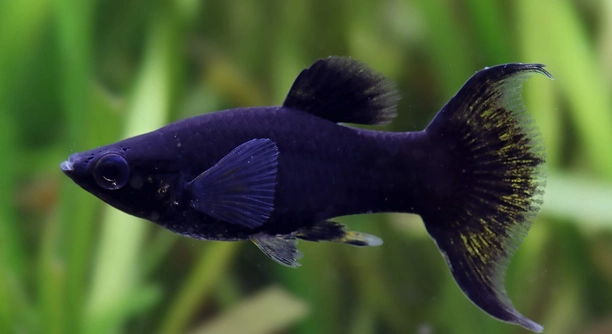
Keeping a Black Molly fish healthy requires more than just feeding it daily. A clean and stable environment is essential. Regular maintenance and simple cleaning routines can make a big difference in the well-being of these fish.
Maintaining a consistent cleaning schedule, removing uneaten food, and monitoring water quality are key practices that support Black Molly health. These habits prevent disease, reduce stress, and promote a stable aquatic environment conducive to long-term vitality and growth.
By practicing these habits, you can enjoy a lively, thriving aquarium while ensuring your Black Molly stays strong and active for years to come.
Regular Water Changes
Changing water regularly is essential for keeping Black Molly fish healthy. I usually replace about 25% of the tank water once a week. This helps remove waste, leftover food, and harmful chemicals that can build up over time. Even small amounts of ammonia or nitrites can stress fish and make them prone to disease. When I change the water, I also make sure to treat tap water with a conditioner to remove chlorine and heavy metals. This keeps the fish comfortable and avoids sudden shocks to their system. Monitoring water temperature is also important, as Molly fish prefer slightly warm water. I like to use a thermometer every time I change the water to ensure the temperature stays consistent. Small, steady changes are much better than large sudden changes. Over time, this simple habit has helped my Black Mollies grow healthier and more active, showing brighter colors and smoother swimming.
Water changes keep the tank environment stable and reduce stress for the fish, improving overall health.
Consistent water maintenance also prevents algae overgrowth and foul smells in the tank. By removing debris and replacing a portion of the water, the balance of beneficial bacteria remains intact. This helps with biological filtration, breaking down harmful compounds and keeping the water safe. Regular partial water changes also allow for checking equipment, such as filters and heaters, ensuring everything works correctly. Over time, this simple practice reduces the likelihood of disease and keeps the fish lively. Even small efforts each week add up, giving the Black Mollies a healthy, clean space to swim freely. Watching them thrive makes the task feel worth it. Keeping a routine helps prevent sudden health issues and ensures the tank stays clear and pleasant.
Cleaning the Tank Substrate
Gravel and sand can trap food and waste, so cleaning the substrate is important.
Using a siphon or vacuum, I clean the bottom during water changes. It prevents buildup and keeps water quality high.
Substrate cleaning removes decaying material that can release toxins into the water. Over time, leftover food, fish waste, and plant debris can accumulate under rocks and decorations. Even if the water looks clear, these hidden areas can stress fish and encourage algae growth. I gently move the siphon around the gravel to pull out debris without disturbing the fish too much. This process also gives me a chance to inspect the tank for any leftover uneaten food or areas where dirt collects. Consistency is key—skipping this step can allow waste to build up, making future cleaning harder. Clean substrate ensures a healthy environment, reduces harmful bacteria, and supports the overall stability of the tank. This small habit keeps Black Mollies energetic and thriving.
Cleaning the Filter
Filters trap debris and help keep water clear, so regular cleaning is important.
I rinse the filter media gently in a bucket of tank water to avoid killing beneficial bacteria. This keeps the filtration effective and prevents buildup that could harm the fish. Avoid using tap water directly, as chlorine can destroy helpful bacteria and reduce water quality.
Cleaning the filter also helps the equipment last longer. Over time, debris can clog the filter, making it work harder and reducing water flow. By maintaining it weekly or biweekly, the water remains clear, ammonia and nitrite levels stay low, and the fish experience less stress. I notice my Black Mollies swim more actively after a freshly cleaned filter because the environment feels stable and comfortable.
Removing Uneaten Food
Uneaten food can quickly pollute the tank, so it’s best to remove it promptly.
I use a small net or siphon to pick up leftover pellets or flakes after feeding. This prevents decay and keeps water clean.
Leaving uneaten food in the tank can lead to ammonia spikes, which are harmful to Black Mollies. It also encourages algae growth, making maintenance harder. I try to feed only what the fish can eat in a few minutes. Any excess is removed right away. Over time, this habit helps maintain a balanced tank environment, reduces odors, and keeps the fish healthy. Proper feeding and cleanup make a noticeable difference in their activity and overall appearance.
Monitoring Water Temperature
Maintaining stable water temperature is important for Black Mollies’ health. I keep a thermometer in the tank and check it daily to avoid sudden changes that can stress the fish.
Using a heater with a thermostat helps maintain consistent warmth. Black Mollies prefer slightly warm water, and stable temperatures reduce the risk of illness.
Cleaning Decorations
I clean plants, rocks, and ornaments regularly to prevent algae buildup. This keeps the tank visually appealing and safe for the fish.
Scrubbing decorations gently during water changes prevents algae and harmful bacteria from accumulating. Removing debris from plants and ornaments also supports cleaner water, reducing stress for Black Mollies and keeping their environment healthy and comfortable.
Observing Fish Behavior
Watching the fish closely helps spot health issues early. Changes in activity, color, or eating habits can indicate problems that need attention.
Maintaining Proper pH Levels
I test water pH weekly to ensure it stays within a healthy range. Balanced pH helps Black Mollies thrive and reduces stress.
FAQ
How often should I change the water in my Black Molly tank?
I change about 25% of the water every week. This removes waste, uneaten food, and harmful chemicals. Consistent water changes help keep ammonia and nitrite levels low, creating a stable environment where Black Mollies can thrive. Sudden large changes can stress the fish, so I stick to small, steady replacements.
What is the best way to clean the tank substrate?
I use a siphon or gravel vacuum during water changes. It removes trapped food, waste, and debris without disturbing the fish too much. Even if the water looks clear, substrate cleaning prevents hidden buildup that can release toxins. I clean around decorations and under plants to keep everything safe and healthy.
How should I maintain the filter?
The filter should be cleaned gently every week or two. I rinse the media in a bucket of tank water to avoid killing beneficial bacteria. Avoid using tap water directly, as chlorine can destroy helpful bacteria and reduce water quality. A well-maintained filter keeps water clear and ensures proper circulation.
How do I handle uneaten food?
I remove leftover food right after feeding using a small net or siphon. Uneaten food can decay quickly, causing ammonia spikes and promoting algae growth. Feeding only what the fish can eat in a few minutes helps prevent this problem. Over time, this habit keeps water clean and the fish healthy.
What is the ideal water temperature for Black Mollies?
Black Mollies prefer slightly warm water, usually around 75–80°F (24–27°C). I use a heater with a thermostat and check the thermometer daily. Consistent temperature reduces stress and prevents illness. Sudden temperature drops or spikes can affect their immune system and behavior.
How often should I clean decorations and plants?
I clean ornaments, rocks, and plants during regular water changes. Gently scrubbing them prevents algae buildup and removes trapped debris. This not only keeps the tank looking good but also reduces harmful bacteria. Regular cleaning ensures the fish have a safe and comfortable environment.
How do I monitor my fish’s health?
Observing behavior is key. I watch for changes in swimming patterns, appetite, and color. Slow swimming, hiding, or faded colors can indicate stress or illness. Catching these early allows me to adjust water conditions or consult resources before problems worsen.
What pH level is best for Black Mollies?
I test water pH weekly to keep it between 7.5 and 8.5. Balanced pH reduces stress and supports healthy fish metabolism. Small fluctuations are manageable, but consistent extremes can harm them. Adjusting pH slowly ensures stability and long-term health.
Can overfeeding harm Black Mollies?
Yes, overfeeding leads to leftover food, water pollution, and health issues like bloating. I feed only what the fish can eat in a few minutes, usually once or twice daily. Careful portioning helps maintain clean water and prevents digestive problems.
How do I prevent algae growth?
Maintaining water quality, controlling feeding, cleaning decorations, and avoiding excessive sunlight help prevent algae. I also clean algae from the tank walls as needed. These habits keep the tank clear and reduce stress for the fish.
What should I do if a fish shows signs of illness?
I isolate the affected fish in a quarantine tank if possible and check water conditions. Common issues can result from poor water quality or stress. Adjusting care routines, monitoring closely, and seeking advice early can prevent serious problems and protect the rest of the tank.
Is it necessary to test water parameters regularly?
Yes, I test ammonia, nitrites, nitrates, and pH weekly. Regular testing ensures the tank environment is stable and healthy. Catching imbalances early allows for quick corrections, keeping Black Mollies safe and active.
Can I mix Black Mollies with other fish?
Black Mollies are generally peaceful but may not thrive with aggressive or very small species. I observe interactions carefully, ensuring tankmates are compatible in size, temperament, and water requirements. A harmonious community supports the health of all fish.
How do I keep the tank environment stable?
Consistent feeding, regular water changes, filter maintenance, and monitoring temperature and pH keep the environment stable. Small daily and weekly routines prevent sudden changes, reducing stress and promoting long-term health for Black Mollies.
What signs indicate the tank is too dirty?
Cloudy water, strong odors, excess algae, and sluggish fish are clear signs. I address these issues immediately with water changes, substrate cleaning, and filter maintenance. A clean, stable environment keeps Black Mollies active and colorful.
Taking care of Black Molly fish is mostly about keeping their environment clean and stable. Simple habits like changing water regularly, cleaning the substrate, and maintaining the filter can make a big difference. When these routines are followed consistently, the fish show fewer signs of stress and stay more active. I’ve noticed that even small, regular efforts make the tank healthier than occasional deep cleanings. Consistency is more effective than large, sudden changes because Black Mollies thrive in stable conditions. Paying attention to water temperature, pH, and leftover food also helps prevent problems before they start. Over time, the tank becomes a safe and comfortable home for the fish, and they reward this care by swimming actively and displaying brighter colors. These habits may seem basic, but they form the foundation for keeping Black Mollies healthy.
Observation is another key part of caring for these fish. Watching their behavior every day helps identify early signs of illness or stress. Changes in swimming patterns, appetite, or coloration can indicate that something is off in the tank. I make it a habit to spend a few minutes each day watching the fish and checking the water. This also helps me notice issues with the tank equipment, such as a slow filter or uneven temperature. By spotting problems early, I can make small adjustments before they become serious. Even minor changes in behavior are important to recognize because Black Mollies are sensitive to their environment. This careful attention complements regular cleaning and maintenance, ensuring the fish remain healthy and active for a long time.
Overall, keeping Black Mollies healthy is achievable with simple, consistent care. Regular cleaning, careful feeding, stable water conditions, and close observation all work together to create a supportive environment. The tasks don’t have to be complicated, and maintaining a routine makes them manageable. Over time, these habits not only protect the fish but also make maintaining the tank easier and more enjoyable. A clean tank with healthy fish is rewarding to see, and it reflects the effort put into their care. By following these practices, Black Mollies can live longer, more vibrant lives, and the aquarium becomes a pleasant and lively space. Consistent care is the key, and even small daily efforts build up to a healthy, thriving environment for these fish.

Hello,
If you enjoy the content that we create, please consider saying a "Thank You!" by leaving a tip.
Every little bit helps us continue crafting quality advice that supports the health, happiness, and well-being of pets around the world, for pets of all shapes, sizes, and species.
We really appreciate the kindness and support that you show us!