
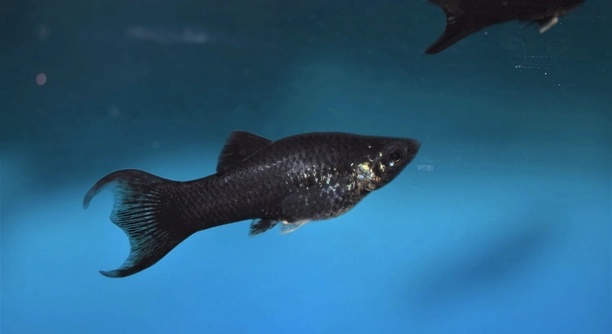
Moving can be stressful for everyone, including your black molly fish. These small fish are sensitive to changes in their environment, and sudden disturbances can make them uneasy or even affect their health.
To keep black mollies calm during moves, it is essential to maintain stable water conditions, minimize handling, and provide a familiar environment. Gradual acclimation and careful transport reduce stress, ensuring their well-being throughout the relocation process.
Proper preparation and gentle handling can make a big difference for your fish’s comfort and safety during any move.
Preparing Your Black Molly for a Move
Before moving, it is important to get your black molly ready. Start by making sure the tank water is clean and stable. Test the water for ammonia, nitrite, and pH levels to ensure they match your fish’s current environment. Gradually reduce feeding a day before the move to avoid leftover waste in the transport container. Remove any decorations or plants that might get damaged, but keep a few familiar items to reduce stress. Use a small, sturdy container with a secure lid to transport your fish. Adding a small amount of tank water helps maintain the proper environment. Make sure the container is cushioned and kept level during transport. Temperature should be consistent with their current tank, using insulated bags or small heaters if needed. Avoid sudden movements and loud noises that could frighten them. Planning these steps carefully ensures your molly stays calm and healthy during the move.
Transporting your molly in a familiar container helps reduce stress and keeps the water stable.
Once your molly is in the container, avoid unnecessary handling. Keep the container in a quiet area of the vehicle and avoid sharp turns or sudden stops. If possible, maintain the container’s water temperature using insulation or a small heat pack. Check on your molly periodically but keep disturbances minimal. After arriving, slowly acclimate your fish to the new tank by adding small amounts of the new water into the transport container over 15 to 30 minutes. This gradual adjustment helps prevent shock from temperature or water chemistry differences. Once fully acclimated, gently release your molly into the new tank and monitor their behavior for the first few hours. Observing them closely allows you to respond quickly if any signs of stress appear. Keeping a calm and steady approach throughout this process supports your black molly’s well-being and reduces the chances of health issues.
Maintaining Calm in the New Tank
Introduce your black molly gradually to the new environment to prevent stress.
Keep the tank quiet and stable during the first days. Avoid bright lights, sudden noises, and rapid water changes. Adding familiar decorations or plants can provide hiding spots and comfort. Monitor your fish for normal swimming and feeding patterns. Feeding should be light and consistent, and water parameters should be checked daily. Avoid introducing new fish immediately to prevent territorial stress. Adjust the tank temperature slowly if needed and perform partial water changes to maintain water quality. Providing a calm environment supports the molly’s adaptation and overall health. Over the next week, observe behavior closely and continue gentle care. Proper monitoring ensures your molly adjusts without unnecessary stress. This careful attention allows them to regain confidence in their new surroundings, swim freely, and eat normally. Small steps in acclimation make a noticeable difference in how quickly your fish settles and stays healthy.
Keeping Water Conditions Stable
Regularly monitor water temperature and pH to keep your black molly calm. Avoid sudden changes and use a thermometer to ensure consistency. Stable water conditions prevent stress and support overall health.
Maintaining consistent water conditions is key for black mollies after a move. Sudden shifts in temperature or pH can shock them, causing erratic behavior or illness. Use a reliable thermometer and test kits to track water quality daily. Avoid adding new water all at once; instead, perform gradual changes if needed. Keeping water clean and stable helps your fish adapt more quickly, reduces stress, and encourages normal feeding and swimming patterns. Insulating the tank can help maintain temperature, especially in fluctuating climates.
Filtration is also important. Ensure the filter is running correctly and clean it as necessary without removing too much beneficial bacteria. Avoid using strong chemicals or treatments that could alter water parameters. Adding some plants or decorations can help your molly feel secure and reduce stress. Observing the fish closely will help you notice early signs of discomfort or illness. Gradual adjustments, gentle handling, and stable conditions work together to maintain a calm environment and support their long-term well-being.
Minimizing Stress During the First Week
Limit loud noises and vibrations near the tank to keep your molly calm. Provide hiding spots with decorations or plants.
During the first week in a new tank, your black molly is particularly sensitive to disturbances. Keep the tank in a quiet area away from heavy foot traffic and sudden noises. Avoid tapping the glass or making abrupt movements around the tank. Adding decorations, rocks, or live plants gives your molly safe spaces to hide and feel secure. Feed lightly and consistently to encourage normal eating habits without overwhelming their system. Keep monitoring water parameters to ensure they remain stable, as sudden changes can cause stress or health problems.
Consistency and gentle care during this period are critical. Observe swimming patterns, appetite, and interactions with tank mates. Reduce handling and avoid introducing new fish immediately. Make sure light cycles are regular, and water changes are gradual. Gradual acclimation, proper feeding, and minimal disturbances help your black molly settle in safely. By providing a calm environment with stable water and familiar hiding spots, you support their adjustment and reduce stress, promoting healthy behavior and overall well-being in the new tank.
Gentle Feeding Practices
Offer small, frequent meals to avoid overfeeding and reduce stress. Remove uneaten food promptly to keep water clean and safe for your molly.
Feed your black molly lightly during the first days after moving. Large meals can overwhelm their system and worsen stress. Stick to small portions, observing how much they eat, and adjust accordingly.
Using Hiding Spots
Provide plants, rocks, or small decorations for your molly to hide behind. These safe spaces help them feel secure.
Hiding spots reduce stress and give your molly a sense of control in a new environment. Place them in areas with gentle water flow and near the bottom of the tank. Avoid overcrowding, but ensure each fish has access. Observing your molly use these spaces shows they are adapting well.
Monitoring Behavior
Watch for changes in swimming, appetite, or interactions with tank mates. Early observation helps prevent health issues.
FAQ
How long does it take for a black molly to adjust after moving?
Adjustment time can vary depending on the fish and the stability of the new tank. Typically, black mollies start showing normal behavior within a few days. Full adaptation, including regular feeding and calm swimming, usually occurs over one to two weeks. Providing a quiet, stable environment speeds up the process.
Can I feed my molly normally right after a move?
It’s best to feed small portions for the first few days. Stress can reduce appetite, and overfeeding may pollute the water. Observe how much your molly eats and adjust portions gradually. Gradual feeding helps maintain water quality and reduces the risk of digestive problems.
Do black mollies need hiding spots in a new tank?
Yes, hiding spots are important. Plants, rocks, or decorations give your molly a safe place to feel secure. These areas reduce stress and encourage normal behavior. Make sure the hiding spots are stable and won’t fall or shift easily, which could startle the fish.
Should I change water immediately after moving?
Avoid large water changes right after a move. Sudden shifts in water chemistry can stress your molly. Instead, make small, gradual adjustments if necessary. Check temperature, pH, and ammonia levels daily. Only perform partial water changes to maintain stability during the first week.
Is it normal for a molly to hide a lot after moving?
Yes, hiding frequently is common. It’s a natural response to stress. Give them time and space, and avoid tapping the glass or chasing them. Gradually, they will explore the tank more and resume normal swimming and feeding behaviors.
Can I introduce new fish right after moving?
It’s better to wait at least a week or two. Introducing new fish too soon increases stress and can lead to aggression or illness. Let your black molly settle first, then slowly acclimate new fish while monitoring interactions. This ensures a smoother integration.
How do I know if my molly is stressed?
Signs of stress include erratic swimming, hiding excessively, loss of appetite, clamped fins, or color fading. Regular observation is key. If you notice these behaviors, check water quality, temperature, and feeding habits. Addressing issues quickly helps prevent illness.
Can temperature changes affect my molly after moving?
Yes, black mollies are sensitive to temperature shifts. Keep the new tank within a consistent range similar to the previous tank. Sudden drops or increases can shock them, leading to stress or health problems. Using an aquarium heater or insulated transport container helps maintain stability.
Is it safe to use water from the old tank in the new tank?
Using some water from the old tank can help reduce stress and maintain familiar bacteria. It helps stabilize water parameters and makes the transition smoother. Mix old water gradually with the new tank water to avoid drastic changes.
How often should I check the tank after moving?
Daily checks are important during the first week. Monitor temperature, pH, ammonia, nitrite, and nitrate levels. Observe behavior and appetite as well. Consistent monitoring ensures a calm, healthy environment and allows early intervention if problems arise.
What if my molly seems sick after moving?
If signs of illness appear, such as lethargy, unusual spots, or rapid gill movement, act quickly. Test water parameters and correct any issues. If symptoms persist, consult a veterinarian or experienced aquarist. Early action can prevent serious problems and support recovery.
Can I keep the lights on all day to comfort my molly?
No, maintaining a regular day-night cycle is important. Excessive light can stress your molly. Provide 10–12 hours of light followed by darkness to mimic natural conditions. Consistent lighting helps regulate behavior, feeding, and overall well-being.
How do I handle the molly during transport?
Minimize handling. Use a small, secure container with water from the tank, and avoid rough movements. Keep the container level and insulated if needed. Gentle handling reduces stress and prevents injury. Check on the fish occasionally without disturbing them too much.
Is it necessary to quarantine my molly after moving?
Quarantine isn’t required if moving into an already healthy tank. However, if you plan to add new fish later, a short quarantine period can help prevent the spread of disease. This is a precautionary measure for long-term tank health.
How do I reduce stress when cleaning the new tank?
Perform small, partial water changes and clean gently. Avoid strong chemicals, sudden water temperature changes, or moving decorations abruptly. Gradual cleaning maintains water quality without shocking your molly, helping them stay calm and healthy during maintenance.
Can black mollies get along with other fish after a move?
Yes, if introduced carefully. Wait until your molly is settled before adding new tank mates. Ensure the tank isn’t overcrowded and provide hiding spaces. Gradual introductions reduce stress and help maintain harmony among the fish.
How long should I avoid strong water currents?
For the first few days, keep water flow gentle. Strong currents can overwhelm a stressed molly. Once they acclimate and start swimming normally, you can gradually increase filtration or flow to standard levels. Observation is key to ensure comfort and health.
Is it normal if my molly changes color after moving?
Temporary color changes can happen due to stress. If your molly shows normal behavior, eats, and swims normally, the color should return within a few days. Persistent fading or unusual spots may indicate water issues or illness.
What temperature range is safest for black mollies after moving?
Keep the tank between 75–82°F (24–28°C). Maintaining a consistent temperature within this range helps reduce stress and supports their immune system. Avoid sudden fluctuations, which can lead to illness or erratic behavior.
How do I know when my molly is fully adjusted?
Signs include regular swimming, normal feeding, bright coloration, and curiosity about the tank. They will stop hiding excessively and interact naturally with the environment. Full adjustment usually occurs within one to two weeks under stable conditions.
Can stress affect molly reproduction after moving?
Yes, stress can temporarily reduce reproductive activity. Females may stop producing fry, and males may be less active. Once settled in a stable, calm environment, normal breeding behaviors typically resume.
Should I keep decorations from the old tank?
Keeping some familiar decorations helps your molly feel secure. Introduce new items gradually to avoid overwhelming them. Balanced familiarity and enrichment support mental well-being and reduce stress during the adjustment period.
How can I prevent water quality issues after a move?
Test water regularly, perform partial changes, and avoid overfeeding. Clean filters without removing too much beneficial bacteria. Consistent care and monitoring prevent spikes in ammonia or nitrite, keeping your molly healthy and calm.
Is it okay if my molly swims near the surface more than usual?
Occasional surface swimming can indicate stress or adjustment. Ensure water quality is good and oxygen levels are sufficient. If behavior persists or other symptoms appear, check temperature, filtration, and tank conditions to address potential issues.
How do I reduce stress during the first week of a new tank?
Keep the environment quiet, maintain stable water, provide hiding spots, and feed small amounts consistently. Limit handling and avoid sudden changes. Gentle care, observation, and consistency are the most effective ways to help your molly feel safe and adapt quickly.
Can temperature drops during transport harm my molly?
Yes, sudden drops can cause shock. Insulate the container, avoid leaving it in cold areas, and consider using a small heat pack if needed. Keeping a stable temperature prevents stress and supports survival during transit.
Should I use a net to move my molly between tanks?
Minimize net use. Pouring or gently transferring water with the fish reduces stress and the risk of injury. Nets can startle them and remove protective slime coating, which helps prevent infections. Gentle handling is safer and more comfortable.
Can moving affect a molly’s immune system?
Yes, stress from moving can temporarily weaken immunity. Providing stable conditions, gentle handling, and proper feeding helps reduce stress and supports recovery, lowering the risk of illness in the new environment.
Is it normal if my molly refuses to eat at first?
Yes, temporary appetite loss is common due to stress. Offer small portions and observe. Appetite should return within a few days as they adjust. Avoid overfeeding, which can worsen water quality and stress.
How often should I test water after moving?
Daily testing for the first week is ideal. Monitor ammonia, nitrite, nitrate, pH, and temperature. Regular checks ensure the environment remains stable and safe, helping your molly adjust smoothly.
What should I do if my molly scratches against decorations?
Scratching can indicate irritation or stress. Check water quality, ensure decorations are smooth, and remove sharp objects. Observing closely helps identify causes and prevent injury.
Can adding live plants help reduce stress?
Yes, live plants provide hiding spots and improve water quality. They create a natural environment, making your molly feel safer and more comfortable while adjusting to the new tank.
Should I change the tank layout immediately after moving?
Avoid sudden layout changes. Keep familiar items in place to reduce stress. Introduce new decorations gradually once the molly is comfortable and exploring the tank normally.
How long should I wait before adding new decorations or plants?
Wait at least a week. This gives your molly time to adjust and feel secure. Gradual changes prevent stress and allow observation of how they interact with the environment.
What’s the best way to reduce stress during transport?
Use a secure, insulated container with familiar water, avoid rough handling, and minimize noise. Gentle care and temperature control make transport safer and less stressful.
Can molly behavior indicate water problems?
Yes, erratic swimming, gasping, hiding, or color fading can signal water issues. Testing and adjusting parameters promptly helps maintain a calm and healthy environment.
How long does stress affect molly after a move?
Stress usually decreases within a few days to a week if conditions are stable. Continued calm handling, stable water, and proper feeding help them return to normal behavior.
Is it safe to transport multiple mollies together?
Yes, but ensure the container isn’t overcrowded. Provide enough water and space, and avoid sudden movements. Too many fish in a small container increases stress and risks injury or oxygen depletion.
How can I tell if water is suitable after moving?
Test for ammonia, nitrite, nitrate, pH, and temperature. Observe your molly for normal swimming, appetite, and color. Stable readings and healthy behavior indicate suitable water conditions.
Should I cover the transport container?
Partially covering it reduces light and vibration stress but allows air circulation. Keep the lid secure to prevent spills or escape, maintaining a safe and calm environment.
Can stress cause health problems in mollies?
Yes, prolonged stress weakens immunity, makes them more prone to disease, and can affect appetite and behavior. Minimizing stress is essential for their health and well-being.
How do I encourage exploration in a new tank?
Provide hiding spots initially, then gradually remove barriers or rearrange decorations. Lightly feed in different areas to encourage movement. Observe without disturbing them to build confidence.
Is it normal for mollies to stay at the bottom after moving?
Yes, staying low is a common stress response. They will gradually explore once they feel safe. Ensure water quality and hiding spots to support adjustment.
Can frequent handling slow down adjustment?
Yes, frequent handling increases stress. Limit interactions and only handle when necessary, such as during water testing or minor maintenance. Gentle, minimal handling supports quicker adaptation.
How do I prevent molly aggression after moving?
Provide adequate space, hiding spots, and avoid overcrowding. Monitor interactions and separate if necessary. A calm environment reduces territorial disputes and stress.
Is water conditioner necessary after moving?
Yes, using a water conditioner neutralizes chlorine and chloramines in tap water, making it safe for your molly and helping prevent stress or irritation.
Can I use plastic bags for short transport?
Plastic bags can be used for short trips, with proper water and air. Ensure they are secure, insulated, and kept stable to prevent stress or injury.
How do I know if my molly is fully healthy after moving?
Bright coloration, regular swimming, normal feeding, and interaction with the tank indicate health. Absence of stress behaviors and consistent water parameters confirm full adjustment.
Can changes in water flow cause stress?
Yes, sudden changes in water flow can disorient or tire mollies. Adjust filtration gradually, ensuring gentle currents during the first days in a new tank.
Should I avoid adding chemicals during the first week?
Yes, avoid unnecessary chemicals. Only treat water for safety, such as water conditioners. Chemicals can stress your molly and disrupt acclimation.
How can I reduce the risk of disease after moving?
Maintain stable water, avoid overcrowding, feed appropriately, and provide hiding spots. Monitor behavior and parameters. Quick action at first signs of illness prevents spread.
What’s the best container for transporting a molly?
Use a small, sturdy container with a secure lid and some tank water. Cushion the container and maintain a stable temperature for safe, low-stress transport.
Can stress affect molly coloration long-term?
Temporary fading is normal. Long-term changes may indicate ongoing stress, poor water quality, or illness. Correcting environment and care restores normal coloration.
How do I help a shy molly adjust?
Provide hiding spots, limit disturbances, and allow gradual exploration. Small meals and stable water parameters encourage confidence and reduce fear.
Is it okay if my molly hides for several days?
Yes, especially initially. They will emerge as they feel secure. Ensure water is clean, stable, and the tank provides hiding areas.
How often should I feed during the first week?
Feed small portions 2–3 times daily. Observe consumption and avoid overfeeding. Consistent, light feeding supports health and reduces stress.
Can temperature swings at home affect adjustment?
Yes, keep tank temperature stable. Avoid placing the tank near drafts, heaters, or windows. Consistency helps mollies adapt faster.
What if my molly swims erratically after moving?
Check water quality, temperature, and stress factors. Erratic swimming can indicate stress, shock, or poor water conditions. Correcting the environment helps recovery.
How long should I observe my molly daily?
Spend a few minutes daily checking behavior, swimming, and appetite. Early observation helps detect stress or issues before they worsen.
Can stress cause molly to stop eating?
Yes, stress can temporarily reduce appetite. Offer small portions and maintain stable conditions. Appetite usually returns as the fish adjusts.
Is it normal for mollies to explore slowly at first?
Yes, slow exploration is natural. They assess the environment before swimming freely. Provide hiding spots and stable water to encourage confidence.
How can I tell if water changes are too frequent?
Frequent, large changes can stress mollies. Monitor behavior and water parameters. Gradual partial changes are safer during adjustment.
Should I keep the tank lights dim initially?
Dim lighting reduces stress. Avoid bright lights at first, then gradually return to normal day-night cycles to help your molly feel secure.
Can I transport mollies without water from the tank?
It’s possible but less ideal. Using some tank water maintains familiar conditions, stabilizes chemistry, and reduces stress during transit.
How do I reduce stress when introducing new tank mates?
Wait until your molly is settled. Introduce newcomers gradually, provide hiding spots, and observe interactions to prevent aggression and stress.
Is it okay if my molly stays near the surface initially?
Yes, it can be a sign of stress or curiosity. Ensure oxygenation and observe behavior. They usually return to normal swimming after adjustment.
What’s the best way to acclimate water during transfer?
Add new tank water slowly into the transport container over 15–30 minutes. Gradual mixing prevents shock from temperature or chemistry differences.
How do I prevent molly from injuring itself during a move?
Use a secure container, avoid sudden movements, minimize handling, and provide cushioning. Safe transport reduces the risk of injury.
Can stress cause molly to become aggressive?
Yes, stressed mollies may show unusual aggression. Provide hiding spots, reduce disturbances, and ensure adequate space to reduce conflict.
Is partial water change necessary after moving?
Yes, small water changes help maintain quality. Avoid large changes initially to prevent additional stress. Monitor parameters carefully.
Can black mollies die from stress during a move?
Extreme stress, combined with poor water conditions, can be fatal. Careful preparation, gentle handling, and stable transport prevent serious risk.
How long should I wait before performing major tank maintenance?
Wait at least a week. Your molly needs time to adjust. Gradual maintenance prevents additional stress and allows observation of normal behavior.
Can stress affect molly growth?
Chronic stress may slow growth and development. Maintaining calm conditions, proper feeding, and clean water supports healthy growth and long-term well-being.
Is it normal if mollies school less after moving?
Yes, temporary changes in social behavior are common. They may hide or swim independently until feeling secure in the new tank.
How do I know if my molly is thriving?
Bright color, normal swimming, regular feeding, and active interaction with the environment indicate good health and successful adaptation to the new tank.
Should I worry if my molly seems lethargic for a day?
A short period of lethargy is normal. Monitor closely, check water quality, and maintain a calm environment. Extended lethargy may indicate stress or illness.
Can I use air stones during transport?
Small air stones can help oxygenate water, but ensure they don’t create strong currents or noise that could stress your molly.
What’s the safest way to acclimate multiple mollies together?
Transport them with familiar water, provide enough space, and monitor interactions. Introduce them gradually to a new tank while maintaining stable conditions to reduce stress.
Can stress trigger illness in mollies?
Yes, stress lowers immunity, making mollies more susceptible to infections. Stable water, hiding spots, gentle handling, and proper feeding reduce this risk.
Is it normal for mollies to cling to plants initially?
Yes, clinging or hiding near plants is a natural stress response. They will explore more as they gain confidence in the new tank.
How do I know if my molly is fully comfortable?
Normal swimming, feeding, bright coloration, and exploration indicate comfort. They no longer hide excessively and interact naturally with the environment.
Can frequent observation stress mollies?
Overly frequent checking can increase stress. Observe for a few minutes at intervals, minimizing
Moving a black molly can be stressful for both the fish and the owner, but careful preparation makes a big difference. Ensuring water conditions remain stable before, during, and after the move is one of the most important steps. Testing pH, temperature, and ammonia levels, along with keeping familiar water in the transport container, helps maintain a comfortable environment. Sudden changes in water chemistry or temperature can cause stress or illness, so gradual adjustments are key. Providing a secure container, limiting handling, and avoiding sudden movements during transport also contribute to a smoother transition. Even small measures, like cushioning the container or partially covering it to reduce light and vibration, can help the fish feel more secure.
After arriving at the new tank, attention to detail continues to be important. Introducing your black molly slowly, maintaining stable water conditions, and offering hiding spots help reduce stress in the first days. Feeding small portions and monitoring behavior encourages normal swimming and eating habits. Avoid large water changes, sudden light adjustments, or moving decorations abruptly, as these actions can increase anxiety. Keeping the tank in a quiet area with minimal disturbances allows the fish to gradually explore and adapt. Observing their behavior closely in this period allows you to notice early signs of stress or illness, so problems can be addressed quickly. Consistency and patience during the first week are essential to help the fish feel safe and begin returning to normal routines.
Long-term care after a move involves maintaining stable conditions, regular monitoring, and a calm environment. Proper feeding, gentle handling, and adequate space with hiding spots support the molly’s well-being. Avoid overcrowding, introduce new tank mates gradually, and keep light cycles consistent to support their natural behavior. Even after the fish appears fully adapted, it is important to continue checking water quality and observing behavior to prevent stress from returning. By following these steps, your black molly can adjust successfully, remain healthy, and thrive in the new environment. Patience, careful planning, and consistent care make all the difference in reducing stress and keeping your fish calm during and after a move.

Hello,
If you enjoy the content that we create, please consider saying a "Thank You!" by leaving a tip.
Every little bit helps us continue crafting quality advice that supports the health, happiness, and well-being of pets around the world, for pets of all shapes, sizes, and species.
We really appreciate the kindness and support that you show us!