
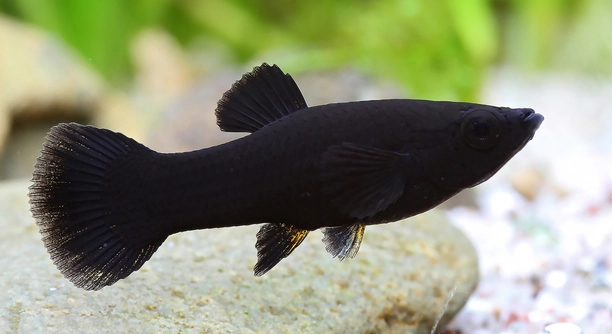
Are your black molly swimming patterns unusually still, leaving you unsure of what might be affecting their movement? Observing these fish closely can reveal small behavioral cues that indicate underlying issues in their environment or health.
Black molly inactivity is commonly caused by factors such as poor water quality, incorrect temperature, low oxygen levels, stress from tank mates, inadequate nutrition, illness, or aging. Identifying and correcting these factors can restore normal activity and overall well-being.
Understanding these causes will help you create a healthier environment for your fish and prevent future inactivity or stress-related behaviors.
Poor Water Quality
Maintaining clean water is essential for your black molly’s health. Dirty or polluted water can lead to lethargy and stress, causing the fish to stay still for long periods. Frequent water changes, testing for ammonia, nitrite, and nitrate levels, and removing debris from the tank help keep the environment stable. Chemical imbalances may damage their gills or affect their metabolism, making movement difficult. Observing the water for cloudiness or unusual odor can indicate potential problems early. A well-filtered tank reduces toxins and ensures proper oxygen levels, which are crucial for activity. Even small amounts of leftover food can decompose and affect water quality, so feeding in moderation is important. Consistent monitoring and maintenance create a safe space for your molly, allowing it to swim normally and reduce stress. Over time, a stable environment encourages healthier behavior and prevents long-term complications from poor water conditions.
Maintaining clean water is key. Regular testing and changes support activity and reduce stress for your molly.
Clear, balanced water prevents inactivity, supports gill function, and improves overall health. Consistency in cleaning and feeding habits ensures the fish thrives.
Incorrect Temperature
Temperature fluctuations can affect metabolism and energy levels in black molly fish. Sudden drops or rises make them less likely to swim actively. Maintaining a steady temperature suitable for tropical fish, generally between 24°C and 28°C, helps them stay active. Using a reliable heater and thermometer ensures the water remains consistent. Avoid placing the tank near drafts, windows, or direct sunlight, which can create hot and cold spots. Black mollies are sensitive to rapid changes, and stress from inconsistent temperatures can weaken their immune system, making them more prone to illness. Monitoring the temperature daily and adjusting the heater as needed prevents lethargy. Even small variations can accumulate, affecting behavior over time. Stable water temperature also supports proper digestion and metabolism, which in turn influences activity. Investing in a good-quality thermometer and heater ensures your molly enjoys a comfortable environment. By keeping the tank at a consistent temperature, you can restore normal swimming patterns and prevent further inactivity.
Temperature affects energy, stress, and immunity in black mollies. Consistent heat keeps them healthy and active.
Steady water temperature supports metabolism, reduces stress, and prevents illness. Using a heater, thermometer, and avoiding drafts ensures consistent conditions for sustained activity.
Low Oxygen Levels
Insufficient oxygen can make black mollies sluggish and inactive. Poor aeration or overcrowding reduces the oxygen available in the water, affecting their movement and overall health.
Adding an air pump or increasing surface agitation helps improve oxygen levels in the tank. Plants can also contribute by producing oxygen during the day, but they are not enough alone in small or crowded tanks. Observing your fish near the surface gasping may indicate a deficiency. Maintaining proper filtration and avoiding overcrowding ensures a stable environment. Regularly checking for algae buildup and debris that block oxygen exchange is also important. Keeping oxygen levels consistent allows your molly to swim actively and prevents stress-related issues.
Even minor drops in oxygen levels can reduce activity and weaken your molly’s immune system. Proper aeration and avoiding overcrowding maintain energy and health over time.
Stress from Tank Mates
Aggressive or overly active fish can stress black mollies, leading them to hide or remain still. Stress affects behavior and can reduce appetite, making recovery slower.
Separating aggressive fish or providing hiding spots with plants or decorations reduces stress. Black mollies benefit from a calm environment where they can swim freely without constant chasing or nipping. Observing interactions helps identify which tank mates may be causing tension. Stress can also come from sudden changes in the tank, such as rearranging decorations or adding new fish too quickly. Gradual introductions and stable social groups support their well-being. Stress management improves activity levels and strengthens immune responses, allowing mollies to thrive naturally in a peaceful environment.
Inadequate Nutrition
A poor diet can lead to low energy and inactivity in black mollies. Feeding a balanced mix of flakes, pellets, and occasional live or frozen food supports their health.
Overfeeding or providing only one type of food can cause digestive issues and lethargy. Small, frequent meals are better than large portions.
Illness or Disease
Black mollies may stop moving due to infections, parasites, or other illnesses. Symptoms can include clamped fins, discoloration, or unusual swimming patterns. Early detection is important to prevent worsening conditions. Quarantining new fish and maintaining clean water reduces disease risks. Regular observation allows prompt treatment and better recovery outcomes.
Aging
Older black mollies naturally become less active over time. Their metabolism slows, and energy levels decrease, making them swim less frequently.
Maintaining proper care and reducing stressors can help aging mollies remain comfortable and healthy in their later years.
Why is my black molly staying at the bottom of the tank?
Black mollies often stay at the bottom when stressed, sick, or experiencing poor water conditions. Low oxygen, dirty water, or temperature fluctuations can reduce their energy, making them less likely to swim freely. Observing other signs, such as clamped fins, gasping at the surface, or reduced appetite, helps identify the underlying issue. Providing clean water, stable temperature, and a calm environment encourages them to move more actively. Overfeeding or inappropriate diet can also make them sluggish, so ensuring a balanced feeding routine supports their energy levels.
Can overcrowding affect my black molly’s movement?
Yes, overcrowding creates competition for oxygen, space, and food, leading to stress and reduced activity. When too many fish occupy a tank, oxygen levels drop, and aggressive interactions increase, causing black mollies to hide or remain still. Providing enough space per fish and maintaining proper filtration helps prevent stress and encourages natural swimming patterns. Observing interactions among tank mates can highlight tension points, and separating aggressive or dominant fish ensures a safer environment. Consistent care in stocking and tank maintenance supports both activity and overall health.
How do I know if my black molly is sick?
Signs of illness include clamped fins, discoloration, lethargy, loss of appetite, or abnormal swimming patterns. White spots, fuzzy patches, or swollen bellies are also indicators of infections or parasites. Quarantining new fish, maintaining water quality, and feeding a varied diet help prevent disease. Prompt identification allows treatment before the condition worsens. Observing behavior daily helps detect subtle changes. Consulting a vet or experienced aquarist can provide guidance for treatment. Stress from temperature changes, poor water, or aggressive tank mates can exacerbate illness, so maintaining a stable environment is essential.
Is my black molly’s inactivity normal?
Some inactivity can be normal, especially if the fish is resting, digesting food, or adjusting to a new tank. However, prolonged stillness, hiding, or lack of response to stimuli may indicate environmental stress, poor water quality, or health problems. Regular observation and consistent care ensure that inactivity is not a sign of serious issues. Maintaining proper temperature, oxygen levels, and tank cleanliness helps prevent unhealthy lethargy. Aging fish also naturally move less, so considering their life stage can help differentiate between normal and concerning inactivity.
How can I improve my black molly’s activity?
Improving activity starts with water quality, stable temperature, and adequate oxygenation. Regular water changes, filtration checks, and proper tank aeration support swimming energy. Feeding a balanced diet with occasional live or frozen foods boosts metabolism and vitality. Reducing stress by limiting aggressive tank mates, providing hiding spots, and avoiding sudden changes helps black mollies feel secure. Observing behavior after making adjustments allows you to track progress. Consistency in care, avoiding overcrowding, and maintaining a calm environment encourages natural movement and prevents long-term inactivity.
What foods are best for black mollies to stay active?
A varied diet is essential. Flakes and pellets formulated for tropical fish provide basic nutrition, while frozen or live foods such as brine shrimp, bloodworms, or daphnia supply protein and stimulate movement. Vegetables like blanched spinach or zucchini add fiber and help digestion. Feeding small amounts multiple times daily prevents overfeeding and keeps energy levels steady. Avoiding only one type of food reduces risk of nutritional deficiencies, which can lead to lethargy. Balanced nutrition supports metabolism, overall health, and encourages regular swimming behavior.
Can tank setup affect my black molly’s behavior?
Yes, tank size, decorations, and plant placement influence activity. Overcrowded or cluttered tanks limit swimming space and increase stress. Providing open areas for swimming and hiding spots reduces anxiety. Proper filtration, aeration, and lighting maintain environmental stability. Observing behavior helps adjust decorations to ensure both safety and freedom of movement. A well-planned tank encourages natural activity and reduces prolonged stillness.
How do I prevent black mollies from becoming inactive?
Preventing inactivity involves maintaining clean, well-oxygenated water, stable temperature, and a balanced diet. Avoid overcrowding, minimize stress from aggressive tank mates, and provide a safe, structured environment with hiding spaces. Consistent observation allows early detection of issues, such as illness or environmental changes. Regular care routines keep mollies active and healthy. Stable conditions, proper nutrition, and careful social management reduce the risk of prolonged lethargy. Tracking behavior over time helps anticipate problems before they worsen.
Can aging affect black molly activity?
Yes, older mollies naturally slow down as metabolism decreases and energy levels drop. They may rest more often and swim less actively. Maintaining proper care, reducing stress, and ensuring consistent water quality helps aging fish remain comfortable and engaged. Special attention to diet and environment supports longevity and overall health. Providing easy access to food and gentle water conditions helps older mollies move without strain. Understanding their life stage allows owners to adjust expectations and care practices accordingly.
When should I seek professional help for my black molly?
Professional help is recommended if inactivity persists despite stable water conditions, proper temperature, and a balanced diet. Signs like clamped fins, discoloration, unusual swimming, or visible parasites indicate possible illness. Consulting an aquatic veterinarian or experienced aquarist ensures proper diagnosis and treatment. Early intervention can prevent worsening conditions. If multiple fish show similar symptoms, a professional can assess tank-wide issues. Timely advice helps restore activity, prevent long-term health problems, and maintain a stable, healthy environment for your mollies.
Black mollies are sensitive fish that rely heavily on stable and well-maintained environments to stay healthy and active. Their behavior is often a direct reflection of water quality, temperature, and tank conditions. Observing your fish regularly can reveal small changes that indicate stress, illness, or discomfort. Maintaining clean water through regular changes and testing for chemical imbalances like ammonia, nitrite, and nitrate is essential. Overcrowding and aggressive tank mates can also contribute to inactivity, so ensuring enough space and compatible companions is important. By focusing on these key environmental factors, you create a foundation for your black molly to swim and behave naturally. Attention to their daily needs, including aeration, filtration, and hiding spots, supports their comfort and reduces stress levels, which directly influences their energy and activity.
Proper nutrition plays a significant role in keeping black mollies active. A balanced diet of high-quality flakes, pellets, and occasional live or frozen foods provides essential nutrients and supports metabolism. Overfeeding or feeding only one type of food can cause digestive issues and lethargy, so small, frequent meals are preferable. Including plant matter such as blanched vegetables adds fiber and promotes digestion while encouraging movement as the fish forage. Nutrition is closely tied to overall health, and energy levels are often the first sign that something is off. Observing how your molly responds to its diet, whether it eagerly swims to feed or appears sluggish, can guide adjustments to improve activity. Consistent attention to both quantity and quality of food ensures that the fish receives the nutrients necessary for normal swimming patterns and long-term vitality.
Stress management and disease prevention are equally important in maintaining a lively and healthy black molly. Sudden changes in temperature, water quality, or tank layout can trigger stress, which weakens the immune system and reduces activity. Regular monitoring for signs of illness, such as clamped fins, discoloration, or unusual swimming patterns, allows for early intervention. Providing hiding spots and stable social conditions helps mollies feel secure and encourages natural behavior. Aging mollies may naturally slow down, but consistent care and a calm, well-maintained environment help them remain comfortable. By focusing on water quality, diet, stress reduction, and observation, you create an environment that supports both health and activity, ensuring your black molly thrives over time.

Hello,
If you enjoy the content that we create, please consider saying a "Thank You!" by leaving a tip.
Every little bit helps us continue crafting quality advice that supports the health, happiness, and well-being of pets around the world, for pets of all shapes, sizes, and species.
We really appreciate the kindness and support that you show us!