
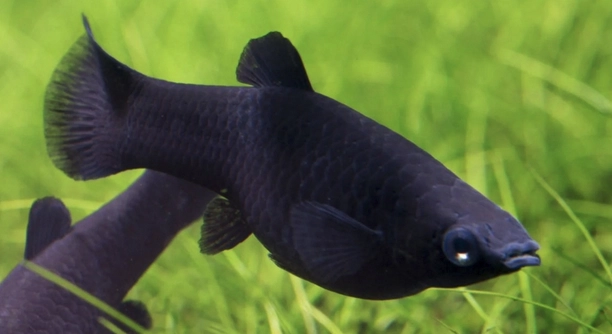
Keeping Black Molly in a small tank can feel challenging at first. Their dark color and lively personality make them stand out, but they need proper care to stay healthy. Small spaces require extra attention to water quality.
The key to maintaining Black Molly in a small tank is to monitor water parameters, provide adequate filtration, and manage population density. Regular feeding, tank cleaning, and careful observation are essential to ensure their long-term health and vitality.
Learning the best care practices will help your Black Molly thrive. With the right approach, even a small tank can become a safe and comfortable home.
Choosing the Right Tank Size
Even though Black Mollies are small fish, they need space to swim freely. A tank of at least 10 gallons is recommended for a few mollies, but more space is always better. Overcrowding can lead to stress and water quality issues, which directly affect their health. Small tanks can work if you keep the population low and maintain a strict cleaning schedule.
A 10-gallon tank can comfortably house three to four Black Mollies if the environment is well-maintained and monitored carefully.
It’s important to remember that mollies grow quickly and are active swimmers. They appreciate hiding spots like plants or small decorations, which help them feel secure. Live plants also improve water quality by absorbing nitrates. Avoid sharp decorations that could injure their fins. By planning the tank size and layout thoughtfully, you create a stable environment that reduces stress, encourages natural behavior, and helps them live longer. A properly sized tank makes daily care simpler and more effective.
Monitoring Water Quality
Keeping water clean is essential for Black Mollies.
Regular testing for pH, ammonia, nitrite, and nitrate levels ensures a safe environment. Mollies prefer slightly alkaline water, so adjusting pH gradually is better than sudden changes. Frequent partial water changes help maintain stability.
Black Mollies are sensitive to poor water conditions, which can lead to illness or weakened immune systems. In a small tank, waste builds up quickly, so cleaning is crucial. Replace 20-30% of the water weekly and remove uneaten food immediately. Filtration is also important, but avoid strong currents that may stress the fish. Observing behavior and appearance daily helps identify problems early. Even minor changes in water chemistry can impact growth and activity, so consistent care is necessary. By keeping water quality high, you support their health, coloration, and natural energy levels, allowing them to thrive even in a compact space. Proper monitoring and maintenance are key to a long, healthy life for your Black Mollies.
Feeding Black Mollies
Black Mollies need a balanced diet to stay healthy. Feed them a mix of high-quality flakes, pellets, and occasional live or frozen foods. Avoid overfeeding, as leftover food can pollute a small tank.
Variety in their diet helps maintain vibrant coloration and supports growth. Flakes or pellets should form the main diet, providing essential nutrients. Supplementing with brine shrimp, daphnia, or bloodworms adds protein and keeps them active. Feed small amounts two to three times daily, making sure they consume food within a few minutes. Uneaten food must be removed promptly to prevent water contamination. Consistent feeding schedules and portion control are key in preventing obesity and digestive issues. Proper nutrition contributes to stronger immunity and overall vitality.
Black Mollies also benefit from plant matter in their diet. Blanched spinach, zucchini, or algae wafers provide fiber and vitamins. Introducing small amounts of vegetables two to three times a week improves digestion and helps prevent bloating. Watching how your mollies respond to different foods allows you to adjust portions and types accordingly. A well-rounded feeding plan reduces stress, keeps water cleaner, and ensures your fish remain lively and healthy in a small tank environment.
Temperature and Lighting
Black Mollies thrive in stable temperatures between 74-82°F. Use a reliable heater to maintain consistency, especially in small tanks where fluctuations occur quickly.
Consistent lighting helps regulate their activity and encourages plant growth. Avoid direct sunlight to prevent overheating or algae blooms. A 10-12 hour light cycle simulates natural conditions, promoting healthy behavior. LED or fluorescent lights are ideal for small tanks and can highlight their dark coloration. Dim lighting periods allow rest and reduce stress. Regularly check the temperature and adjust as needed to ensure a comfortable environment.
Temperature swings or poor lighting can cause stress, reduce appetite, and weaken the immune system. In a small tank, even minor changes in water temperature happen quickly, so monitoring is essential. Use a thermometer and test it daily to avoid sudden shifts. Providing consistent light encourages natural swimming patterns and supports plant health, which in turn improves water quality. By maintaining stable temperature and proper lighting, you create a healthy, low-stress environment that promotes growth, vibrant coloration, and overall well-being for Black Mollies.
Tank Decorations
Black Mollies enjoy plants and hiding spots. Include live or artificial plants, rocks, and smooth decorations. Avoid sharp objects that can tear fins.
Providing open swimming areas alongside hiding spots reduces stress. Plants also help absorb nitrates and improve water quality in a small tank.
Filtration
A small tank still needs a reliable filter. Choose one with gentle flow to avoid stressing the fish. Filters remove waste, maintain oxygen levels, and help balance water chemistry. Clean the filter regularly but avoid over-washing media, which can remove beneficial bacteria. Consistent filtration is essential for maintaining a healthy environment.
Tank Mates
Black Mollies are peaceful but can be stressed by aggressive fish. Choose calm species that thrive in similar water conditions. Avoid overcrowding to prevent conflict and maintain water quality.
FAQ
How often should I change the water in a small tank with Black Mollies?
Water changes are essential to keep your mollies healthy. In a small tank, change about 20-30% of the water weekly. Frequent partial changes help remove excess waste, reduce nitrate levels, and prevent harmful chemical buildup. Always use dechlorinated water at the same temperature to avoid shocking your fish. Maintaining a consistent schedule keeps the environment stable and lowers stress for your Black Mollies.
What is the best food for Black Mollies?
A varied diet works best. High-quality flakes or pellets should form the staple of their diet. Supplement with live or frozen foods like brine shrimp, daphnia, or bloodworms a few times a week. Adding blanched vegetables like spinach or zucchini provides fiber and vitamins. Feed small portions two to three times daily, making sure they eat everything within a few minutes. Removing leftover food prevents water pollution and keeps your tank clean.
Can Black Mollies live in a tank smaller than 10 gallons?
Technically, yes, but a 10-gallon tank is the minimum recommended size for a few mollies. Smaller tanks require very careful maintenance, strict feeding control, and frequent water changes. Overcrowding or poor water quality in a small tank can quickly lead to stress, illness, and stunted growth. If space is limited, it’s better to keep only one or two mollies.
How do I prevent algae in a small tank?
Algae growth is common in small tanks because light and nutrients accumulate quickly. Limit direct sunlight exposure, avoid overfeeding, and maintain regular water changes. Live plants compete with algae for nutrients, which helps control growth naturally. Scraping algae from decorations and glass during maintenance also prevents excessive buildup. Small tanks need consistent attention to keep algae under control.
Why are my Black Mollies hiding all the time?
Hiding is often a sign of stress. It can result from poor water quality, incorrect temperature, strong currents, or aggressive tank mates. Ensure water parameters are stable, provide gentle filtration, and include hiding spots. Observing behavior daily helps identify triggers. Stress affects appetite, immune response, and overall health, so addressing the cause promptly is important.
Is it necessary to use a heater in a small tank?
Yes, especially if room temperature fluctuates. Black Mollies prefer 74-82°F. Sudden drops in temperature can weaken their immune system and reduce activity. A small tank is more prone to temperature swings, so a reliable heater and thermometer are essential. Maintain consistent warmth to support their metabolism and overall well-being.
Can I keep Black Mollies with other fish?
Yes, but choose peaceful species with similar water needs. Avoid aggressive or overly active fish that might stress them. Small, calm fish like guppies or tetras usually work well. Monitor interactions and avoid overcrowding. Providing enough swimming space and hiding spots ensures harmony and reduces conflict in a small tank.
How can I tell if my Black Mollies are healthy?
Healthy mollies are active, swim smoothly, and show bright, consistent coloration. They eat regularly and interact with tank mates. Watch for signs of illness such as clamped fins, lethargy, or white spots. Early detection and proper care prevent serious problems and maintain a thriving small tank environment.
Do Black Mollies need live plants?
Live plants aren’t strictly necessary, but they are very beneficial. Plants improve water quality by absorbing nitrates, offer hiding spots, and reduce stress. Even a few small plants in a 10-gallon tank can make a noticeable difference in fish behavior and health. They also make the tank look more natural and comfortable.
How often should I clean the filter?
Clean the filter once a month or when water flow slows down, but never wash all media at once. Beneficial bacteria live in the filter, which helps break down waste. Rinse media in old tank water to preserve these bacteria. Proper filter maintenance keeps the water stable and your Black Mollies healthy.
What is the best way to acclimate new Black Mollies?
Float the bag in the tank for 15-20 minutes to equalize temperature. Slowly mix small amounts of tank water into the bag over 30-60 minutes before releasing them. This gradual process prevents shock from sudden changes in water chemistry or temperature. Observing them during the first few hours ensures they adjust safely.
Can Black Mollies breed in a small tank?
Yes, they can. Mollies are livebearers and breed easily. In small tanks, overpopulation can happen quickly, causing stress and water quality issues. Remove fry or increase tank size to prevent overcrowding. Providing plants or breeding traps helps protect the young until they are strong enough to survive with adults.
Why is my Black Molly losing color?
Fading color often indicates stress, poor diet, or illness. Check water quality, temperature, and tank mates. Ensure a balanced diet with vitamins and protein. Stress from overcrowding or aggressive fish can also dull their appearance. Maintaining stable conditions and proper nutrition restores vibrancy over time.
Can I keep mollies with shrimp or snails?
Yes, but monitor interactions. Mollies are generally peaceful but may nibble on very small or slow-moving shrimp. Snails are usually safe and can help clean the tank. Introduce them carefully and provide enough hiding spots to reduce potential stress.
How can I reduce aggression in a small tank?
Avoid overcrowding and provide hiding spots. Maintain stable water conditions and choose compatible tank mates. Observe fish behavior and separate aggressive individuals if necessary. A well-structured environment reduces territorial disputes and keeps mollies calm and healthy.
Are Black Mollies sensitive to water changes?
Yes, sudden or large water changes can shock them. Always use dechlorinated water at the same temperature and replace only 20-30% at a time. Gradual changes keep them healthy and reduce stress, especially in small tanks where chemistry fluctuates quickly.
How long do Black Mollies live?
With proper care, Black Mollies live 3-5 years. Stable water conditions, a balanced diet, and a stress-free environment are key factors. Regular maintenance, observation, and careful management of tank mates contribute to a longer, healthier life.
Do Black Mollies need a lid on the tank?
Yes, a lid is recommended. Mollies can jump, especially when startled. A secure lid prevents accidents while maintaining humidity and reducing water evaporation. It also keeps the tank safer for other pets or children nearby.
Can Black Mollies tolerate low light?
They can survive in low light but thrive with moderate lighting. Proper lighting supports plant growth, encourages activity, and helps display their dark color. A consistent light cycle of 10-12 hours daily is sufficient for small tanks.
What should I do if a Molly gets sick?
Isolate the sick fish in a quarantine tank to prevent disease spread. Check water quality, observe symptoms, and use appropriate treatments if necessary. Early intervention increases recovery chances and protects other tank inhabitants.
How do I maintain stable pH in a small tank?
Mollies prefer slightly alkaline water, around 7.5-8. Frequent testing and partial water changes help stabilize pH. Avoid sudden chemical adjustments and introduce new water gradually. Adding crushed coral or limestone can help maintain consistent alkalinity naturally over time.
Can Black Mollies live with bettas?
It’s not recommended. Bettas are often territorial and may attack mollies. If kept together, constant monitoring is required, and enough hiding spots must be provided. In most cases, separate tanks are safer for both species.
Is a small tank stressful for Black Mollies?
Small tanks can be stressful if overcrowded or poorly maintained. Adequate filtration, regular water changes, and minimal aggressive tank mates reduce stress. Providing hiding spaces and monitoring behavior ensures they remain healthy and active.
How do I know if the tank is too small?
Signs include sluggish behavior, fin damage, frequent hiding, and rapid waste accumulation. If water quality drops quickly or aggression increases, the tank may not provide enough space. Expanding tank size or reducing population is the solution.
What is the ideal water hardness for Black Mollies?
Mollies prefer moderately hard water, around 10-25 dGH. Hardness affects osmoregulation and overall health. Test water regularly and adjust gradually if needed. Stable hardness prevents stress and supports natural growth.
Can I keep only one Black Molly?
Yes, but they are social fish and usually do better in small groups. A single fish may become shy or stressed. If kept alone, provide interaction through visual stimulation or mirror time, but a small group is ideal.
How do I prevent fin rot in a small tank?
Maintain clean water, avoid overcrowding, and ensure gentle filtration. Quarantine new fish and remove sick individuals quickly. Balanced nutrition and stable conditions reduce the risk of bacterial infections. Early treatment prevents permanent damage.
Is water temperature more important than pH for Black Mollies?
Both are important, but temperature fluctuations have immediate effects. Sudden drops or rises can weaken immune systems. pH stability is also essential, but mollies tolerate slight variations better than rapid temperature changes. Consistent temperature ensures overall health.
Can I add decorations without harming water quality?
Yes, choose smooth, non-toxic materials. Avoid untreated wood or painted items that may leach chemicals. Rinse decorations before adding them. Plants, rocks, and small ornaments improve habitat while keeping water stable if chosen carefully.
How long should I wait before adding new fish?
Introduce new fish only after the tank is fully cycled and stable. Wait at least a few weeks between additions to prevent stress and allow the filter to handle extra bioload. Gradual introductions reduce disease risk.
What is the most common health issue in small tanks?
Stress and poor water quality are the main causes of illness. Symptoms include lethargy, faded color, clamped fins, and unusual swimming. Regular maintenance, monitoring, and proper feeding prevent most problems.
Can Black Mollies survive in unheated tanks?
They can survive in stable, warm climates but prefer consistent temperatures. Small tanks are prone to rapid cooling, which stresses the fish. A heater ensures safe conditions year-round.
Do mollies need aeration in a small tank?
Aeration helps, especially in crowded tanks, but it’s not always necessary with good filtration. Proper oxygenation prevents lethargy and supports active swimming. Air stones can also improve water circulation gently.
How can I tell if my Black Mollies are breeding?
Pregnant females have rounded bellies, and fry may hide in plants. Frequent observation and providing cover help protect young. Overpopulation can become an issue in small tanks, so manage breeding carefully.
Can Black Mollies tolerate tap water?
Only if it’s treated to remove chlorine and chloramine. Tap water may also need adjustments in hardness or pH. Always test and condition water before adding it to the tank to ensure safety.
Is it okay to keep Black Mollies with guppies?
Yes, guppies share similar water requirements and are peaceful. Ensure both species have space to swim and hiding spots. Avoid overstocking, and monitor for territorial behavior in small tanks.
How do I prevent overfeeding in a small tank?
Feed small portions that mollies can consume in 2-3 minutes. Remove uneaten food immediately. Consistent schedules and careful measurement prevent water pollution and obesity.
Are Black Mollies active during the day or night?
They are diurnal and most active during the day. Lighting helps regulate activity and behavior. Dim periods allow rest and reduce stress, creating a balanced daily rhythm.
How long does it take for a small tank to stabilize?
Cycling a small tank takes 4-6 weeks. Beneficial bacteria establish during this period, which keeps ammonia and nitrite levels safe. Avoid adding too many fish before stability is achieved.
Do Black Mollies need a sandy or gravel substrate?
Either works, but smooth gravel or sand is safest. Mollies occasionally forage near the bottom, so avoid sharp or rough materials that can injure fins. Substrate also supports plant growth and natural behavior.
Can I keep mollies in a tall tank?
Yes, but ensure enough horizontal swimming space. Mollies prefer moving around rather than vertical swimming. Tall tanks with limited surface area may restrict activity, so balance height and width carefully.
How often should I check water parameters?
Test at least once a week. Check temperature, pH, ammonia, nitrite, and nitrate. Frequent monitoring ensures small problems don’t become serious and maintains a stable environment for Black Mollies.
What are the signs of overpopulation in a small tank?
Frequent aggression, stunted growth, excessive waste, and poor water quality indicate too many fish. Reduce population or increase tank size to prevent stress and health issues.
Do Black Mollies need supplemental vitamins?
A balanced diet usually covers nutritional needs. Occasionally, vitamin-enriched foods can help during stress or recovery. Over-supplementation isn’t necessary if diet is varied and complete.
Can Black Mollies live with snails only?
Yes, they coexist peacefully. Snails don’t compete for food aggressively, and some help clean leftover debris. Ensure water parameters suit both species and avoid overpopulation of either.
How do I reduce stress during water changes?
Change water slowly, match temperature and pH, and avoid disturbing decorations or substrate. Perform partial changes rather than full replacements to maintain stability in small tanks.
Are Black Mollies prone to diseases?
They are hardy but susceptible to fin rot, ich, and bacterial infections if water quality is poor or they are stressed. Consistent care and observation prevent most problems.
Can Black Mollies live alone?
They can, but small groups are more comfortable. Solitary fish may become shy or less active. Social interaction with other mollies encourages natural behavior and reduces stress.
Is it necessary to remove uneaten food immediately?
Yes, leftover food quickly decays in a small tank, raising ammonia levels and lowering water quality. Prompt removal maintains cleanliness and protects fish health.
How do I introduce new plants safely?
Rinse thoroughly to remove pests or chemicals. Quarantine if possible. Add gradually, monitoring water parameters to ensure plants don’t disrupt the tank’s balance.
Can Black Mollies tolerate tap water with chlorine?
No, chlorine is toxic. Always treat tap water with a conditioner before adding it to the tank. Chloramine must also be neutralized to prevent harm.
Do Black Mollies need live food?
Not strictly, but live food adds protein and stimulates natural hunting behavior. Freeze-dried or frozen alternatives are safe and convenient for small tanks.
How do I prevent fin damage in a small tank?
Avoid sharp decorations, overcrowding, and aggressive tank mates. Smooth surfaces, plants, and careful monitoring reduce risk and support healthy fins.
Are Black Mollies sensitive to light cycles?
Yes, consistent light cycles help regulate activity, feeding, and rest. Sudden changes or constant light can stress fish and affect behavior. A timer helps maintain stability.
How long does it take for Black Mollies to adapt to a new tank?
Usually a few days to a week. Provide hiding spots, stable water, and gentle conditions. Observe closely to ensure they adjust and remain active.
Can Black Mollies tolerate slightly acidic water?
They prefer slightly alkaline conditions, but minor acidity is tolerable if stable. Sudden shifts toward acidic levels can stress them and affect health.
Do Black Mollies need a strong filter?
Not necessarily. Moderate flow is ideal. Strong currents can stress fish, especially in small tanks. Filtration should remove waste without creating turbulence.
Is it okay to keep Black Mollies with goldfish?
No, goldfish have different water needs and produce more waste. Mixing them can stress mollies and degrade water quality quickly. Separate tanks are better.
How often should I feed fry from Black Mollies?
Fry need tiny portions multiple times a day, such as infusoria or finely crushed flakes. Frequent feeding supports rapid growth and survival in small tanks.
Can Black Mollies tolerate cold water?
They are tropical fish and dislike cold temperatures. Prolonged exposure below 70°F can weaken immunity and increase disease risk. Use a heater to maintain warmth.
Do Black Mollies need decorations for breeding?
Yes, hiding spots protect fry from adults. Plants or breeding traps create safe areas. Adequate cover reduces stress and improves survival rates in small tanks.
How do I know if water is too hard for Black Mollies?
Test water regularly. Extremely high hardness can cause stress and poor reproduction. Moderate hardness supports health and normal behavior.
Can I use tap water straight from the faucet?
Only after dechlorination and conditioning. Untreated water contains harmful chemicals and may affect pH or hardness. Proper preparation ensures safety for mollies.
Are Black Mollies sensitive to sudden movements?
Yes, abrupt changes outside the tank or rough handling can startle them. Gentle care and predictable routines reduce stress.
Can Black Mollies live in brackish water?
They tolerate slightly brackish conditions but generally do best in freshwater. Small adjustments can support health, but extreme salinity should be avoided.
How do I reduce nitrate levels in a small tank?
Regular water changes, live plants, and careful feeding help keep nitrates low. Avoid overstocking, and maintain proper filtration. Low nitrate levels support long-term health and coloration.
Do Black Mollies need supplemental oxygen?
If the tank is well-filtered and not overcrowded, supplemental oxygen isn’t required. In warmer or densely stocked tanks, an air stone can help.
Can Black Mollies live in a tank with fluctuating temperatures?
Frequent fluctuations are stressful and can cause illness. Consistent temperature with a reliable heater is necessary, especially in small tanks where changes happen quickly.
How do I prevent bacterial infections?
Maintain clean water, avoid overcrowding, quarantine new fish, and provide proper nutrition. Early detection of symptoms ensures treatment before problems worsen.
Are Black Mollies compatible with tetras?
Yes, tetras are peaceful and share similar water needs. Ensure enough space and hiding spots to prevent stress in a small tank.
How do I acclimate multiple new mollies?
Float each bag separately, gradually mix tank water over 30-60 minutes, and release gently. Observe interactions to ensure compatibility and minimize stress.
Can Black Mollies survive without a filter?
Short-term survival is possible, but long-term health suffers. A filter maintains water quality, oxygen, and beneficial bacteria. Small tanks without filtration require very frequent water changes.
Do Black Mollies need soft or hard water?
Moderately hard water is preferred. It supports osmoregulation, reproduction, and overall health. Extreme softness or hardness can stress them.
How can I tell if my Black Mollies are stressed?
Signs include hiding, clamped fins
Final Thoughts
Keeping Black Mollies in a small tank can be very manageable with proper care. They are lively, active fish that show their personality when their environment is stable. The key is to maintain clean water, provide enough space for swimming, and ensure their basic needs are consistently met. A small tank requires more attention than a larger one because waste accumulates quickly, and water parameters can change faster. Regular water testing and partial water changes are essential to prevent stress and illness. Even small adjustments in temperature, pH, or cleanliness can have a noticeable effect on their behavior and overall health. By staying consistent with daily and weekly maintenance, you create a stable environment that supports their long-term well-being.
Diet is another important factor for Black Mollies in a small tank. Providing a balanced mix of flakes, pellets, and occasional live or frozen foods helps them stay healthy and vibrant. Including some plant matter, like blanched spinach or zucchini, supports digestion and adds essential nutrients. Overfeeding is a common mistake in small tanks, as uneaten food can quickly pollute the water. Feeding small portions two to three times a day and removing leftovers prevents problems with water quality and keeps your mollies active. Variety in the diet also encourages natural behaviors and helps maintain their beautiful coloration. Attention to feeding practices is just as important as maintaining water conditions.
Tank setup and decoration play a significant role in the comfort of Black Mollies. They enjoy open swimming space but also need hiding spots to reduce stress. Live or artificial plants, smooth rocks, and small decorations provide security and create a natural-feeling environment. Gentle filtration and stable lighting are crucial to support their activity and overall health. Temperature should remain consistent, and care must be taken to avoid sudden fluctuations. Small tanks can work well if you plan carefully and pay attention to their specific needs. With proper maintenance, a thoughtfully arranged tank allows Black Mollies to live healthy, active lives while giving you the satisfaction of watching them thrive in a compact space. Consistency, observation, and small adjustments over time are the foundation for success when keeping Black Mollies in a small tank.

Hello,
If you enjoy the content that we create, please consider saying a "Thank You!" by leaving a tip.
Every little bit helps us continue crafting quality advice that supports the health, happiness, and well-being of pets around the world, for pets of all shapes, sizes, and species.
We really appreciate the kindness and support that you show us!