
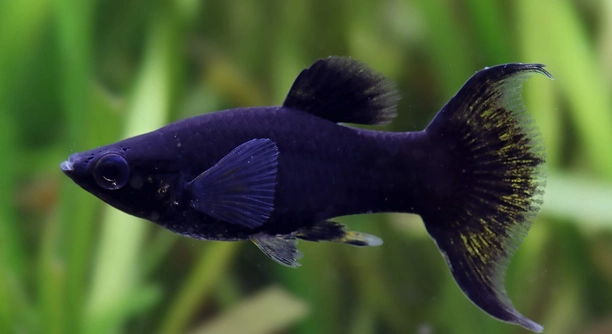
Feeding black mollies can be enjoyable, yet it is easy to give them too much food. Overfeeding can harm their health and water quality, making it essential to manage portions carefully for a balanced aquarium environment.
The key to feeding black mollies without overfeeding lies in controlling the amount, timing, and type of food. Providing small, measured portions and observing their eating behavior ensures proper nutrition while preventing excess waste and water contamination.
Following these guidelines will help you maintain a healthy tank and support your black mollies’ well-being over time. Careful feeding promotes long-term enjoyment and a thriving aquatic environment.
Understanding Black Molly Feeding Habits
Black mollies are active fish that require a balanced diet to stay healthy. They naturally feed on algae, small insects, and plant matter in the wild. In an aquarium, their diet should reflect this variety. Overfeeding can cause obesity, poor water quality, and stress in the fish. Observing how much your mollies eat in a few minutes helps determine the correct portion size. Feeding too often or giving too much food at once can lead to uneaten food settling at the bottom, which promotes bacterial growth and algae blooms. Maintaining a routine feeding schedule, such as two to three small meals daily, supports digestion and overall health. Including both dry flakes and occasional live or frozen food ensures a balanced intake of nutrients. Avoid leaving food in the tank longer than five minutes, as this can compromise water quality. Proper feeding not only benefits fish health but also keeps the aquarium cleaner.
Watching their eating habits closely helps prevent overfeeding and maintains a healthier tank environment.
Consistent feeding times, paired with small, measured portions, reduce the risk of overfeeding. Black mollies thrive on variety, so alternating between flake food, freeze-dried options, and live or frozen protein sources provides essential vitamins and minerals. Overfeeding often occurs because people assume more food is better, but it can cause bloating and digestive issues. Removing uneaten food promptly prevents water pollution and keeps the tank stable. Plants and algae in the tank can supplement their diet naturally. Regular observation and adjustment of feeding amounts based on tank size and fish number ensure mollies remain healthy and active. Small portions encourage natural foraging behaviors, while proper nutrition supports growth, coloration, and longevity. Maintaining a balanced approach to feeding fosters both fish health and a cleaner aquarium.
Portion Control Techniques
Starting with tiny portions helps prevent overfeeding and waste buildup in the tank. Feeding small amounts encourages mollies to eat fully without leftovers.
Carefully measuring food with a pinch or feeding tool ensures each fish receives enough nutrients. Observing their response allows adjustment for growth or seasonal changes. Too much food not only harms the fish but also deteriorates water quality, stressing the entire aquarium ecosystem. Using separate feeding areas or slowing distribution can help all mollies eat equally, preventing dominance by more aggressive individuals. Rotating different food types ensures nutrient balance while keeping feeding interesting. Monitoring the tank for uneaten food and removing it promptly reduces the risk of harmful bacteria or ammonia spikes. This method supports a stable, healthy environment and promotes proper digestion and energy levels. Maintaining proper portion control reduces maintenance efforts and helps mollies thrive long-term. Feeding should always focus on quality and timing, rather than quantity alone. A disciplined approach enhances the overall well-being of the fish and the cleanliness of the aquarium.
Choosing the Right Food
Selecting the appropriate food is essential to prevent overfeeding. Black mollies need a mix of flake, frozen, and live food to stay healthy and maintain proper growth.
Flake food designed for tropical fish provides a balanced base diet. Occasional frozen or live brine shrimp and daphnia add protein and variety. Avoid foods that expand in water, as they can cause bloating. Rotating food types ensures mollies receive necessary nutrients without excess fat or filler. Pay attention to ingredient quality, choosing high-protein options with minimal additives. Overly processed foods often lead to leftovers and water pollution. Proper food selection directly impacts fish health and tank cleanliness. Maintaining a varied diet also encourages natural foraging behavior and active swimming.
Feeding high-quality food in measured amounts allows mollies to consume nutrients efficiently. Observation is key: if food is left uneaten, reduce portions or switch types. A balanced diet supports coloration, energy, and immune function, reducing disease risk. Black mollies can benefit from occasional plant matter like blanched spinach or spirulina flakes, supplementing vitamins and fiber. Avoid over-reliance on one type of food to prevent nutritional gaps.
Establishing a Feeding Schedule
Consistent feeding times prevent overfeeding and improve digestion. Two to three small meals daily suit black mollies best.
A regular schedule helps fish anticipate food, reducing stress and overeating. Feeding too frequently causes waste accumulation, harming water quality. Set specific times and stick to them, using only the portion they can finish within a few minutes. Monitor fish behavior to adjust timing as needed, especially during growth periods. Consistency encourages healthy metabolism and supports natural feeding habits.
Timing feeds appropriately enhances digestion and reduces leftovers. Feeding in small, consistent intervals maintains stable nutrient intake while preventing bloating. Overfeeding often stems from irregular schedules or leaving food in the tank too long. Using timers or reminders helps maintain routine. Observation is critical—fish activity and appetite indicate if adjustments are necessary. Adapting the schedule seasonally or as fish grow ensures optimal health. Combining routine with portion control and high-quality food sustains a thriving tank environment, limiting stress and improving water conditions over time.
Observing Eating Behavior
Watching how black mollies eat helps prevent overfeeding. Feed only what they can finish in a few minutes.
Notice which fish eat faster or slower. This helps adjust portions and ensures all mollies get enough without leaving excess food to rot in the tank.
Avoiding Overfeeding Traps
Overfeeding often happens when leftovers accumulate or fish appear hungry after a meal. Resist the urge to add more food unnecessarily. Observe their eating habits carefully and stick to measured portions. Avoid continuous snacking or scattering food, which can lead to bloating and water contamination. Maintaining discipline during feeding times is essential to keep both fish and tank healthy. Feeding only what is necessary ensures proper digestion, limits waste, and prevents harmful ammonia buildup. Consistency in portioning and timing supports long-term fish health and helps maintain stable water conditions, making tank maintenance easier.
Using Feeding Tools
Tweezers or small scoops help control food portions precisely, preventing accidental overfeeding.
Including Plant-Based Foods
Black mollies benefit from occasional vegetables like spinach or zucchini, providing fiber and nutrients without overfeeding.
How often should I feed my black mollies?
Black mollies do best with two to three small meals each day. Feeding in smaller amounts allows them to consume food fully without leaving leftovers, which can pollute the tank. Spacing meals consistently supports digestion and keeps their metabolism stable. Overfeeding often happens when meals are too large or irregular.
What is the ideal portion size for black mollies?
A good guideline is to feed only what your fish can eat in about two to three minutes. Observing their eating habits over time helps adjust portions. Remove any uneaten food promptly to prevent water contamination. Using a small scoop or pinch ensures precise control. Portion size may vary depending on the number of fish, tank size, and age of the mollies. Younger fish may need slightly more frequent meals in smaller amounts, while adult mollies can thrive on slightly larger but controlled portions.
Can black mollies eat live food?
Yes, black mollies can benefit from live food such as brine shrimp, daphnia, or mosquito larvae. Live food provides extra protein and encourages natural hunting behaviors. It should be given as a supplement, not the main diet, to prevent overfeeding. Moderation is key to ensure they still eat balanced flake or pellet food. Live food also contributes to variety, which improves overall nutrition. Care must be taken to avoid introducing parasites or harmful organisms into the tank. Always source live food from reputable suppliers or cultures.
Is it okay to feed only flake food?
Flake food can serve as the main diet, but it should be high-quality and balanced. Relying exclusively on flakes may miss some nutrients provided by protein-rich frozen or live foods and plant matter. Adding occasional vegetables or frozen protein ensures mollies receive complete nutrition. Proper portion control is important because flakes can float, making it easy to overfeed. Variety prevents nutritional deficiencies and encourages natural feeding behaviors. Monitor how much your fish consume to adjust the amount of flakes per meal.
What happens if I overfeed my black mollies?
Overfeeding can cause bloating, constipation, and digestive issues. Leftover food decomposes, increasing ammonia and nitrate levels in the tank, which stresses fish and encourages algae growth. Poor water quality can lead to diseases and reduce the overall lifespan of your mollies. Excess fat and protein intake can affect coloration and energy levels. Frequent water testing and cleaning help minimize risks, but controlling portion size is the most effective prevention. Observing eating habits and removing uneaten food promptly is essential to maintain a healthy aquarium.
Can black mollies eat vegetables?
Yes, black mollies benefit from plant-based foods like spinach, zucchini, or spirulina flakes. These provide fiber and vitamins while preventing digestive problems. Vegetables should be blanched or softened to make them easy to eat. Offer small amounts occasionally, as part of a varied diet. Too many vegetables at once can lead to uneaten food and water contamination. A balanced combination of flake, live, frozen, and plant-based food supports overall health and proper growth.
How do I prevent overfeeding during weekends or vacations?
Using automatic feeders can help maintain consistent portions and schedules. Pre-measuring food for each meal prevents accidental overfeeding. Avoid leaving extra food in the tank for long periods, as this can deteriorate water quality. If you have multiple fish, ensure all receive enough food without excess. Monitoring tank conditions after returning is important to remove any uneaten food or debris. Consistency in feeding routines reduces stress and promotes healthy behavior in black mollies.
Can black mollies eat frozen food every day?
Frozen food is a good supplement but should not replace flakes entirely. It provides protein and variety, but overreliance may lead to excess fat or imbalance in nutrients. Use frozen food a few times a week, combined with flake and plant-based foods. Thaw properly before feeding and remove any uneaten portions promptly. Mixing different types of food maintains a well-rounded diet and encourages active swimming and natural foraging behavior. Variety also helps prevent selective eating habits.
How do I know if my black mollies are getting too much food?
Signs of overfeeding include uneaten food in the tank, bloated fish, lethargy, and cloudy water. Monitor meals carefully and adjust portions according to tank size, fish count, and age. Feeding small amounts and removing leftovers prevents water quality issues. Observing behavior and body shape regularly ensures your mollies remain healthy. Consistent portioning and variety in diet are key indicators that feeding levels are appropriate. Maintaining a clean tank environment supports overall fish well-being and reduces the risk of overfeeding-related problems.
Is it necessary to remove leftover food immediately?
Yes, leftover food should be removed promptly to prevent decomposition and water contamination. Uneaten food produces ammonia and nitrates, which harm mollies and encourage algae growth. Use a small net or siphon to remove debris and maintain water clarity. Removing leftovers also prevents digestive issues for fish that may eat spoiled food. Maintaining a clean tank through regular removal of uneaten food promotes overall health and reduces maintenance needs. Monitoring feeding efficiency helps determine the right portion to minimize leftovers while keeping mollies well-fed.
Feeding black mollies correctly is one of the most important steps in keeping them healthy and happy. Overfeeding is a common problem that can cause serious health issues for the fish and reduce water quality in the aquarium. Black mollies thrive on a balanced diet that includes flake food, frozen or live protein, and occasional plant-based foods. By providing a mix of nutrients and controlling portions, you can ensure they get what they need without putting stress on their digestive system. Small, measured meals are more effective than large, irregular feedings, and observing how much your fish eat helps determine the correct amount for each session. Following a consistent routine allows the mollies to develop stable feeding habits and reduces the chances of leftover food accumulating in the tank.
Maintaining portion control is essential to prevent water contamination. Leftover food decomposes quickly, producing ammonia and nitrate that can harm fish and other aquarium life. Uneaten food also encourages algae growth, which may disrupt the tank’s ecosystem. Using feeding tools like small scoops or tweezers allows precise measurement of food, ensuring the mollies consume it entirely during each feeding. Watching the fish eat helps identify individuals who may need more attention or slightly different portions. Over time, adjusting feeding habits based on observation will create a balanced routine that keeps both the fish and tank healthy. Incorporating a variety of food types, including protein-rich frozen or live foods and fiber-rich vegetables, ensures mollies receive all the nutrients they need for proper growth, vibrant coloration, and active behavior.
Establishing a consistent schedule is equally important. Black mollies do best when fed at regular times each day. This consistency encourages healthy digestion, supports natural feeding behavior, and prevents unnecessary stress. Two to three small feedings daily are generally sufficient for adult fish, while younger or more active fish may require slightly more frequent meals. Monitoring the tank, removing uneaten food promptly, and providing a variety of balanced foods will prevent overfeeding and support long-term health. Attention to portion size, food type, and feeding schedule creates a stable and clean environment. Proper care in feeding allows black mollies to thrive, displaying their natural colors, active swimming patterns, and overall well-being, while also making aquarium maintenance more manageable.

Hello,
If you enjoy the content that we create, please consider saying a "Thank You!" by leaving a tip.
Every little bit helps us continue crafting quality advice that supports the health, happiness, and well-being of pets around the world, for pets of all shapes, sizes, and species.
We really appreciate the kindness and support that you show us!