
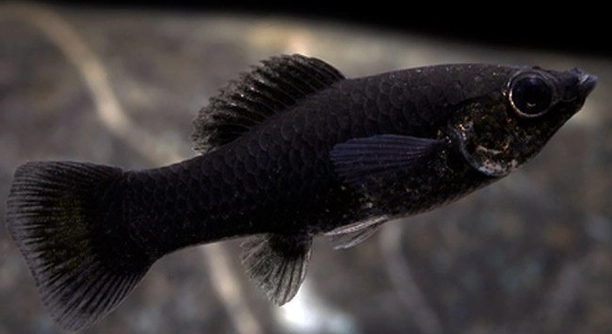
Black mollies are lively fish that often explore every corner of the tank. Sometimes, you may notice your black molly hiding behind the filter instead of swimming freely in the open water.
Black mollies often hide behind the filter due to stress, water quality issues, or discomfort in their environment. They may feel safer near equipment that provides shelter, reducing exposure to sudden movement or tank disturbances.
Understanding these behaviors can improve your tank setup and keep your molly active. Small changes in care often make a big difference for their comfort.
Water Quality and Tank Conditions
Water quality plays a major role in your black molly’s behavior. If ammonia, nitrite, or nitrate levels rise even slightly, it can stress your fish, making them retreat behind the filter. Temperature fluctuations or sudden changes in pH can also make them feel unsafe. Regular water testing is essential, and performing weekly partial water changes helps maintain a stable environment. Filtration is important, but strong currents may intimidate some fish, so adjusting the flow or adding decorations can create calmer spaces. Overcrowding the tank or mixing incompatible species can also increase stress levels. Observing how your molly reacts during feeding and daily tank activity gives clues about its comfort. Providing hiding spots with plants, rocks, or decorations encourages natural behavior while keeping stress low. Proper lighting cycles and avoiding sudden noises near the tank further improve your fish’s sense of security. These small adjustments often prevent persistent hiding and encourage normal swimming patterns.
Monitoring water conditions consistently ensures your molly stays healthy and reduces stress-related hiding behaviors effectively.
Even minor shifts in tank conditions, like slightly higher temperature or a new decoration, can make a molly seek refuge. Creating a balanced environment encourages confidence and normal activity, letting your fish explore more of the tank naturally.
Diet and Feeding Habits
Hiding can also be linked to feeding habits and diet.
A black molly that isn’t getting enough nutrition may become lethargic or retreat more frequently. Ensuring a varied diet with quality flake food, frozen or live brine shrimp, and vegetables supports their energy levels. Overfeeding, however, can cloud the water and cause discomfort. Feed small portions multiple times a day rather than one large meal to keep the tank cleaner and fish healthier. Observing your molly during feeding helps identify whether it is active, shy, or showing signs of illness. Sometimes hiding near the filter is simply a way to feel secure while waiting for food. Introducing food gradually and providing a consistent feeding schedule reduces anxiety. Also, removing uneaten food promptly prevents water contamination that could worsen hiding behavior. By paying attention to dietary needs and feeding patterns, your black molly is more likely to feel safe, swim confidently, and interact with the rest of the tank community. Keeping a balanced diet and maintaining a clean feeding routine supports long-term health and encourages normal behavior.
Tank Mates and Social Behavior
Black mollies often hide when tank mates are aggressive or overly active. Stress from chasing or nipping can push them toward safer spots like behind the filter. Observing interactions helps determine if social tension is the issue.
Some species, such as tiger barbs or large cichlids, may intimidate black mollies. Even other mollies can create competition if the tank is crowded. Providing enough space and visual barriers reduces stress and allows each fish to claim a comfortable territory. Hiding is often temporary once the environment feels secure, but ongoing aggression can harm health. Regularly monitoring tank dynamics and making adjustments, like separating aggressive individuals or adding more plants for cover, encourages peaceful coexistence. Black mollies thrive when they feel protected yet have opportunities to swim freely, and their behavior improves as stress diminishes.
Ensuring compatible tank mates and adequate space encourages black mollies to spend more time swimming openly. Small changes in the social environment can make a significant difference in behavior and comfort.
Lighting and Environmental Stress
Bright or fluctuating lighting can make black mollies feel exposed. Hiding behind the filter helps them cope with discomfort or sudden changes in brightness. Adjusting light intensity or providing shaded areas creates a more comfortable space.
Sudden shifts from dark to bright light, or long periods of intense lighting, can cause stress. Black mollies prefer moderate lighting and areas where they can retreat if needed. Plants, decorations, or floating cover help diffuse light and offer hiding spots. Consistent lighting schedules reduce stress and encourage normal activity. Even minor adjustments, such as dimming during feeding or adding a floating plant, make a difference. Observing the fish’s reaction to light changes helps identify the ideal setup for the tank. Over time, mollies become more confident and explore more openly, reducing the need to hide. Creating a stable, comfortable environment supports natural behavior and overall health.
Health Concerns
Illness can make black mollies hide more than usual. Parasites, fin rot, or internal infections often cause them to seek shelter behind the filter to conserve energy and feel safe. Monitoring their behavior and physical signs is important.
Regular observation of swimming patterns, appetite, and coloration helps detect health issues early. Treating waterborne infections promptly and maintaining clean water reduces the risk of disease.
Age and Natural Behavior
Younger or older black mollies may hide more due to vulnerability or lower energy levels. Juveniles often seek shelter as they explore the tank, while older fish retreat to avoid stress.
Stress from Changes
New decorations, rearranged plants, or a recent tank move can trigger hiding behavior. Black mollies need time to adjust and feel secure before resuming normal swimming.
Breeding Behavior
During breeding, black mollies often hide to avoid aggression or protect fry. Males and females both seek shelter, especially around the filter area where they feel safe from disturbances.
FAQ
Why is my black molly hiding all the time?
Black mollies hide for several reasons, usually linked to stress or discomfort. Poor water quality, aggressive tank mates, sudden changes in the environment, or illness can all cause them to retreat. They may feel safer behind the filter, which provides cover and a sense of security. Observing other signs, like lack of appetite, clamped fins, or unusual swimming patterns, helps determine if the behavior is temporary or a sign of a deeper problem. Adjusting water conditions, providing hiding spots, and monitoring interactions can help your molly feel more comfortable and gradually reduce hiding.
Is it normal for black mollies to hide sometimes?
Yes, occasional hiding is natural. Mollies are prey fish by nature, and seeking shelter behind objects like filters, plants, or decorations is instinctive. They may hide briefly during feeding, when the tank is disturbed, or if lighting is too bright. A small amount of hiding is not a cause for concern, but persistent retreating signals something in the tank environment might need attention, such as water quality, tank mates, or stress factors.
Can water quality make my black molly hide?
Absolutely. Black mollies are sensitive to ammonia, nitrite, and nitrate levels. Even minor spikes can stress them, causing them to hide behind the filter. Temperature fluctuations, pH changes, or hard water can also make them uncomfortable. Regular testing, weekly water changes, and maintaining stable conditions help mollies feel secure and active.
Could aggressive tank mates be causing hiding?
Yes, other fish can influence behavior significantly. Fast, nippy, or territorial species may intimidate black mollies, forcing them to seek shelter. Even other mollies in a crowded tank can trigger competition for space. Providing enough room, visual barriers, and monitoring interactions can reduce hiding and encourage calmer, more confident swimming.
Does lighting affect hiding behavior?
Lighting plays a role in comfort. Bright, fluctuating, or harsh lighting can make mollies feel exposed. They often hide behind the filter to escape intensity. Providing moderate, consistent lighting and shaded areas with plants or floating cover reduces stress. Observing their reaction to light helps adjust the setup for optimal comfort.
Could diet impact hiding?
Diet affects energy and confidence. Black mollies that are underfed or eating poor-quality food may hide more due to low energy. Overfeeding can also stress them by clouding water or creating bacteria growth. Feeding small portions multiple times a day and offering a varied diet of flakes, live or frozen food, and vegetables supports health and encourages active swimming.
Is hiding linked to health issues?
Yes, illness is a common reason. Parasites, fin rot, or internal infections can make a molly seek shelter. Watching for physical signs like discoloration, torn fins, or abnormal swimming is crucial. Prompt treatment and maintaining clean water improve recovery and reduce hiding behavior.
Does age affect hiding?
Both young and older mollies may hide more than adult, healthy fish. Juveniles feel vulnerable and explore cautiously, while older fish may have lower energy or seek safety. Providing hiding spots for all ages helps them feel secure while allowing normal activity.
Do black mollies hide when breeding?
Yes, breeding behavior can cause hiding. Females may hide to avoid aggressive males, and males sometimes retreat while establishing territory. Providing cover near filters or plants gives them safe spaces to protect fry and reduce stress during reproduction.
How long should hiding last?
Temporary hiding is normal, but persistent hiding over days or weeks indicates an underlying problem. Checking water quality, tank setup, diet, tank mates, and overall health helps identify and address the issue, allowing your molly to regain confidence and swim freely.
Black mollies are sensitive fish that rely heavily on a stable and comfortable environment to thrive. Their tendency to hide behind the filter is often a signal that something in their surroundings may be affecting them. It is important to remember that hiding is a natural behavior, and occasional retreating does not always mean something is seriously wrong. However, if your molly spends most of its time in one hiding spot, it is usually worth investigating water quality, tank conditions, and interactions with other fish. Consistency is key, so maintaining a regular schedule for feeding, water changes, and monitoring the tank will help mollies feel more secure. Simple adjustments like adding plants, rearranging decorations, or adjusting light levels can make a noticeable difference in their comfort level.
Water quality is one of the most significant factors influencing molly behavior. High levels of ammonia, nitrites, or nitrates, sudden pH changes, or fluctuating water temperatures can cause stress that leads to hiding. Testing the water regularly and performing partial water changes when needed keeps the tank safe and healthy. Filtration helps maintain clean water, but a strong current can be intimidating, so adjusting the flow or providing gentle areas for swimming is often helpful. Diet also plays a role in confidence and activity. Black mollies need a varied diet including quality flakes, frozen or live food, and vegetables. Overfeeding can lead to water contamination, while underfeeding may make the fish lethargic. Watching your molly during feeding times gives insight into its overall health and comfort.
Social interactions and environmental stability are equally important. Aggressive or overly active tank mates can increase stress, causing your molly to hide behind the filter. Providing adequate space and visual barriers helps mollies feel safe. Lighting should be moderate and consistent, and sudden changes in decorations or tank layout should be introduced gradually. Health concerns, including parasites or infections, can also lead to prolonged hiding. Observing physical signs like discoloration, fin damage, or abnormal swimming patterns allows for early intervention. Even age plays a role, as younger or older mollies often seek shelter more than adult fish in peak health. By paying attention to water quality, diet, social dynamics, and environmental stability, you can create a safe space that encourages your black molly to feel confident, swim freely, and display natural behavior. Consistent care and small adjustments can make a significant difference in reducing stress and improving overall well-being.

Hello,
If you enjoy the content that we create, please consider saying a "Thank You!" by leaving a tip.
Every little bit helps us continue crafting quality advice that supports the health, happiness, and well-being of pets around the world, for pets of all shapes, sizes, and species.
We really appreciate the kindness and support that you show us!