
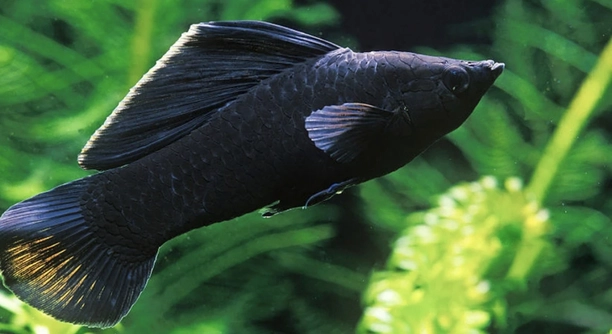
Black Molly fish are popular choices for community aquariums due to their calm nature and striking appearance. Observing them can reveal subtle interactions, as these fish are sensitive to movements, signals, and the moods of other tank inhabitants.
Black Mollies can detect tank mates’ behavior through visual cues, body language, and chemical signals. They respond to aggression, stress, or calmness in other fish, adjusting their own behavior to maintain social harmony and avoid conflict in the aquarium environment.
Learning how Black Mollies perceive and react to their companions provides insight into their social dynamics and helps create a balanced, peaceful tank environment for all fish.
How Black Mollies Observe Tank Mates
Black Mollies are constantly aware of their surroundings. They watch other fish closely, noticing subtle movements and changes in behavior. If a tank mate becomes stressed or aggressive, Black Mollies will often adjust their swimming patterns, keeping distance or hiding behind plants. Their eyes are sensitive to light and motion, allowing them to detect small shifts in fin movements or body posture. Even small changes in water currents caused by other fish can alert them. They also respond to chemical signals in the water, which can indicate stress or health issues. Over time, they learn patterns in the behavior of each tank mate. Social hierarchies may form, with more dominant fish influencing the actions of Black Mollies. Observing these interactions carefully helps maintain a peaceful environment and prevents unnecessary stress. It also provides insight into each fish’s temperament and compatibility.
This attentiveness allows Black Mollies to adapt quickly to changes in the tank.
By monitoring others carefully, Black Mollies maintain balance and avoid conflict. Their behavior ensures the aquarium remains calm and predictable for everyone.
Signs That Black Mollies Are Reacting
When Black Mollies detect changes in behavior, their body language shifts noticeably. They may swim faster, stay close to corners, or flatten their fins, signaling caution or submission.
These reactions indicate that Black Mollies are aware of their tank mates’ moods. They respond instinctively to tension, keeping interactions safe and preventing confrontations. Over time, their responses become predictable. For instance, if a more aggressive fish enters a new area, Black Mollies will temporarily retreat and observe. Similarly, when tank mates display calm behavior, they become more exploratory, swimming openly and engaging in social activities. They may even mirror peaceful movements, creating a harmonious environment. Their ability to detect subtle changes helps them choose safer areas in the tank, avoid potential threats, and interact selectively. This behavioral adaptation is essential for maintaining their health and reducing stress. Recognizing these signs helps aquarium keepers understand the dynamics at play and ensures that all fish can coexist without unnecessary aggression or fear.
How Environment Affects Behavior
Tank layout influences how Black Mollies interact. Plants, rocks, and hiding spots allow them to feel secure and respond confidently to tank mates without stress.
A well-structured environment helps Black Mollies observe others safely. Open swimming areas encourage exploration, while dense plants offer retreat when tension arises. Water quality also affects behavior; clean, oxygenated water reduces stress signals, allowing more accurate social observation. Temperature stability is important, as sudden changes can trigger defensive or erratic behavior. Lighting affects visibility and can alter how they perceive movements. The combination of layout, water quality, and lighting creates a setting where Black Mollies can monitor tank mates effectively, avoiding conflict and promoting calm interactions. Proper placement of tank accessories can guide fish movement and reduce aggressive encounters.
Black Mollies rely on these environmental cues to adjust their responses. Stress-free surroundings improve their confidence and social interactions. Careful observation helps identify which areas they prefer for safety and engagement.
Interpreting Social Signals
Body posture and swimming patterns communicate intentions among tank mates. Black Mollies read these signals to maintain balance and avoid threats.
When a Black Molly sees a fast, jerky movement, it signals agitation or aggression. Slow, smooth swimming indicates calmness. Fin positioning shows dominance or submission, and proximity to other fish reflects comfort levels. They may follow peaceful tank mates or keep distance from aggressive ones. Interactions like nudging or chasing are interpreted carefully. Black Mollies often mirror behaviors to reduce tension, creating predictable social patterns. Observing these responses over time reveals their understanding of group dynamics, helping keepers manage the tank effectively and ensure harmony among all fish.
Detecting Stress in Tank Mates
Black Mollies notice when other fish are stressed. Rapid movements, hiding, or fin clamping signal unease.
They respond by keeping distance or swimming cautiously. Calm tank mates encourage Black Mollies to explore more openly, while stressed fish trigger defensive behavior.
Influence of Feeding
Feeding times reveal social behavior. Black Mollies watch how tank mates approach food, noticing aggression or hesitation. This observation helps them decide when and where to eat safely, avoiding confrontations and ensuring they get enough nutrition without unnecessary stress.
Adjusting to New Fish
When new fish are added, Black Mollies observe carefully. They may retreat initially, then gradually interact as they assess the newcomer’s behavior, maintaining social balance.
Importance of Observation
Monitoring interactions allows better care. Recognizing behavior patterns ensures a calm, healthy aquarium environment.
FAQ
How do Black Mollies react to aggressive tank mates?
Black Mollies often keep their distance from aggressive fish. They may hide among plants or stay near corners to avoid confrontation. Their movements become more cautious, and they swim slowly to avoid drawing attention. Over time, they learn which tank mates are aggressive and adjust their behavior to reduce stress and prevent injury. Watching their responses helps keepers identify tension points in the tank and rearrange decorations or feeding locations to minimize conflict.
Can Black Mollies recognize individual fish?
Yes, Black Mollies can distinguish between different tank mates. They pay attention to size, coloration, and typical behavior patterns. Familiarity allows them to predict how other fish will act, which helps in avoiding aggression or sharing territory. They may interact more confidently with known calm fish and remain cautious around those that have displayed dominance or erratic movements. This recognition improves social stability and reduces stress within the tank.
Do Black Mollies show empathy toward stressed fish?
Black Mollies respond to stress signals in other fish by adjusting their own behavior. If a tank mate is stressed, they may keep distance, mirror calmer movements, or seek shelter to avoid provoking further tension. While it is not empathy in a human sense, their reactions are adaptive, ensuring peaceful coexistence and minimizing conflict in the aquarium.
How quickly do Black Mollies adapt to new fish?
Adaptation speed depends on the newcomer’s behavior and the existing social hierarchy. Calm, non-aggressive fish are usually accepted within a few hours to days, while aggressive or unpredictable fish may require longer observation. Black Mollies initially stay cautious, hiding or swimming slowly, then gradually engage as they assess safety. Proper acclimation techniques, such as floating the new fish in a quarantine bag first, reduce stress for all fish.
Do Black Mollies respond differently to males and females?
Yes, gender can influence behavior. Males may show more territorial or display behavior, which Black Mollies notice and respond to accordingly. Females are generally less aggressive, and Black Mollies may swim more freely around them. Awareness of these differences helps in arranging a balanced tank, reducing dominance disputes, and promoting calm interactions.
Can environmental changes affect their social behavior?
Absolutely. Sudden temperature shifts, poor water quality, or strong lighting can make Black Mollies and other fish more skittish. They rely on stable conditions to monitor tank mates accurately. Plants, hiding spots, and smooth water flow give them confidence to interact safely and maintain social order. Observing changes in behavior after environmental adjustments provides insight into their comfort levels.
Do Black Mollies show leadership or follow behavior?
In group settings, some Black Mollies may take the lead, swimming confidently and exploring open areas, while others follow to stay safe. This dynamic depends on individual temperament and the behavior of other fish. Leaders help establish patterns in the tank, guiding movement and feeding order, which reduces stress and maintains balance. Recognizing which fish lead or follow allows keepers to predict interactions and create a more harmonious environment.
Are there signs of long-term stress in Black Mollies?
Persistent hiding, lack of appetite, fin clamping, or erratic swimming can indicate long-term stress. Observing these behaviors alongside tank mate interactions can reveal underlying social tensions or environmental issues. Addressing these factors, like rearranging decorations or separating aggressive fish, helps restore a stable, healthy environment.
How do Black Mollies react to overcrowded tanks?
Overcrowding increases competition for space, hiding spots, and food. Black Mollies become more cautious and may retreat more often. They rely on visual and chemical cues to avoid conflict, but limited space can escalate tension. Monitoring behavior in crowded conditions is essential to prevent injury and maintain harmony, and reducing the number of fish or enlarging the tank can significantly improve their comfort.
Can Black Mollies detect illness in other fish?
Yes, changes in swimming patterns, lethargy, or unusual movements alert Black Mollies to potential illness. They often avoid sick fish to reduce risk of stress or infection. Observing these interactions helps keepers identify and treat health issues early, protecting the wellbeing of all tank inhabitants.
Do Black Mollies communicate through behavior alone?
Behavior is their primary form of communication. Swimming patterns, fin positions, and proximity signal intentions, mood, or stress levels. Chemical signals also play a role, but most interactions are visual. Understanding these cues helps interpret social dynamics and manage the tank effectively.
How can keepers support healthy social behavior?
Maintaining clean water, proper temperature, and adequate space ensures Black Mollies can monitor and respond to tank mates safely. Providing plants and hiding spots reduces tension. Observing interactions regularly allows early intervention if aggression or stress appears. Careful feeding schedules and tank layout adjustments support peaceful coexistence, ensuring a calm, balanced environment for all fish.
Black Mollies are fascinating fish that rely heavily on observation to interact with their tank mates. Their ability to detect subtle changes in behavior, body language, and swimming patterns allows them to adapt to different social situations. In a community tank, this awareness helps them avoid conflict and maintain a peaceful environment. Watching them closely reveals how sensitive they are to the mood of other fish. They notice sudden movements, aggression, or hesitation and adjust their own actions accordingly. Over time, they learn which fish are calm and which are more dominant, creating a sense of order within the aquarium. Their responses are instinctive and focused on safety and social harmony.
A stable environment is essential for Black Mollies to exhibit natural behavior. Clean, well-oxygenated water and consistent temperature levels reduce stress and allow them to monitor tank mates effectively. Plants, rocks, and hiding spots offer security, giving them areas to retreat when needed. Open swimming spaces, on the other hand, encourage exploration and social interaction. Lighting also plays a role in how they perceive movements and signals from other fish. When environmental factors are properly managed, Black Mollies are more confident and responsive, creating smoother interactions within the tank. Observing these behaviors can provide valuable insight into both their social patterns and overall health, helping aquarists maintain a balanced and calm tank environment for all fish.
Understanding Black Mollies’ social behavior is helpful for maintaining a peaceful aquarium. Their responses to stress, aggression, and calmness demonstrate how fish can communicate non-verbally through observation and body language. By paying attention to these interactions, it is possible to identify potential problems before they escalate, such as territorial disputes or overcrowding. Providing a supportive environment with proper space, hiding areas, and stable water conditions encourages positive behavior and reduces stress. Over time, Black Mollies show predictable patterns that allow keepers to manage the tank more effectively. Recognizing their sensitivity and social awareness can improve the wellbeing of all tank inhabitants, ensuring that the aquarium remains a calm and harmonious space. Observing, adjusting, and responding thoughtfully to their behavior supports long-term health and creates a more enjoyable environment for both the fish and those caring for them.

Hello,
If you enjoy the content that we create, please consider saying a "Thank You!" by leaving a tip.
Every little bit helps us continue crafting quality advice that supports the health, happiness, and well-being of pets around the world, for pets of all shapes, sizes, and species.
We really appreciate the kindness and support that you show us!