
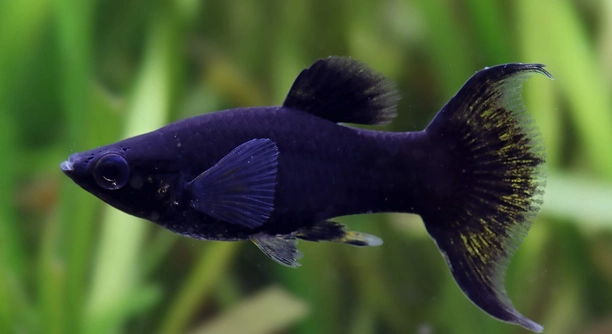
Black Mollies are a popular choice for home aquariums due to their striking color and active behavior. Many new fishkeepers are drawn to their charm and resilience, making them a common addition to beginner tanks.
Black Mollies are suitable for beginners because they are hardy, adaptable to a range of water conditions, and tolerant of minor care mistakes. Their diet is simple, and they exhibit peaceful behavior, making them manageable for first-time fish owners.
Learning the basics of their care, from tank setup to feeding habits, ensures these fish thrive and remain a vibrant part of your aquarium.
Basic Care Requirements
Keeping Black Mollies healthy starts with a properly maintained tank. They thrive in water temperatures between 72°F and 82°F, and a pH range of 7.0 to 8.5 suits them well. Consistent water changes, around 20-25% weekly, help prevent buildup of harmful chemicals. A filter is essential to maintain cleanliness and provide gentle water flow, as Mollies prefer calm waters. Adding plants or decorations gives them places to explore and hide, which reduces stress. Feeding should include a mix of high-quality flake food and occasional live or frozen foods like brine shrimp or daphnia. Overfeeding should be avoided; small portions twice daily are sufficient. Regular observation allows detection of early signs of illness or stress, ensuring prompt care. Black Mollies are generally peaceful but do best in groups, so consider adding at least three to five to prevent loneliness and promote natural behavior.
Providing clean water and a balanced diet is key to their overall health and long-term vitality.
Tank setup, water monitoring, and diet together form the foundation for a thriving Black Molly habitat, keeping them active and vibrant.
Breeding and Behavior
Black Mollies are livebearers, giving birth to fully formed fry rather than laying eggs.
Breeding requires attention to tank size, as overcrowding can stress both adults and fry. Females can give birth every 4-6 weeks, often producing 20-60 fry at a time. Adding hiding spaces with plants or breeding boxes helps fry survive, as adults may eat them. Maintaining clean water is crucial, as poor conditions can lead to illness or weak fry. Separating males from females temporarily can prevent constant breeding, which may exhaust the female. Observing their behavior, including social interactions and territorial displays, can guide adjustments to tank setup. Black Mollies are generally peaceful but can show mild aggression during mating. Understanding their natural tendencies allows better care and reduces stress. Proper attention to water quality, nutrition, and population management ensures healthy, thriving fish and promotes a balanced tank ecosystem for all inhabitants.
Tank Mates
Black Mollies are peaceful and do well with other non-aggressive fish. Avoid fin-nipping species or overly territorial fish that may stress them. Small tetras, guppies, platies, and Corydoras are ideal companions, creating a balanced and harmonious tank environment.
When selecting tank mates, consider size, temperament, and water requirements. Mollies prefer slightly brackish to freshwater conditions, so compatibility is essential. Overcrowding can lead to stress and aggression, even among peaceful species. Introduce new fish gradually and monitor interactions closely to prevent conflict. Black Mollies are social, so keeping them in groups helps them feel secure. Ensuring a mix of hiding spots and open swimming areas allows all species to thrive. Regular observation of feeding behavior and activity levels helps detect early signs of stress.
It’s important to avoid mixing Black Mollies with aggressive or large cichlids, goldfish, or bettas. A carefully selected community tank promotes health, reduces stress, and allows natural behaviors to flourish.
Feeding Habits
Black Mollies are omnivores, requiring a varied diet to stay healthy. Flakes, pellets, and occasional live or frozen foods meet their nutritional needs effectively.
Feeding should occur twice daily in small portions, ensuring all fish get access to food without overfeeding. Overfeeding can lead to water quality issues, obesity, and health problems. Supplementing with vegetables like blanched spinach, zucchini, or peas provides essential fiber and nutrients. Observing their eating habits helps determine if any fish are not getting enough food. Black Mollies are opportunistic feeders, often grazing throughout the day, so multiple small feedings mimic natural behavior. Maintaining a balanced diet supports growth, coloration, and overall vitality, making them more resilient to disease.
It is beneficial to rotate food types and include plant matter consistently. Proper feeding promotes energy, bright coloration, and longevity, ensuring Black Mollies remain active and vibrant in the aquarium environment.
Water Conditions
Black Mollies thrive in slightly brackish or freshwater environments with stable conditions. Temperature should remain between 72°F and 82°F, and pH around 7.0 to 8.5. Sudden changes can stress them and increase susceptibility to disease.
Regular water changes, about 20-25% weekly, are essential. A reliable filter maintains water clarity and removes toxins. Monitoring ammonia, nitrite, and nitrate levels ensures a safe environment. Black Mollies also benefit from moderate lighting and gentle water flow. Consistent maintenance prevents common health issues and supports natural behavior, keeping fish active and vibrant.
Common Health Issues
Black Mollies are generally hardy but can develop health problems if care is neglected. Ich, fin rot, and fungal infections are the most common.
Maintaining clean water, a balanced diet, and proper temperature prevents most illnesses. Overcrowding and poor water quality increase stress, weakening the immune system. Quarantining new fish before introducing them to the main tank reduces the spread of disease. Observing behavior, swimming patterns, and coloration helps detect early signs of illness. Prompt treatment with appropriate medication or natural remedies increases recovery chances. Good hygiene, careful monitoring, and preventive measures are essential for keeping Black Mollies healthy and thriving.
Tank Size
A minimum 20-gallon tank is recommended for a small group of Black Mollies.
FAQ
How often should I feed Black Mollies?
Black Mollies should be fed twice daily in small portions. Overfeeding can harm water quality and lead to obesity. Small, frequent meals mimic natural grazing behavior, keeping them active. Supplement their diet with vegetables like spinach or peas and occasional live or frozen foods for proper nutrition.
Can Black Mollies live with other fish?
Yes, they are peaceful and do well with other non-aggressive fish such as guppies, platies, small tetras, and Corydoras. Avoid aggressive or fin-nipping species. Introducing new fish slowly and observing interactions helps prevent stress and ensures a harmonious tank environment.
What water temperature is best for Black Mollies?
Black Mollies thrive between 72°F and 82°F. Consistent temperature is important, as sudden fluctuations can stress them and increase the risk of illness. Using a reliable heater and thermometer helps maintain a stable environment for healthy fish.
Do Black Mollies need salt in their water?
A small amount of aquarium salt can benefit Black Mollies, especially in slightly brackish setups. It can help prevent disease and support their natural osmoregulation. However, salt is not required in purely freshwater tanks, and overuse should be avoided.
How can I prevent common diseases?
Regular water changes, proper filtration, and a balanced diet are key. Quarantining new fish reduces the spread of infections. Monitoring behavior, swimming patterns, and coloration helps detect problems early. Addressing issues promptly with appropriate medication or natural remedies ensures better recovery.
How big should the tank be?
A minimum 20-gallon tank is recommended for a small group. More space is better to reduce stress, prevent aggression, and allow natural behavior. Providing hiding spots, open swimming areas, and plants improves overall well-being.
How fast do Black Mollies grow?
Growth depends on diet, water quality, and tank conditions. Typically, they reach full size within 6-12 months. Proper nutrition and stable conditions promote healthy development, vibrant coloration, and longer lifespan.
Can Black Mollies breed easily in home aquariums?
Yes, they are livebearers and can reproduce frequently. Females give birth to 20-60 fry every 4-6 weeks. Providing hiding spaces for fry increases survival rates. Separating males temporarily can prevent overbreeding and reduce stress on females.
What signs indicate stress in Black Mollies?
Lethargy, loss of appetite, clamped fins, or unusual swimming patterns often indicate stress. Stress can result from poor water quality, overcrowding, aggressive tank mates, or sudden environmental changes. Identifying and correcting the cause improves health and behavior.
How often should I check water parameters?
Regular monitoring is essential. Ammonia, nitrite, nitrate, pH, and temperature should be checked weekly. Maintaining stable water parameters reduces the risk of disease and keeps Black Mollies active and healthy.
Are Black Mollies suitable for beginners?
Yes, their hardiness, adaptability, and peaceful nature make them ideal for first-time fishkeepers. Consistent care, proper feeding, and attention to water quality ensure they thrive and remain vibrant in a home aquarium.
Can I keep only one Black Molly?
No, they are social fish and do best in small groups of three or more. Keeping them alone can cause stress and limit natural behavior, reducing their overall health and activity levels.
What is the lifespan of a Black Molly?
With proper care, Black Mollies can live 3-5 years. Providing clean water, a balanced diet, and a safe tank environment supports longevity and vibrant coloration. Regular observation helps maintain health and prevent premature death.
How do I introduce new fish to a Black Molly tank?
Quarantine new fish for at least two weeks before adding them to the main tank. Introduce them gradually and monitor interactions to prevent stress, aggression, and the spread of disease among your Black Mollies.
Can Black Mollies tolerate brackish water?
Yes, they can adapt to slightly brackish water. Adding a small amount of aquarium salt supports their health, promotes natural behavior, and can prevent certain diseases. Sudden changes should be avoided to prevent stress.
How do I maintain their coloration?
Bright coloration depends on proper diet, clean water, and stress-free conditions. Feeding high-quality flakes, supplements, and occasional live or frozen foods enhances pigmentation. Avoid overcrowding and aggressive tank mates to maintain their natural vibrant colors.
Is it necessary to trim plants in a Black Molly tank?
Yes, trimming helps maintain tank cleanliness and prevents overcrowding. Healthy plants improve water quality, provide hiding spaces, and support natural behavior. Regular pruning encourages growth and prevents detritus buildup, which can affect water parameters.
Do Black Mollies need a specific pH?
A pH between 7.0 and 8.5 is ideal. Maintaining stable pH supports overall health, digestion, and immune function. Sudden fluctuations can cause stress and increase susceptibility to disease, making consistent monitoring essential.
Can I use tap water for Black Mollies?
Yes, tap water can be used if treated with a water conditioner to remove chlorine and chloramines. Testing for hardness and pH helps ensure the water matches their needs, preventing stress and supporting long-term health.
What is the best way to clean a Black Molly tank?
Perform weekly water changes of 20-25%, clean the substrate with a siphon, and rinse filter media without using soap. Regular maintenance keeps water clear, reduces toxins, and supports healthy fish behavior and growth.
How do I know if my Black Mollies are happy?
Active swimming, bright colors, regular feeding, and social interaction indicate they are thriving. Stress signs like clamped fins, hiding, or lethargy suggest environmental or health issues that need attention.
Can Black Mollies tolerate different lighting conditions?
They adapt to moderate lighting, which supports plant growth and natural behavior. Excessive light may promote algae growth, while too little can affect activity levels. Maintaining a balanced light cycle supports overall health.
How can I reduce aggression in a mixed tank?
Provide sufficient space, hiding spots, and a balanced ratio of males to females. Avoid aggressive or territorial species and monitor behavior regularly. Adjust tank conditions to reduce stress and maintain harmony among all fish.
Are Black Mollies sensitive to water changes?
They tolerate gradual water changes well. Sudden large changes in temperature, pH, or hardness can cause stress. Slowly adjusting conditions during maintenance preserves health and reduces risk of illness.
What is the ideal group size for Black Mollies?
Keeping at least three to five individuals ensures social interaction and reduces stress. A larger group helps establish natural hierarchies and encourages healthy, active behavior.
Can Black Mollies live with shrimp or snails?
Yes, they usually coexist with small snails and non-aggressive shrimp. Avoid tiny species that may be seen as food. Providing hiding spaces ensures safety for all tank inhabitants.
Do Black Mollies need supplemental vitamins?
A balanced diet with varied food generally provides necessary nutrients. Occasionally adding supplements supports color, growth, and immune function, especially in heavily stocked or high-stress tanks.
How often should I replace filter media?
Filter media should be rinsed regularly in tank water and replaced according to manufacturer instructions. Avoid changing all media at once to preserve beneficial bacteria essential for nitrogen cycling and water quality.
Can Black Mollies survive in unheated tanks?
They may survive in temperate water but thrive in stable, slightly warmer conditions. Unheated tanks with fluctuating temperatures increase stress and susceptibility to disease. Maintaining a consistent temperature improves health and longevity.
How do I handle sick Black Mollies?
Isolate affected fish in a quarantine tank, maintain clean water, and treat with appropriate medication. Monitor recovery closely and adjust tank conditions to prevent further stress and disease spread.
Are Black Mollies suitable for community tanks with larger fish?
They should not be kept with aggressive or much larger species that may attack or outcompete them for food. Choosing compatible, peaceful tank mates ensures safety and reduces stress.
What are the signs of overbreeding?
Females appearing thin, lethargic, or constantly giving birth may indicate overbreeding. Separating males temporarily and providing proper nutrition helps restore health and prevents stress-related illness.
Can Black Mollies adapt to different water hardness levels?
Yes, they tolerate a range of moderate to hard water. Sudden changes in hardness should be avoided. Consistent monitoring ensures they remain healthy and active in the aquarium environment.
Do Black Mollies need aeration?
Moderate aeration is helpful, especially in densely stocked tanks. Adequate oxygen levels support metabolic function, reduce stress, and enhance overall health and activity.
How often should I clean decorations in the tank?
Clean decorations as needed during water changes to prevent algae buildup and maintain water quality. Avoid harsh chemicals and rinse thoroughly to preserve safe conditions for fish.
Are Black Mollies compatible with live plants?
Yes, live plants improve water quality, provide hiding spots, and reduce stress. They also create a natural environment that encourages grazing and exploration behavior.
What is the best way to acclimate new Black Mollies?
Float the bag in the tank for 15-20 minutes, gradually mix tank water into the bag, and then release fish. This minimizes stress from sudden changes in temperature and water chemistry.
Can Black Mollies tolerate tap water changes without conditioning?
No, untreated tap water may contain chlorine or chloramines, which are harmful. Using a water conditioner protects gills and overall health, ensuring a safe environment for your fish.
How do I maintain a balanced male-to-female ratio?
Keeping two to three females per male reduces harassment and stress on females. Maintaining this ratio supports natural breeding without overburdening any individual fish.
What type of substrate is best for Black Mollies?
Fine gravel or sand is ideal. It allows safe grazing and supports live plants. Avoid sharp or rough substrates that can injure fins or disrupt natural behavior.
How can I tell if a Black Molly is pregnant?
A dark gravid spot near the anal fin and a slightly rounded belly indicate pregnancy. Monitoring females helps prepare for fry care and prevents accidental loss.
Do Black Mollies need hiding spots?
Yes, plants, rocks, or decorations provide safety, reduce stress, and encourage natural behavior. Hiding spots are particularly important for fry survival and for females during breeding.
Can Black Mollies live in small tanks?
They can survive in smaller tanks temporarily, but at least 20 gallons is recommended for a group. Larger tanks reduce stress, prevent aggression, and allow natural swimming behavior.
How can I improve water circulation for Black Mollies?
Using a gentle filter, adjusting flow settings, and placing air stones strategically improves oxygen distribution without creating strong currents that stress the fish.
What is the best way to transport Black Mollies?
Use a secure bag with water from their tank, maintain stable temperature, and minimize handling. Transport quickly and safely to reduce stress and avoid injury.
Can Black Mollies tolerate fluctuating light cycles?
Moderate and consistent lighting supports plant growth and fish activity. Sudden or extreme changes can stress them and affect natural behavior. A 10-12 hour light cycle is recommended.
How do I manage algae in a Black Molly tank?
Regular water changes, proper lighting, and algae-eating species like snails or shrimps help control growth. Avoid overfeeding, as excess nutrients fuel algae proliferation.
Do Black Mollies need a specific water current?
They prefer gentle to moderate water flow. Strong currents can cause stress and disrupt normal swimming, while too little flow may reduce oxygenation and water quality.
Can Black Mollies coexist with bettas?
It is risky. Bettas can be territorial and aggressive, potentially stressing or injuring Mollies. Choosing peaceful tank mates ensures safety and reduces conflict.
What are common signs of illness in Black Mollies?
Fin rot, white spots, clamped fins, lethargy, loss of appetite, or unusual swimming patterns indicate potential health issues. Early detection and prompt treatment improve recovery chances.
How do I prevent fin damage in Black Mollies?
Avoid sharp decorations, aggressive tank mates, and overcrowding. Regular monitoring and proper care minimize injury risks, ensuring healthy fins and natural swimming behavior.
Are Black Mollies sensitive to noise or vibrations?
Excessive disturbances can stress them, causing hiding or erratic swimming. Maintaining a stable, calm environment supports health and natural behavior.
How do I encourage breeding without stressing females?
Provide adequate hiding spots, proper nutrition, and a favorable environment. Limit male harassment by maintaining a balanced male-to-female ratio, reducing stress on females.
Can Black Mollies tolerate low oxygen levels?
They need moderate oxygen levels. Insufficient oxygen leads to stress, lethargy, and health problems. Aeration, water movement, and live plants help maintain proper oxygenation.
Do Black Mollies need a quarantine period?
Yes, quarantining new fish for at least two weeks prevents disease introduction, protects the main tank, and allows observation of health before adding them to the community.
What is the ideal water hardness for Black Mollies?
Moderate to hard water is suitable. Maintaining stable hardness supports osmoregulation, growth, and overall health. Sudden changes can stress the fish and affect behavior.
How often should I check for signs of stress?
Daily observation of swimming, appetite, and coloration helps detect early stress. Prompt action prevents health problems and ensures a thriving aquarium environment.
Can Black Mollies tolerate different tank shapes?
Yes, but wider tanks with open swimming areas and hiding spots are preferable. Space and layout impact activity levels and stress, promoting natural behavior.
Do Black Mollies interact with plants?
They graze on plant surfaces occasionally and use plants for hiding. Live plants enhance water quality and provide security, supporting overall health and natural behavior.
Can Black Mollies adapt to slightly cooler temperatures?
They tolerate minor fluctuations but prefer stable warm water. Prolonged exposure to cooler temperatures may reduce activity, weaken the immune system, and increase susceptibility to disease.
Are Black Mollies sensitive to chemicals in the water?
Yes, chlorine, chloramines, and heavy metals are harmful. Using water conditioners and testing regularly ensures safe, stable conditions and supports long-term health.
How do I monitor Black Molly health effectively?
Observe daily for appetite, swimming patterns, coloration, and social behavior. Regular water testing and tank maintenance help prevent disease and ensure a healthy, stress-free environment.
Can Black Mollies live with goldfish?
No, goldfish have different water requirements and can outcompete Mollies for food. Combining them may lead to stress, poor health, and reduced lifespan.
What is the best way to prevent overpopulation?
Separating males temporarily or keeping only one sex can control breeding. Providing adequate space and monitoring fry numbers prevents overcrowding and maintains a balanced tank.
How long can Black Mollies go without food?
They can survive a few days, but regular feeding is essential for health, growth, and coloration. Extended fasting weakens the immune system and reduces vitality.
Do Black Mollies need gravel or sand substrate?
Fine gravel or sand is ideal for safe grazing and plant support. Sharp substrates can cause injuries and interfere with natural behavior.
Can Black Mollies tolerate slightly acidic water?
They prefer neutral to slightly alkaline water. Mild acidity is tolerated temporarily, but prolonged exposure can cause stress and reduce health.
How do I prepare the tank for new Black Mollies?
Clean the tank, cycle it properly, test water parameters, add plants or hiding spots, and ensure proper filtration before introducing new fish to create a stable environment.
Can Black Mollies live in a low-maintenance tank?
They require regular monitoring, water changes, and proper feeding. While hardy, neglecting maintenance can quickly lead to stress, illness, or reduced lifespan.
What is the best way to observe natural behavior?
Provide adequate space, hiding spots, and a balanced group. Watching swimming patterns, social interactions, and feeding habits reveals normal behavior and indicates a healthy environment.
Are Black Mollies affected by tank vibrations or movement?
Excessive vibrations or sudden movement can stress them, causing erratic swimming or hiding. A stable, calm environment promotes health and natural activity.
How do I reduce the risk of disease spread?
Quarantine new fish, maintain clean water, monitor tank mates, and avoid overcrowding. Early detection and prompt treatment are essential for a healthy aquarium.
Can Black Mollies tolerate tap water without treatment?
No, untreated tap water contains chlorine and chloramines harmful to fish. Using a water conditioner ensures a safe environment and prevents gill damage or stress.
What is the role of plants in a Black Molly tank?
Plants provide hiding spots, grazing surfaces, and improve water quality. They reduce stress, support natural behavior, and enhance the overall health of the aquarium ecosystem.
How do I ensure fry survival?
Provide hiding places, dense plants, or breeding boxes. Isolate fry from adults if necessary and maintain clean water to increase survival rates and healthy development.
Can Black Mollies survive in a nano tank?
Small tanks are possible for short periods, but at least 20 gallons is recommended for a group to reduce stress, aggression, and allow natural swimming behavior.
Do Black Mollies require special lighting?
Moderate lighting supports plant growth and natural behavior. Too much light can promote algae, while too little can reduce activity and stress fish. A consistent cycle is best.
How often should I observe fish behavior?
Daily observation allows early detection of stress, illness, or aggression. Monitoring feeding, swimming, and social interactions ensures timely interventions and healthy fish.
Are Black Mollies suitable for community tanks?
Yes, with peaceful, compatible species. Avoid aggressive or much larger fish. Careful selection promotes harmony, reduces stress, and supports natural behavior.
Can Black Mollies adapt to slightly salty water?
Yes, small amounts of salt benefit health and mimic natural conditions. Sudden changes should be avoided, and monitoring ensures proper adaptation.
What is the best way to prevent fin rot?
Maintain clean water, avoid overcrowding, and keep tank mates peaceful. Quarantine new fish and monitor for early signs to treat promptly.
Do Black Mollies need a heater?
A heater ensures stable temperatures between 72°F and 82°F. Consistent warmth supports immune function, growth, and activity.
Can Black Mollies tolerate low light tanks?
They can adapt but may show reduced activity. Moderate light encourages natural behavior, plant growth, and healthy coloration.
How do I maintain a stress-free environment?
Stable water, proper tank mates, adequate space, and hiding spots reduce stress. Regular feeding and maintenance support health and natural behavior.
Are Black Mollies affected by tank decorations?
Black Mollies are an excellent choice for those starting with aquariums. Their hardiness, peaceful nature, and adaptability make them manageable for beginners while still being engaging to watch. They respond well to consistent care, and their lively swimming and striking black coloration add visual interest to any tank. Proper attention to water conditions, diet, and tank mates allows them to thrive without excessive effort. While they are resilient, consistent maintenance, including regular water changes, monitoring of water parameters, and feeding a balanced diet, is necessary to keep them healthy. Observing their behavior helps detect early signs of stress or illness, which can prevent serious health issues before they develop. Black Mollies are also social, so keeping them in small groups ensures they exhibit natural behavior and reduces stress. A simple, well-planned tank setup with hiding spots and gentle water flow creates an environment where they feel secure and active, contributing to their overall well-being.
Breeding is another aspect that makes Black Mollies interesting to maintain. As livebearers, they produce fry rather than eggs, which can be exciting for fishkeepers who enjoy observing natural reproduction. However, breeding also requires preparation to ensure the survival of the fry, including providing plants, hiding spaces, or separate breeding boxes. Overbreeding can stress females, so maintaining a proper male-to-female ratio is important to avoid health problems. While they can reproduce frequently, a responsible approach to population management ensures a balanced and sustainable aquarium environment. Their behavior during breeding, including mild aggression or chasing, is normal, but careful observation and minor adjustments can reduce stress for both males and females. Understanding their breeding habits can help beginners feel more confident in managing their tanks while still appreciating the natural dynamics of the species.
Overall, Black Mollies combine beauty, activity, and adaptability, making them suitable for both new and experienced fishkeepers. They require basic but consistent care, including monitoring water quality, feeding a varied diet, and providing appropriate tank mates and space. Small, manageable steps such as regular water changes, proper feeding, and observing behavior can prevent most common health issues. Their peaceful nature allows them to coexist with other compatible species, creating a harmonious community tank. With attention to social needs, tank setup, and diet, Black Mollies can live vibrant, healthy lives for several years. They provide both visual appeal and engaging activity in an aquarium, rewarding the effort of their care. For those willing to maintain stable conditions and watch for signs of stress or illness, Black Mollies offer a reliable and satisfying addition to a home aquarium. Their balance of hardiness and visual charm makes them an ideal choice for anyone looking to maintain a thriving freshwater tank.

Hello,
If you enjoy the content that we create, please consider saying a "Thank You!" by leaving a tip.
Every little bit helps us continue crafting quality advice that supports the health, happiness, and well-being of pets around the world, for pets of all shapes, sizes, and species.
We really appreciate the kindness and support that you show us!