
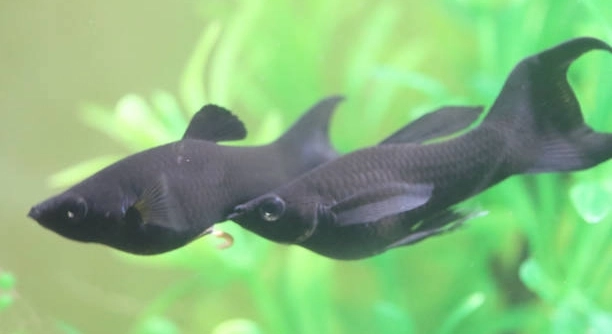
Black mollies are small, peaceful fish often found in home aquariums. Their dark, shiny appearance makes them popular among hobbyists, and many enjoy observing their swimming patterns and interactions in a shared tank environment.
Black mollies can exhibit personality differences, with some showing more curiosity, boldness, or social interaction than others. These behavioral variations can be influenced by genetics, environment, and tank conditions, indicating that individual temperaments are present even in small fish species.
Understanding these behaviors can enhance the care you provide and make observing your black mollies a more engaging experience. Paying attention to subtle differences can reveal much about their daily habits.
Recognizing Personality in Black Mollies
Black mollies may seem similar at first glance, but spending time observing them reveals subtle differences. Some fish swim confidently across the tank, exploring every corner, while others prefer to stay near plants or decorations. Certain mollies may actively interact with tank mates, nudging or following them, while others are more independent. Feeding time often highlights these traits; bold mollies quickly approach food, while shy ones wait on the edges, watching carefully before moving. Even resting patterns differ, with some choosing open water and others hiding in shaded areas. Over time, these behaviors become consistent enough to identify individual personalities. Tank layout and water quality also play a role in how these traits appear, with stress or overcrowding sometimes suppressing natural behaviors. Watching these fish closely can make daily care more rewarding, as their unique tendencies emerge in both play and rest. Noticing these patterns helps provide a more tailored environment for each fish, enhancing their well-being.
Observing black mollies carefully allows owners to see their different temperaments and adjust care routines to suit individual needs.
Personality differences in black mollies are more than just curiosity. Bold individuals tend to explore, claim territory, and interact more with both tank mates and humans, displaying confidence in new situations. Shy mollies show caution, often retreating or hiding when changes occur in the environment. These tendencies affect social dynamics within the tank, influencing feeding, swimming patterns, and even breeding behavior. By recognizing these traits, caretakers can ensure each fish is comfortable, reducing stress and promoting healthier interactions. Adjusting tank decorations, providing safe hiding spots, and observing feeding habits can support the varying temperaments. Over time, owners may notice that some mollies consistently lead others, while some prefer following or staying on the periphery. These observations highlight that personality is not only evident but significant in shaping daily tank life. Appreciating these differences allows for a more harmonious and responsive aquarium experience.
Influences on Behavior
Tank conditions play a major role in shaping black molly behavior. Proper water temperature, pH levels, and cleanliness directly impact their activity and comfort.
Environmental factors like tank size, plant placement, and social grouping influence how mollies express their personality. A larger tank allows more exploration, while hiding spots support shy fish. Consistent feeding schedules help build trust, encouraging timid mollies to interact more. Overcrowding or sudden changes can cause stress, temporarily masking natural behaviors. Even subtle details, such as light intensity and water flow, can affect swimming patterns. Observing fish over time helps distinguish whether a behavior is personality-driven or environmentally influenced. By creating a stable and well-structured habitat, owners can support natural tendencies, allowing bold and shy individuals alike to thrive. Adjusting tank conditions with attention to individual needs enhances their well-being and highlights the subtle diversity in behavior that makes black mollies interesting to care for.
Social Interactions Among Black Mollies
Black mollies show different levels of social behavior. Some are highly active, swimming together or following each other, while others prefer solitude, only engaging when food is nearby.
Social behavior in black mollies can indicate personality traits. Bold mollies often initiate swimming together, exploring areas of the tank, and sometimes gently nudging other fish. Shy individuals stay near plants or the edges, avoiding confrontation or attention. Social interactions also include feeding dynamics, where assertive fish get first access, and reserved fish wait or nibble cautiously. Observing these patterns provides insight into each fish’s temperament. Understanding these differences helps in creating a harmonious tank and reducing stress-related behaviors.
Feeding time clearly highlights social tendencies. Bold fish approach immediately, taking lead positions and sometimes claiming territory near food sources. Reserved mollies hang back, watching closely before moving in for smaller portions. Over time, these behaviors remain consistent, revealing stable personality traits. Tracking how each fish responds to both tank mates and environmental changes can help in adjusting care practices, from arranging hiding spots to deciding tank companions. Recognizing these patterns allows owners to better meet each fish’s comfort and social needs, promoting a balanced and peaceful aquarium.
Personality and Health Indicators
Behavioral changes can signal health issues in black mollies. Sudden withdrawal, lethargy, or reduced appetite often reflects stress or illness.
Personality traits and health are closely linked. A usually bold molly that becomes unusually timid or inactive may be experiencing discomfort or water quality stress. Shy fish that suddenly become aggressive can indicate environmental disturbances or disease. Regular observation is crucial, noting deviations from established patterns. Proper diet, clean water, and stable conditions help maintain consistent behavior. Health monitoring is easier when individual personalities are recognized, allowing early intervention. Recognizing the normal personality spectrum makes it easier to detect subtle signs of illness, keeping the tank safe and supportive.
Environmental Enrichment
Adding plants, rocks, and hiding spots helps black mollies feel secure. Bold fish explore more, while shy fish use these areas to relax and regain confidence.
Varying decorations and creating different zones in the tank encourages natural behaviors. It also allows fish to express curiosity and assertiveness, highlighting their unique personalities.
Observing Daily Routines
Black mollies follow consistent routines in swimming, resting, and feeding. Noticing these patterns helps identify individual behavior traits. Bold fish swim actively in open areas, while reserved fish stick to edges or plants, revealing their comfort zones. Regular observation strengthens understanding of each molly’s personality.
Adjusting Tank Conditions
Water temperature, pH, and cleanliness influence behavior and stress levels. Proper maintenance supports natural activity patterns, allowing mollies to display personalities without interference from environmental stressors.
Feeding Strategies
Feeding techniques can affect personality expression. Offering food in multiple areas reduces competition, allowing shy mollies to access meals. Bold fish tend to dominate feeding spots, while cautious fish wait or explore alternative areas. Adjusting feeding encourages balance and reduces stress among different temperaments.
FAQ
Can black mollies really have different personalities?
Yes, black mollies can display noticeable differences in temperament. Some are naturally bold and explore the tank openly, while others are more reserved, sticking to plants or corners. These traits are consistent over time, indicating that each fish has its own individual personality. Observing them regularly reveals these subtle differences in behavior, feeding, and interaction.
How can I tell if my molly is shy or bold?
Bold mollies often swim in open spaces, approach food quickly, and interact with tank mates confidently. Shy fish may remain near plants, hide, or wait until others move before exploring. Monitoring their reactions to changes in the environment, like new decorations or other fish, helps identify these traits.
Do tank conditions affect personality expression?
Absolutely. Water temperature, cleanliness, and tank size influence behavior. Shy mollies may become more reserved in small or crowded tanks, while bold fish may act more aggressive if conditions are stressful. Proper maintenance and a spacious environment encourage natural behaviors and allow personalities to emerge fully.
Can social dynamics change a molly’s behavior?
Yes, interactions with other fish impact behavior. Bold mollies may lead or dominate during feeding, while shy mollies adjust their routines to avoid conflict. Group composition and the number of tank mates can affect how confident or reserved each fish appears. Observing these interactions over time helps understand the social hierarchy.
Does feeding routine influence behavior?
Feeding patterns can highlight personality traits. Bold mollies often rush to the food first, claiming areas near the surface, while shy fish wait or nibble cautiously. Providing food in multiple spots reduces competition, letting all fish eat comfortably and express their natural tendencies.
How can I encourage shy mollies to be more active?
Adding hiding places, gentle lighting, and consistent feeding schedules helps shy mollies feel secure. Slowly introducing new objects or rearranging tank decorations can encourage exploration. Over time, these adjustments build confidence, allowing reserved fish to gradually interact more with the environment and tank mates.
Can health issues be mistaken for personality differences?
Yes. A normally active molly that becomes withdrawn may be ill, stressed, or reacting to poor water conditions. Recognizing normal behavior is essential for spotting deviations. Regular observation ensures that changes in activity are addressed promptly, distinguishing health problems from genuine temperament traits.
Do black mollies show different personalities as they age?
Personality traits are generally stable, but activity levels may change with age. Younger fish tend to be more curious and energetic, while older mollies may slow down. However, core temperament, such as boldness or shyness, usually remains identifiable throughout their lifespan.
Is it normal for some mollies to be aggressive?
Aggression can occur, particularly among bold individuals or in crowded tanks. Territorial behavior may be displayed during feeding or interactions with other fish. Observing these tendencies and adjusting tank layout, population density, or feeding strategies helps reduce conflict and allows all fish to maintain natural behaviors.
How do I track my mollies’ personalities effectively?
Keeping a simple observation log of feeding times, interactions, and resting patterns helps track individual traits. Noting differences in boldness, curiosity, and social behavior over time makes it easier to cater to each fish’s needs. This method ensures a healthier, more balanced tank environment where each molly can thrive.
Can mollies change personality if moved to a new tank?
Initial behavior may change due to stress or unfamiliar surroundings. Shy mollies may hide more, and bold ones may act cautiously. Once acclimated to water conditions, tank layout, and companions, their original personality traits typically re-emerge. Gradual introductions and stable conditions ease this transition effectively.
Do black mollies interact differently with humans?
Yes, mollies may show curiosity by following your movements or swimming toward the tank glass. Bold individuals are more likely to approach hands during feeding, while shy fish may observe quietly from a distance. These interactions reflect their unique personalities and comfort levels with human presence.
Can multiple mollies influence each other’s personality?
Yes, group dynamics play a role. Bold mollies can encourage timid fish to explore, while overly aggressive behavior can suppress natural tendencies. Observing interactions helps determine compatible groupings and ensures that each fish’s behavior is expressed without undue stress or conflict.
Do environmental changes reveal hidden traits?
Changing decorations, lighting, or tank mates can reveal hidden aspects of personality. Some mollies may become more assertive or cautious depending on the situation. Gradual adjustments allow observation of these shifts, highlighting flexibility and depth in individual temperament while maintaining overall well-being.
Is it important to document behavior over time?
Tracking behavior provides insight into each molly’s personality and health. Consistent observation helps distinguish normal traits from stress or illness, ensures appropriate care, and enhances understanding of how individual fish interact with the environment and each other. Over time, this practice improves tank management and fish welfare.
Black mollies are more than just decorative fish in an aquarium. Spending time observing them closely can reveal subtle differences in behavior, showing that each fish has its own unique personality. Some black mollies are bold, exploring the tank openly, approaching food quickly, and interacting confidently with other fish. Others are naturally shy, preferring to stay near plants or decorations and approaching new objects or situations cautiously. These differences are consistent over time and can be influenced by genetics, environment, and the social makeup of the tank. By taking the time to notice these traits, caretakers can gain a better understanding of their fish, improving daily care and creating a more harmonious environment in the tank. Recognizing that personality is present even in small fish can make the experience of keeping black mollies more engaging and rewarding.
Tank conditions play a significant role in how black mollies express their personalities. Water quality, temperature, pH balance, and tank size all impact their comfort and behavior. A spacious, well-maintained tank allows bold fish to explore freely while providing shy fish with safe spaces to feel secure. Environmental enrichment, such as plants, rocks, and hiding spots, encourages natural behaviors and gives each fish a way to express its temperament. Feeding routines also reveal personality differences, as bolder fish tend to dominate feeding areas while reserved individuals wait or explore alternative spots. By observing how each molly interacts with its environment and tank mates, owners can make small adjustments that support healthy, natural behaviors. These changes help reduce stress, prevent aggression, and allow individual personalities to thrive, making the tank a more balanced and enjoyable space for both the fish and the caretaker.
Personality differences in black mollies also provide insight into their health and overall well-being. Behavioral changes, such as a normally active molly becoming withdrawn or a shy fish suddenly acting aggressively, can indicate stress, illness, or environmental issues. Regular observation allows caretakers to distinguish between natural temperament and changes that require attention. Understanding each fish’s routine, social tendencies, and reactions to changes in the tank helps ensure their needs are met and promotes long-term health. Appreciating personality differences can enhance interactions with the fish, whether through feeding, rearranging decorations, or monitoring social dynamics. Over time, this awareness deepens the connection between caretaker and fish, making the experience of keeping black mollies both educational and enjoyable. Recognizing and supporting their unique behaviors ensures a healthier, more responsive, and engaging environment for every fish in the aquarium.

Hello,
If you enjoy the content that we create, please consider saying a "Thank You!" by leaving a tip.
Every little bit helps us continue crafting quality advice that supports the health, happiness, and well-being of pets around the world, for pets of all shapes, sizes, and species.
We really appreciate the kindness and support that you show us!