
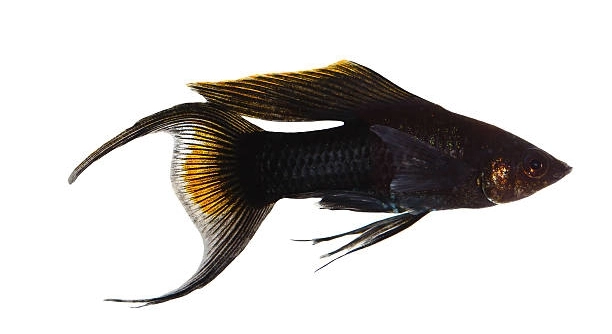
Do you enjoy keeping black mollies in your aquarium but sometimes notice unusual behavior or appearance? These small, elegant fish can show subtle signs when their health is affected, especially by parasites in the tank.
Black mollies can harbor parasites that affect their health and behavior. Common indicators include changes in appetite, erratic swimming, visible spots or worms, clamped fins, and rapid gill movement. Recognizing these signs early is crucial for timely intervention and care.
Observing these symptoms closely allows you to maintain a healthy environment for your black mollies and prevent more serious health issues. Proper care ensures they thrive in your aquarium for years.
Changes in Appetite
A noticeable drop in appetite is often one of the first signs that your black molly may be dealing with parasites. If your fish normally eats eagerly but begins ignoring food, it could indicate internal stress or infection. Over time, a consistent lack of eating can weaken their immune system and make them more vulnerable to additional illnesses. Observing feeding habits closely is essential. Changes may be subtle at first, like nibbling only occasionally or spitting food out. Even minor variations can signal a larger problem that needs attention. It is also helpful to track these behaviors over several days to ensure the change is persistent. Feeding small portions and noting reactions helps identify whether the appetite change is due to parasites or another factor. In many cases, early detection through feeding observation can prevent more severe health complications in black mollies.
A sudden loss of appetite should always be taken seriously, as it can indicate internal parasites.
Tracking feeding habits daily and responding to changes promptly helps maintain the fish’s health and ensures a stable aquarium environment. Regular monitoring supports early treatment and recovery.
Visible Spots or Worms
Small white spots, red patches, or visible worms on your black molly’s body can indicate a parasitic infection. These marks may appear on the skin, fins, or gills, often causing the fish discomfort or irritation. External parasites like flukes or anchor worms attach to the body, feeding on blood or skin tissue, which can result in inflammation or sores. Observing your fish during regular tank maintenance helps spot these signs before they worsen. Sometimes, spotting parasites requires close inspection or even magnification, as tiny organisms can be hard to see. Maintaining water quality and reducing stress can slow parasite growth, but visible marks are often a clear signal that treatment is needed. Immediate action is important to prevent the parasites from spreading to other fish in the aquarium. Proper medication and quarantine procedures can limit damage and restore your molly’s health efficiently.
Visible signs on the skin or fins are a direct indication of parasite presence.
Prompt identification and treatment of external parasites protect both individual black mollies and the overall tank ecosystem. Careful observation, hygiene, and proper medication prevent escalation, ensuring long-term health and vitality for your fish. Regular checks and preventative measures significantly reduce the risk of recurring infestations and help maintain a stable, clean environment where black mollies can thrive without stress.
Erratic Swimming
Erratic swimming, such as darting around the tank, spinning, or struggling to maintain balance, can indicate internal parasites. These behaviors often result from irritation, weakened muscles, or neurological stress caused by the infestation. Observing your molly’s movement patterns is key to detecting early issues.
Erratic swimming in black mollies can stem from internal stress or infections caused by parasites. The presence of worms or protozoa can affect the fish’s nervous system, leading to unusual movements. They may swim in circles, bump into tank decorations, or remain near the surface or bottom unusually. This behavior can also result from imbalanced water conditions, but consistent irregular swimming is more likely linked to health problems. Addressing the issue quickly through treatment can prevent further stress and physical deterioration. Monitoring behavior daily helps identify deviations from normal activity.
In addition to movement changes, affected fish may show signs like clamped fins or labored breathing. Combining observations of swimming patterns and other symptoms allows for more accurate identification of parasitic infection. Treating the tank environment and isolating affected fish reduces the risk of spreading parasites. Consistency in monitoring ensures timely intervention and helps black mollies regain normal swimming behavior, maintaining overall tank health.
Rapid Gill Movement
Rapid gill movement often signals stress or oxygen deprivation, which can result from parasites affecting the gills directly. This symptom can appear alongside lethargy or unusual swimming patterns.
Parasites attached to or inside the gills interfere with normal respiration, making the fish breathe faster to compensate. This can also be aggravated by poor water quality or high ammonia levels, but persistent rapid gill movement is usually a sign of parasitic irritation. Inspecting gills regularly can help detect these issues early, as discoloration or swelling may also be present. Immediate treatment is necessary to prevent further health decline.
Observing rapid gill movement in combination with other signs, such as loss of appetite or visible spots, gives a clearer understanding of the severity of infection. Addressing water quality, maintaining appropriate temperature, and using effective medication are crucial steps. Quarantining affected fish prevents spread, while regular monitoring ensures recovery and reduces stress. Over time, properly treated mollies can return to normal breathing patterns, regaining strength and vitality in a well-maintained aquarium environment.
Clamped Fins
Clamped fins, where the fish holds its fins close to the body, often indicate discomfort or stress caused by parasites. This behavior reduces mobility and makes the fish appear smaller or less active. Monitoring fin posture is a simple way to spot early signs of illness.
Persistent clamped fins can result from both internal and external parasites. Internal worms or protozoa may cause pain, while external parasites like flukes irritate the skin and fins. This behavior often appears alongside lethargy or loss of appetite. Addressing water quality and using targeted treatments helps mollies regain normal fin movement and comfort.
Weight Loss
Significant weight loss in black mollies can be a direct result of parasitic infections. Even with regular feeding, parasites consume nutrients, leaving the fish weaker over time. Early detection is important to prevent severe health decline.
Scratching Against Surfaces
Scratching or rubbing against tank decorations, gravel, or walls usually indicates irritation from parasites. This behavior is an instinctive attempt to remove external parasites or soothe inflamed skin.
How can I tell if my black molly has parasites?
You can identify parasites in black mollies by observing several key behaviors and physical changes. Loss of appetite, clamped fins, rapid gill movement, erratic swimming, visible spots, and weight loss are common indicators. Scratching against decorations or the tank wall can also suggest external irritation from parasites. Monitoring these behaviors daily helps catch issues early. Changes may be subtle at first, but consistent symptoms across multiple days are a strong sign that a parasitic infection is present.
What should I do if I notice these signs?
The first step is to isolate the affected fish to prevent the spread of parasites to other tank inhabitants. Quarantining for at least two weeks allows for targeted treatment and observation. Test the water parameters to ensure ammonia, nitrite, nitrate, and pH levels are within safe ranges, as poor water quality can worsen the fish’s condition. Use medications specifically designed for the type of parasite suspected, following dosage instructions carefully. Keep feeding small amounts to encourage appetite while not overloading the tank with uneaten food. Regularly remove debris to maintain cleanliness.
Can parasites be prevented in black mollies?
Prevention relies heavily on maintaining proper tank hygiene and water quality. Regular water changes, proper filtration, and avoiding overcrowding reduce stress and the likelihood of parasite outbreaks. Quarantining new fish before introducing them to the main tank prevents bringing parasites in from other sources. Providing a balanced diet strengthens the fish’s immune system, making them less susceptible. Additionally, cleaning decorations, substrate, and equipment periodically helps reduce parasite eggs or larvae. Maintaining stable water conditions, including temperature and pH, supports overall health and lowers infection risks. Preventative measures are far more effective than treating an advanced infestation.
Are some parasites more dangerous than others?
Yes, some parasites can cause serious or even fatal issues if left untreated. Internal worms can deprive the fish of nutrients, leading to severe weight loss and weakness. External parasites, such as flukes or anchor worms, can damage skin, fins, and gills, making the fish vulnerable to secondary infections. Early detection is critical because treatments are more effective when applied before the parasites multiply extensively. Severe infestations may require multiple treatment cycles and strict quarantine measures to fully eliminate the problem and prevent recurrence.
How long does it take for a black molly to recover?
Recovery depends on the type of parasite, severity of the infection, and the timeliness of treatment. Mild infestations may see improvement within a few days of proper medication and water maintenance. More severe infections could take several weeks, especially if weight loss or tissue damage has occurred. During recovery, maintaining clean water, optimal temperature, and a nutritious diet helps the fish regain strength. Observation for lingering signs such as clamped fins or unusual swimming should continue even after visible improvement, as parasites can sometimes persist undetected.
Can parasites spread to other fish in my tank?
Yes, parasites can easily spread between fish, particularly in overcrowded or poorly maintained tanks. Quarantining infected fish and treating them separately is essential. Some parasites release eggs or larvae into the water, which can attach to other fish or settle on surfaces. Proper tank cleaning, regular water changes, and monitoring all fish for early symptoms reduce the risk of cross-infection. Treating the entire tank or using preventive medications may also be recommended depending on the parasite type to ensure all potential sources are addressed.
Is it safe to eat fish that have had parasites?
While black mollies are typically ornamental and not meant for consumption, parasitic infections in any fish generally make them unsafe to eat. Parasites can survive cooking in some cases or cause contamination if mishandled. Treating infected fish as ornamental only and maintaining strict hygiene is the safest approach. Avoid using their water or handling equipment without cleaning thoroughly afterward.
How do I know if the treatment is working?
Improvement in appetite, normal swimming patterns, reduced gill movement, and the disappearance of visible spots indicate effective treatment. Monitoring behavior and physical condition daily is crucial. If symptoms persist beyond the expected treatment period, consult a veterinarian or aquatic specialist for alternative medications or strategies. Maintaining clean water and proper tank conditions during and after treatment maximizes recovery chances. Consistency and patience are essential, as over-treating or stopping early can prolong the infection.
Can stress make parasite problems worse?
Yes, stress weakens a black molly’s immune system, making it more susceptible to parasites. Overcrowding, poor water quality, fluctuating temperature, and aggressive tank mates all contribute to stress. Reducing these factors while treating parasites improves recovery. Stress management should be part of routine care to prevent future outbreaks.
Are there natural remedies for parasites in black mollies?
Some natural approaches, like salt baths or herbal treatments, can help in mild cases, but effectiveness varies. Proper dosing and monitoring are critical, as too much salt or incorrect use can harm the fish. Natural remedies are often better as supportive measures alongside proven medications.
Word count: 507
Black mollies are delicate, sensitive fish that require consistent care to stay healthy. Parasites can affect them in many ways, from subtle behavioral changes to serious physical symptoms. Observing your fish regularly and knowing what signs to look for is essential for maintaining their health. Small changes in appetite, swimming patterns, or fin posture may seem minor, but they can indicate larger issues if left unchecked. By paying attention to these early signs, you can take action before the parasites cause long-term damage. A well-maintained tank, proper diet, and careful observation form the foundation of preventing and managing parasitic infections in black mollies.
Addressing parasite issues promptly is key to ensuring your black mollies recover fully. Isolating affected fish, maintaining water quality, and following correct treatment procedures help reduce stress and prevent the spread of infection to other tank inhabitants. Each type of parasite may require a specific approach, so understanding the symptoms and using the right medications or treatments is important. Monitoring fish behavior during treatment ensures that the approach is working and allows for adjustments if necessary. Combining preventive measures with careful treatment creates a safer, healthier environment that supports the overall well-being of your black mollies.
Long-term care focuses not only on treatment but also on creating a stable and healthy habitat. Regular water changes, proper filtration, and appropriate tank density reduce stress and make it harder for parasites to thrive. Quarantining new fish before adding them to the main tank prevents new infections. Feeding a balanced diet strengthens the fish’s immune system, helping them resist infections naturally. By consistently observing and maintaining the tank, you create a safer environment where black mollies can thrive without the constant risk of parasitic problems. Paying attention to their behavior, physical condition, and water quality ensures that your fish remain healthy and active, allowing you to enjoy a vibrant, well-kept aquarium for years.
Word count: 417

Hello,
If you enjoy the content that we create, please consider saying a "Thank You!" by leaving a tip.
Every little bit helps us continue crafting quality advice that supports the health, happiness, and well-being of pets around the world, for pets of all shapes, sizes, and species.
We really appreciate the kindness and support that you show us!