
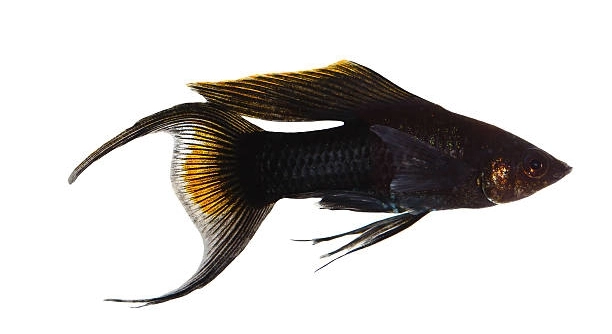
Black mollies are popular freshwater fish, admired for their sleek appearance and calm presence. Many owners notice that some black mollies prefer solitude, often avoiding the company of other fish in shared tanks.
Black mollies may refuse to swim with others due to territorial instincts, stress from overcrowding, or incompatible tank mates. Environmental factors, diet, health conditions, and water parameters also influence their social behavior and willingness to interact.
Understanding these reasons can help create a harmonious aquarium environment and improve the overall well-being of your black molly. Careful observation and adjustments are key to supporting their natural behavior.
Territorial Instincts
Black mollies often display strong territorial behavior, especially when placed in crowded tanks. They naturally establish spaces they consider their own and may chase or avoid other fish entering that area. This instinct is more pronounced in males, who feel the need to protect their section of the tank. Even in peaceful community setups, these boundaries are maintained. Territorial disputes can lead to stress, reduced feeding, and sometimes minor injuries if space is limited. Providing ample hiding spots, plants, and decorations can reduce tension. Aquarists often notice that black mollies who refuse to swim with others are usually marking their territory. Over time, with sufficient space and environmental enrichment, some mollies may become more tolerant. However, it is important to respect their instinct rather than force interaction. Understanding these behaviors helps ensure that each fish remains healthy and comfortable, reducing unnecessary stress within the aquarium environment.
Territorial behavior is stronger in males, and insufficient space often intensifies avoidance of other fish.
Black mollies rely on visual cues and subtle movements to recognize territory boundaries. Providing multiple hiding spots, plants, and decorations reduces conflicts. Regular observation helps identify signs of stress or aggression. Adjusting tank layout or separating aggressive individuals ensures calmer interactions. By managing space carefully, owners can support natural behaviors while keeping the tank peaceful, making it easier for mollies to coexist even if they don’t always swim together.
Stress and Environmental Factors
Stress affects black mollies’ willingness to socialize. Sudden changes in water quality or temperature can make them withdraw.
Environmental stressors like overcrowding, strong currents, or poor water parameters often discourage mollies from joining groups. Fish may retreat to corners, remain motionless, or hide among plants to feel secure. Stress reduces feeding, lowers immunity, and can lead to illness, making isolation a protective response. Even minor disruptions, such as new tank mates or equipment changes, can trigger this behavior. Observing their reactions and minimizing sudden changes is essential. Regular water testing, gentle acclimation of new fish, and providing calm, stable conditions can reduce stress. Over time, black mollies may gradually interact more as they feel safe and confident in their environment. Adjustments like ensuring proper pH, temperature, and filtration are crucial. Each fish has a unique tolerance level, and patience is key to helping them adapt without forcing social interactions.
Environmental stress is the main reason solitary behavior appears, but careful adjustments encourage more interaction over time.
Monitoring tank conditions closely, maintaining consistent water parameters, and avoiding overcrowding significantly improve mollies’ comfort. Enriched environments with plants and hiding spaces allow fish to reduce stress naturally. Slow acclimation of newcomers, gradual feeding routines, and stable lighting further support calm behavior. Observing body language helps identify early signs of stress before health or social interactions are affected. When mollies retreat, they are often protecting themselves, not acting aggressively. Addressing stressors rather than forcing interaction promotes healthier, longer-living fish. Providing enough swimming space and minimal disturbances allows black mollies to choose when and if they interact, respecting their natural instincts while maintaining a balanced community tank. Over weeks, many mollies become more confident, exploring open areas while still keeping their preferred safe zones. These careful measures ensure a peaceful environment where fish feel secure and owners enjoy a harmonious tank.
Incompatible Tank Mates
Some black mollies avoid other fish because they are not compatible with certain tank mates. Aggressive or overly active fish can intimidate them, causing retreat and isolation. Peaceful community fish are usually better companions.
Incompatible tank mates create tension in the aquarium. Black mollies may hide, swim in corners, or avoid open areas when paired with larger, aggressive fish. Even subtle harassment like chasing or nipping can make mollies reluctant to join group swimming. It is important to carefully select species that match their temperament. Mollies thrive with calm, similarly sized fish that do not compete aggressively for food or territory. Monitoring interactions regularly helps detect stress early, allowing adjustments in fish placement or tank divisions. Ensuring harmony promotes overall well-being and reduces health risks associated with prolonged stress.
Compatibility issues are not always obvious, as some fish only display aggression under certain conditions. Temperature, tank size, and available hiding spaces influence behavior. Black mollies may gradually tolerate other fish if the environment is adjusted, such as by adding plants, rearranging decorations, or separating aggressive individuals. Consistent observation and minor adjustments help mollies feel secure. Providing enough swimming space and avoiding overcrowding supports a calmer environment. While mollies may remain somewhat solitary, compatible companions can encourage more interaction over time, improving both social behavior and tank dynamics.
Health and Physical Condition
Illness or injury can make black mollies isolate themselves. Sick fish often hide, stop eating, or move slowly, avoiding social contact.
Health issues like fin rot, parasites, or bacterial infections can cause black mollies to refuse group swimming. Weak or injured fish instinctively retreat to safer areas to conserve energy and reduce vulnerability. Even minor injuries can make mollies less active or hesitant to compete for space and food. Regular health checks, proper diet, and maintaining clean water help prevent isolation due to illness. Observing changes in swimming patterns, appetite, and appearance allows early detection of health problems, supporting timely treatment and recovery. Preventive care is essential to keep black mollies active and comfortable in a community tank.
Mollies with compromised health often need gentle care and minimal stress. Adjusting tank conditions, separating sick individuals if needed, and providing nutrient-rich food helps recovery. A stable, calm environment allows them to regain confidence. Gradual reintroduction to other fish ensures safer interactions and reduces the risk of bullying. Monitoring both healthy and recovering fish maintains tank balance, preventing further stress. When mollies are well-cared for, they gradually resume normal swimming and social behaviors. Taking proactive steps for health management ensures black mollies can coexist safely and comfortably with others.
Overcrowding
Overcrowded tanks often make black mollies retreat. Limited space increases stress and competition for food and hiding spots, leading them to avoid other fish.
Too many fish in a tank restrict natural movement. Black mollies need room to swim freely, establish territories, and feel secure. Overcrowding can lead to aggressive encounters or constant hiding.
Water Quality Issues
Poor water conditions, including incorrect pH, high ammonia, or nitrate levels, directly affect black mollies’ behavior. They may hide or avoid social interactions when stressed by water quality.
Maintaining stable and clean water is essential. Regular testing, partial water changes, and proper filtration help mollies stay healthy and active. Even minor fluctuations can cause them to become isolated.
Diet and Feeding Competition
Black mollies may isolate themselves if food is scarce or if they feel pressured during feeding times. They often wait until others have eaten to avoid conflict.
Why do black mollies avoid swimming with other fish?
Black mollies often avoid other fish due to stress, territorial instincts, or incompatible tank mates. They rely on personal space and feel safer when they can retreat to hiding spots. Overcrowding, aggressive companions, or poor water conditions can amplify avoidance behavior. Ensuring a calm environment with sufficient space helps mollies feel secure and can encourage more interaction over time.
Can black mollies be forced to swim with other fish?
No, black mollies should not be forced to interact. Forcing them can increase stress, weaken their immune system, and lead to illness. Instead, creating a comfortable environment, adjusting tank mates, and providing hiding spots allows them to socialize naturally at their own pace. Patience is key.
How does tank size affect black mollies’ social behavior?
Tank size directly influences their behavior. Smaller or overcrowded tanks restrict swimming space, increase territorial disputes, and reduce comfort. Mollies need room to explore, mark territories, and avoid aggressive fish. Larger tanks with multiple hiding areas promote calmness and optional interaction, allowing mollies to decide when and how they engage with others.
Do black mollies prefer certain tank mates?
Yes, black mollies are more likely to coexist with peaceful, similarly sized fish. Aggressive or fast-moving species can intimidate them, causing withdrawal. Calm companions, such as other livebearers or small tetras, create a harmonious tank. Observing interactions and making adjustments ensures that mollies feel safe while avoiding stress-induced isolation.
How does water quality influence their willingness to swim together?
Poor water quality can make black mollies isolate themselves. High ammonia, nitrate, or sudden pH changes cause stress and lethargy, making socializing undesirable. Clean, stable water with proper filtration supports healthy behavior. Frequent testing, regular partial water changes, and maintaining stable parameters reduce stress and encourage mollies to swim freely with others.
Can health problems cause black mollies to isolate?
Yes, illness or injury often leads to isolation. Sick fish hide, eat less, and move slowly to conserve energy. Common issues include fin rot, parasites, or bacterial infections. Monitoring health and providing prompt care is essential. A calm environment, proper nutrition, and separation from aggressive fish help recovery and gradual reintegration.
How does diet affect their social interactions?
Competition for food can make black mollies withdraw. If they feel threatened while feeding, they may wait for others to finish before coming out. Providing adequate food, spreading it evenly, and feeding at multiple points in the tank reduces stress. A consistent feeding routine supports confidence and encourages more interaction.
Do black mollies ever become more social over time?
Yes, many mollies gradually become more social as they adjust to their environment. Stable water conditions, compatible tank mates, adequate space, and hiding spots allow them to feel safe. With patience, observation, and small adjustments to the tank setup, mollies often expand their swimming areas and interact more, even if they retain some solitary tendencies.
What role does territory play in their behavior?
Territory is a major factor. Black mollies establish areas they consider their own and defend them from intruders. Providing decorations, plants, and multiple hiding spots helps mollies mark territory without conflict. Recognizing their need for personal space allows them to feel secure and reduces avoidance behavior, improving overall tank harmony.
How can I reduce stress to encourage social behavior?
Maintaining clean water, proper temperature, gentle acclimation of new fish, and avoiding overcrowding reduces stress. Observing body language and giving black mollies optional hiding spaces helps them feel secure. Minimizing disturbances and providing consistent care encourages healthier interactions without forcing engagement.
This FAQ addresses the main reasons black mollies may avoid swimming with others and practical steps to support calmer, more confident behavior. With careful observation, proper care, and patience, mollies can thrive in community tanks while maintaining their natural tendencies.
Black mollies are fascinating fish with unique personalities and instincts. Their tendency to avoid other fish is often misunderstood by aquarium owners. It is important to remember that solitary behavior is usually a natural response to stress, territorial needs, or environmental factors rather than a sign of illness or aggression. These fish rely on their surroundings to feel secure, and they carefully choose when and where to swim. Observing their habits over time can give valuable insights into what makes them comfortable and how they interact with their tank mates. Providing a stable environment with enough space and hiding spots allows black mollies to exhibit their natural behavior without unnecessary stress.
Several factors influence whether black mollies prefer to stay alone or swim with others. Water quality, tank size, and the temperament of other fish are critical components in shaping their behavior. Overcrowded tanks or aggressive companions can make even normally social mollies withdraw. Diet and feeding routines also play a role; competition for food may cause timid individuals to isolate themselves until they feel safe. Health is another important consideration, as sick or injured fish naturally retreat to protect themselves. By paying attention to these factors, owners can make informed adjustments to the aquarium environment, helping mollies feel more secure while respecting their natural instincts. These adjustments can include adding plants, decorations, or partitions to create multiple zones in the tank, giving each fish a sense of personal space.
Ultimately, understanding black mollies’ preferences and tendencies helps maintain a balanced, healthy aquarium. Patience is essential because they may never be highly social, but with proper care, they can coexist peacefully with other fish. Creating a calm environment, monitoring water parameters, and selecting compatible tank mates are practical steps that support their well-being. Observing their responses to changes in the tank provides guidance on when adjustments are needed. Black mollies may choose solitude at times, but this behavior does not indicate a problem if they remain active, eat well, and appear healthy. Respecting their natural behavior while providing a stable environment ensures they thrive, making them enjoyable and fascinating additions to any freshwater community tank.

Hello,
If you enjoy the content that we create, please consider saying a "Thank You!" by leaving a tip.
Every little bit helps us continue crafting quality advice that supports the health, happiness, and well-being of pets around the world, for pets of all shapes, sizes, and species.
We really appreciate the kindness and support that you show us!