
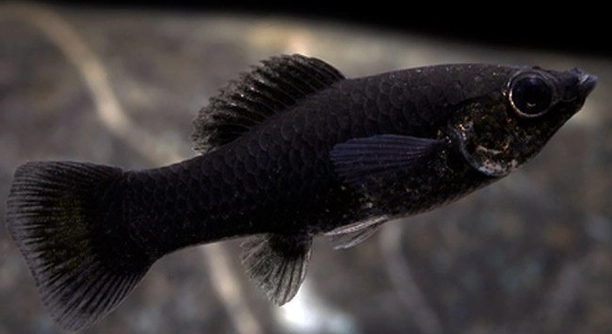
Do you ever find yourself watching your black mollies swim around and wondering if their playful behavior means they are preparing to mate in your tank during their usual calm gentle movements in the water?
Black mollies exhibit mating behavior through persistent chasing, close body alignment, and frequent contact. Males position themselves near females while extending the gonopodium, signaling reproductive intent. These patterns indicate active courtship behavior that commonly precedes successful mating in an aquarium.
Understanding these signs helps you observe your mollies with confidence and notice the cues that shape their natural reproductive interactions.
Persistent Chasing Behavior
One of the first things you may notice when black mollies begin to mate is an increase in chasing that feels more focused than their usual swimming patterns. The male often follows the female closely, keeping a steady pace behind her and staying near her side whenever she slows down. This behavior can seem a bit intense at times, but it is a normal part of their natural reproductive actions. You might also notice the female adjusting her path to move away from the male, which is completely normal and signals that the interaction is progressing in a typical way. When watching this behavior, it helps to pay attention to how often the chasing occurs and how long it lasts, since consistent patterns provide clearer signs. As you observe these moments, you begin understanding how black mollies communicate through simple movements that guide them toward successful mating in a shared tank environment.
During these active moments, the male uses steady movement to maintain contact with the female, showing that he is fully engaged in the mating process. This simple but clear pattern becomes easier to recognize once you know what to look for in the calm rhythm of your aquarium as you watch them closely.
Along with increased chasing, you may notice brief pauses where both fish circle each other. These interactions add another layer of clarity when identifying mating behavior. The male often positions himself low and angled slightly upward, showing a subtle confidence as he stays near the female. At times, the female slows down enough for the male to hold his place beside her, which strengthens the signal that mating is underway. By observing these gentle movements, you gain a better sense of how your mollies interact in a natural and calm manner. These cues help you understand what is happening without needing complex interpretation.
Gonopodium Positioning and Contact
When mating begins to progress, the male adjusts his gonopodium and holds it at a clear angle toward the female. This simple movement is one of the most reliable signs to watch for, since it shows the male is fully ready to complete the process in a focused and steady way.
Once the male starts presenting his gonopodium, the behavior around your tank may feel more structured. The male will stay close to the female, matching her pace whether she moves quickly or slows down near plants or decorations. You may see the male shifting slightly to maintain the right angle, and while this can appear repetitive, it is a normal and expected part of the process. The female may respond by gliding calmly or turning slightly toward or away from him, which helps guide the interaction. If she appears relaxed and continues her usual movements without signs of stress, it often means the mating attempt is progressing naturally. You might also observe short bursts of contact that last only a moment, which is common when the male reaches for the right positioning. These brief interactions can repeat several times before the male succeeds. As you watch these movements, you begin noticing how both fish adjust to each other with gentle signals. Paying attention to these small details helps you understand when mating is reaching its final steps, allowing you to follow the process with confidence and a calm sense of awareness.
Increased Hovering Near the Female
Males often hover close to the female, staying just behind or slightly under her while maintaining steady movement. This quiet but persistent closeness helps you notice when mating behavior is becoming more frequent and intentional inside the tank.
As the male keeps himself near the female, you may notice him holding a calm, steady position. He might adjust his angle slightly each time the female shifts direction, showing controlled movement rather than quick, playful swimming. This steady form of attention is different from normal exploration and signals that the interaction is moving forward. You may also see the male slowing down when she pauses, keeping himself within a short distance without losing focus. These small adjustments help you identify an active stage of mating behavior that becomes easier to recognize as you watch them more closely.
Hovering often continues even when the female moves through tighter spaces in the tank. The male follows without rushing, staying close enough to maintain contact when the chance appears. He may glide beside her for brief moments, showing consistent interest with minimal distraction. You may notice the female accepting this presence more over time, moving naturally instead of trying to avoid him. These steady actions help confirm that mating is still progressing, giving you a clear understanding of how calm and repetitive these signals can be.
Subtle Body Quivering
Body quivering appears as a short burst of movement when the male vibrates his body near the female to express readiness. This behavior is quick but noticeable, making it one of the clearest indicators that mating is actively taking place in your tank.
The quivering usually happens during close contact, especially when the male lines himself up beside or slightly behind the female. These vibrations are small but intentional, and they often occur in repeated intervals. You may see the female pause or slow down briefly when this happens, giving the male enough time to attempt contact. This behavior may repeat several times, each moment giving you another clear sign of the mating process. When paired with persistent following and positioning, these vibrations help confirm that the interaction has moved into a more focused stage. Observing these moments helps you understand how your mollies communicate through tiny motions that hold clear meaning without creating stress in the tank.
Repeated Attempts at Close Alignment
Close alignment happens when the male positions his body beside the female and stays there with steady movement. This brief but repeated posture helps you notice moments when the male becomes more focused and ready for the next step in the mating process.
You may see the male returning to this position several times, even after short breaks in movement. Each attempt shows persistence and a clear intention to stay connected to the female. These repeated alignments help signal that mating behavior is still active and progressing naturally.
Increased Activity During Feeding Time
Mating behavior can become more noticeable when food is added, as movement increases and the male remains near the female even during feeding. This steady focus helps confirm ongoing intent as he maintains close distance through the added activity around them. You may notice quick glides or short pauses that show continuous interest.
Temporary Resting After Attempts
After several attempts, both fish may rest for a brief moment before continuing, staying close without tension. This small pause helps you recognize how the process unfolds in a calm and steady rhythm within the tank.
FAQ
How often do black mollies mate?
Black mollies mate frequently, especially when conditions in the tank stay stable and comfortable. Warm water, steady lighting, and clean filtration encourage consistent activity. When males and females share a peaceful space with enough room, mating attempts can happen throughout the day. You may notice the same behaviors repeating often, showing how natural and ongoing their reproductive process can be. Once the fish feel secure, they show these signs with very little hesitation, making it easy to observe their patterns over time.
How can I tell the difference between normal chasing and mating behavior?
Normal chasing tends to look playful and brief, with both fish moving freely in different directions. Mating-related chasing looks more focused. The male stays close behind the female for a longer time without losing track of her. His movements slow down or become more controlled, and he often tries to align his body with hers. When you see repeated attempts at alignment, hovering, or quivering, you are likely watching active mating behavior rather than simple exploration.
Why does the female sometimes avoid the male during mating attempts?
Avoidance is a normal part of the process. Female mollies test the male by changing direction or swimming away at moments that help regulate the interaction. This behavior does not always mean she is stressed. It shows she is guiding the pace. As long as she keeps moving naturally, eats well, and does not hide for long periods, her avoidance is simply part of their communication.
What does the male’s gonopodium movement indicate?
The angle and position of the gonopodium show the male is ready to complete the reproductive process. When he holds it at a clear angle toward the female, he is preparing for contact. This movement appears often during hovering or close alignment. It is one of the most reliable signals that mating is taking place. Seeing it in combination with quivering or chasing makes the behavior even clearer.
How long does the mating process usually last?
Mating signs can appear repeatedly over the course of several minutes or stretch across a longer period with short breaks between attempts. You may notice a rhythm in their actions, with moments of activity followed by brief pauses. These patterns repeat until contact is successful. The entire process varies depending on the comfort level of the fish and their environment.
How do I know if mating attempts were successful?
The clearest sign is a pregnant female. Her abdomen will begin to round out, especially near the lower section of her body. As time passes, her shape becomes more defined. You might also see a gravid spot darkening, which suggests developing fry. Once these changes appear, the mating attempt likely succeeded.
Does the tank setup affect mating behavior?
Yes, tank setup makes a noticeable difference. A clean tank with stable water conditions keeps the fish calm, which supports natural behavior. Plants, open swimming space, and balanced lighting help the female move freely and manage interactions safely. When the environment feels secure, mating behavior appears more frequently and continues smoothly.
Should I separate the female after mating?
Some keepers choose to separate her to protect developing fry from being eaten. Others leave her in the main tank but add hiding spots like dense plants or floating décor. Either option works, as long as she remains comfortable. Separation is optional and depends on how you want to manage the fry.
Do mollies show aggression during mating?
Most mating behavior looks persistent rather than aggressive. The male stays close, but he rarely harms the female. If the female shows signs of stress, hiding, or torn fins, the tank might be too small or overcrowded. Adjusting the environment usually helps the process feel calmer for both fish.
Final Thoughts
Understanding the signs of mating in black mollies helps you observe their behavior with more clarity and comfort. When you can identify their chasing, hovering, alignment, and gentle movements, it becomes easier to recognize what they are communicating during these moments. These signals may appear subtle at first, but they become familiar once you know what to look for. Watching these interactions can feel calming, especially when the tank remains stable and the fish move with confidence. The more time you spend observing them, the more natural the process appears, turning simple daily moments into steady reminders of how active and expressive these small fish can be. This understanding also helps you notice changes early, allowing you to support them in a gentle and practical way.
Having a clear idea of how mating unfolds also helps you create an environment that supports healthy behavior. Clean water, steady warmth, and a calm layout make it easier for your mollies to feel secure, which encourages their natural patterns. When the tank feels balanced, the fish move with a calm flow that makes their intentions clear. Adding plants, maintaining open swimming space, and offering consistent feeding routines all contribute to a setting that feels stable for both males and females. With these elements in place, you can observe their interactions without unnecessary stress for you or the fish. Paying attention to these small adjustments helps you maintain a tank where mating behavior can continue smoothly, giving you a stronger sense of connection to their daily rhythms.
As you continue caring for your black mollies, learning these signs will help you feel more confident and prepared for what comes next. Pregnant females, developing fry, and shifts in activity become easier to notice once you understand the foundation behind their actions. These moments give you insight into how your tank functions as a small living space with patterns that repeat and grow over time. Observing these behaviors makes your role feel more natural, since you can respond gently and calmly to what your fish need. Whether you plan to raise fry or simply enjoy the process of watching your mollies interact, recognizing these signs brings a deeper sense of ease. With patience and simple daily attention, you build a peaceful environment where their behavior makes sense and their movements feel purposeful.

Hello,
If you enjoy the content that we create, please consider saying a "Thank You!" by leaving a tip.
Every little bit helps us continue crafting quality advice that supports the health, happiness, and well-being of pets around the world, for pets of all shapes, sizes, and species.
We really appreciate the kindness and support that you show us!