
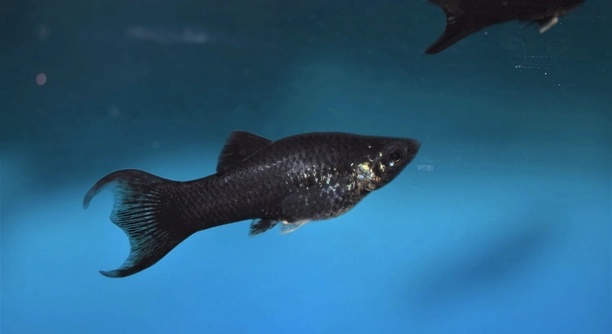
Are your black mollies showing subtle changes in movement or appearance that leave you concerned about their overall comfort and daily health within their aquarium environment as you work to maintain stable conditions for them.
The most common signs of internal problems in black mollies include lethargy, reduced appetite, swollen abdomen, abnormal feces, and weak swimming patterns, all indicating disruptions in internal systems that require timely evaluation and appropriate husbandry adjustments for improved health overall.
These indicators help you understand what may be developing inside your fish, guiding you toward better care and timely support.
Changes in Appetite and Feeding Behavior
Black mollies often show early signs of internal problems through noticeable shifts in their feeding habits, and paying attention to these changes can help you react before the issue grows. When a fish begins eating less or becomes selective with food it once accepted easily, the decline usually reflects stress or discomfort. Internal infections, parasitic irritations, or digestive complications can make food less appealing, and you may also see the fish approach food slowly or abandon it altogether. A fish that once greeted feeding time with energy may now stay near the bottom or swim away. These signs highlight changes happening inside the body, and addressing them early keeps your mollies healthier and more comfortable in the tank.
A reduced appetite is often tied to internal stressors that interfere with digestion and energy balance, making close observation important for steady improvement.
Supporting your black mollies by maintaining clean water, offering high quality food, and watching for subtle behavior shifts helps you respond with confidence. Some fish may also show slow chewing or repeated attempts to swallow before giving up, signaling discomfort inside the digestive system. When these shifts appear together, they point toward internal disruptions that require attention. You can help your fish by adjusting feeding routines, improving tank conditions, and ensuring that any new food items do not add extra stress.
Visible Abdominal Swelling
Abdominal swelling in black mollies often develops when internal issues create pressure or fluid buildup, and this change in body shape is usually easy to notice. It can appear gradually or develop quickly, depending on the underlying problem.
When swelling appears, it often reflects internal irritation, fluid retention, bacterial imbalance, or complications linked to organ function. Some fish may also display difficulty swimming or maintaining a straight posture due to the heaviness created by the swollen area. Watching these details helps you identify how the problem is affecting movement and daily comfort. A swollen abdomen can also make your molly breathe faster or separate itself from tank mates. Maintaining stable water parameters and choosing gentle, nutrient balanced food options reduce additional stress. If the swelling continues, more targeted care is usually necessary to support the fish and prevent further strain on its internal systems.
Irregular Swimming Patterns
Irregular swimming patterns often appear when internal problems affect balance or energy levels. A black molly may struggle to stay upright, drift sideways, or move with short, weak bursts. These movements usually reflect internal discomfort that influences coordination and daily activity.
When a molly begins swimming in uneven motions, it often shows that internal stress is interfering with normal function. The fish may hover near the surface or sink toward the bottom while trying to stabilize itself. Some mollies show slow responses to external movement or hesitate before swimming away. These changes can appear gradually, making daily observation important. Proper water quality and reduced stress help create a calmer environment that supports recovery and minimizes additional strain.
You might also notice the molly isolating itself or pausing frequently, as though it cannot maintain steady movement for long. These signs often suggest internal fatigue or irritation affecting the fish’s ability to move confidently. Offering clean water, a balanced feeding schedule, and a low stress tank setup encourages steadier swimming over time. If the irregular patterns persist, more specific care may be needed to prevent the issue from progressing.
Changes in Feces Appearance
Changes in feces appearance often signal internal problems that disrupt digestion. You may see feces that become pale, thin, stringy, or inconsistent, and these shifts usually reflect stress, parasites, or digestive irritation affecting how food is processed inside the body.
When these changes appear, they often follow other signs such as reduced appetite or slower movement. The digestive tract reacts to internal disruptions by producing waste that looks different from normal, and this helps you identify issues early. Watching the color, length, and consistency provides helpful clues. Stringy feces often indicate irritation, while pale waste may point toward poor nutrient absorption. Improving diet quality, keeping the water clean, and reducing stress support healthier digestion. If abnormal feces continue for several days, closer evaluation is needed to prevent the issue from worsening.
Lethargy and Reduced Activity
Lethargy often appears when internal stress weakens a black molly’s energy levels. The fish may rest more than usual, move slowly, or show little interest in its surroundings. These changes usually indicate discomfort affecting the body’s ability to stay active.
Some mollies stay near the bottom or isolate themselves when feeling unwell. You may notice slower reactions to food or movement, making daily behavior appear dull. Consistent lethargy usually reflects ongoing internal strain that needs timely attention for the fish to regain strength.
Rapid or Labored Breathing
Rapid or labored breathing often shows that internal stress is affecting the molly’s ability to process oxygen efficiently. You may see fast gill movement, repeated attempts to stay near the surface, or visible effort during normal swimming. These signs usually point toward irritations or imbalances inside the body that require quick support.
Increased Hiding Behavior
Increased hiding behavior often appears when internal discomfort makes a black molly feel vulnerable. You may see the fish spending extra time behind plants or decorations, showing less interest in interacting or swimming openly within the tank.
FAQ
What causes internal problems in black mollies?
Internal problems often develop from stress, poor water quality, parasites, or bacterial irritation. When these factors combine, the molly’s internal systems become strained, affecting digestion, energy, and overall comfort. Stable water conditions, gentle feeding routines, and reduced environmental stress help prevent most internal issues from forming or escalating.
How can I tell if my molly has parasites?
Parasites often show through stringy feces, reduced appetite, weight loss, and erratic swimming. Some mollies may breathe faster or become more withdrawn. These signs appear when parasites interfere with digestion or oxygen absorption. Keeping the tank clean and quarantining new fish lowers the risk of transmission.
Should I separate a sick molly from the main tank?
Separating a sick molly is helpful when symptoms become more noticeable or when you see changes that suggest internal stress. A separate tank allows you to observe the fish closely and adjust care without stressing the rest of the group. It also reduces the chance of spreading infections.
Can poor diet cause internal problems?
A poor diet can contribute to internal stress, especially when the food lacks proper nutrients or has low digestibility. Some mollies struggle with foods that are too rich or too dry, causing digestive complications. Offering a balanced variety helps maintain steady digestion and limits irritation.
How fast do symptoms usually appear?
Symptoms can appear gradually over several days or develop more quickly depending on the internal issue. Minor changes like slower movement may seem subtle at first, while more intense signs like swelling or rapid breathing can show faster. Observing daily behavior makes it easier to spot early shifts.
Is it normal for a molly to stop eating when stressed?
It is common for mollies to reduce their appetite when something disrupts their internal comfort. Stress affects how the body processes food, making eating less appealing. Once you correct the stressor, appetite usually improves. Consistent refusal to eat signals a deeper internal problem that needs attention.
Can water changes help with internal problems?
Water changes often help by removing waste and stabilizing important levels. Cleaner water reduces internal stress and supports the molly’s ability to recover. Large, abrupt changes should be avoided, but steady improvements over time create a calmer environment that promotes healthier internal function.
How do I know if my molly is in pain?
Signs of discomfort appear through slower movement, hiding, rapid breathing, or changes in posture. A fish showing repeated attempts to stay still or avoid others is often trying to manage internal strain. These behaviors reflect changes inside the body that need supportive care.
What should I feed a molly showing digestive issues?
Offering easy to digest food helps lessen the strain on the digestive system. Smaller portions of high quality flakes or soft, gentle items help reduce irritation. Avoid overfeeding, as excess food increases stress and worsens internal disruptions that are already present.
Why does my molly isolate itself when sick?
Isolation is a common reaction when a fish feels unwell. Internal discomfort makes the molly more sensitive to movement, light, and tank mates, leading it to rest in quieter areas. This behavior reflects ongoing internal strain and often appears alongside reduced appetite or slower swimming.
Can internal issues be prevented?
Internal issues can be reduced by offering clean water, steady feeding routines, and a low stress environment. Regular tank maintenance helps limit bacteria and parasites. Meeting these needs supports the molly’s internal systems and keeps stress levels low for smooth daily functioning.
When should I seek treatment?
You should consider treatment when symptoms remain after basic care steps or when changes appear in combination. Slower eating, irregular swimming, swelling, or rapid breathing often indicate deeper internal problems. Addressing these signs early prevents complications and keeps your molly more comfortable long term.
Final Thoughts
Caring for black mollies becomes easier when you understand how their internal health influences every part of their behavior. These fish communicate through small shifts that often seem minor at first, but each change gives you helpful clues about what may be happening inside their bodies. Watching them closely allows you to respond with steady support instead of waiting until the signs grow stronger. Consistency plays an important role in their long term comfort, and simple routines often give them the stability they need to stay healthy. Even small adjustments in feeding, cleanliness, or general tank care can make a noticeable difference. As someone who spends time observing their habits, you start to recognize what looks normal for your fish and what feels slightly off. That personal familiarity helps you react with confidence, making it easier to protect them from issues that could develop quietly.
Internal problems may seem intimidating at first, especially when the signs vary from one fish to another, but patience helps you understand what each symptom means. Many issues improve when you focus on clean water, calm surroundings, and gentle feeding routines. These steps reduce unnecessary stress and give your molly a smoother environment to recover within. When you notice slow swimming, reduced appetite, or unusual behavior, it is not always a sign of something severe, but it is still worth monitoring until you see improvement. Some symptoms appear because the fish is adjusting to changes in temperature, lighting, or tank mates, and these details all influence internal balance. Keeping a stable setup helps prevent sudden shifts that make mollies feel unsettled. When you approach their care with steady habits, you create a space where your mollies can thrive more comfortably. This approach also helps you stay aware of subtle developments that might otherwise go unnoticed.
Supporting your black mollies does not require complicated methods, only attention and consistency. Each action you take, even the smallest one, plays a part in keeping their internal systems working smoothly. As you learn more about their needs, you begin to trust your own observations and make choices that reflect your growing understanding. This confidence helps you respond early, before a minor concern becomes a larger issue. With time, you form a routine that keeps your mollies comfortable, active, and stable. You also become more aware of what each fish needs, since not all mollies react to stress in the same way. By staying patient and steady, you create a healthier environment that supports them through the natural ups and downs of aquarium life.

Hello,
If you enjoy the content that we create, please consider saying a "Thank You!" by leaving a tip.
Every little bit helps us continue crafting quality advice that supports the health, happiness, and well-being of pets around the world, for pets of all shapes, sizes, and species.
We really appreciate the kindness and support that you show us!