
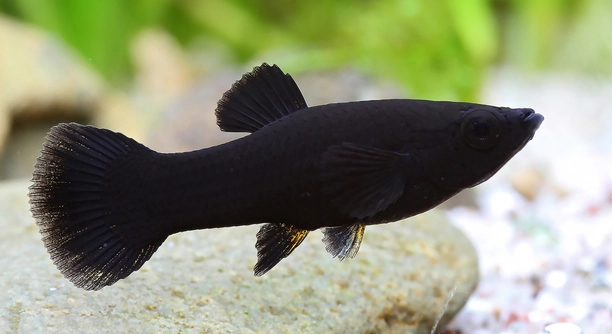
Pregnant Black Mollies require gentle care and attention to ensure their health and comfort. Providing the right environment, food, and support can help them thrive during this sensitive period of their life.
Supporting a pregnant Black Molly involves maintaining clean water, offering high-quality nutrition, providing hiding spaces for stress reduction, monitoring health closely, and minimizing sudden changes in the aquarium. Consistent care ensures the well-being of both mother and fry.
Knowing how to support her properly can make a significant difference in her pregnancy. These simple actions help ensure a smoother, healthier experience for your fish.
Creating a Calm Environment
A pregnant Black Molly needs a peaceful and stable environment. Sudden noises, bright lights, or frequent disturbances can stress her, affecting her health and the development of her fry. Keeping the tank in a quiet area and limiting activity around it is important. Make sure the water is clean and the temperature is steady. Adding plants or small decorations gives her places to hide and feel secure. Avoid moving decorations or performing heavy maintenance during pregnancy. Using a gentle filter flow helps prevent strong currents that can tire her. Monitoring water parameters like pH, hardness, and ammonia levels regularly ensures her environment remains safe. By creating a calm space, you reduce stress and help her maintain energy for carrying and delivering healthy fry. Observing her behavior daily will also help you notice any signs of discomfort early. Small adjustments can make a big difference in her well-being.
Providing hiding spots helps her feel safe.
Keeping her stress low ensures better health for both mother and fry. Observing her behavior carefully allows you to respond to needs quickly.
Adjusting Diet and Nutrition
Pregnant Black Mollies benefit from a higher-protein diet.
Feeding small, frequent meals of high-quality flakes, pellets, and live or frozen foods provides essential nutrients. Avoid overfeeding, which can pollute the water and harm her. A balanced diet helps support fry development and her health.
During pregnancy, her nutritional needs increase significantly. Including protein-rich options like brine shrimp, daphnia, or finely chopped bloodworms ensures she receives the energy required for gestation. Vegetables like blanched spinach or zucchini provide fiber and maintain digestion. It is also helpful to occasionally supplement with vitamins or specially formulated fry-boosting foods. Consistent feeding schedules reduce stress and prevent overeating, which can lead to swim bladder problems or obesity. Monitoring her weight and activity helps you adjust portions as needed. By keeping her diet varied and nutrient-rich, you support her immune system, strengthen her body for delivery, and enhance the survival chances of her fry. Proper nutrition paired with clean water and a calm environment is essential for a healthy pregnancy.
Monitoring Water Quality
Regular water checks prevent health problems. Test ammonia, nitrite, nitrate, and pH levels often.
Keeping the water clean reduces stress and supports healthy fry development. Changing 20-25% of the water weekly helps maintain stability. Using a reliable test kit ensures accurate readings. Avoid sudden large changes in water temperature or chemistry. Pregnant Black Mollies are sensitive to fluctuations, which can lead to illness or premature labor. Adding a small sponge filter can gently circulate water without creating strong currents. Observing water clarity, smell, and overall tank condition daily helps catch problems early. Proper water care directly affects her health and the survival of her fry.
Frequent monitoring avoids toxic buildup, ensuring she stays healthy. Daily observation allows quick intervention when issues arise.
Keeping water stable and clean ensures her comfort. Stress from poor water quality can weaken her immune system.
Providing Hiding Places
Plants and decorations give her privacy and security.
Pregnant Black Mollies need areas to retreat from tank mates. Dense plants, small caves, or floating vegetation help her feel safe. Hiding places reduce aggression and stress, preventing injury or panic. Arrange these spots throughout the tank so she can choose where to rest. Avoid overcrowding, which can limit her movement and increase tension. Monitor her interactions with other fish, moving aggressive tank mates if necessary. Plants also offer a surface for fry to hide after birth, increasing survival rates. Properly positioned decorations allow her to navigate easily while still having secure areas. Rotating or removing decorations during pregnancy can disturb her, so set up the tank beforehand.
Hiding spots reduce stress and help her maintain energy for birthing.
Providing privacy keeps her comfortable and less vulnerable to aggression from other fish, ensuring a safer environment for both mother and fry.
Reducing Stress
Limiting tank disturbances keeps her calm. Avoid sudden movements, loud noises, or frequent handling.
Minimizing stress ensures better health and supports fry development. Stress can weaken her immune system and trigger premature labor, so maintaining a peaceful environment is essential.
Separating Aggressive Tank Mates
Place her with peaceful fish only.
Pregnant Black Mollies can be stressed or injured by aggressive tank mates. Separating her or using a breeding box prevents harassment and allows her to swim freely. This reduces the risk of physical damage and improves her overall comfort.
Observing Behavior
Watch for changes in activity, appetite, or swimming patterns.
Regular observation helps detect early signs of illness or stress. Behavioral changes can indicate water quality issues, nutritional deficiencies, or discomfort, allowing timely intervention and better care.
How can I tell if my Black Molly is pregnant?
Pregnant Black Mollies develop a noticeable dark gravid spot near their rear fin. Their belly becomes rounder and fuller as the fry grow. You may notice slower swimming or a tendency to hide more often. Behavior changes, such as reduced appetite or seeking shelter, can also indicate pregnancy. Observing her daily helps you notice these subtle signs early. It is important to distinguish pregnancy from bloating or illness. Regular monitoring ensures that you can adjust care, including feeding and environment, to support her needs throughout gestation.
What is the best diet for a pregnant Black Molly?
A pregnant Black Molly needs a nutrient-rich diet with protein and vitamins. Feed high-quality flake or pellet foods designed for livebearers, supplemented with live or frozen foods like brine shrimp, daphnia, or finely chopped bloodworms. These options provide the energy necessary for healthy fry development. Occasional vegetable matter, such as blanched spinach or zucchini, adds fiber and maintains digestion. Feed small amounts multiple times a day to prevent overfeeding, which can pollute water and harm her health. Maintaining a varied diet supports immune function and energy levels, reducing stress and improving birthing outcomes. Consistent nutrition is critical during gestation for both mother and fry.
How long does a Black Molly stay pregnant?
The gestation period for Black Mollies is typically 28 to 32 days. This can vary slightly depending on water temperature, diet, and overall health. Warmer water often speeds up development, while cooler water can slow it down. Monitoring her condition daily helps anticipate the birthing period. Ensure she has hiding spots and clean, stable water to reduce stress during this time. Being aware of the gestation timeline allows you to prepare for fry care and ensure both the mother and babies remain healthy. Early preparation increases fry survival rates and keeps the tank environment safe.
Should I separate the pregnant Molly from other fish?
Separating the pregnant Molly is recommended if the tank contains aggressive or overly active fish. Even mild harassment can stress her and trigger complications. Using a breeding box or a separate tank gives her space to swim freely and hide when needed. If all tank mates are peaceful, she may remain in the community tank, but providing plants or hiding areas is still important. Separation reduces the risk of injury and improves fry survival, as active or curious fish may harm newborn fry. Observing her interactions daily helps you decide whether separation is necessary for her safety.
How can I prepare the tank for birth?
Ensure the tank has clean, stable water with proper filtration. Add dense plants, floating vegetation, or small caves to provide hiding spots. Avoid strong currents, which can tire her. Monitor water temperature and maintain a consistent range around 24-28°C (75-82°F). Feeding high-quality, small meals helps maintain energy levels. Reducing disturbances in the tank creates a calm environment for birthing. Observing her behavior daily ensures she has access to safe areas when labor begins. Preparing the tank ahead of time increases the likelihood of a smooth birth and healthy fry.
What should I do immediately after the fry are born?
After birth, ensure the mother has access to hiding spaces and that the fry can reach plants or surfaces for shelter. Remove any aggressive fish or consider transferring the fry to a separate tank. Feed the fry infusoria or finely crushed flake food initially. Maintain clean water and stable conditions to support early growth. Observing both mother and fry helps detect any health issues quickly. Avoid overfeeding the mother at this stage to prevent water quality problems while ensuring she recovers from giving birth. Immediate care affects both survival rates and long-term health.
How can I prevent stress during pregnancy?
Keep the tank environment stable with minimal changes in water parameters, temperature, and decorations. Avoid loud noises, sudden movements, or frequent handling. Providing sufficient hiding spots helps her feel secure. Feeding small, regular meals of high-quality food supports her energy needs. Monitoring behavior allows you to respond promptly if stress signs appear. Reducing stress promotes immune function and increases the likelihood of healthy fry. Observing subtle changes in activity or appetite gives early warning of problems. Maintaining calm conditions throughout pregnancy is essential for a smooth gestation period and successful birthing process.
Can pregnant Black Mollies eat live foods safely?
Yes, live foods like brine shrimp, daphnia, and bloodworms are safe and beneficial. They provide high protein and essential nutrients necessary for fry development. Feed in small amounts to avoid overfeeding and water contamination. Occasional live foods complement flakes or pellets, supporting digestion and energy levels. Observing her feeding ensures she consumes the food without stress from other fish. Live foods also encourage natural foraging behavior, keeping her active and engaged. Including a variety of live and prepared foods helps maintain her health during gestation and prepares her for delivery.
How often should I check on a pregnant Black Molly?
Daily observation is recommended to track her health, behavior, and belly growth. Look for signs of stress, illness, or abnormal swimming. Monitoring water quality daily ensures stable conditions. Frequent checks allow early intervention if problems arise. Observing interactions with other fish helps determine if separation is necessary. Tracking appetite and activity provides insight into her condition and readiness for birth. Consistent attention during pregnancy supports her well-being and improves fry survival rates. A few minutes of careful observation each day makes a significant difference in overall care and ensures she remains healthy throughout gestation.
What signs indicate complications during pregnancy?
Complications may include lethargy, loss of appetite, abnormal swimming, bloating, or visible injury. Sudden changes in behavior, rapid breathing, or stress from tank mates can also signal issues. Poor water quality often contributes to problems, so testing parameters regularly is crucial. Addressing illness or stress immediately increases the chances of survival for both mother and fry. Consult care guides or professionals if you notice persistent or severe symptoms. Early detection and intervention prevent minor problems from becoming serious, ensuring a safer pregnancy and healthier outcomes for your Black Molly and her offspring.
Pregnant Black Mollies are delicate and require consistent care to ensure their health and the survival of their fry. Paying attention to water quality, diet, and stress levels is essential. Clean, stable water prevents illness, while a nutrient-rich diet supports both the mother and her developing fry. Avoiding sudden changes in the tank, such as moving decorations or introducing new fish, helps maintain a calm environment. Hiding spots, plants, and gentle water flow allow her to feel secure, which reduces stress and improves overall well-being. Observing her daily gives insight into her behavior and health, helping you catch problems before they escalate.
Separation from aggressive or overly active tank mates can be important, depending on the other fish in the tank. Using a breeding box or temporary tank helps prevent harassment and injury, allowing the mother to swim freely and rest. Even in a peaceful community tank, she benefits from access to hiding spaces and areas where she can feel protected. Proper preparation before birth makes a noticeable difference. Ensuring that the tank is clean, stable, and equipped with places to retreat provides a smoother experience for the mother and a higher chance of survival for the fry. Monitoring her behavior closely allows for adjustments in care, such as modifying feeding schedules, water flow, or tank layout.
Supporting a pregnant Black Molly takes attention, patience, and careful observation. By keeping her environment safe, providing nutritious food, and reducing stress, you are giving her the best chance for a healthy pregnancy and successful birth. Watching her grow and preparing for fry care can be rewarding, especially when she delivers healthy, active babies. Every small step, from monitoring water quality to offering hiding spots, contributes to her comfort and the well-being of the fry. Understanding her needs during this critical time ensures that both mother and offspring thrive, making the experience of caring for a pregnant Black Molly more manageable and fulfilling.

Hello,
If you enjoy the content that we create, please consider saying a "Thank You!" by leaving a tip.
Every little bit helps us continue crafting quality advice that supports the health, happiness, and well-being of pets around the world, for pets of all shapes, sizes, and species.
We really appreciate the kindness and support that you show us!