
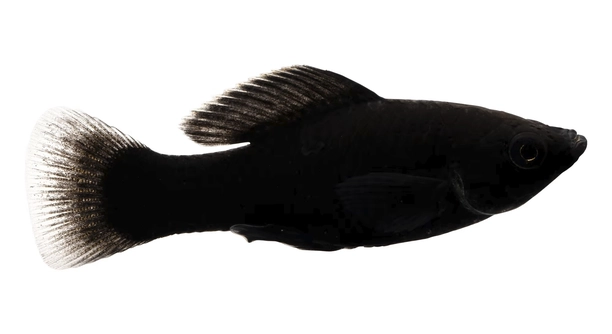
Black Mollies are lively, elegant fish that bring color and energy to any aquarium. Ensuring their happiness requires more than just feeding and cleaning. Simple adjustments to their tank environment can have a meaningful impact on their well-being.
Providing a stable environment with clean water, appropriate tank mates, proper nutrition, and enrichment is essential for Black Mollies. Regular monitoring, gentle filtration, and controlled lighting support their natural behavior, health, and longevity, ultimately leading to happier and more active fish.
Implementing these easy hacks can transform your tank into a thriving home for your Black Mollies. Small changes make a significant difference in their daily life.
Maintaining Clean Water
Keeping the tank water clean is crucial for Black Mollies’ health and happiness. I make it a point to perform partial water changes at least once a week, removing about 25 percent of the water each time. This helps reduce harmful toxins like ammonia and nitrites that accumulate over time. Using a reliable water conditioner ensures that the tap water is safe and balanced before adding it to the tank. I also check the filter regularly to make sure it’s running smoothly and not clogged with debris. Gravel cleaning is another simple step I follow. By gently siphoning the substrate, I remove leftover food and waste that can otherwise decompose and affect water quality. Keeping a thermometer in the tank allows me to monitor temperature changes, ensuring a stable environment that supports their natural behavior. Consistency is key, and these small, regular steps make a noticeable difference in my Mollies’ activity levels.
Regular maintenance prevents stress and supports their overall health, keeping them more active and vibrant in the tank.
Black Mollies are sensitive to sudden changes in water conditions. Even small fluctuations in pH or temperature can cause them to hide or reduce feeding. I make it a habit to test water parameters weekly, recording the results to notice trends over time. If I observe any signs of stress, such as clamped fins or lethargy, I immediately check the water for imbalances and adjust as needed. The combination of routine partial water changes, filter checks, and water testing creates a safe, predictable environment. Over time, these habits help the fish display natural behaviors like schooling and exploring their surroundings confidently. A clean, stable tank not only prevents disease but also encourages more interaction among the Mollies, creating a dynamic and lively aquarium.
Providing Hiding Spots
Black Mollies feel more secure when they have places to hide and explore within the tank.
Adding decorations, plants, and caves gives them shelter and reduces stress. I prefer live plants because they also improve water quality while creating a natural environment for the fish. Tall grasses and floating plants allow the Mollies to swim through and around them, mimicking their natural habitat. Small caves or ceramic ornaments provide areas for resting or escaping when they feel threatened. I space the hiding spots evenly across the tank to ensure each fish has access without overcrowding any particular area. This setup encourages exploration, activity, and natural behaviors like grazing on plant surfaces or hovering near shaded areas. I’ve noticed that Mollies are more confident and social when they have these spaces. Combining visual barriers with open swimming areas balances security and freedom, making the tank a comfortable and stimulating environment that promotes long-term well-being for the fish.
Balanced Diet
Feeding Black Mollies a varied diet keeps them healthy and vibrant. I include high-quality flake food, frozen brine shrimp, and occasional vegetables to ensure they get all necessary nutrients. Overfeeding is avoided to maintain water quality and prevent digestive issues.
A balanced diet is essential for growth, energy, and immunity. I feed my Mollies small portions two to three times a day, observing how much they consume within a few minutes. Including protein-rich foods like bloodworms and plant matter such as blanched spinach supports both body health and natural grazing behavior. Rotating food types prevents boredom and encourages active feeding, which helps maintain their bright colors and playful nature. I also notice that feeding consistently at the same times reduces stress and creates a predictable routine that Mollies seem to appreciate.
I prepare frozen and fresh foods in small amounts to avoid waste. I lightly rinse vegetables and chop them finely for easier consumption. Occasionally, I sprinkle a bit of flake food on top to encourage them to forage naturally. Monitoring their appetite and adjusting portions ensures that each fish receives enough nutrition without fouling the water. A thoughtful feeding routine strengthens their immune system, supports growth, and promotes lively, social behavior in the tank.
Adequate Tank Space
Black Mollies thrive in spacious tanks with enough room to swim freely and interact. Crowding leads to stress and health issues.
I maintain a minimum of 20 gallons for a small group of Mollies, ensuring ample open areas and hiding spots. A larger tank reduces territorial disputes and encourages natural schooling behavior. With proper decoration and plant placement, they can explore without feeling confined. Regularly checking their movement patterns helps me gauge comfort levels and adjust tank arrangements if needed. A spacious tank supports both physical activity and mental stimulation, promoting overall well-being.
In addition to the tank’s size, I consider the number of Mollies carefully. Each adult fish requires space to avoid competition for food and hiding spots. Overcrowding can trigger aggressive behavior, reduce immunity, and increase the risk of disease. By providing a larger environment, Mollies can establish territories, swim actively, and interact naturally. I also position filtration and aeration systems to optimize water circulation, ensuring consistent oxygen levels across the tank. Proper spacing between plants and ornaments encourages exploration while preventing overcrowding, helping each fish thrive individually and as part of the group.
Consistent Temperature
Maintaining a stable temperature is important for Black Mollies’ health. I keep my tank between 75 and 82°F to mimic their natural environment. Sudden fluctuations can cause stress and reduce appetite. A reliable heater and thermometer help me monitor conditions easily.
I check the temperature daily and adjust the heater if needed. Even minor drops at night can make the fish sluggish. I avoid placing the tank near windows or vents to reduce exposure to drafts or sunlight that could alter temperature. Keeping the water steady ensures Mollies remain active and healthy, supporting natural behavior and reducing the risk of illness.
Gentle Filtration
A soft, gentle filter maintains clean water without disturbing the fish. I use a sponge filter that provides aeration and circulation while keeping currents minimal.
Regular Observation
I watch my Black Mollies daily to notice changes in behavior or health. Early detection helps prevent problems and keeps the fish happy and active.
FAQ
How often should I change the water in my Black Molly tank?
I perform partial water changes once a week, removing about 25 percent of the water each time. This helps keep toxins like ammonia and nitrites low. Consistent changes support healthy fish behavior and vibrant coloration. I also treat tap water with a conditioner before adding it to the tank.
What is the ideal temperature for Black Mollies?
Black Mollies thrive between 75 and 82°F. I use a reliable heater and thermometer to monitor the tank, ensuring the temperature remains stable. Sudden changes can stress the fish, reduce appetite, and make them more prone to illness. Keeping the water steady encourages natural activity and social behavior.
What should I feed my Black Mollies?
A balanced diet is key. I feed high-quality flake food daily, supplemented with frozen brine shrimp, bloodworms, and finely chopped vegetables like spinach. Rotating food types prevents boredom and ensures they get both protein and plant-based nutrients. Feeding small portions several times a day avoids overfeeding and helps maintain water quality.
How many Black Mollies can I keep in one tank?
I follow the general rule of one inch of fish per gallon, but I also consider their active nature. A 20-gallon tank can comfortably house four to six adults. Adequate space reduces stress, prevents territorial disputes, and encourages schooling and natural exploration. Crowded tanks increase the risk of illness.
Do Black Mollies need hiding spots?
Yes, hiding spots are important. I include live plants, ceramic caves, and decorations that provide shelter. These areas reduce stress, encourage natural behaviors, and give shy fish a place to rest. Spacing hiding spots evenly ensures each fish has access without overcrowding. Mollies become more confident when they have secure spaces.
How do I know if my Black Mollies are healthy?
Healthy Mollies are active, have bright coloration, and eat regularly. I watch for clear eyes, smooth fins, and normal swimming patterns. Any sudden lethargy, clamped fins, or loss of appetite signals that water parameters or diet may need attention. Early detection prevents minor issues from becoming serious problems.
Can Black Mollies live with other fish?
Yes, but I choose peaceful tank mates. Mollies do well with livebearers like platies or guppies. Avoid aggressive or fin-nipping species that can stress them. Proper tank space and hiding spots help all fish coexist peacefully. Observing interactions early allows adjustments before conflicts arise.
How important is water filtration?
Filtration is essential for clean water and oxygenation. I use a gentle sponge filter to avoid strong currents that stress Mollies. Regular filter maintenance prevents clogging and ensures consistent performance. Clean water reduces the risk of disease and supports their active, social nature.
What plants work best in a Black Molly tank?
I use hardy live plants like java moss, hornwort, and anubias. They improve water quality and provide natural hiding spots. Floating plants create shaded areas that Mollies enjoy, while tall plants allow swimming through vertical spaces. Live plants encourage exploration and help replicate a natural environment.
How often should I check water parameters?
I test pH, ammonia, nitrites, and nitrates weekly. Stable water parameters prevent stress and illness. Recording trends helps identify problems early. If values fluctuate, I adjust water changes or treatment immediately. Consistent monitoring keeps the tank safe and supports healthy, active Black Mollies.
What should I do if a Black Molly becomes sick?
I isolate sick fish in a quarantine tank to prevent disease spread. I assess symptoms and consult care guides or a veterinarian for treatment options. Maintaining clean water, proper diet, and stress-free conditions supports recovery. Early action improves chances of full recovery.
Can Black Mollies survive in brackish water?
Yes, they tolerate slightly brackish water, around 1–1.5 teaspoons of salt per gallon. I gradually adjust salinity to avoid stress. Brackish conditions can benefit health and reduce parasite risks. I monitor their behavior closely to ensure they adapt without issues.
How long do Black Mollies live?
With proper care, they usually live three to five years. Maintaining clean water, a balanced diet, adequate space, and low stress levels extends their lifespan. Observing activity and health regularly ensures they remain active and vibrant throughout their life.
Is tank lighting important?
Yes, I provide consistent lighting for about 8–10 hours daily. Proper lighting supports plant growth and highlights their colors. I avoid direct sunlight, which can cause temperature spikes or algae growth. A consistent light cycle maintains a natural rhythm for Mollies.
Do Black Mollies need companions?
They are social and thrive in groups. I keep at least three or four together to encourage natural schooling and reduce stress. Loneliness can lead to hiding and decreased activity. Group living supports active, confident, and healthy behavior patterns in the tank.
Can Black Mollies jump out of the tank?
Yes, they are active swimmers. I use a secure lid to prevent escapes. Avoiding sudden disturbances and providing plenty of swimming space reduces the risk of jumping. Mollies feel safer and more comfortable in a well-covered, stable environment.
How do I prevent algae growth?
I control light exposure, avoid overfeeding, and maintain regular water changes. Live plants compete with algae for nutrients, keeping growth in check. Occasional cleaning of tank surfaces removes buildup. Balanced maintenance prevents excessive algae and keeps the tank attractive and healthy.
Are Black Mollies sensitive to water changes?
They are sensitive to sudden changes. I perform partial water changes gradually, replacing 20–25 percent at a time. This avoids shock and keeps their environment stable. Monitoring temperature, pH, and salinity during changes ensures a smooth transition. Gradual adjustments maintain comfort and health.
Can I breed Black Mollies in a community tank?
Yes, but I separate pregnant females to reduce stress. Mollies give live birth, and fry need protection from adults. A dedicated breeding tank improves survival rates. Providing hiding spots and proper nutrition encourages healthy offspring. Observation ensures both adults and fry remain safe.
What is the best way to introduce new fish?
I quarantine new fish for at least two weeks before adding them. This prevents disease spread. Gradual acclimation to tank water temperature and chemistry reduces stress. Monitoring interactions after introduction ensures a peaceful environment and helps maintain tank harmony.
Final Thoughts
Caring for Black Mollies is rewarding when their basic needs are met consistently. Clean water, proper filtration, and stable temperature form the foundation of a healthy environment. I have found that small, regular actions, like partial water changes and monitoring water parameters, make a noticeable difference in their activity and coloration. Mollies respond well to predictable routines, and even minor adjustments can improve their overall health. By maintaining a consistent schedule for feeding, cleaning, and checking equipment, the fish remain active and display natural behaviors that reflect comfort and well-being. Over time, these habits reduce stress and prevent common health issues, helping the tank remain a stable and lively environment.
Providing adequate space and hiding spots is equally important. Black Mollies are active swimmers that benefit from both open swimming areas and places to retreat when they feel threatened. I prefer using live plants combined with decorative caves or ornaments, which create a balanced habitat. Hiding spots reduce stress, encourage exploration, and promote natural interactions among the fish. Space and layout also help prevent aggressive behaviors and territorial disputes. A properly arranged tank allows each fish to establish a comfortable area while still participating in social activities. Watching them move confidently around the tank, interact with each other, and explore different areas is a clear sign that they feel secure. Investing time in creating a thoughtfully organized tank improves their quality of life and helps the fish thrive over the long term.
Diet, companionship, and careful observation complete the care routine. Black Mollies need a balanced diet with both protein and plant-based foods to remain vibrant and energetic. I rotate their meals with high-quality flakes, frozen or live foods, and blanched vegetables to cover all nutritional needs. Social interaction is also essential; they do best in small groups where they can school and display natural behaviors. Regular observation allows me to detect subtle signs of illness or stress early, which helps prevent more serious problems. Over the years, I’ve learned that consistency and attention to detail create a tank where Mollies are not just surviving but thriving. Combining proper environment, nutrition, and social structure ensures their happiness and longevity, making the care process straightforward yet deeply satisfying.

Hello,
If you enjoy the content that we create, please consider saying a "Thank You!" by leaving a tip.
Every little bit helps us continue crafting quality advice that supports the health, happiness, and well-being of pets around the world, for pets of all shapes, sizes, and species.
We really appreciate the kindness and support that you show us!